
Selena Gomez ‘Shines’ in Oscar-Tipped Musical Emilia Pérez at London Film Festival

Selena Gomez graced the red carpet at the UK premiere of her critically-acclaimed, Oscar-tipped film Emilia Pérez at the London Film Festival. The Spanish-language musical, directed by French filmmaker Jacques Audiard, was one of the standout films at Cannes this year, where Gomez, alongside co-stars Zoe Saldaña, Adriana Paz, and Karla Sofía Gascón, shared the best actress honor. The film has garnered widespread attention for its unique storyline and powerful performances.

Emilia Pérez tells the story of a Mexican cartel leader, played by Gascón, who seeks the help of a high-powered lawyer, portrayed by Saldaña, to fake his death. However, the motivation behind this dramatic decision is unexpected—he desires to transition into a woman and live a new life as Emilia Pérez. The plot then follows the lives of four women, each on their journey to find happiness in modern-day Mexico.

Gascón, an Argentinian trans actress, delivers a performance that has already earned her recognition as a potential best actress contender in the upcoming awards season. Gomez plays the wife of the former drug lord, who is unaware of her spouse’s transition, while Paz portrays Emilia’s new love interest after the transformation.

The Inspiration Behind Emilia Pérez

Audiard’s idea for the film originated from a chapter in Boris Razon’s 2018 novel Écoute, which introduced the concept of a drug lord changing identity. However, Audiard decided to deepen the story by exploring gender transition rather than mere evasion of enemies. The director was keen to find a trans actress who could both sing and dance to play the lead role. Gascón recalls the intense casting process, during which she was asked to learn and perform five songs overnight. Despite her initial doubts about her singing abilities, Gascón praised the team for their support in helping her execute the musical numbers.

One of the most intriguing aspects of the casting process was Gascón’s campaign to portray both the pre-transition male drug lord, Manitas, and the transitioned Emilia Pérez. Audiard initially hesitated, as he was concerned about asking Gascón to revisit a past she had moved away from. However, Gascón felt strongly about playing the character’s full arc, including the role of Manitas, to create a more cohesive portrayal. Through makeup effects, including a fake beard, she played the drug lord before the character’s transition. According to Gascón, playing both versions of the character gave the film its emotional depth.

A Wild Ride: The Critical Response

Reviews for Emilia Pérez have been largely positive, with many praising its bold, genre-defying narrative and the cast’s performances. Entertainment Weekly’s Maureen Lee Lenker called it a “wild, gritty, glitter-soaked ride that defies convention and classification.” Lenker highlighted Selena Gomez’s portrayal of the drug lord’s wife, noting how Gomez shed her Disney Channel image with a performance that reveals emotional depth and vulnerability, particularly in the film’s climactic scenes.

Gascón’s performance has also been lauded. David Rooney of The Hollywood Reporter described her as a “wonderful discovery,” noting the authenticity and complexity she brings to the role. Rooney pointed out that Gascón’s real-life experiences as a trans woman and mother brought a unique authenticity to her portrayal of Emilia.

The Telegraph’s Tim Robey described the film as “amazingly confident—clever, earnest, ridiculous, knowing, forceful, and absolutely bonkers,” while Inverse’s Hoai-Tran Bui hailed it as an “emotionally fulfilling triumph.” However, not all critics were as enthusiastic. Slant’s Kyle Turner criticized the film’s tonal shifts and “saccharine sentimentality,” attributing some of its flaws to its origins as a planned opera. Still, the film has found favor with those who appreciate its ambitious scope and unconventional storytelling.

A Standout Performance in a Standout Film

Despite mixed reviews, one of the undeniable highlights of Emilia Pérez is Karla Sofía Gascón’s transformative performance. Her portrayal of the gender transition of a hardened cartel leader has been praised for its authenticity and emotional resonance. The film’s success in balancing both dramatic and musical elements is a testament to the vision of director Jacques Audiard and the dedication of the cast. Gomez, Saldaña, and Paz also received recognition for their contributions to the film, but it’s Gascón who has emerged as the breakout star.

As Emilia Pérez prepares for its Netflix release next month, the film is already positioning itself as a major contender in the forthcoming awards season. With its selection as France’s entry for the Best International Feature category at the Oscars, and the possibility of acting nominations for Gascón and her co-stars, the film could make a significant impact at the Academy Awards in March. While Gomez is primarily known for her role in Only Murders in the Building and her successful music career, Emilia Pérez could further solidify her status as a versatile and accomplished actress.

A Unique and Bold Vision

Audiard’s vision for Emilia Pérez challenges traditional storytelling by blending musical elements with a gritty, emotional narrative. The film’s exploration of identity, gender, and personal transformation in the violent world of Mexican cartels offers a fresh perspective on themes of self-discovery and resilience. As the film continues to gain momentum, its stars, especially Gascón, could find themselves center stage at the Oscars.
Two African Countries Defend Elephant Culling Amidst Drought Crisis: A Controversial Solution

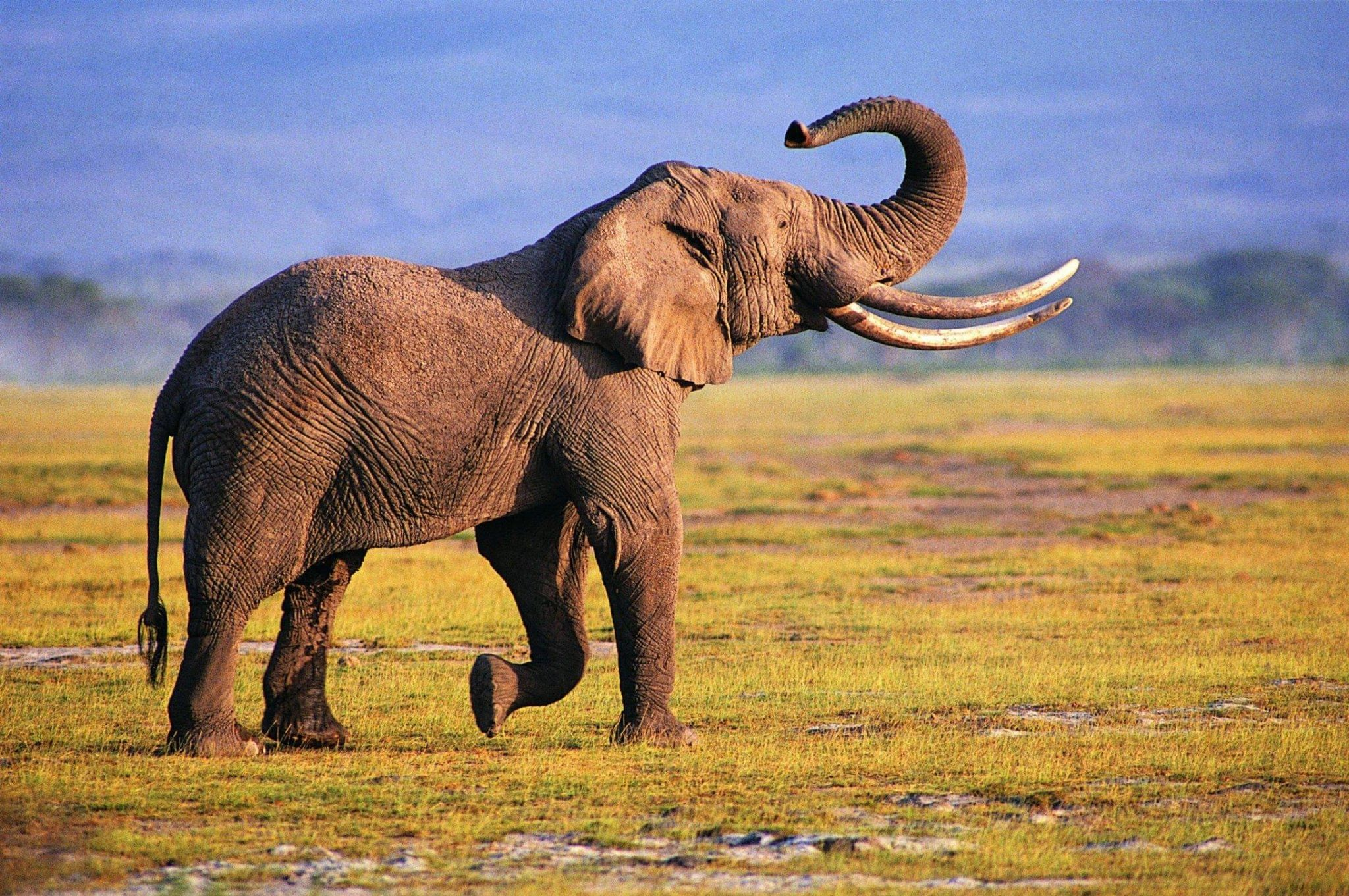
Facing one of the worst droughts in 100 years, Namibia and Zimbabwe have resorted to killing hundreds of wild animals, including elephants, in an effort to alleviate the hunger and desperation caused by crop failures and livestock deaths. In August, Namibia announced a cull of 723 animals, including 83 elephants, while Zimbabwe authorized the slaughter of 200 elephants the following month. Both countries argue that reducing wildlife numbers will help relieve the pressure on scarce resources and prevent human-animal conflict. However, the decision has ignited fierce debate, with conservationists decrying the culls as cruel and ineffective, while some local supporters see them as necessary for survival.

A Crisis Driven by Drought and Climate Change

Southern Africa is grappling with severe drought conditions exacerbated by El Niño and the broader effects of climate change. Crops have failed, livestock has perished, and nearly 70 million people across the region are struggling with food insecurity. Both Namibia and Zimbabwe declared states of emergency earlier this year, with about half of Namibia’s population facing acute food shortages. The drought has pushed wild animals, including elephants, closer to human settlements in search of food and water, leading to increased conflict.

Governments in both countries assert that the culls will protect remaining animal populations by reducing competition for scarce resources. Namibia, which has around 21,000 elephants, and Zimbabwe, with an estimated 85,000 elephants, believe that culling is a necessary step to mitigate human-wildlife conflict. Chris Brown, an environmental scientist with the Namibian Chamber of Environment, supports the culls, describing them as humane and less cruel than commercial slaughterhouses. He explains that most animals will be killed by professional hunters, with the meat distributed to communities in need.

Controversy and Criticism

Despite the governments’ justifications, many conservationists argue that the culls are short-term solutions that fail to address the root causes of the crisis. Critics like Megan Carr, a senior researcher at the EMS Foundation, call the culls “misguided and cruel.” Conservation biologist Keith Lindsay warns that the culling could open the door to more extensive killings and weaken international wildlife protection rules, particularly concerning the sale of ivory.

Opposition to the culls is not limited to environmentalists. Some experts question whether the overpopulation of elephants is the real issue. Farai Maguwu, director of the Centre for Natural Resource Governance in Zimbabwe, claims that elephant numbers have been exaggerated and that the real problem lies in poor land management and the encroachment of human settlements into buffer zones designed to separate people and wildlife. He argues that the culls are a “false solution,” especially when millions of people still require food aid, and he expresses skepticism about the idea of elephant meat as a viable food source for struggling families.

The decision to allow trophy hunters to kill some of Namibia’s elephants has further fueled criticism. Trophy hunting, in which wealthy tourists pay large sums to hunt and take home animal parts as trophies, has long been a controversial practice. Conservationists have condemned the move, suggesting it raises questions about the real motivations behind the culls. Romeo Muyunda, spokesperson for Namibia’s Ministry of Environment, Forestry, and Tourism, insists that the funds generated from trophy hunting will go to communities affected by human-wildlife conflict, not the government. However, critics remain unconvinced, arguing that this approach prioritizes profit over sustainable conservation.

Broader Implications for Wildlife Conservation

The debate over culling touches on deeper issues regarding conservation in Africa, and many in the region view Western criticism as condescending or even “racist.” Brown, from the Namibian Chamber of Environment, argues that African countries are often unfairly criticized for their wildlife management decisions, with outsiders imposing their values and ideas on African nations. This sentiment resonates with some who feel that Western countries, which also engage in culling and wildlife management practices, are holding African countries to a different standard.

For supporters of the culls, the critics are overlooking the devastating impact of the drought on both people and animals. The drought has led to immense suffering, and culling is seen as a necessary, if unpleasant, measure to ease the burden on local populations. Elizabeth Mrema, deputy executive director of the United Nations Environment Programme, acknowledges that sustainable, scientifically supported methods of wildlife harvesting for food are widely accepted in many cultures. From this perspective, the culls, if managed properly, are a legitimate means of addressing an urgent crisis.

A Precarious Path Forward

While Namibia and Zimbabwe remain resolute in their decision to carry out the culls, the broader conservation community remains deeply divided. Many conservationists fear that culling could set a dangerous precedent, leading to more extensive wildlife killings as climate change exacerbates droughts and other environmental challenges in the future. There are concerns that these actions may destabilize delicate ecosystems, making them even less resilient to future environmental stressors. Elisabeth Valerio, a safari operator in Zimbabwe, warns that killing elephants may increase human-elephant conflict, as surviving elephants could become more aggressive in response to the trauma of losing family members.

As droughts become more frequent and severe due to climate change, African countries like Namibia and Zimbabwe will continue to face difficult decisions about how to balance human needs with wildlife conservation. Whether the current culls provide a viable solution or merely a temporary reprieve remains to be seen, but the controversy they have sparked highlights the complex, often conflicting, values at play in conservation efforts across the globe.

Human Foot Found on Everest May Hold Key to Solving a Mountaineering Mystery

In September, a National Geographic documentary team made a startling discovery on Mount Everest that could potentially solve one of mountaineering’s greatest mysteries. A foot found inside a boot, protruding from a melting glacier, is believed to belong to British climber Andrew “Sandy” Irvine, who vanished alongside George Mallory during their 1924 expedition. Their disappearance has fueled nearly a century of speculation about whether they reached Everest’s summit before their deaths, a feat that could make them the first humans to do so.

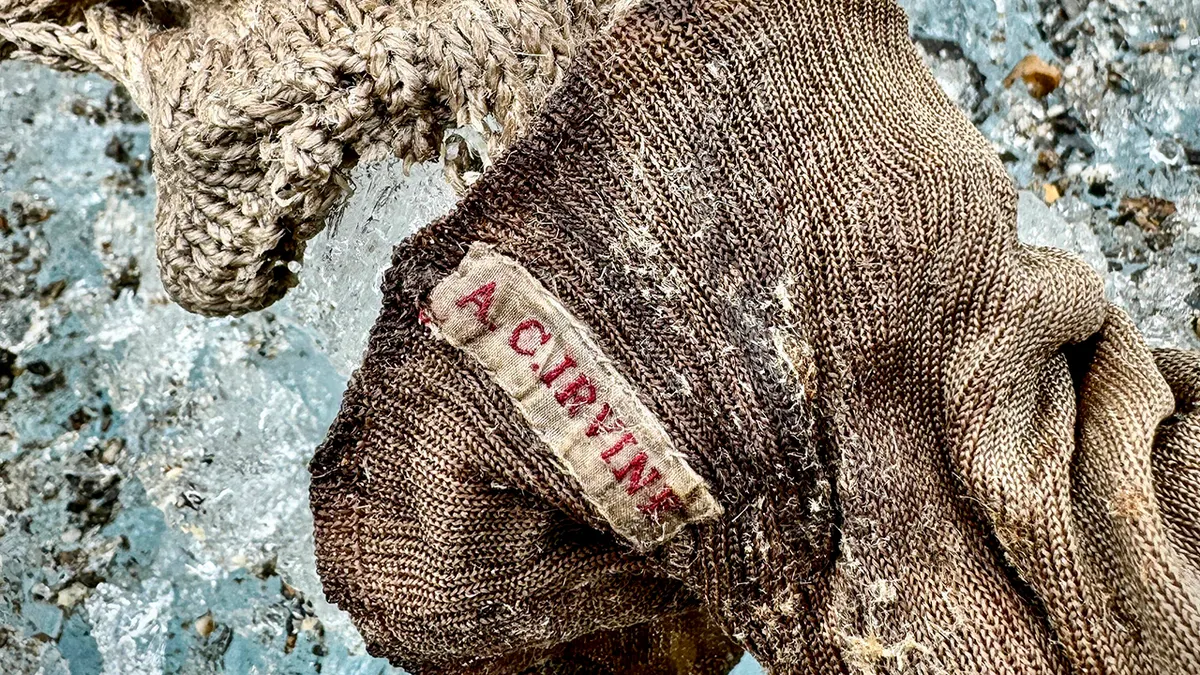
The boot’s sock was labeled “A.C. Irvine,” linking it to Irvine, though DNA tests are still pending. The discovery raises hopes that Irvine’s body — and the camera he was carrying, which might contain proof of their historic summit — could soon be recovered.

The Mystery of Mallory and Irvine

Irvine and Mallory disappeared on June 8, 1924, while attempting to become the first climbers to reach the summit of Mount Everest. They were last spotted 800 feet below the summit before vanishing into the thin Himalayan air. Mallory’s body was found in 1999, but Irvine and the camera he carried, which might offer crucial evidence, remained elusive.

This latest discovery came after the documentary team, which included “Free Solo” co-director Jimmy Chin, followed a lead from a 1933 expedition. That earlier group had found Irvine’s ice axe on the northeast ridge of Everest, sparking theories about the climber’s final resting place. A few days before finding the boot, the team uncovered an oxygen cylinder from the 1933 expedition, further narrowing their search.

Potential Breakthrough for Climbing History

Finding Irvine’s body, or the camera he carried, would be an extraordinary breakthrough, potentially answering the enduring question of whether the pair reached Everest’s summit before perishing. Though Mallory’s body was discovered in 1999, it provided no conclusive evidence regarding their success.

“This is the first real evidence of where Sandy ended up,” Chin remarked. The discovery, while potentially historic, also offers closure to Irvine’s family, including his great-niece Julie Summers. She has long been intrigued by the mystery, having authored a book on her uncle’s expedition.

Summers described the moment she learned of the discovery as “extraordinary and poignant,” recalling how her father first told her of the tragedy when she was a child. For Summers and many others, the search for Irvine had long seemed a distant hope. But this new evidence revives the possibility that the mystery surrounding Mallory and Irvine’s fate might finally be resolved.

A Glimpse Into the Past

The documentary team’s discovery is significant not only for the mystery it might solve but also for what it reveals about the impact of climate change. The foot and boot were uncovered due to glacier melt, a stark reminder of the environmental changes reshaping the world’s highest peaks. Chin speculated that the boot had likely been exposed just a week before they found it, as they noticed birds disturbing the scene.

After discovering the boot, the team handed it over to the China-Tibet Mountaineering Association (CTMA) to protect it from wildlife and to aid in further analysis. DNA testing will determine if the foot truly belongs to Irvine, but many believe that this is the strongest evidence yet of his final resting place.

The Climbing Community Awaits Answers

For decades, mountaineers, historians, and enthusiasts have speculated about what happened to Mallory and Irvine. If Irvine’s camera is ever found and its contents preserved, it could answer the burning question: Did they or didn’t they reach Everest’s summit before their deaths?

For now, the climbing community and the Irvine family await further developments, with hopes that this extraordinary discovery will finally provide the definitive answers they’ve long sought. As Summers reflected, after nearly a century of uncertainty, this find offers both a potential solution to a historic mystery and a deeply personal resolution for the Irvine family.