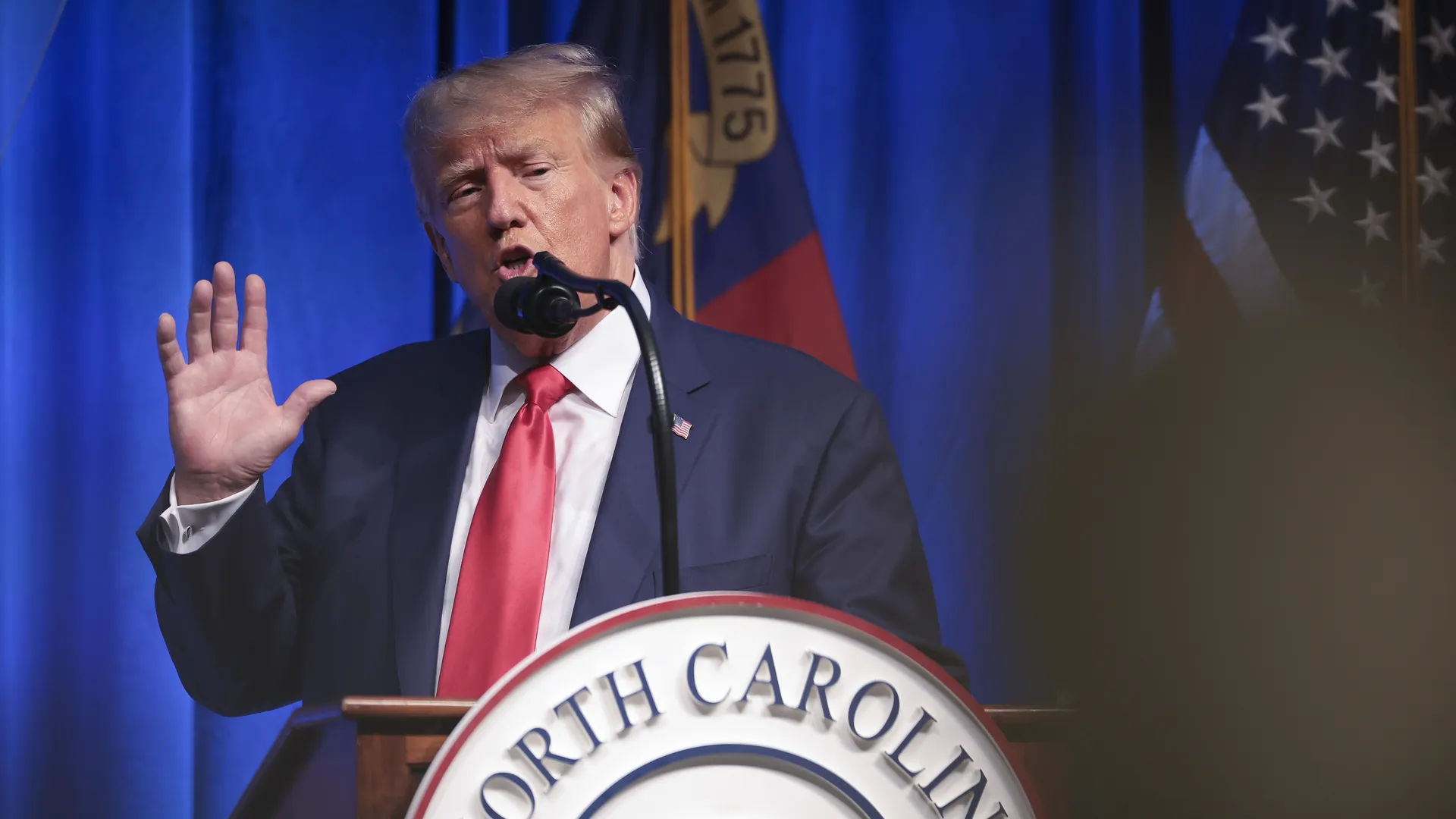
Trump Escalates Immigration Rhetoric, Calls for Death Penalty for Migrants Who Kill Americans

At a rally in Aurora, Colorado, Donald Trump heightened his anti-immigration rhetoric, advocating for the death penalty for migrants who kill U.S. citizens. As part of his presidential campaign, Trump has continued to portray migrants as dangerous criminals, positioning illegal immigration as one of the top voter concerns leading up to the November 5 election, where he faces off against Democratic candidate Kamala Harris.

Trump, surrounded by posters of alleged members of the Venezuelan gang Tren de Aragua, announced that if elected, he would launch “Operation Aurora,” a national effort to target criminal gangs. The rally was attended by a large crowd of supporters who cheered as Trump called for capital punishment for any migrant who kills an American citizen or law enforcement officer.

Death Penalty and Migrant Crime Focus

In his remarks, Trump reiterated his longstanding call to expand the death penalty to include migrants who commit such crimes, along with other offenders, such as individuals convicted of sex trafficking. This expansion would require an act of Congress, as nearly half of U.S. states currently ban the death penalty. Although there is a federal death penalty, it is seldom used, according to the Death Penalty Information Center.

Trump’s focus on “migrant crime” has been a consistent theme in his third bid for the presidency, despite studies showing that immigrants do not commit crimes at higher rates than native-born Americans. However, his stance resonates with many voters, as immigration remains a major concern in the election. Polls show that Trump is perceived by many as the candidate best equipped to address immigration issues.

Kamala Harris’s campaign has not yet responded to Trump’s death penalty proposal. After becoming the Democratic nominee in August, Harris has taken a stronger position on border security and has criticized Trump for stalling a bipartisan border security bill earlier this year.

Aurora in the Spotlight

Trump’s speech in Aurora highlighted a local dispute over gang activity in the city. During a presidential debate with Harris in September, Trump claimed that members of the Tren de Aragua gang had taken control of several apartment complexes in Aurora—allegations that local officials deny. Aurora Mayor Mike Coffman, a Republican, stated that concerns about gang activity have been “grossly exaggerated.” Ahead of Trump’s rally, Coffman invited the former president to tour the city to see the reality of the situation.

At the rally, Trump doubled down on his allegations, pledging to focus enforcement efforts on Aurora and claiming he would “rescue” the city from criminals if reelected. He also vowed to either imprison or deport gang members.

Despite Trump’s dramatic claims, there is no evidence to suggest that any U.S. town, including Aurora, has been overrun by migrants. Major crime rates in Aurora have actually decreased year-over-year, according to statistics from the Aurora Police Department.

Local Reaction and Concerns

Trump’s rally sparked concern among some Aurora residents, particularly migrants and their advocates. V Reeves, a community organizer with the Housekeys Action Network, said that locals were worried about potential threats from Trump supporters. Reuters reported that some apartment complexes in Aurora, at the center of the controversy, had broken windows and litter, and portable police camera stations had been installed.

Jesus, a 30-year-old Venezuelan migrant living in one of the apartments, expressed frustration over being unfairly blamed for the actions of a few. “We are not all bad people,” he said, declining to give his full name for fear of retaliation.

The controversy surrounding gang activity in Aurora stems from complaints about several apartment complexes that house migrants. The city has pressured the landlord, CBZ Management, to address issues such as pest infestations, trash, and safety concerns. In early August, a public relations firm hired by the landlord claimed that members of Tren de Aragua had taken over the properties. These allegations gained widespread attention when a viral video clip showed armed men in one of the apartment buildings.

At the rally, Cindy Romero, a former resident of the apartment complex, shared her experience with crime, stating that it had led her to switch her support from the Democratic Party to Trump.

As Trump’s anti-immigration rhetoric intensifies, the impact of his message on voters remains to be seen, especially in battleground states like Colorado, where immigration is a deeply divisive issue.
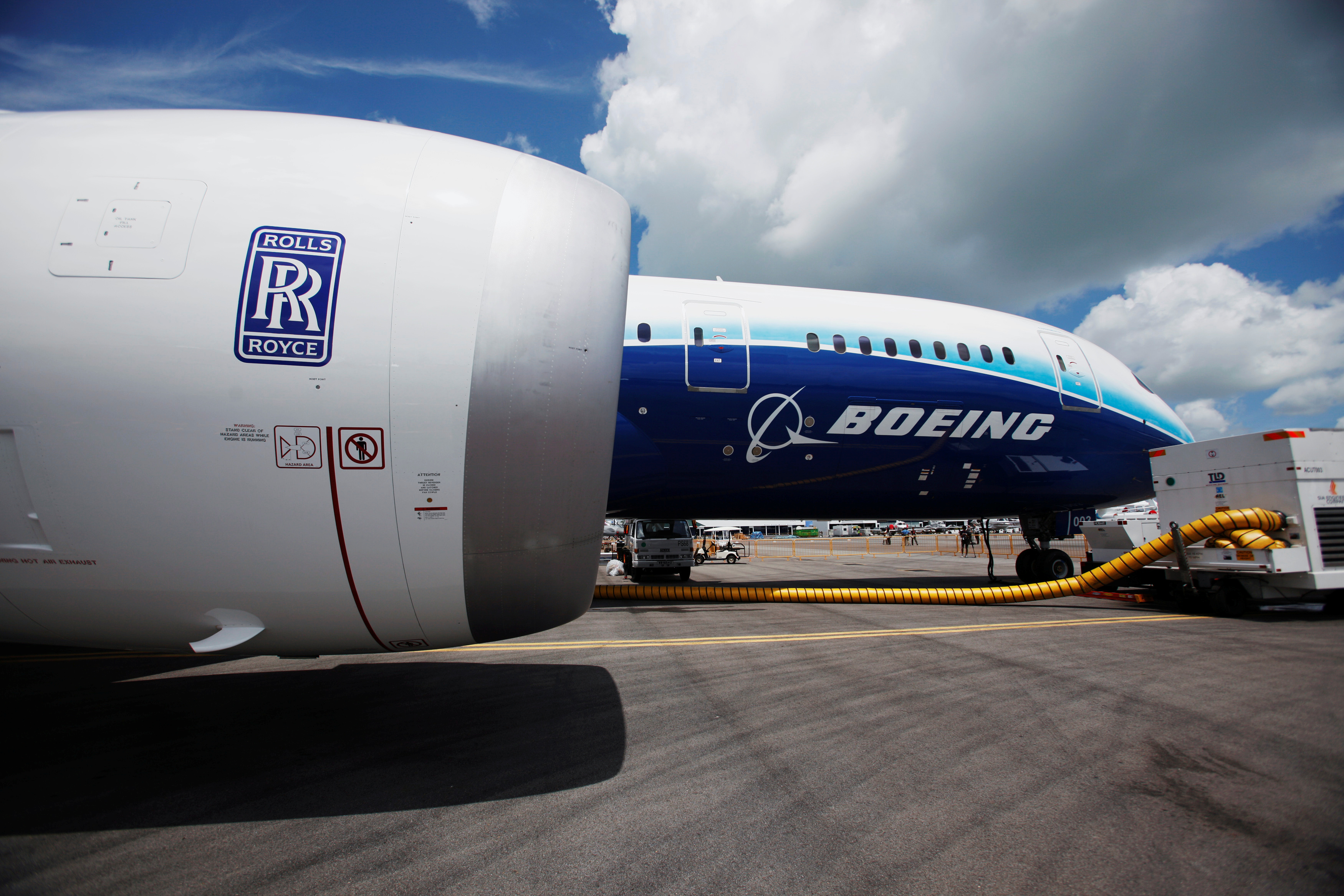

Boeing to Cut 17,000 Jobs, Delay 777X Jet as Strike Impacts Finances

Boeing has announced plans to cut 17,000 jobs—roughly 10% of its global workforce—due to financial strain exacerbated by a month-long strike. The company will also delay the first deliveries of its highly anticipated 777X jet by a year and expects to record $5 billion in losses for the third quarter. CEO Kelly Ortberg explained in a message to employees that these drastic measures are essential to align the company with its financial reality, following halted production on several major aircraft programs.

The strike, involving 33,000 workers on the U.S. West Coast, has severely impacted production of Boeing’s 737 MAX, 767, and 777 jets. Ortberg emphasized that the job cuts would affect all levels of the company, including executives and managers. He also acknowledged the importance of stabilizing relations with the union as Boeing grapples with both immediate challenges and long-term strategic decisions.

Job Cuts and Financial Pressures

Boeing’s financial woes have intensified, leading to a significant restructuring. The company expects third-quarter revenue of $17.8 billion, a loss per share of $9.97, and a better-than-expected negative operating cash flow of $1.3 billion. Analysts had initially predicted a more significant cash burn, with estimates nearing negative $3.8 billion. However, the planned job cuts are seen as an effort to mitigate further losses and pressure striking workers to return to the bargaining table.

Equity manager Thomas Hayes commented that the layoffs could push workers to end the strike, stating, “Striking workers who temporarily do not have a paycheck do not want to become unemployed workers who permanently do not have a paycheck.” The strike, which has already cost Boeing an estimated $1 billion per month, puts the company at risk of losing its investment-grade credit rating. Reaching an agreement with the union is critical, as the dispute with the International Association of Machinists and Aerospace Workers (IAM) has complicated efforts to restore production.

777X Jet Delays and Other Program Impacts

Boeing’s 777X program, which had already faced certification challenges and delays, will now see its first delivery pushed back to 2026. The company attributed the delay to both development challenges and the ongoing work stoppage. Additionally, Boeing plans to phase out its 767 freighter program by 2027, while continuing production of the KC-46A Tanker.

The IAM expressed concern over Boeing’s decision to end the 767 freighter program, describing the move as troubling and a possible distraction from the company’s unwillingness to negotiate. IAM President Jon Holden criticized Boeing’s decision to file an unfair-labor-practice charge, calling it a tactic to avoid returning to the bargaining table. Despite the tense labor relations, Boeing is also facing legal challenges, including a court hearing regarding a guilty plea to fraud and a substantial settlement with the U.S. Department of Justice over safety violations.

Financial Repercussions and Market Reactions

Boeing’s delayed 777X delivery and workforce reduction come at a time when the company is already burdened by heavy debt and declining cash flow. With approximately $60 billion in debt, Boeing has struggled to generate positive operating cash flow, posting losses of over $7 billion in the first half of 2024. The company is exploring options to raise between $10 billion and $15 billion to maintain its credit rating, including the potential sale of stock and equity-like securities.

Financial analysts have long warned of the company’s precarious situation, citing mismanagement and ongoing safety issues. Michael Ashley Schulman, a partner at Running Point Capital Advisors, noted that Boeing’s credit rating and share price have been at risk for years, and the ongoing strike may be the final straw that significantly weakens the company.

As Boeing prepares to report its third-quarter earnings on October 23, the company’s future remains uncertain. The continued impact of the strike, combined with the delayed 777X deliveries, legal challenges, and significant job cuts, creates a volatile environment for the planemaker, which will need to make significant financial adjustments to restore its operations and regain investor confidence.

China Flags More Fiscal Stimulus for Economy, Leaves Out Key Details on Size

China announced plans to “significantly increase” debt to revive its economy, but withheld crucial information regarding the overall size of the stimulus package. This leaves investors uncertain about how long the recent stock market rally will last. At a press conference on Saturday, Finance Minister Lan Foan detailed measures aimed at alleviating local government debt, offering subsidies to low-income citizens, supporting the struggling property market, and replenishing state banks’ capital. However, no specific figures were provided.

Investors have been eagerly awaiting more aggressive action as the world’s second-largest economy faces mounting deflationary pressures, low consumer confidence, and a sharp property market downturn. The absence of a specific monetary figure for the stimulus prolongs market uncertainty. Economists and analysts are especially concerned as economic data in recent months has consistently underperformed, raising fears that China’s 2024 growth target of approximately 5% may be difficult to achieve.

Lack of Details Raises Investor Concerns

While Lan emphasized the government’s resolve to tackle the economy’s challenges, the lack of detailed numbers frustrated investors hoping for a comprehensive stimulus package to sustain the recent market rally. “The big bang fiscal stimulus that investors were hoping for… did not come through,” said Vasu Menon, managing director for investment strategy at OCBC in Singapore. The rally in Chinese stocks, which saw a 25% surge after the September Politburo meeting, has since slowed, and concerns about the absence of policy clarity are growing.

China’s property market remains a key issue, with falling demand and heavy debts hanging over local governments. In September, Reuters reported that China plans to issue special sovereign bonds worth around 2 trillion yuan ($284.43 billion), with half of the funds directed at local governments and the other half toward consumer subsidies and household benefits, such as an allowance of 800 yuan ($114) per child for families with two or more children. Meanwhile, Bloomberg reported China is considering injecting 1 trillion yuan of capital into state banks to stimulate lending, though demand for credit remains weak.

Central Bank Interventions and Structural Issues

The People’s Bank of China has already introduced its most aggressive monetary measures since the COVID-19 pandemic, including rate cuts and a liquidity injection of 1 trillion yuan. These measures have lifted market sentiment somewhat, but analysts argue that China needs more profound reforms to boost consumption and shift away from its reliance on debt-driven infrastructure investment.

Despite years of pledges to increase domestic consumption, household spending remains weak. Currently, consumption accounts for less than 40% of China’s annual GDP, significantly below the global average, while investment remains far higher than global norms. These imbalances highlight the need for structural reforms in policies and institutions if China is to achieve sustainable growth.

Lan’s press conference did little to quell concerns, with analysts warning that without targeted measures to boost demand and investment, China may struggle to ease deflationary pressures. “There is still relatively big room for China to issue debt and increase the fiscal deficit,” Lan said, noting that local governments have 2.3 trillion yuan left to spend in the final quarter of the year. However, deeper reforms are expected to be announced gradually.

Uncertain Path Forward

As markets await more concrete details, global investors are left speculating on China’s next moves. The upcoming meeting of China’s National People’s Congress, which is expected to approve additional debt issuance, may finally provide clarity. Until then, volatility in Chinese markets and global commodity prices is likely to continue, as investors try to gauge the impact of China’s fiscal policies.