
Samsung Galaxy S24 FE Unboxing Video Leak Reveals Exynos 2400e SoC and 4,700mAh Battery
Samsung Galaxy S24 FE Set to Succeed the Galaxy S23 FE Devamını Oku

Samsung Galaxy S24 FE Set to Succeed the Galaxy S23 FE Devamını Oku
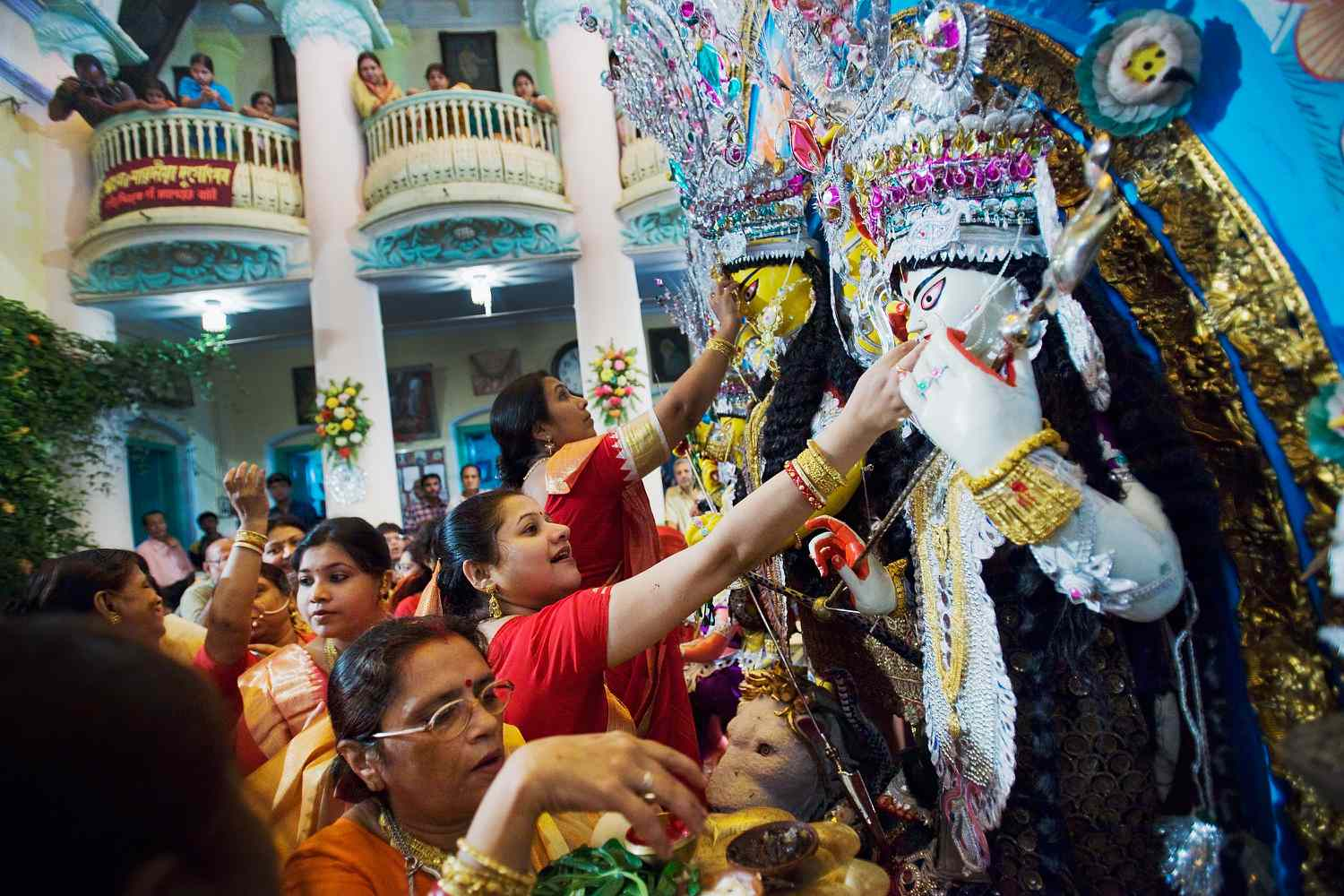
On August 9, Kolkata was rocked by the brutal rape and murder of a 31-year-old trainee doctor at RG Kar Medical College. The incident sent shockwaves through the city, sparking accusations of a cover-up, protests, and demands for justice. Daily demonstrations, human chains, and candlelight vigils have become regular sights in the city’s streets. Now, these protests intersect with Kolkata’s biggest annual cultural and religious event, Durga Puja, transforming the festival’s art into a powerful medium of protest.
Durga Puja, the festival that honors the ten-armed Goddess Durga’s victory over evil, has always been a spectacular showcase of art. Traditionally, pandals (temporary temples) display elaborate idols and creative structures, turning Kolkata into a public gallery of street art. But this year, amidst the city’s deepest protests in years, the festival’s art reflects the grief and anger of a community demanding justice.
The Durga Puja celebrations this year are shaped by the tragedy of the young doctor’s death. The case has not only become a rallying point for justice but has also deeply affected the city’s artists. Prominent visual artist Sanatan Dinda, who has long used his work to reflect societal issues, resigned from a government-run arts organization in protest and joined the street demonstrations. Dinda and other artists from the Kumartuli neighborhood, where Durga idols are traditionally made, have infused their work with a sharper edge, portraying the goddess as a more fierce, confrontational figure. His portrayal of Durga at the Bagha Jatin pandal is especially striking—her lion now springs from her chest, and her ten arms are equipped with spears, symbolizing an intensified battle against evil.
The theme of anger and protest resonates through many pandals. One notable installation at the Kankurgachi puja, titled Lajja (Shame), depicts Durga covering her eyes in sorrow, while her lion stands guard over a woman’s lifeless body wrapped in a white sheet. The emotional tableau is unmistakable—a statement on the systemic failure to protect women, a reflection of the public’s grief.
Durga Puja is more than a religious celebration—it is a key economic driver for West Bengal. The festival’s 2019 economic impact was valued at $4.5 billion, nearly 3% of the state’s GDP. However, with this much at stake, artists and organizers must navigate the delicate balance between using the platform for protest and maintaining the celebratory spirit of the festival.
Neighborhood clubs, which organize the pujas, receive financial grants from the government, adding to the complexities of openly addressing sensitive political issues. Some clubs, like those affiliated with opposition parties, have taken a more vocal stance, while others remain cautious. For example, the Arjunpur Amra Sabai Club’s women-led team, which had already planned a Discrimination theme, felt the urgency of the doctor’s murder pushing them further. They have reframed their puja as a “pledge,” rather than a celebration, calling for a world where people no longer need to protest for justice.
Art as protest is not new, and this year’s Durga Puja draws comparisons to iconic movements in public art. From Jean-Michel Basquiat’s Defacement, which memorialized a police brutality victim, to contemporary figures like Banksy, artists have long used public spaces to provoke political and social reflection. Durga Puja, as one of the largest public art festivals in the world, is the perfect platform for such messages, especially when societal anguish runs so deep.
For some, like renowned artist Susanta Shibani Pal, the intersection of art and protest was inevitable, even if unplanned. His installation Biheen (The Void) immerses viewers in a space resembling a “black hole,” with Durga represented only by a flickering candle, echoing the candles of the ongoing vigils. Pal admits the tragic incident may have subconsciously influenced his work, but he maintains that the piece had already been conceptualized before the protests erupted.
While some pandals are transforming into sites of protest, others are taking the protests into their homes. Chandreyee Chatterjee, a regular participant in the street demonstrations, is forgoing much of the usual celebration in her family’s Durga Puja this year. Their observance will be minimal, with rituals performed without the usual festive atmosphere. Instead, she and her friends have created badges emblazoned with a flaming torch and the words “We want justice” in Bengali, which they will distribute during their puja to remind people of the work still ahead.
As the festival unfolds, the intersection of art and protest in Kolkata’s Durga Puja speaks volumes about the power of public expression in times of tragedy. The celebration of Durga, a symbol of the triumph of good over evil, has taken on new layers of meaning in the wake of the doctor’s murder. What was once primarily a joyous occasion is now a platform for collective grief, outrage, and the demand for justice.
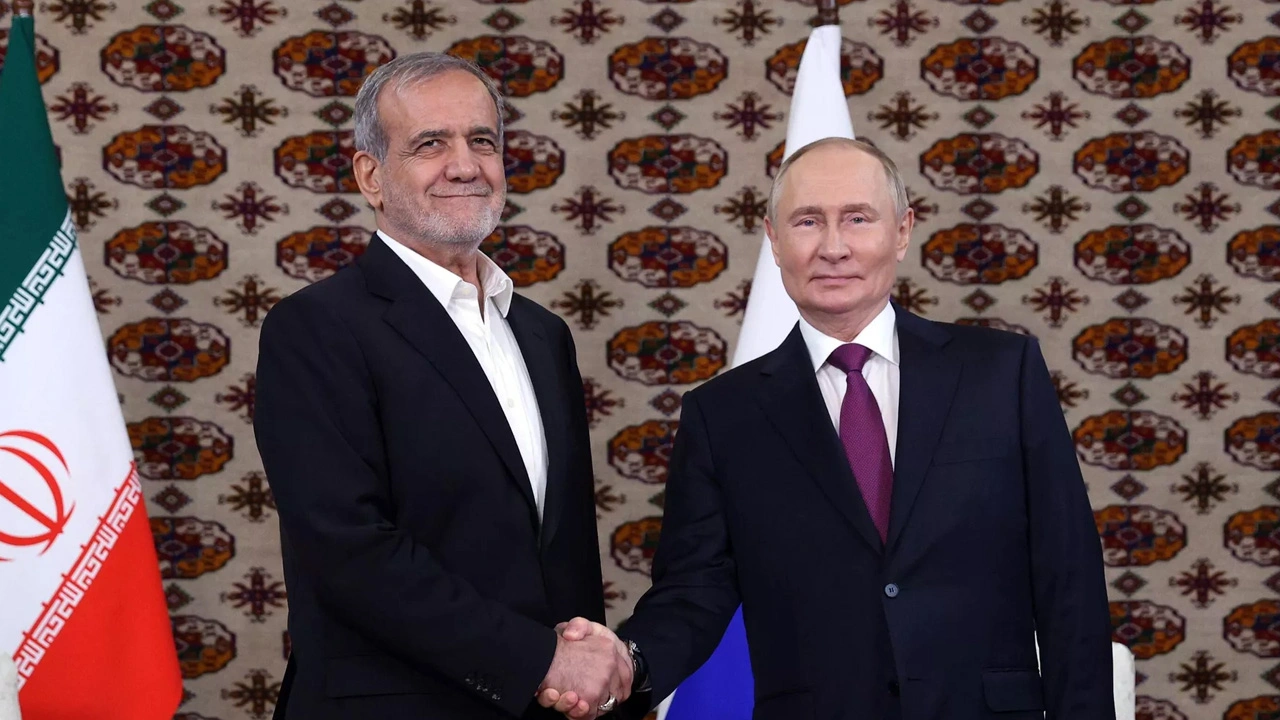
Russian President Vladimir Putin met with his Iranian counterpart, Masoud Pezeshkian, for the first time at a regional summit in Turkmenistan’s capital, Ashgabat. This meeting underscored the growing strategic partnership between the two nations at a critical time of heightened tensions in the Middle East. Both Russia and Iran face extensive sanctions, and their deepening cooperation, particularly in the military sphere, has become more pronounced since Russia’s invasion of Ukraine in February 2022.
Putin highlighted the close alignment of the two countries’ worldviews during the meeting, stating, “We are actively working together in the international arena and our assessments of events taking place in the world are often very close.” This marks a notable strengthening of their alliance, driven largely by their shared experience of global isolation and sanctions, as well as their increasing reliance on each other.
Iran has played a key role in bolstering Russia’s military capabilities. Since the onset of the Ukraine war, Iran has supplied Russia with thousands of Shahed attack drones, and reports from U.S. officials suggest Iran has even built a drone factory in Russia. In a significant escalation of support, Tehran has also transferred short-range ballistic missiles to Moscow, according to a CNN report from September 2023.
This cooperation is part of a broader de facto military alliance between the two countries, which also extends to their joint support of Syrian President Bashar al-Assad’s regime. The partnership is further solidified by mutual interests in evading international sanctions, with analysts suggesting that Russia sees Iran as a key example of how to maneuver around these economic constraints.
The meeting comes amid a transition in Iran’s leadership, following the election of reformist Masoud Pezeshkian, who took office after the sudden death of President Ebrahim Raisi in a helicopter crash. Pezeshkian has been vocal about his desire to enhance relations with Russia, viewing the partnership as a means to resist the “cruel” sanctions imposed by the West. During a meeting with Russian Prime Minister Mikhail Mishustin last week, Pezeshkian stressed the importance of speeding up joint projects between the two nations, while Russia expressed interest in diversifying its trade with Iran.
Both countries are expected to further solidify their cooperation during the upcoming BRICS summit in Russia, where they are anticipated to sign a comprehensive strategic agreement. Iran formally joined the BRICS group earlier this year, signaling its commitment to deepening relations with major emerging economies and countering Western influence.
Amid these diplomatic moves, tensions in the Middle East continue to simmer, particularly after Tehran’s largest-ever missile attack, which has set the stage for a potential Israeli response. Analysts have pointed out that while the Iran-Russia relationship has grown stronger, conflicts involving Iran-backed proxies in the Middle East may not necessarily strengthen the alliance. Some argue that Russia could benefit from these conflicts, as they divert international attention away from the war in Ukraine.
Furthermore, reports have surfaced of Russian involvement in arms transfers to the Iran-backed Houthis in Yemen. Allegations have emerged that Viktor Bout, a Russian arms dealer who was exchanged in a prisoner swap for American basketball player Brittney Griner, has brokered a deal to supply $10 million worth of automatic weapons to the Houthis. Bout has denied the claims, but such developments highlight the complex entanglement of arms trades and proxy conflicts that shape the Iran-Russia relationship.
While Moscow and Tehran have found common ground in their opposition to Western sanctions and their mutual military interests, experts caution that the relationship is not without challenges. According to Aniseh Bassiri Tabrizi, a senior analyst at Chatham House, “Russia is very much focusing on what’s going on in Ukraine,” which may limit the extent to which Moscow can provide technical and military support to Iran. She also noted that while the partnership is expected to continue growing, underlying tensions and misalignments between the two nations will likely persist.
Russia’s primary focus remains its war in Ukraine, and it may not have the resources to stretch its military capabilities much further in support of Iran. Nonetheless, the relationship is set to grow as both countries see strategic benefits in their partnership, particularly in circumventing sanctions and leveraging each other’s military expertise.
As Putin and Pezeshkian continue to emphasize their close ties, the broader geopolitical consequences of their cooperation will be closely watched, particularly in light of the ongoing conflicts in Ukraine and the Middle East.