Urban Outfitters Struggles to Win Over Gen Z: Aiming for an Abercrombie-Like Turnaround
Urban Outfitters, once a go-to destination for young adults seeking alternative, vintage-inspired styles, finds itself in a challenging position as it struggles to connect with Gen Z. The retailer, known for its urban, bohemian aesthetic, recently admitted during an earnings call that it has failed to effectively market to the demographic that made it successful in the first place. Now, the company aims to reverse its fortunes by undergoing a strategic transformation, hoping to emulate the recent success of rival Abercrombie & Fitch.
A Disconnect With Gen Z
One of the key mistakes Urban Outfitters acknowledged was missing the “seismic shifts” between Millennials and Gen Z, particularly during the COVID-19 pandemic. As the younger generation came of age, the brand struggled to adapt to their changing preferences. Shea Jensen, president of Urban Outfitters Brand in North America, explained during the August earnings call, “We lost focus on our customer, and we lost track of how to win with them in today’s dynamic retail environment.” As a result, the company has struggled to attract new Gen Z shoppers while losing its core Millennial base.
Urban Outfitters’ performance reflects this misstep, with sales declining 9.3% in the second quarter of 2024. While the brand is part of a larger conglomerate that includes Anthropologie and Free People, which have posted record sales, Urban Outfitters remains a weak link.
Abercrombie’s Blueprint for Success
The company is now setting its sights on a turnaround akin to that of Abercrombie & Fitch. Once plagued by a controversial brand image, Abercrombie managed to reinvent itself by shifting its focus from high school-centric, sexualized advertising to versatile, adult-friendly fashion. This brand overhaul, coupled with an emphasis on inclusivity, propelled Abercrombie’s stock by over 144% in the past year.
However, Urban Outfitters’ strategy differs from Abercrombie’s. Rather than overhauling its core values, Urban aims to recalibrate its marketing approach, with a stronger focus on Gen Z and their unique preferences. The retailer has admitted it needs to move beyond its grungy, alternative image and better understand the diverse tastes, sensibilities, and needs of today’s youth.
Gen Z’s Evolving Fashion Sensibilities
Part of Urban Outfitters’ challenge lies in competing within a middle-tier fashion market where it faces tough competition from fast fashion giants like Shein and H&M, as well as brands like American Eagle and Abercrombie. While Urban’s pricing places it above the low-cost fast fashion retailers, it doesn’t quite have the luxury appeal that thrives on exclusivity. As Gen Z consumers prioritize affordability, social values, and individuality, Urban Outfitters is at risk of being outpaced by more agile competitors who are quicker to respond to these demands.
One area where Urban Outfitters has an advantage over Abercrombie is its lack of a controversial past involving race and discrimination lawsuits. Abercrombie’s turnaround, while successful, was partly necessitated by its tarnished image, made worse by a Netflix documentary highlighting the company’s former toxic work culture. Urban Outfitters does not have to overcome this kind of negative legacy, which could position it more favorably for a smoother rebranding effort.
Steps Toward a Turnaround
To stage its recovery, Urban Outfitters has outlined five pillars aimed at redefining its brand. These include targeting a broader range of customers and adjusting its marketing strategy to cater to the Gen Z consumer, who differs significantly from Millennials in terms of size, ethnicity, tastes, and interaction with the world.
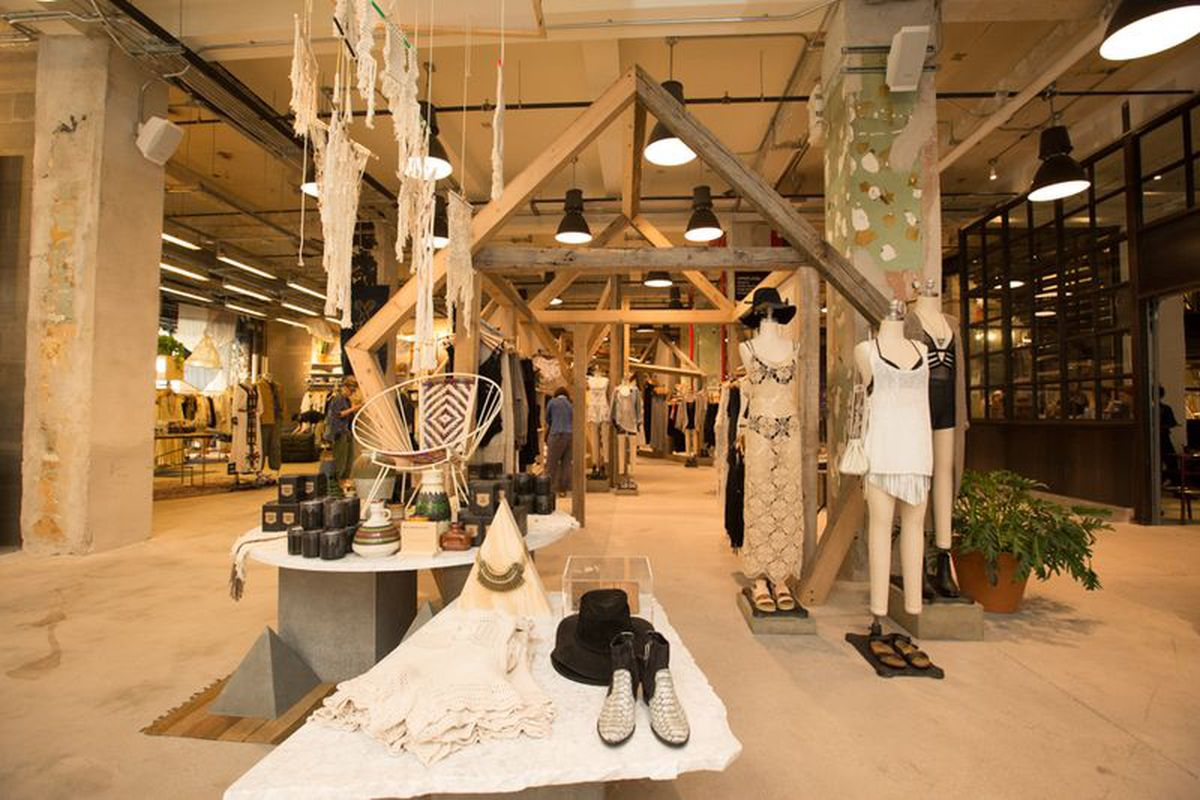
Historically, Urban Outfitters targeted a narrow segment: “an aspirational 22-year-old customer living in major metropolitan cities.” Now, the company is broadening its appeal to include suburban teenagers, college students, and post-college young adults. Jensen emphasized the need for the brand to cater to more price points, sizes, categories, and occasions, moving beyond its traditionally niche aesthetic.
Additionally, Urban Outfitters has committed to optimizing its brick-and-mortar locations, closing underperforming stores, relocating others to be closer to target customers, and resizing some stores to improve the in-store shopping experience. This is a crucial move, given that physical shopping experiences still matter to Gen Z, despite the growth of e-commerce.
The company has also taken steps to address long-standing complaints about its high prices. In a bid to win back college students and other budget-conscious consumers, Urban Outfitters’ website now highlights items tagged with a “New Lower Price” banner. However, some Gen Z shoppers have taken to social media to question whether the price drops are real or just a marketing tactic. As BMO Capital Markets analyst Simeon Siegel pointed out, “Half of the job of a retailer is marketing.”
Moving Forward: The Need for Authenticity
Urban Outfitters’ attempt to reconnect with Gen Z will require more than just new price tags and marketing slogans. To succeed in this fiercely competitive space, the brand must authentically engage with Gen Z’s values and tastes, which prioritize inclusivity, individuality, and sustainability. As Abercrombie’s revival showed, adapting to the changing fashion landscape takes more than a superficial shift—it requires a fundamental rethinking of brand identity and customer relationships.
With leadership changes and a refreshed strategy in place, Urban Outfitters is betting on its ability to win back the youth market. The question now is whether the company can genuinely understand and meet the needs of Gen Z consumers or if it will continue to play catch-up in a fast-evolving retail environment.