
Cerebras IPO Faces Challenges as AI Chipmaker Tries to Rival Nvidia

Cerebras Systems, an artificial intelligence (AI) chipmaker, is aiming to be the first major tech company in the U.S. to go public since April 2024. As the AI infrastructure market continues to boom, driven by the astronomical success of Nvidia, Cerebras hopes to ride the wave of investor enthusiasm for AI technologies. However, the company faces significant hurdles, particularly its heavy reliance on a single customer and the risks associated with foreign investment, which could hinder its IPO.

The Cerebras Opportunity

Founded in 2016 and headquartered in Sunnyvale, California, Cerebras has positioned itself as an innovative player in the AI hardware market. The company claims its chips outperform Nvidia’s GPUs in training large language models—an essential task in AI. In fact, Cerebras has seen impressive growth, with sales tripling to $78.7 million in 2023, and revenue reaching $136.4 million in the first half of 2024. The company has secured contracts to sell $1.43 billion in AI systems and services, a significant boost for its growth trajectory.

Cerebras’ most advanced chip, the WSE-3 (Wafer Scale Engine 3), is hailed as the fastest AI processor globally, boasting 4 trillion transistors. It’s designed to handle massive computational tasks with greater efficiency than competing chips, including Nvidia’s.

Customer Concentration and Foreign Investment Concerns

Despite its technological advances, Cerebras’ reliance on a single client raises red flags for investors. G42, a company based in Abu Dhabi, accounted for 87% of Cerebras’ revenue in the first half of 2024. G42, backed by Microsoft, has committed to purchasing $1.43 billion worth of systems from Cerebras. However, this heavy dependence on one customer leaves the company vulnerable to revenue fluctuations if G42 fails to meet its obligations.

Moreover, G42 is also a significant investor in Cerebras. The Middle Eastern company has agreed to purchase a $335 million stake by April 2024, which would make it Cerebras’ largest shareholder. G42 can buy an additional $500 million in shares if it commits to spending $5 billion on Cerebras’ computing clusters. This foreign investment has raised concerns with U.S. regulators. Cerebras is currently seeking approval from the Treasury Department’s Committee on Foreign Investment in the U.S. (CFIUS) to ensure there are no national security risks associated with G42’s involvement.

The CFIUS review could potentially delay Cerebras’ IPO, as reported by sources familiar with the matter. Adding to the uncertainty, U.S. lawmakers have expressed concerns about G42’s previous business ties with Chinese companies, raising further scrutiny of its involvement.

Skepticism Among Wall Street Banks

Major Wall Street banks have been noticeably absent from Cerebras’ IPO deal, which is being led by Citigroup and Barclays. Banks such as Goldman Sachs, JPMorgan Chase, and Morgan Stanley, which typically dominate tech IPOs, have stayed away, reportedly due to the risks tied to Cerebras’ customer concentration and foreign investment concerns. The absence of these banks may further erode investor confidence.

In addition, Cerebras’ auditor, BDO, is not part of the Big Four accounting firms, which typically audit the largest tech IPOs. This adds another layer of uncertainty for potential investors.

Competitive Landscape and Financial Struggles

Cerebras is entering a highly competitive space dominated by Nvidia, which controls 95% of the AI chip market, according to Mizuho Securities. Nvidia’s chips are critical to training models like OpenAI’s GPT-4, and the company is seen as a cash machine in the AI boom. Nvidia’s strong market position and profitability present a significant challenge for Cerebras, which is still not profitable.

In the second quarter of 2024, Cerebras posted a net loss of $51 million. Although it is approaching breakeven on an operating basis (excluding stock-based compensation), the company still faces financial headwinds as it tries to scale up.

Investor Outlook

Despite these challenges, some investors are intrigued by Cerebras’ potential. For instance, Jim Fitch, a retired investor, sees promise in the company’s AI chip technology. Fitch, who sold his Nvidia stock years ago, is excited about the WSE-3 chip, believing it could revolutionize AI computing.

While Cerebras has hurdles to overcome—including regulatory scrutiny, customer dependence, and competition from Nvidia—the excitement surrounding AI technologies keeps the door open for a successful IPO. If the company can navigate these challenges and tap into the growing demand for AI infrastructure, it may still find a path to Wall Street, despite the risks involved.
Saudi Sovereign Wealth Fund Allocates $5.2 Billion to Green Projects Amid Diversification Drive

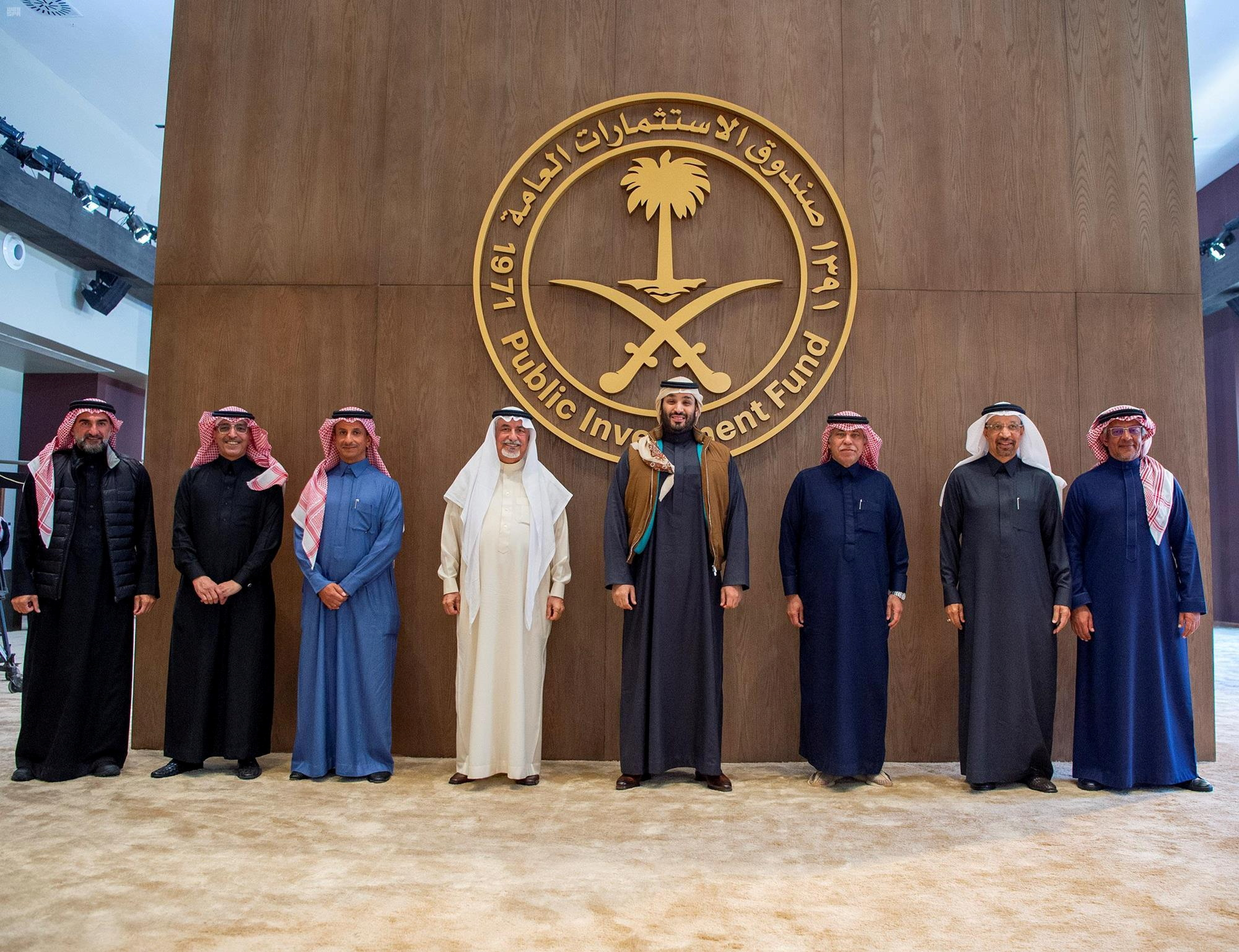
Saudi Arabia’s Public Investment Fund (PIF), one of the largest sovereign wealth funds globally, has allocated $5.2 billion of the $8.5 billion it raised through green bonds to finance environmentally focused projects by June 2024. This is a significant increase from the $1.3 billion allocated in the previous year, demonstrating the kingdom’s intensifying push toward sustainability.

A green bond is a financial instrument used to raise capital for projects with environmental benefits. The PIF made history in October 2022 as the first sovereign wealth fund to issue green bonds, with a follow-up issuance in February 2023. The fund, which manages $925 billion in assets, reported a capital expenditure requirement of $19.4 billion for “eligible green projects.”

Investment Areas and Goals

According to PIF’s Allocation and Impact Report, the funds have been primarily directed toward renewable energy, green buildings, and sustainable water management projects. These projects align with the United Nations Sustainable Development Goals (SDGs), reflecting Saudi Arabia’s commitment to environmental progress and international standards.

Saudi Arabia aims to reach net-zero greenhouse gas emissions by 2060. This goal is a key element of Crown Prince Mohammed bin Salman’s Vision 2030 plan, which seeks to modernize and diversify the kingdom’s economy, reducing its dependence on oil by investing heavily in green infrastructure.

Criticism and Challenges

Despite these efforts, the kingdom’s ambitious Vision 2030 plan has drawn criticism. Some question the environmental sustainability of mega-projects like Neom, a sprawling 10,200-square-mile futuristic urban development on the Red Sea. Critics argue that the high demand for construction materials and industrial processes could outweigh any potential environmental gains.

Philip Oldfield, a built environment expert at the University of New South Wales, expressed concerns in 2022, estimating that the construction of Neom could produce over 1.8 billion tons of embodied carbon dioxide, thus overshadowing its supposed environmental benefits.

Case Studies in Sustainability

The PIF’s report features several case studies to showcase its commitment to sustainability. One notable project is a water sustainability initiative in Neom that promises a “fully-circular system” designed to achieve water positivity. The plan includes 100% wastewater recapture and energy-neutral recycling, aligning with the kingdom’s broader goals for environmental stewardship.

Another major focus is on green hydrogen, a key technology in the global transition to cleaner energy sources. Neom Green Hydrogen, a joint venture with ACWA Power and Air Products, aims to become the world’s largest green hydrogen plant, operating solely on renewable energy. This project, still under development, is viewed by experts as a vital component of the global energy shift.

The PIF has provided either full or partial funding for these projects, though most are still in their early stages of completion.

Conclusion

Saudi Arabia’s sovereign wealth fund is playing a central role in financing the kingdom’s green transition. With $5.2 billion allocated toward green projects and more on the way, the PIF is pushing forward with its vision of a more sustainable future. However, questions remain about the environmental feasibility of some megaprojects like Neom, which must navigate the complexities of large-scale construction while aiming to contribute to global environmental goals.

Key Concerns for Global Markets in a Tight U.S. Election Race

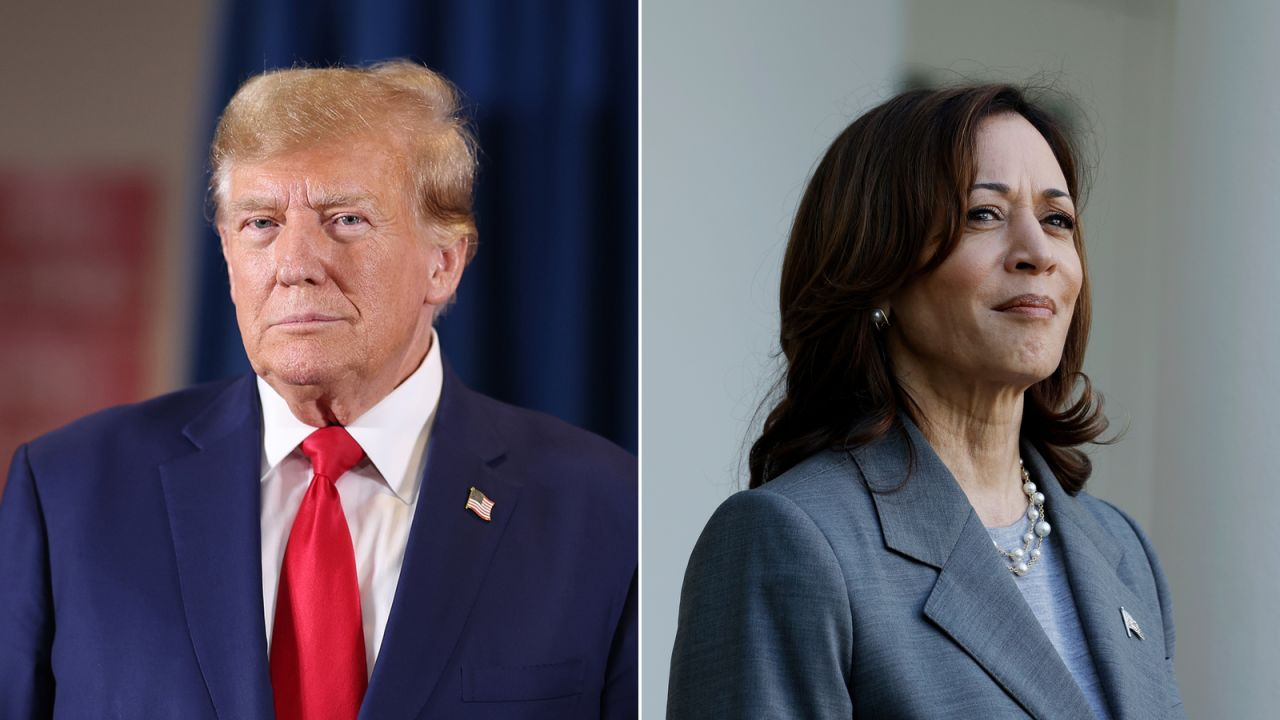
As the U.S. presidential election between Vice President Kamala Harris and former President Donald Trump approaches, global markets are closely watching the outcome. This election is poised to have significant impacts across regions and sectors, influencing trade, currencies, equities, and emerging markets. Below are some of the most important considerations for global markets:

1. European Markets and Trade Relations

A Trump victory could reignite trade tensions, particularly affecting European markets. German automakers like BMW and luxury goods manufacturers such as LVMH may face a challenging outlook if Trump imposes his proposed 10-20% tariffs on imports to the U.S. Barclays has warned that such tariffs could lead to a “high single-digit” percentage drop in European earnings, posing risks to export-heavy sectors.

On the other hand, a Harris win would be relatively more favorable for European equities, especially in sectors like renewable energy. Companies with significant U.S. projects, such as Orsted and Iberdrola, could see benefits from the U.S. push toward cleaner energy. However, Harris’ proposed corporate tax hike, from 21% to 28%, could impact profit margins for both American and European firms with U.S. exposure.

2. Impact on the War in Ukraine

The U.S. election outcome could have broad geopolitical implications, particularly regarding support for Ukraine in its war against Russia. Trump and some Republican lawmakers have voiced skepticism over continued U.S. funding for Ukraine, which could disrupt aid to the country. In contrast, the Democratic side, led by Harris, is likely to maintain or increase support for Ukraine. Aerospace and defense stocks, which have risen over 80% since the onset of the war in 2022, could be particularly sensitive to this issue.

3. Currency Market Movements

Currency markets are bracing for potential swings depending on the election result. Under a Trump presidency, higher tariffs would likely weigh down the euro, with the EUR/USD exchange rate potentially falling to $1.05. A Harris victory, by contrast, could push the euro above $1.15 as markets anticipate fewer disruptions to global trade.

Additionally, currencies tied to trade with China, such as the Australian and New Zealand dollars, could suffer under a Trump victory due to heightened tariffs. Sweden’s and Norway’s currencies may also be vulnerable to global trade disruptions, while the Canadian dollar might face headwinds if a Harris win leads to expectations of slower U.S. economic growth.

4. China and Global Trade Dynamics

China is a significant player in the global economy, and the U.S.-China relationship is central to world trade dynamics. A Trump win could lead to an escalation of trade wars, which would likely cause U.S. investors to further retreat from Chinese assets. Tariffs and sanctions on Chinese companies could be severe, with estimates suggesting a 60% tariff under Trump could cause Chinese stocks to drop by 13%.

Conversely, Harris is expected to take a more measured approach, with targeted tariffs rather than sweeping economic policies. If Beijing anticipates new U.S. tariffs, it may respond with increased state spending to counterbalance trade losses, potentially providing short-term relief to the Chinese economy.

5. Emerging Markets Under Pressure

Emerging market (EM) equities have been underperforming developed markets for much of the past decade, but they are now showing signs of recovery. Falling U.S. interest rates and easing inflation have created an environment conducive to EM growth. However, a Trump victory, accompanied by the resurgence of global tariffs, could suppress this optimism.

Mexico, given its strong trade ties with the U.S., stands to lose the most under Trump. The Mexican peso, already sensitive to U.S. election news, could face further pressure if Trump reintroduces aggressive trade policies. JPMorgan and UBS have cautioned against taking large positions in EM assets until the election risk passes, with UBS warning of potential 11% losses in EM equities by 2025 if Trump’s tariffs materialize.

Conclusion

The upcoming U.S. presidential election is pivotal for world markets, with the outcome likely to shape global trade, currency markets, and investor sentiment in significant ways. European markets may brace for renewed trade tensions under Trump, while a Harris victory would offer a steadier, more progressive path for global commerce. China remains at the heart of the U.S. trade conflict, with risks on both sides, and emerging markets, particularly those heavily reliant on trade with the U.S., face an uncertain future.