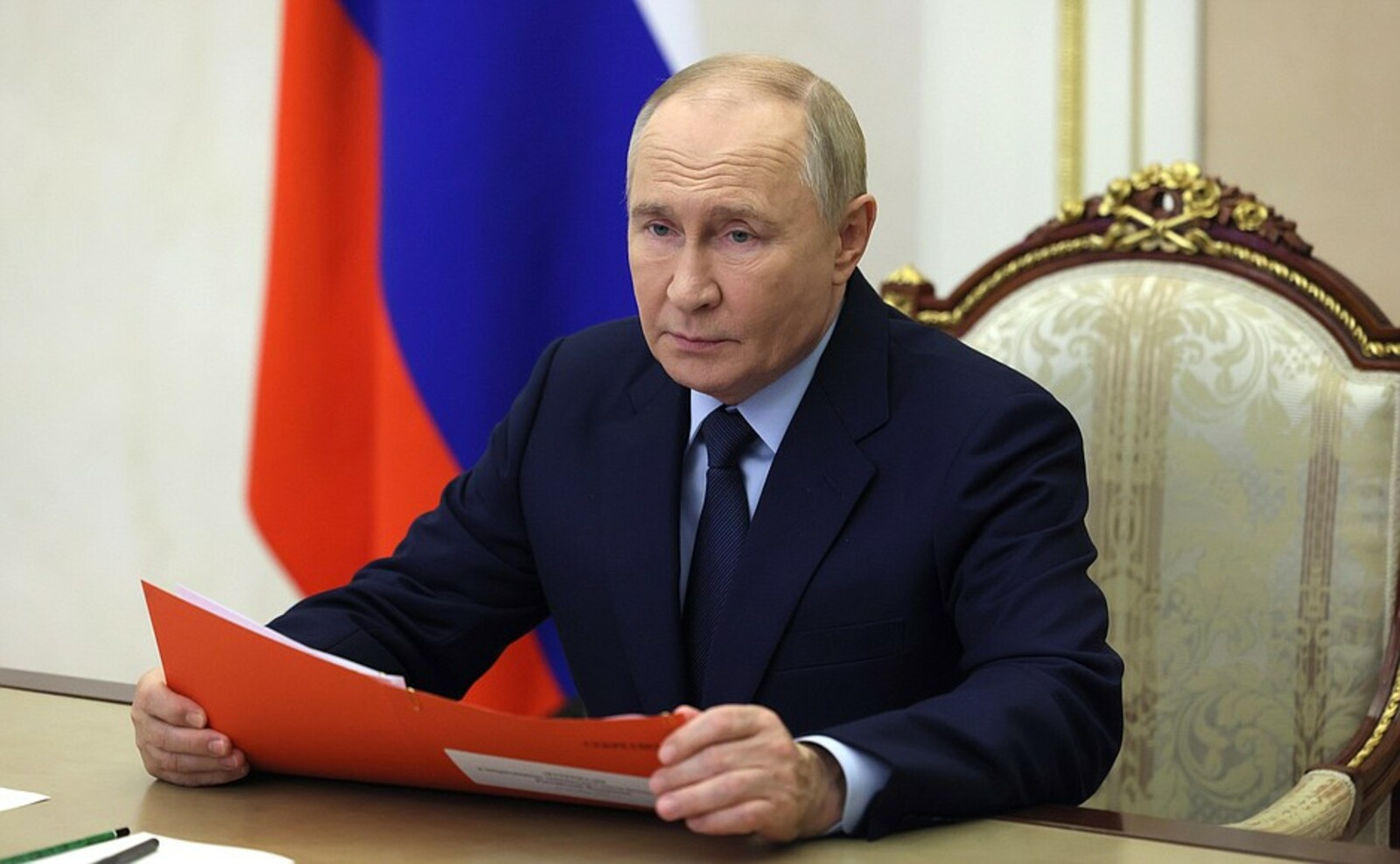
‘God Save the Tsar!’: Putin Celebrates 72nd Birthday Amid Ongoing War in Ukraine

Russian President Vladimir Putin, who has held power for nearly 25 years, celebrated his 72nd birthday on Monday, receiving early birthday wishes that underscore his dominant role in Russian politics. Among the first to offer congratulations was ultra-nationalist ideologue Alexander Dugin, who wished “God save the Tsar!” on his Telegram channel shortly after midnight.

Dugin, a vocal advocate for the creation of a vast new Russian empire encompassing Russian-speaking territories, including Ukraine, aligns with Putin’s vision of Russia’s resurgence on the global stage. His message of imperialistic revival resonates with Putin’s own nationalist rhetoric, especially as Russia’s war against Ukraine rages on.

Putin’s Enduring Grip on Power

Putin’s recent re-election in March with a post-Soviet record landslide victory further solidified his hold on power. If he completes his new six-year term, Putin will surpass the rule of any Russian leader in the past two centuries, extending beyond even the era of the tsars and empresses. His leadership style, shaped by his background as a former KGB agent, has positioned him as an authoritative figure both domestically and internationally.

Putin has justified Russia’s invasion of Ukraine in 2022 as part of a broader historical confrontation with the West. He argues that the West, especially after the Cold War, humiliated Russia by expanding its influence into former Soviet territories, undermining Moscow’s geopolitical power.

Reactions from Allies and Critics

The ultra-nationalist voices in Russia, such as Dugin and Ramzan Kadyrov, the leader of Chechnya and a staunch Putin ally, were quick to celebrate the president’s birthday. Kadyrov, who refers to himself as Putin’s “foot soldier,” highlighted the significance of the day for the nation, underscoring the loyalty of those in Putin’s inner circle.

However, outside of Russia, Putin’s leadership continues to face significant opposition. Ukrainian President Volodymyr Zelensky and Western leaders have condemned Putin’s re-election and his military actions. Zelensky labeled the March election as illegitimate, while Western nations view the war in Ukraine as an imperialist endeavor by Putin, aimed at expanding Russian influence through violent means.

The war has caused immense suffering, with thousands of Ukrainian civilians dead, cities reduced to rubble, and millions of people displaced. Despite this, Putin maintains that Russia’s military efforts are justified, presenting the conflict as a defensive stand against the decline and aggression of the West.

Putin’s Legacy and the Russian Empire

As Putin celebrates his 72nd birthday, his vision for Russia remains intertwined with a centuries-old desire for empire and global dominance. Dugin’s invocation of “God save the Tsar” reflects a growing narrative among Russian nationalists who see Putin as the modern embodiment of Russia’s imperial legacy. This ideology, driven by figures like Dugin, feeds into the war in Ukraine and broader Russian ambitions.

Putin’s ability to hold power for nearly a quarter of a century has made him a towering figure in contemporary Russian history, but his legacy is deeply contested. While celebrated by many within Russia for standing up to Western powers, he is reviled abroad as an autocrat whose policies have resulted in the deaths of thousands and the destruction of Ukraine.

As the conflict in Ukraine grinds on and Putin continues his reign, his birthday serves as a reminder of the deep divisions within and outside Russia over the direction of his leadership and the future of the region.
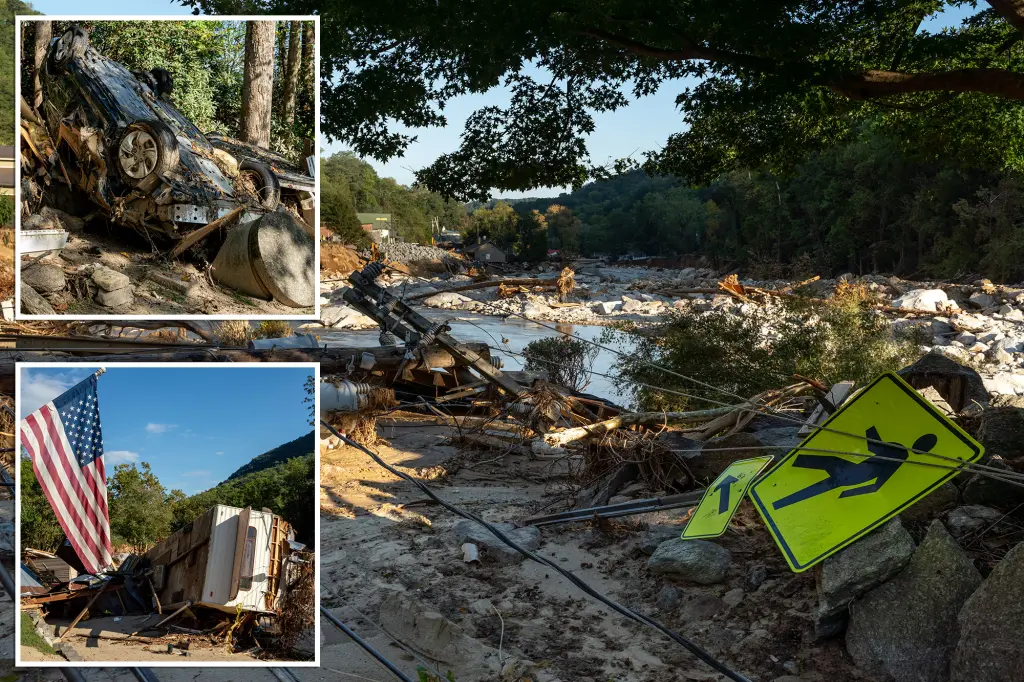
 

Florida Prepares for Massive Evacuation as Hurricane Milton Approaches, Still Recovering from Helene

Florida is bracing for its largest evacuation since 2017 as Hurricane Milton gathers strength in the Gulf of Mexico, threatening to make landfall on Wednesday along the state’s western coast. This comes on the heels of Hurricane Helene, which caused widespread devastation in northern Florida just days earlier.

Hurricane Milton intensified from a tropical storm to a Category 1 hurricane on Sunday and is projected to strike near the heavily populated Tampa Bay area as a major hurricane. According to the U.S. National Hurricane Center (NHC), Milton could escalate into a Category 4 storm, potentially causing widespread flooding and destruction.

As of Sunday evening, the hurricane was located about 780 miles west-southwest of Tampa, moving toward Florida at 7 mph (11 kph), with maximum sustained winds of 85 mph (140 km/h). A hurricane watch has also been issued for parts of Mexico’s Yucatan Peninsula.

Largest Evacuation Since Hurricane Irma

Kevin Guthrie, the director of Florida’s emergency management division, urged residents to prepare for what could be the largest evacuation since Hurricane Irma in 2017. “I highly encourage you to evacuate,” he said during a press conference, as officials stressed the severity of the impending storm.

Governor Ron DeSantis warned of potential storm surges, widespread power outages, and the likelihood that Milton could compound damage left by Helene. “There are some areas with a lot of debris that is there, so if you get hit with a major hurricane, what’s going to happen to that debris? It’s going to increase the damage dramatically,” DeSantis said.

In Pinellas County, which includes St. Petersburg, Sheriff Bob Gualtieri warned of mandatory evacuations likely to affect more than 500,000 people in low-lying areas. Emergency officials have already ordered the evacuation of six hospitals, 25 nursing homes, and 44 assisted living facilities, impacting 6,600 patients. Schools in the area will remain closed from Monday to Wednesday in anticipation of the storm.

Devastation from Hurricane Helene

The state is still reeling from the effects of Hurricane Helene, which made landfall on September 26, killing more than 200 people across six states and causing massive damage, particularly in North Carolina. Helene is now the deadliest storm to hit the U.S. mainland since Hurricane Katrina in 2005, which claimed nearly 1,400 lives. Helene’s economic damage is expected to reach billions of dollars.

Florida officials, still dealing with recovery from Helene, are facing additional challenges as Hurricane Milton approaches. “We already will be rebuilding for years because of Hurricane Helene, and that will be exacerbated by the impacts of this storm,” said St. Petersburg Mayor Ken Welch. “Milton is a powerful Cat 2 or Cat 3 hurricane headed directly for us.”

Federal Response and Aid

U.S. President Joe Biden has ordered another 500 active-duty troops to assist with recovery efforts in western North Carolina following Helene’s devastation, bringing the total number of active-duty troops to 1,500. The federal workforce of 7,000 people and 6,100 National Guard personnel are already deployed across impacted states.

The Biden administration has approved $137 million in federal aid for recovery from Helene, and more assistance is expected as Florida and other southern states prepare for the arrival of Hurricane Milton.

Florida’s emergency services are on high alert, and residents in the storm’s projected path are urged to take evacuation orders seriously. With two major hurricanes in quick succession, the state faces a critical test of its disaster preparedness and recovery capabilities.


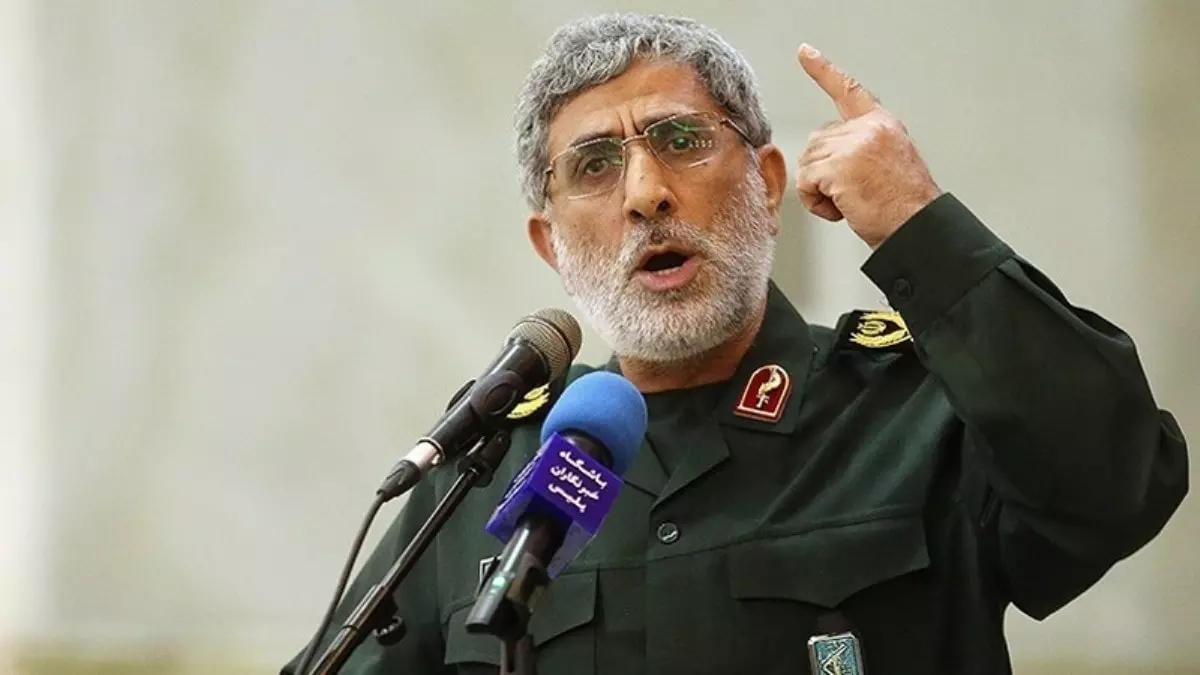
Quds Force Commander Missing After Beirut Strikes, Fate Unknown

Iran’s Quds Force commander, Esmail Qaani, has been missing since a series of Israeli airstrikes in Beirut, according to Iranian officials. Qaani, who traveled to Lebanon following the death of Hezbollah leader Sayyed Hassan Nasrallah in a previous Israeli strike, has not been heard from since Israeli forces targeted the Dahiyeh district late last week.

According to Reuters, two senior Iranian security officials confirmed that Qaani was in Beirut’s southern suburbs, known as Dahiyeh, during the attack but was not in a meeting with Hashem Safieddine, a senior Hezbollah official and potential successor to Nasrallah. Safieddine’s fate remains unclear, and Hezbollah has indicated that it will only make an announcement once their search efforts conclude.

Iran’s Islamic Revolutionary Guards Corps (IRGC), who named Qaani as the commander of the Quds Force after the 2020 assassination of Qassem Soleimani by a U.S. drone strike, have been unable to establish contact with him since the latest strikes. The Quds Force is responsible for managing Iran’s military and intelligence operations across the Middle East, including its coordination with Hezbollah.

Escalating Conflict and Missing Leaders

Israel has intensified its military operations in Dahiyeh, targeting Hezbollah and its leadership. While Israel has not confirmed Qaani’s presence in Beirut during the attacks, Israeli military spokesperson Lieutenant Colonel Nadav Shoshani acknowledged that the strikes targeted Hezbollah’s intelligence headquarters. The Israeli military is still assessing the results and has not ruled out that key figures, including Qaani, may have been killed.

Shoshani stated, “When we have more specific results from that strike, we will share it. There’s a lot of questions about who was there and who was not.”

Qaani’s mission in Beirut followed the September 27 airstrike that killed Nasrallah and Brigadier General Abbas Nilforoushan, another high-ranking member of the Iranian Revolutionary Guards. The strikes have fueled tensions between Israel and Hezbollah, with Israel continuing its operations against Iranian-backed forces in Lebanon.

Strategic Importance of the Quds Force

As the head of the Quds Force, Qaani oversees Iran’s support for militias and proxy forces throughout the region, including Hezbollah. His disappearance, alongside the loss of prominent figures like Nasrallah and Nilforoushan, would mark a significant blow to Iran’s influence and military capabilities in Lebanon.

Safieddine, who was seen as the likely successor to Nasrallah, was reportedly the target of the latest Israeli attack. His potential death would further complicate Hezbollah’s leadership structure, as the group faces internal uncertainty while under relentless pressure from Israel.

Ongoing Search Efforts

Hezbollah continues its search for Safieddine amid reports that Israel has hindered these efforts by maintaining a heavy military presence in the area. Despite the devastation caused by recent airstrikes, Hezbollah has not released any updates on Safieddine’s condition. His survival or demise could significantly impact the organization’s future direction and Iran’s continued influence in the region.

As Iran and Hezbollah navigate the aftermath of these attacks, the disappearance of Qaani and the leadership vacuum left by Nasrallah’s death have raised concerns about the future of Iran’s proxy operations in Lebanon.