Activist Starboard Value Takes $1 Billion Stake in Pfizer, Eyes Turnaround with Former Executives’ Help

Activist investor Starboard Value has acquired a $1 billion stake in Pfizer, aiming to initiate changes at the pharmaceutical giant amidst its financial struggles, according to sources familiar with the situation. While Starboard’s exact strategy remains unclear, they have reportedly sought the expertise of former Pfizer executives Ian Read (former CEO) and Frank D’Amelio (ex-finance chief) to assist with the company’s turnaround efforts.

Starboard, led by Jeff Smith, is reportedly concerned about Pfizer’s recent shift away from its traditionally disciplined approach to cost management and investment in novel drugs under current CEO Albert Bourla. Pfizer’s revenue and free cash flow surged during the Covid-19 pandemic due to its successful vaccine rollout, but its stock has since underperformed, with shares down approximately 30% compared to 2019 levels. This downturn is partly attributed to Pfizer’s aggressive acquisition strategy, with nearly $70 billion spent on mergers and acquisitions since 2020, some of which have been met with skepticism by analysts.

One controversial acquisition was Pfizer’s $5 billion purchase of Global Blood Therapeutics, a deal that included the sickle cell drug Oxbryta, which the company recently pulled after modest sales of $300 million last year. Pfizer has played down the financial impact of this move, but it has raised concerns about the returns from recent acquisitions.

Return to Disciplined Leadership?

Former CEO Ian Read, who led Pfizer from 2010 to 2019, is remembered for doubling the company’s share value during his tenure by instituting a cost- and core-focused culture. Read’s leadership came at a time when Pfizer faced significant challenges, and his strategy of disciplined cost management and targeted investments helped turn the company around. Starboard appears to be advocating for a return to such leadership principles, contrasting them with the current trajectory under Bourla, which has focused more on acquisitions.

In response to financial pressure, Pfizer has already initiated cost-cutting measures, launching a $4 billion cost-reduction program and later expanding these efforts. Despite these steps, more than $100 billion in shareholder value has been lost since the height of the pandemic, reflecting the company’s ongoing difficulties.

Starboard’s Broader Strategy

Starboard Value, known primarily for its focus on the technology sector, is expanding its influence into the pharmaceutical industry with this Pfizer stake. The firm has been active in recent campaigns against companies like Autodesk, Salesforce, and Match Group, as well as challenging News Corp’s dual-class share structure.

This move marks a significant shift for Starboard, as it seeks to bring its activist playbook to Pfizer, a company that has historically weathered various challenges but now faces questions about its post-pandemic future. Starboard’s involvement signals a possible push for further restructuring at Pfizer, though the exact plans are yet to unfold.
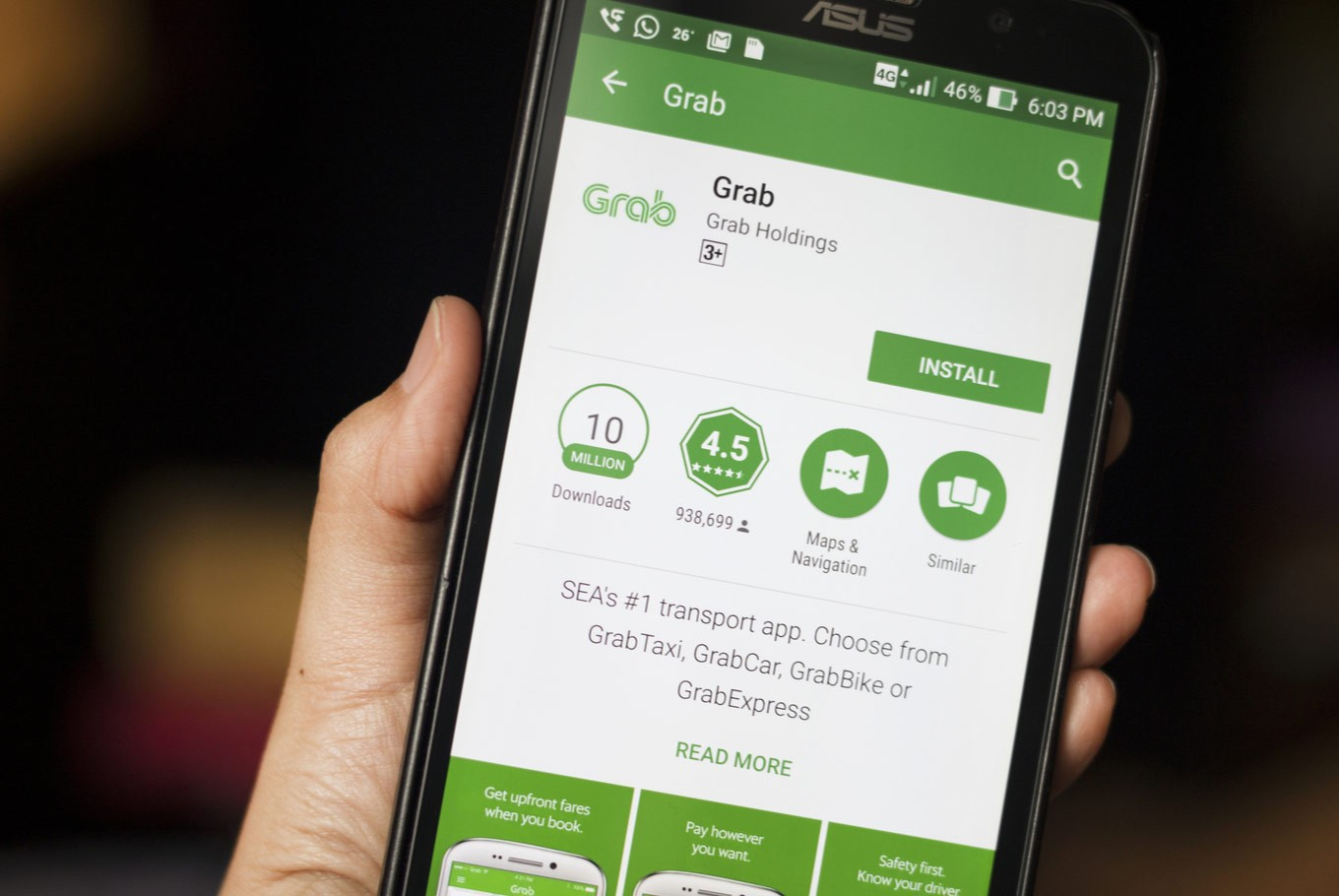

 

How I Built a $2 Billion Super App: The Journey of Grab’s Anthony Tan and ’20-Hour’ Workdays

Anthony Tan didn’t need to build a business to become wealthy, having grown up in one of Malaysia’s richest families. But his ambition to make a societal impact led him to co-found Grab, now a dominant super app in Southeast Asia, generating over $2 billion in annual revenue by 2023. From humble beginnings, Grab now offers services ranging from ride-hailing to food delivery, financial services, and beyond, transforming daily life for millions across the region.

From Elite to Entrepreneur

Born into one of Malaysia’s wealthiest families, Anthony Tan’s father, Tan Heng Chew, is the president of Tan Chong Motor, an automotive giant in Malaysia. Despite the easy path laid out for him in the family business, Tan was driven by a different mission. “I was on a mission to create something that could be a force for good,” Tan recalled. That mission would eventually lead to the founding of Grab, a platform that now serves over 35 million customers and provides gig jobs to 13 million workers across eight countries in Southeast Asia.

A Harvard Idea Born from a Problem

The idea for Grab was sparked while Tan was studying at Harvard Business School in 2009, where he met his co-founder Hooi Ling Tan. The two bonded over their shared Malaysian roots and a common frustration with the unsafe taxi system in Malaysia, particularly for women. They saw an opportunity to tackle this issue and began working on a business plan.

In 2011, their business plan won first runner-up at a startup contest, netting them $25,000 in seed money, which they used to launch what would later become Grab, initially called MyTeksi.

Overcoming Resistance

Despite his vision, Tan faced resistance from his family. When he pitched his idea to his father, it was rejected. “My father said, ‘I don’t think it’s going to work out, so please don’t disturb me about this anymore,’” Tan shared. However, with perseverance, he refined his pitch and took it to his mother, who became his first individual investor. Tan also invested all of his savings to officially launch MyTeksi in 2012.

Early Struggles and ’20-Hour’ Workdays

The first few years of running the business were far from glamorous. The company’s first office, located in Kuala Lumpur, lacked basic amenities like air conditioning, ventilation, and WiFi. “We had to tether from our mobile phones,” Tan recalled.

Convincing taxi drivers to join the platform was a significant challenge, especially with limited funds. To get drivers on board, Tan traveled across Southeast Asia, waking up at 4 a.m. to hand out free coffee to taxi drivers in places like Ho Chi Minh City, Vietnam, and spending time with drivers over cheap beer to understand their challenges. This relentless effort resulted in 20-hour workdays, seven days a week, as Tan flew between two or three cities each week, building the business from the ground up.

Grab’s Dominance and Uber’s Exit

In 2018, Grab cemented its dominance in Southeast Asia by acquiring Uber’s Southeast Asia business in exchange for a 27.5% stake in Grab. This deal not only removed Grab’s biggest competitor in the region but also added Uber’s CEO, Dara Khosrowshahi, to Grab’s board of directors.

However, Grab’s rise has not been without controversy. The company has faced antitrust allegations from regulators who claim Grab’s dominance has led to anti-competitive practices. Despite these challenges, Grab has continued to expand its services and influence.

Impact on Southeast Asia

Grab’s impact extends beyond transportation. It has helped build new economic infrastructure in Southeast Asia, empowering individuals with access to micro-financing programs that enable them to purchase smartphones and become Grab drivers. This initiative has been particularly effective in helping those “at the bottom of the pyramid,” providing new job opportunities and income streams.

During a meeting with former Philippine President Ferdinand Marcos, Tan was reminded of Grab’s broader impact: “[Grab] literally changed the unemployment numbers nationally.” Today, the super app continues to reshape how people across Southeast Asia access essential services, from transportation to digital banking.

A Mission of Service

For Tan, Grab’s success lies in its focus on solving real problems for underserved communities. “It’s all about really helping them, serving them as an ecosystem that nobody else can,” he said. This mission has driven Grab’s transformation from a small startup into a $14 billion company, backed by investors like SoftBank.

Tan’s journey exemplifies the power of perseverance, creativity, and a relentless work ethic, proving that even the wealthiest backgrounds can serve as a foundation for building something far greater—a company that changes lives and drives economic progress across an entire region.


European Markets Set to Maintain Positive Momentum into New Trading Week

European stock markets are expected to continue their upward trajectory as the new trading week begins, following strong gains in both Asia overnight and Wall Street’s rally last Friday. Positive sentiment is being driven by a combination of encouraging economic data and strong performances across global markets.

Indices across Europe are poised to open higher, with U.K.’s FTSE 100 predicted to rise by 27 points to 8,360, Germany’s DAX up 75 points to 19,196, France’s CAC 40 adding 31 points to 7,578, and Italy’s FTSE MIB set to climb 1 point to 33,594, according to data from IG.

Boost from U.S. Jobs Report

The strong momentum in European markets stems partly from last week’s U.S. nonfarm payrolls report, which revealed that the U.S. economy added 254,000 jobs in September, well above the 150,000 jobs predicted by economists polled by Dow Jones. This positive news from the U.S. labor market reinforced confidence that the Federal Reserve may achieve a “soft landing” for the U.S. economy, avoiding a sharp economic downturn while managing inflation. The optimism carried through to European stocks, with investors hopeful that stronger-than-expected U.S. data will support global economic stability.

Asia-Pacific Markets Lead the Charge

Asia-Pacific markets also posted notable gains overnight, led by Japan’s Nikkei 225, which surged nearly 2% as investors anticipated a busy week of central bank announcements. Major banks, including the Bank of Korea, the Reserve Bank of New Zealand, and the Reserve Bank of India, are set to make decisions that could influence market conditions in the region.

Calm Start for U.S. Stock Futures

On Sunday evening, U.S. stock futures were calm as investors prepared for the week ahead. Following Friday’s rally, which was driven by the robust jobs report, Wall Street looks to maintain its positive momentum. Investors are keenly watching for more indications that the Fed might navigate the economy through inflation without causing a severe recession.

Key Data Releases in Europe

In terms of economic data, the U.K. will release its Halifax House Price Index on Monday, which will provide insights into the state of the British housing market. Meanwhile, European retail sales data is also due, offering a snapshot of consumer spending trends across the continent.

As Europe enters the new trading week, market sentiment remains buoyant, with optimism surrounding global economic stability and confidence in the ability of central banks to steer their economies through the complex challenges ahead.