
Mars Loses Water Faster Near the Sun, Study by Hubble and MAVEN Reveals
Mars’ Water Loss Accelerates Near the Sun, Hubble and MAVEN Reveal Seasonal Orbit Effects Devamını Oku

Mars’ Water Loss Accelerates Near the Sun, Hubble and MAVEN Reveal Seasonal Orbit Effects Devamını Oku
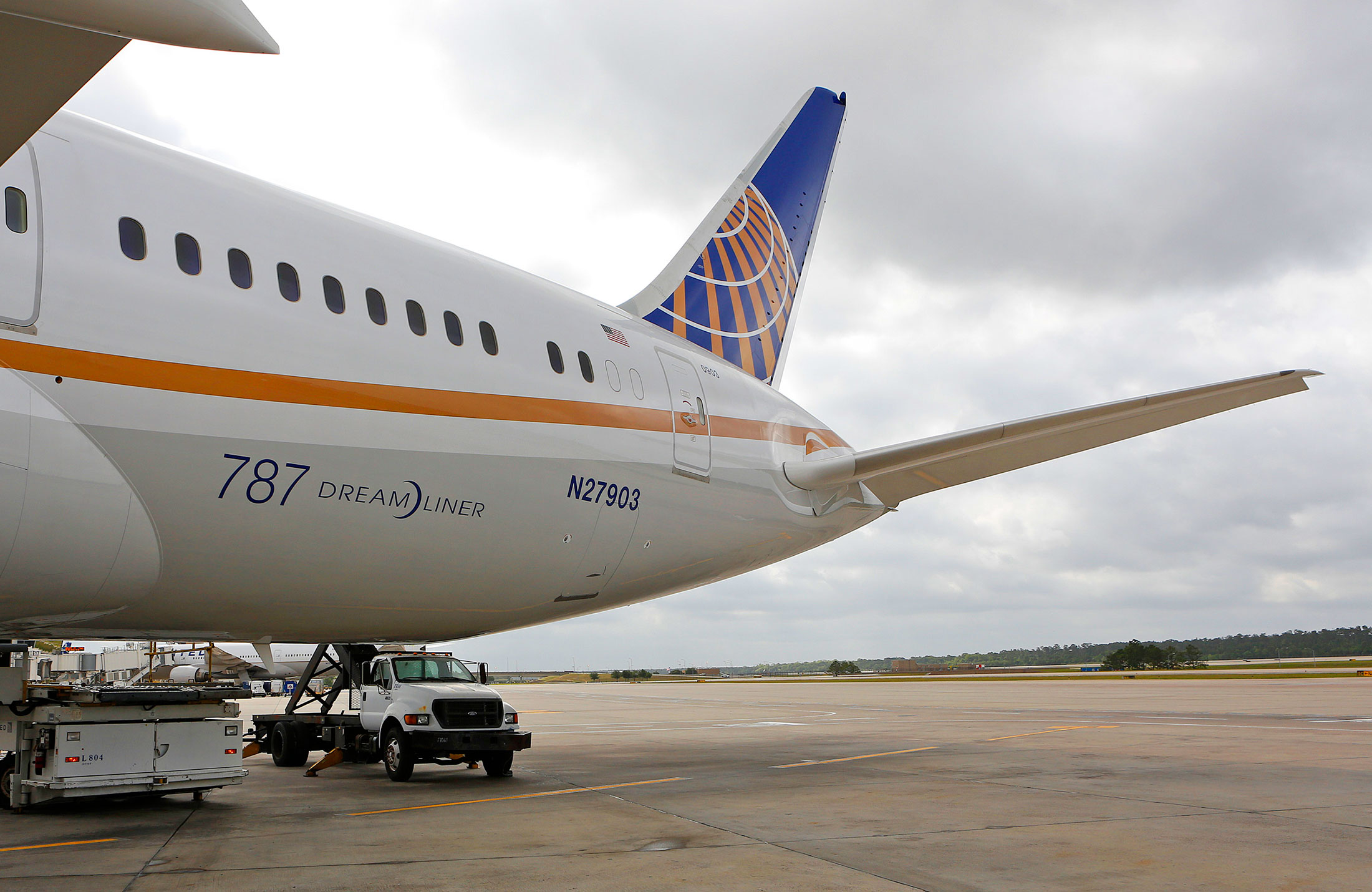
Airlines are exploring innovative ways to reduce time spent on the tarmac, with new technologies aimed at improving gate allocation. This seemingly simple task involves a complex calculation that can drastically affect aircraft taxi times, airport congestion, and even fuel emissions. According to Dr. Joseph Doetsch, quantum computing lead at Lufthansa Industry Solutions, the number of possible gate configurations is staggering, with more than 570 billion possibilities for 15 gates and 10 airplanes. Optimizing gate allocation can help ensure that travelers spend less time waiting and help airlines reduce their environmental impact.
Traditionally, gate assignments are made well in advance, often up to a year before a flight. However, final gate decisions are revisited closer to the actual travel date, with adjustments made on the day of the flight to account for delays, changing traffic conditions, and a host of other factors.
Gate allocation requires balancing numerous priorities. As George Richardson, co-founder of AeroCloud, notes, certain airlines might prioritize gates close to their lounges or facilities, while budget carriers may opt for more cost-effective remote stands. Other considerations include flight connections, aircraft size, and the expected runway assignment. Delayed flights can add further complexity, forcing last-minute reassignment of gates and occasionally leading to flight cancellations.
Despite the complexity, many airports still rely on manual systems to manage this process. In a survey conducted by AeroCloud, 40% of airport executives admitted to using basic tools like Excel and Word documents for gate management.
Airlines are beginning to invest in more advanced solutions to streamline gate allocation. For instance, American Airlines introduced Smart Gating at Dallas Fort Worth International Airport. This system uses machine learning to assign arriving aircraft to the nearest available gate, minimizing taxi times. The new process, which used to take around four hours, now takes just 10 minutes and has reduced aircraft taxi times by 20%, saving about 1.4 million gallons of jet fuel annually.
Lufthansa Industry Solutions is pushing the envelope further with quantum computing. This cutting-edge technology, which uses quibits to solve complex problems much faster than traditional computers, could revolutionize gate allocation. Dr. Doetsch believes quantum computing can offer real-time, optimal solutions even as external factors change. Early trials have shown that quantum algorithms could reduce passenger transit times by nearly 50%. Although still in its early stages, quantum computing could significantly enhance airport efficiency and reduce the need for physical airport expansion.
As global airports face increasing pressure on their capacity, advanced technologies like machine learning and quantum computing may be key to maximizing existing resources and improving the overall travel experience.
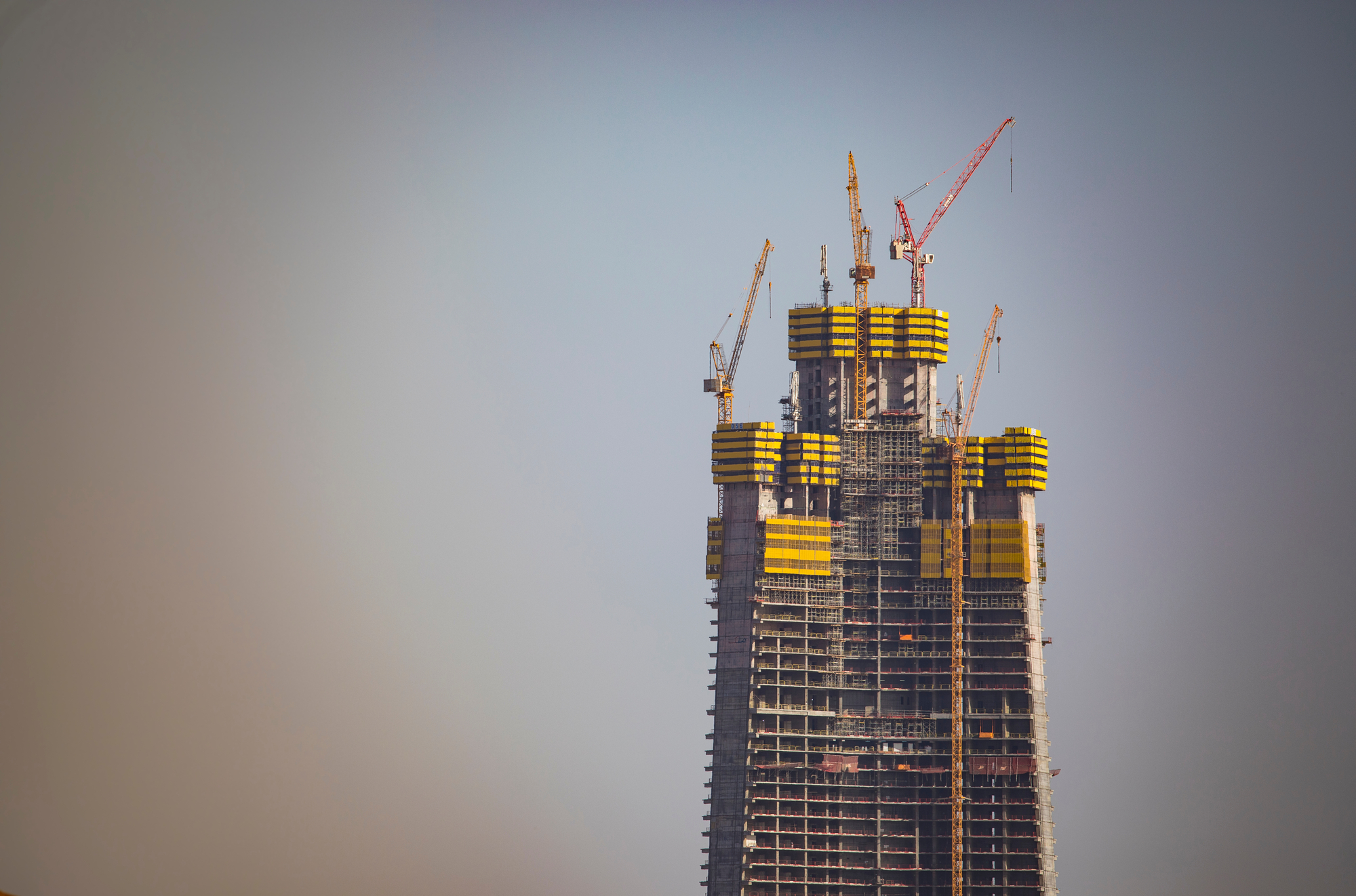
Construction on Jeddah Tower, set to become the world’s tallest skyscraper, has resumed after a seven-year hiatus, with the project now expected to be completed by 2028. The tower, located in Jeddah, Saudi Arabia, was originally halted due to a kingdom-wide anti-corruption purge in 2017 that targeted high-profile figures involved in the project.
At a ceremony held this week, the Jeddah Economic Company (JEC), the development consortium overseeing the project, confirmed that construction is back on track. The 1,000-meter-tall (3,280 feet) tower was one-third complete before work stopped, with 63 of the planned 157 stories built. The project, which had its groundbreaking in 2013, aims to surpass the Burj Khalifa in Dubai, currently the tallest building in the world at 828 meters (2,717 feet).
The tower’s construction was disrupted after several key figures connected to the project were implicated in Crown Prince Mohammed bin Salman’s anti-corruption drive. Among those detained were Prince Alwaleed bin Talal, chairman of Kingdom Holding Company, a major backer of the tower, and Bakr bin Laden, chairman of the Saudi Binladen Group, the project’s main contractor. Both individuals have since been released, with Bakr bin Laden’s family firm re-hired to complete the skyscraper.
The Covid-19 pandemic further delayed the resumption of work. However, satellite imagery in recent months indicated that preliminary construction had quietly resumed, leading to the official restart announcement.
Designed by Adrian Smith, the US architect behind the Burj Khalifa, the tower features a three-petal footprint and a tapered, aerodynamic structure meant to overcome the challenges of extreme height. The design evokes “a bundle of leaves shooting up from the ground,” according to Adrian Smith + Gordon Gill Architecture, the firm responsible for the project.
The skyscraper will serve as the centerpiece of a larger development called Jeddah Economic City, a 57-million-square-foot, $20-billion complex featuring residential, office, and retail spaces. It is also expected to house a hotel, a shopping mall, and the world’s highest observation deck. The tower will feature 59 elevators in one of the world’s most sophisticated elevator systems.
Jeddah Tower is a key element of Saudi Arabia’s broader plans to position itself as a global economic hub. JEC’s Hisham Jomah, who was involved in the early stages of the project, described it as a shift in the mindset of Jeddah, traditionally seen as a gateway city to Mecca and Medina. The tower is part of the kingdom’s strategy to modernize and diversify its economy under Crown Prince Mohammed bin Salman’s Vision 2030.
Although the project has faced significant delays, officials and developers are optimistic that its completion will have a transformative impact on the region.