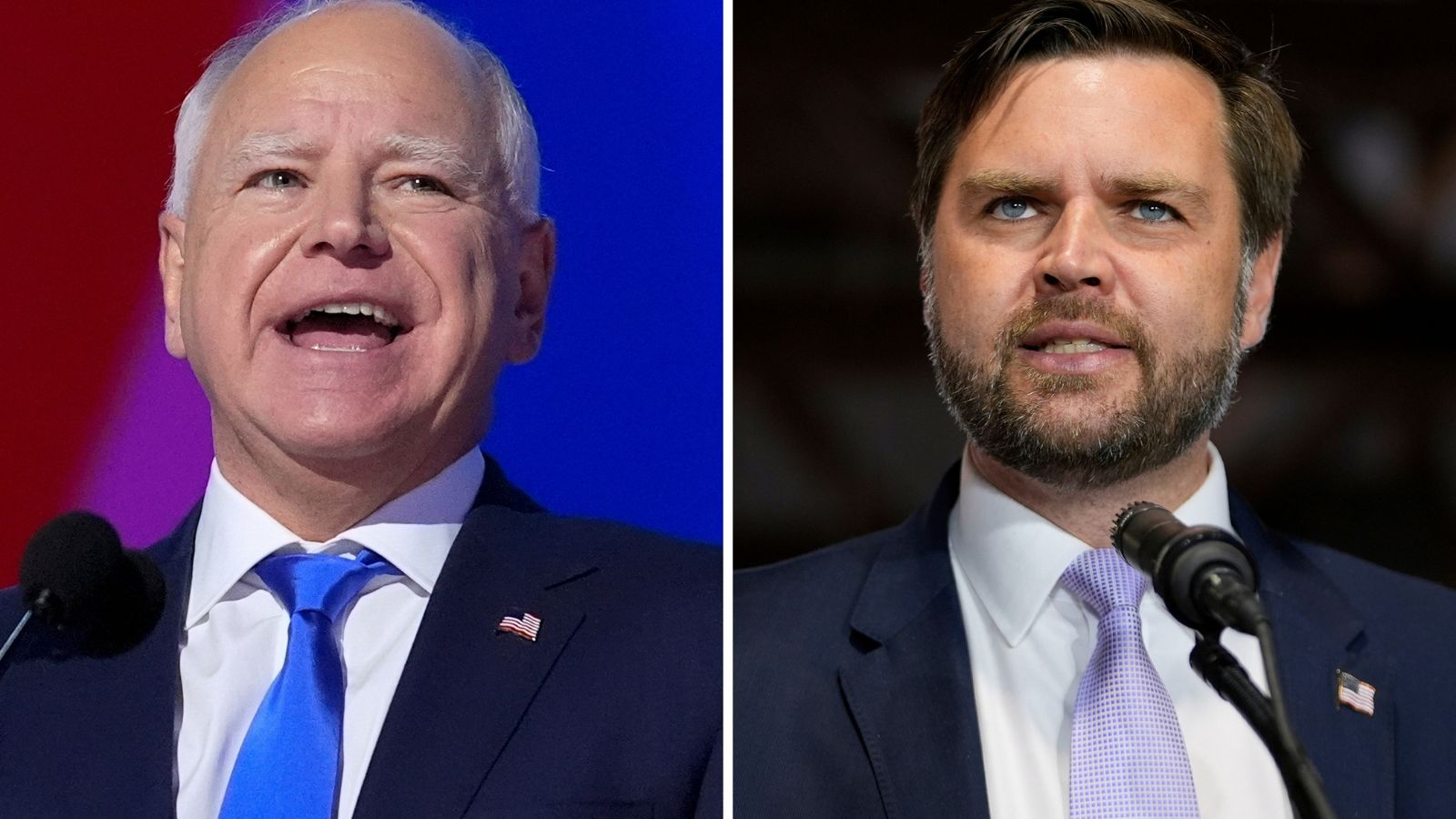
5 Things to Watch for at the Vice Presidential Debate

The highly anticipated vice presidential debate between Democrat Tim Walz and Republican JD Vance is set to take place Tuesday night. As the only debate between the vice presidential candidates for the 2024 election, this face-off could be the last time the two campaigns clash onstage. Hosted by CBS News in New York without a live audience, the debate is expected to be intense as both candidates look to reinforce their ticket’s message. Here are five key things to watch for:

1. The Coach vs. The Ex-Pundit Walz and Vance both come from Middle America and have well-crafted political personas. Walz, the 60-year-old Minnesota governor, brings his background as a high school teacher and assistant football coach to the debate stage, emphasizing his grassroots appeal. Vance, a 40-year-old Ohio senator, is a Marine veteran and author of a best-selling memoir about Appalachian family values. He’s likely to highlight his journey from Trump critic to supporter. Both will attempt to connect with voters in swing states by showcasing their authenticity and Middle America roots.

2. Abortion and Family Issues Expect abortion rights to be a key issue during the debate. Walz, representing the Democratic stance, has framed the debate around personal freedom and reproductive rights. Vance, who has taken a more conservative stance on abortion, has portrayed Walz as extreme on the issue, particularly attacking Walz’s signing of a law in Minnesota that allows late-term abortions. This will likely be a heated point of contention as both candidates try to appeal to women and young voters.

3. Which Version of Walz Will Show Up? Walz rose to national attention with sharp criticisms of Trump and his allies, branding them as “weird” in TV interviews. However, since being selected as Kamala Harris’ running mate, he has been relatively quiet. Whether he takes a more aggressive or restrained approach in the debate will be crucial in determining his effectiveness. Will he channel the energy that brought him to the ticket, or will he play it safe in front of a national audience?

4. Walz’s Military Record Under Scrutiny Vance has previously attacked Walz’s military service, accusing him of overstating his record and trying to avoid combat during his time in the Minnesota National Guard. Walz has admitted to misspeaking but insists he never falsely claimed to have been in combat. Vance is expected to continue pressing this issue, potentially forcing Walz to defend his record onstage.

5. Vance and the Springfield, Ohio Controversy Vance and Trump have faced criticism for making unsubstantiated claims about immigrants in Springfield, Ohio, accusing Haitian migrants of abducting pets. While these claims have been debunked, Vance has doubled down on the rhetoric, framing it as a broader critique of the Biden administration’s immigration policies. Expect Walz to bring up Vance’s controversial statements in an attempt to discredit him, while Vance will likely use it to keep immigration front and center in the debate.

 

Coldplay Tickets Resold for $11,000 in India, Sparking Outrage and Police Investigation

Fans in India were left outraged after tickets for Coldplay’s upcoming concerts in Mumbai sold out within minutes, only to reappear on resale platforms for as much as $11,000. The British rock band, returning to India for the first time since 2016 with their Music Of The Spheres tour, is set to perform three shows in January. However, many fans were unable to secure tickets due to overwhelming demand and alleged use of bots, leaving the official vendor, BookMyShow (BMS), under scrutiny.

Tickets went on sale on September 22 at noon, with prices ranging from $30 to $417. However, the BMS website and app reportedly crashed, and when fans managed to join the virtual queue, they found themselves competing with hundreds of thousands of others. Tickets sold out rapidly, and soon appeared on resale platforms for exorbitant prices of up to 960,000 rupees ($11,458), sparking accusations of fraud and unfair ticket distribution.

Amit Vyas, a lawyer based in Mumbai, filed a complaint with the police, accusing the ticketing platform of facilitating scalping and enabling tickets to be resold at inflated prices. On Monday, the CEO of BookMyShow, Ashish Hemjarani, was summoned by Mumbai police’s Economic Offences Wing for questioning regarding the alleged black market resale of tickets. BMS issued a statement disassociating itself from any resellers and announced that they had filed their own complaint with authorities against the sale of fake tickets.

Frustrated fans, including 26-year-old journalist Arkatapa Basu and 22-year-old engineering student Ishaan Jhamb, shared their disappointment. Some fans gave up on purchasing tickets after facing massive virtual queues, while others considered alternative concert venues abroad due to the inflated resale prices in India. Jhamb and his friends decided to fly to Abu Dhabi to watch the band, as it was more affordable than paying the steep resale prices in Mumbai.

The fiasco is part of a broader global issue with ticket-buying for major events. Similar criticism has been levied against platforms like Ticketmaster, particularly during high-demand events like Taylor Swift’s Eras Tour, raising questions about dynamic pricing and the role of resellers in inflating prices.


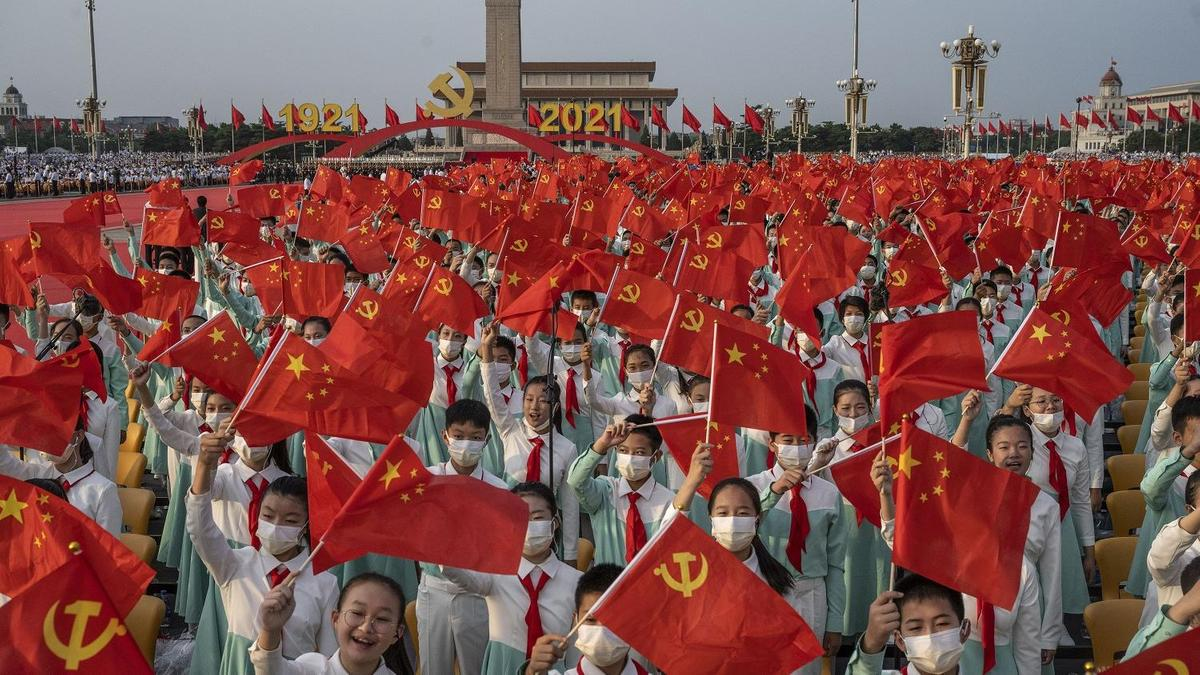
Communist China Celebrates 75th Anniversary Amid Economic Struggles

As China celebrates its 75th anniversary, the mood across the country remains somber despite a sudden stock market surge. Over the past year, China’s economy has faced persistent challenges: rising unemployment among youth, salary cuts, a shrinking middle-class, and a collapsing housing market. Many fear the country may be entering its own “garbage time of history,” a reference to a basketball game’s unwinnable final moments. This pessimism starkly contrasts with the optimism from just five years ago, when many expected China to soon surpass the U.S. as the world’s largest economy.

In an effort to regain momentum, Chinese leader Xi Jinping has recently approved stimulus measures aimed at reviving the economy. The government announced cash handouts, employment subsidies, and measures to encourage lending, resulting in a stock market surge. Yet, experts caution that these short-term measures are insufficient to address the country’s deeper structural problems, including its reliance on an investment-led growth model, an oversaturated housing market, and a shrinking workforce.

The housing market, which accounts for 70% of household wealth, has been particularly devastating. Despite easing restrictions on home purchases, property prices continue to fall, leaving many households with significant losses. Adding to the challenges, China’s population has been shrinking for two years, further dampening demand in the real estate sector.

China’s youth are especially disillusioned, with buzzwords like “lying flat” and “letting it rot” reflecting growing resistance to societal pressures. Youth unemployment hit a record 18.8%, and many young people see limited prospects for upward mobility. This presents a challenge for the Communist Party, which has long relied on economic growth for its legitimacy.

Despite these hurdles, China’s stock market is experiencing a sudden rebound. However, analysts warn that the real economy remains fragile. Stimulating the stock market may temporarily boost sentiment, but fundamental reforms, including more robust social welfare and efforts to shift toward a consumption-led economy, are necessary to sustain long-term growth.