
Thom Yorke Walks Off Stage After Heckling by Pro-Palestinian Protester

Thom Yorke, lead singer of Radiohead, abruptly left the stage during a solo concert in Melbourne, Australia, on Wednesday after being heckled by a pro-Palestinian protester. The incident took place at the Sidney Myer Music Bowl, where a concert-goer shouted about the escalating death toll in Gaza and accused the Israeli government of committing genocide.

The Incident

Video footage shared on social media captured the tense exchange, with the protester questioning Yorke, “How could you be silent” regarding the ongoing conflict. In response, Yorke invited the individual to join him on stage, stating, “Come up here and say that. Right here. Come on. Come up on the fking stage and say what you want to say.**”

Yorke continued to challenge the heckler, saying, “Don’t stand there like a coward. Come here and say it. You want to piss on everybody’s night? Come on,” before ultimately deciding to leave the stage. However, he returned shortly afterward to perform Radiohead’s classic hit “Karma Police.”

Background on Controversies

This isn’t the first time Yorke and Radiohead have faced scrutiny over their stance on the Israel-Palestine conflict. In 2017, the Boycott, Divestment, Sanctions (BDS) movement urged the band to boycott Israel following concerns about its actions in the West Bank and East Jerusalem. Activists, including Radiohead Fans for Palestine, wrote open letters imploring the band to reconsider their plans to perform in Israel, citing the treatment of Palestinians.

In response to these calls, Yorke defended the band’s decision, stating that “playing in a country is not the same as endorsing its government” and emphasized that music is about “crossing borders, not building them.

Venue Response

CNN has reached out to Arts Centre Melbourne, the venue hosting the concert, for a comment regarding the incident.
 

New Research Suggests England’s Last ‘Witch’ May Have Escaped Execution

Recent research indicates that Alice Molland, long recognized as the last woman hanged for witchcraft in England in 1685, may have actually escaped execution and lived for several more years. Up to 60,000 alleged witches were executed across Europe during the 1600s and 1700s, with countless others put on trial.

The Discovery

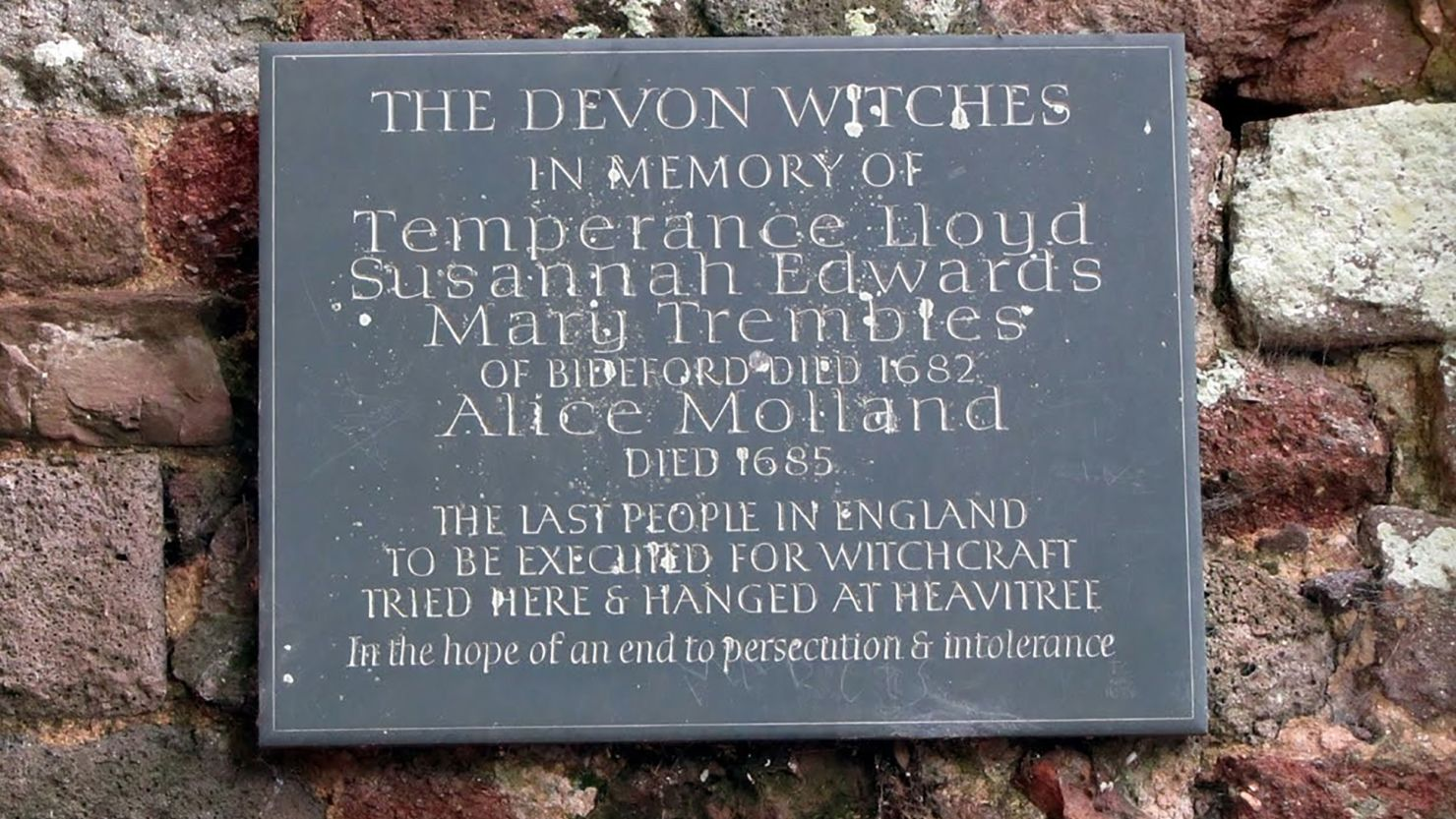
Historian Mark Stoyle from the University of Southampton has spent a decade sifting through archives, suggesting that the woman convicted might have been Avis Molland instead of Alice. If Stoyle’s hypothesis is correct, it would mean that England ceased executing witches three years earlier than previously thought, shifting the record to the Bideford Three—Temperance Lloyd, Mary Trembles, and Susannah Edwards—who were executed in 1682.

Court records show that Alice was condemned for “witchcraft on the bodyes of Joane Snell, Wilmott Snell and Agnes Furze” in March 1685. The only evidence of her conviction was her death sentence, marked with a wheel symbol and the word “susp[enditur].” Stoyle argues that a clerical error might have led to the confusion in names, and a 2013 discovery revealed a reference to Avis Molland, suggesting she was imprisoned just months after Alice’s sentencing.

The Life of Avis Molland

Born Avis Macey, Avis was part of Exeter’s underclass and had already faced legal troubles. In 1667, she and her husband were charged with encouraging a child to steal tobacco, although the case was dismissed. After becoming a widow, Avis surfaced in court records in June 1685, providing information about potential rebellion during the Duke of Monmouth’s uprising. Stoyle speculates that as the prison filled with political detainees, she may have been spared from execution.

Records indicate that Avis lived for another eight years, passing away and being buried in St. David’s church cemetery in Exeter.

Witch Hunts and Their Impact

The witch hunts of this era primarily targeted women who were perceived as different, often the elderly, single, or disabled. Stoyle notes that these accusations were rooted in societal paranoia, particularly against Catholics during the reign of Henry VIII and Elizabeth I. Historians estimate that at least 500 witches were executed in England from 1542 to 1735, with some estimates suggesting the number could be as high as 1,000.

In a broader context, these trials were prevalent not just in England but also in Scotland, which executed around 2,500 witches, and North America, most famously during the Salem witch trials, where 19 were executed.

Recognition and Justice

Campaigns for justice for the victims of these witch trials are ongoing. Charlotte Meredith, from the advocacy group Justice for Witches, argues that victims deserve posthumous pardons to acknowledge the miscarriages of justice they faced. John Worland, a retired police inspector, has dedicated years to uncovering the stories of those executed for witchcraft, particularly in Essex, where 82 were executed.

Stoyle plans to publish his findings in the upcoming issue of The Historian and reflects on the importance of bringing Avis Molland’s story to light, asserting that even if he is wrong about the connection to Alice, the work has revived awareness of her plight.

Diverging Opinions

However, some remain skeptical of Stoyle’s findings. Judy Molland, who played a pivotal role in erecting a plaque to commemorate the four Devon women executed for witchcraft, firmly believes in the existence of Alice. Despite the compelling research, she contends that there must have been a woman named Alice who faced accusations of witchcraft, illustrating the broader narrative of the countless women unjustly persecuted during this dark chapter in history.


Innovative Butcher Proposes Sausage Solution to Germany’s Raccoon Problem

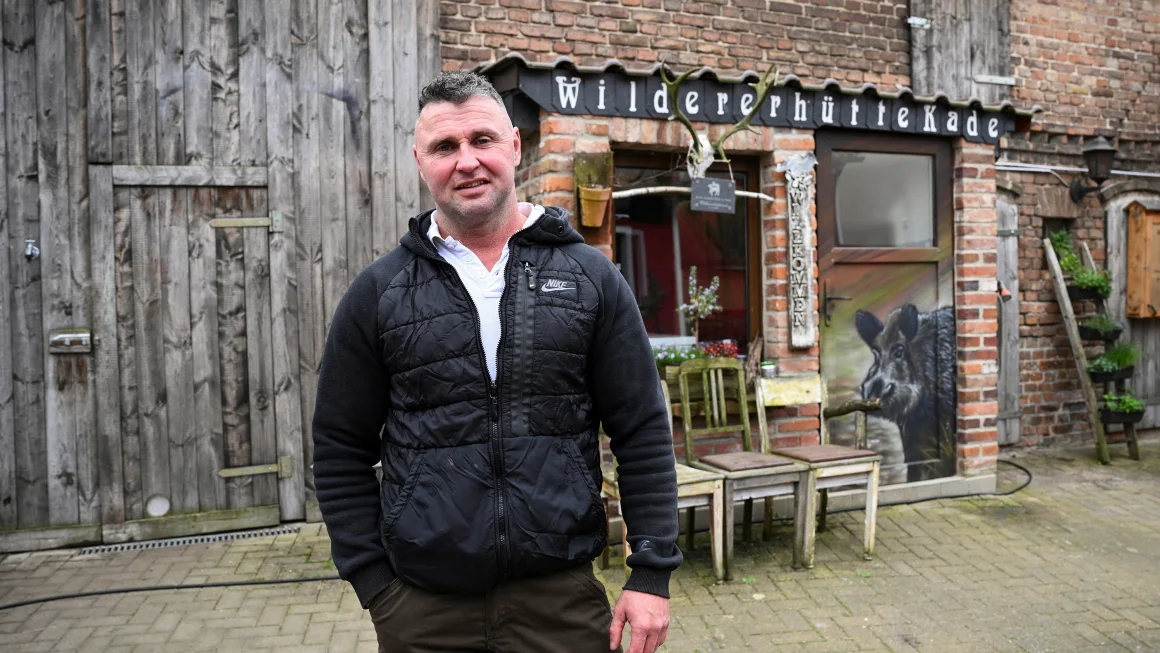
In northeast Germany, a butcher has devised an innovative approach to combat the nation’s burgeoning raccoon population: transforming them into sausages and other meat products. Michael Reiss, a hunter who opened a butcher shop named Wildererhütte in Kade—about 90 kilometers (60 miles) west of Berlin—came up with the idea after contemplating a unique offering for the Green Week international food fair.

The Concept

Recognizing that raccoons killed as pests are often discarded, Reiss sought approval from local authorities to process the animals into food. After receiving the green light, he began producing “raccoon balls,” a type of meatball that quickly gained popularity at the fair and in his shop. Today, Reiss offers a range of seven raccoon meat products, including salami, and claims to be the only seller of raccoon meat in Europe.

People come from all over, sometimes driving 150 kilometers (93 miles) to my store to try raccoon,” Reiss told CNN. He adds that the product is generally well received, stating, “I’ve never had anyone say it’s disgusting or that you can’t eat it. Honestly, everyone likes it.”

Taste and Appeal

For those curious about the taste, Reiss describes it as “not too dissimilar to other meats,” with a slightly softer texture. He suggests that while two sausages may reveal the raccoon flavor, those unaware would find it difficult to distinguish.

The Raccoon Problem

Reiss’s venture serves a dual purpose, addressing both culinary curiosity and an ecological issue. Raccoons were introduced to Germany from North America in the 1920s for fur farming and were released into the wild in 1934. Today, their population has exploded to an estimated 2 million, posing a significant threat to local biodiversity, particularly to reptiles and amphibians.

According to the Senckenberg Nature Research Society, raccoons consume endangered species, prompting calls for population management. While they are now legally huntable in most German states, NABU—Germany’s prominent conservation society—argues that hunting alone won’t solve the problem. Instead, they advocate for measures to protect endangered species more broadly, which would mitigate the raccoons’ impact.

Overall, Reiss’s raccoon meat products not only highlight a creative culinary trend but also reflect ongoing debates about wildlife management and biodiversity conservation in Germany.