
‘Slow Shopping’ Strategy: A Savvy Way to Save Money This Holiday Season

As the holiday shopping season approaches, consumers are increasingly turning to a strategy known as “slow shopping” to combat impulse spending and make more deliberate purchasing decisions. According to consumer savings expert Andrea Woroch, this approach emphasizes taking the time to carefully consider each purchase rather than succumbing to the temptation of instant gratification.

The Benefits of Slow Shopping

Woroch notes that slow shopping enables shoppers to move beyond initial emotional reactions and reassess their needs or desires without the pressure of missing out on deals. “This thoughtful approach can help you avoid impulse purchases,” she says. By allowing time to reflect, consumers can make better-informed decisions and often find ways to wait for items to go on sale, optimizing their savings.

Using price-tracking tools, such as the browser extensions CamelCamelCamel or Keepa, can aid shoppers in monitoring price fluctuations and notifying them when an item’s price drops, further supporting the slow shopping mindset. Additionally, this approach provides consumers with the opportunity to save for larger purchases.

Rising Popularity of Slow Shopping

The trend is gaining traction, with a recent survey by Affirm revealing that 73% of shoppers are adopting slow shopping techniques this holiday season. Approximately 60% reported starting their shopping earlier, taking care to be mindful of their purchases. Many shoppers are leveraging slow shopping to take advantage of more deals and promotions.

Vishal Kapoor, senior vice president of product at Affirm, highlights that this year’s trend is distinct, as consumers not only begin their shopping earlier but also approach it with more thoughtfulness.

Economic Context and Spending Trends

With U.S. credit card debt reaching $1.14 trillion, the stakes for responsible spending are high this holiday season. The National Retail Federation predicts that spending between November 1 and December 31 will rise to between $979.5 billion and $989 billion. Deloitte’s holiday retail survey estimates that average spending per shopper will increase by 8%, reaching $1,778.

However, a concerning 28% of consumers who used credit cards last year have yet to pay off their holiday purchases. This underscores the need for a careful approach to avoid falling into debt. Rod Griffin, senior director of consumer education and advocacy for Experian, points out that the allure of sales can lead to overspending, with over half of adults admitting to making at least one impulse purchase last holiday season.

Strategies for Effective Holiday Spending

To manage holiday expenses effectively, Griffin recommends creating a detailed shopping list to guide spending and resist the allure of unplanned purchases. Establishing a holiday fund can also ease financial pressure. “Having set money aside allows for more flexible spending without the risk of accruing expensive credit card debt,” says Ted Rossman, senior industry analyst at Bankrate.

Experts emphasize the importance of starting holiday shopping early. With Black Friday and Cyber Monday occurring later in the calendar this year, a shorter holiday season may prompt retailers to offer more promotions throughout November. Adam Davis, managing director at Wells Fargo Retail Finance, suggests consumers sign up for store newsletters and mobile alerts for access to early deals and discounts, as well as potential free shipping options.

By embracing slow shopping and employing strategic budgeting techniques, consumers can navigate the holiday season more mindfully and potentially save significantly in the process.
Treasury Department Sets New Series I Bond Rate at 3.11% for Next Six Months

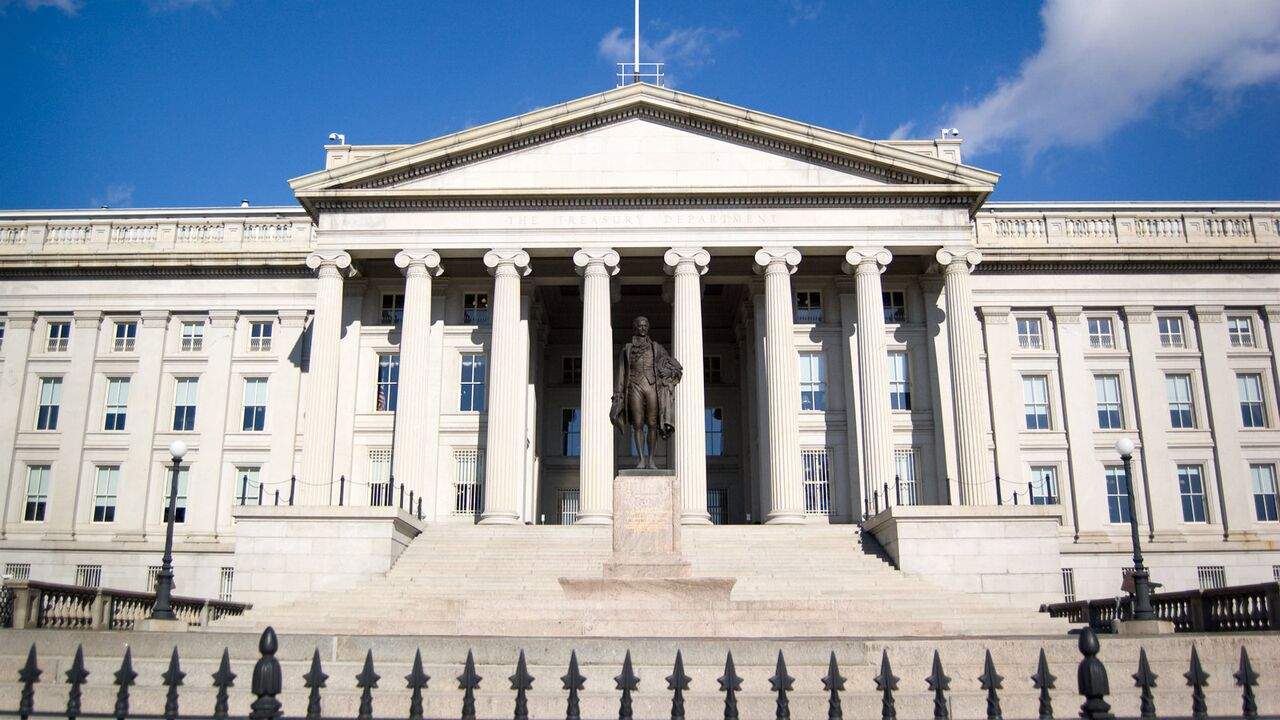
The U.S. Department of the Treasury has introduced a new annual interest rate of 3.11% for Series I bonds, effective November 1, 2024, through April 30, 2025. This rate marks a decrease from the previous 4.28% yield in place since May and significantly down from the 5.27% rate set a year earlier in November 2023.

The new composite rate of 3.11% consists of a 1.90% variable portion and a fixed portion of 1.20%, slightly reduced from May’s fixed rate of 1.30%. Although the I bond yield has fallen considerably since its peak of 9.62% in May 2022, the fixed-rate component remains attractive for long-term investors, according to financial experts.

Understanding I Bond Rate Structure

Series I bonds offer a composite rate that combines a variable rate, which adjusts based on inflation, and a fixed rate, which remains constant for the bond’s life. The Treasury Department revises both parts biannually, every May and November. Current I bond holders experience the new rates after a six-month adjustment period based on their initial purchase date. For instance, I bonds purchased in September 2024 would start at a 2.96% variable rate, adjusting to the new 1.90% rate in March 2025, while the fixed rate of 1.30% would stay constant, making the composite rate 3.2%.

This structure provides investors with some inflation protection while offering a predictable fixed return for long-term holdings, despite recent reductions in the composite yield.


UK Borrowing Costs Surge After Labour’s Tax-Heavy Budget Announcement

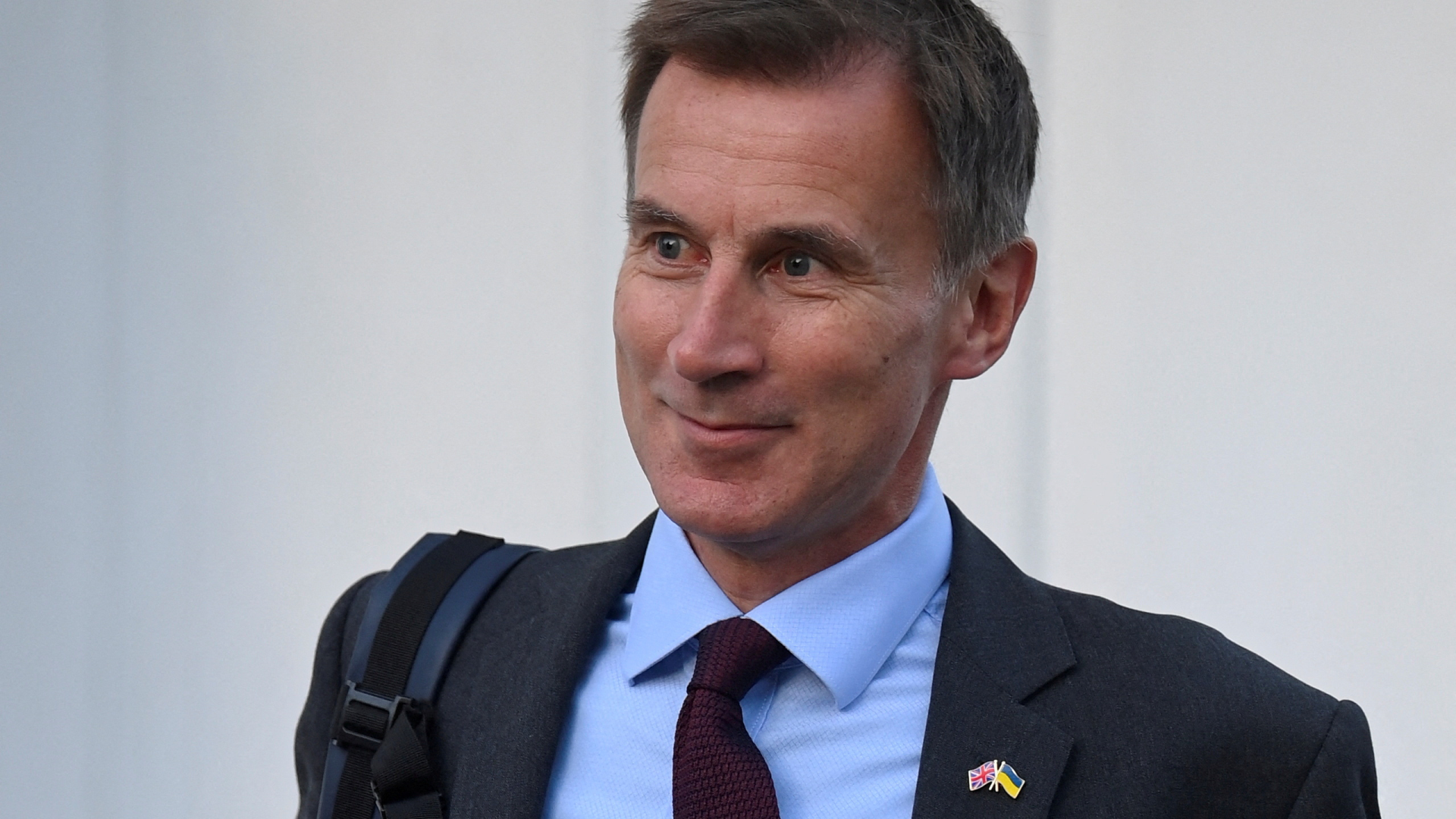
UK borrowing costs rose sharply a day after the Labour government introduced a tax-increasing budget. By 2:33 p.m. on Thursday in London, the 1-year gilt yield had jumped by 20 basis points to over 4.5%, with the 10-year yield up by 15 basis points, also reaching 4.5%. These shifts came on the heels of Finance Minister Rachel Reeves’ announcement of a budget plan incorporating £40 billion ($52 billion) in tax hikes and significantly higher borrowing over the next few years.

Analysts at ING expressed concerns over the projected increase in government borrowing, which is forecasted by the Office for Budget Responsibility to average £36 billion more per year over the next five years as tax revenue gradually adjusts. Despite the recent volatility, this budget reaction is seen as more stable than the “mini-budget crisis” of September 2022, which saw then-Prime Minister Liz Truss’s administration announce substantial unfunded tax cuts. That move led to severe bond market instability, placing UK pension funds at risk and ultimately forcing an emergency intervention by the Bank of England. Truss’s policies were largely reversed, leading to her resignation shortly afterward.

Reeves’ budget has led some analysts to predict modest inflationary pressure, which may result in a slower rate-cutting pace by the Bank of England. Analysts at Goldman Sachs noted the likelihood of a “reduced urgency for sequential rate cuts in the near term,” while Morgan Stanley’s Andrew Sheets highlighted the potential for slight inflation growth alongside short-term economic improvements.

Despite fears of inflation, ING analysts suggested the Bank of England is unlikely to alter its policy approach based on the budget, with services inflation expected to continue declining. Meanwhile, the British pound was down 0.4% against the U.S. dollar and 0.46% against the euro, while the FTSE 100 index dropped 1.04%, aligning with broader declines in European equities.

Deutsche Bank’s Jim Reid remarked that the UK market’s reaction could be attributed to robust European data that has pushed yields higher on the continent, along with U.S. market pressures amid reports of increased poll support for Donald Trump. Reid emphasized that the new budget reflects a different approach than the Truss-era tax cuts, with increased borrowing intended for investment rather than immediate fiscal relief.