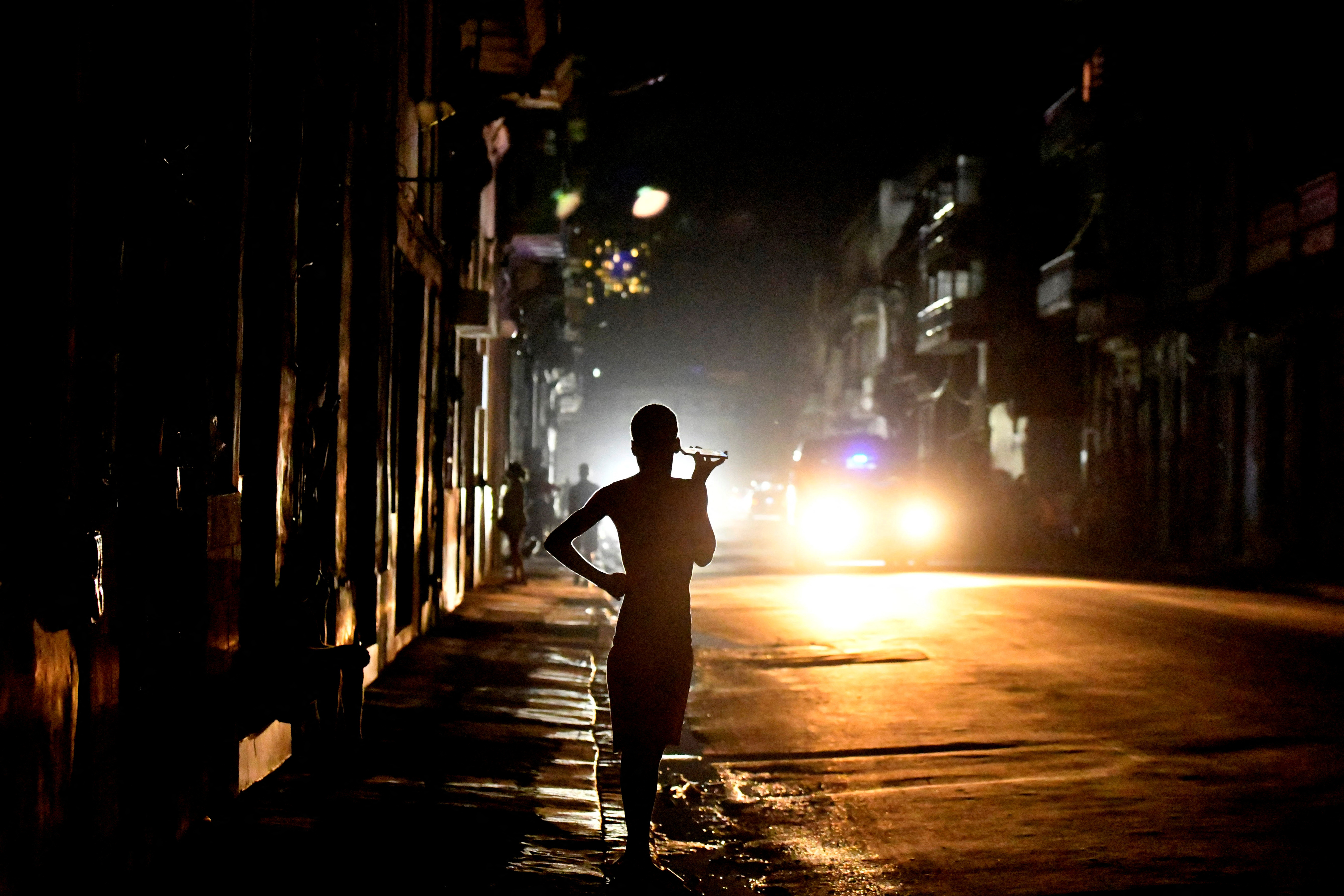
Cuba Faces Second Nationwide Blackout Amid Worsening Energy Crisis

Cuba was plunged into a second nationwide blackout on Saturday morning, exacerbating the country’s growing energy crisis. The Cuba Electrical Union announced the outage at 6:15 a.m., stating on its official Telegram channel that efforts were underway to restore power. This followed initial reports that power was being gradually reconnected across the island, though there were no specific numbers provided on how many homes or areas had regained electricity.

Many Cubans reported brief moments of restored power before being plunged back into darkness. The blackouts have created a deeper strain on the nation, leaving millions without essential services such as running water and refrigeration, causing perishable goods to spoil.

Cuba’s aging electrical grid has suffered repeated collapses in recent days, triggering a nationwide blackout earlier in the week. Cuban officials have pointed to a combination of factors, including intensified U.S. sanctions, recent hurricanes, and the deteriorating infrastructure, as contributing causes to the crisis.

On Thursday, Prime Minister Manuel Marrero Cruz addressed the nation in a televised broadcast that was delayed due to technical problems. He acknowledged the gravity of the situation, explaining that the government had halted much of the country’s limited production to divert energy to the population. “We have been paralyzing economic activity to generate [power] for the population,” Marrero Cruz stated.

Health Minister José Angel Portal Miranda assured citizens that health facilities were running on backup generators, and that healthcare workers were continuing to provide vital services despite the outages.

In Havana, the blackout has left the streets without traffic lights, forcing motorists to navigate in the absence of proper signals. Police officers have taken up the task of directing traffic at key intersections. While some homes and businesses rely on generators to cope with the power outages, the majority of Cubans cannot afford such a luxury.

To further conserve energy, the government has canceled school classes through the weekend, shut down nightclubs and recreational facilities, and limited work attendance to essential personnel. These measures were detailed on the state-run news website Cubadebate as part of an effort to manage the ongoing energy crisis.
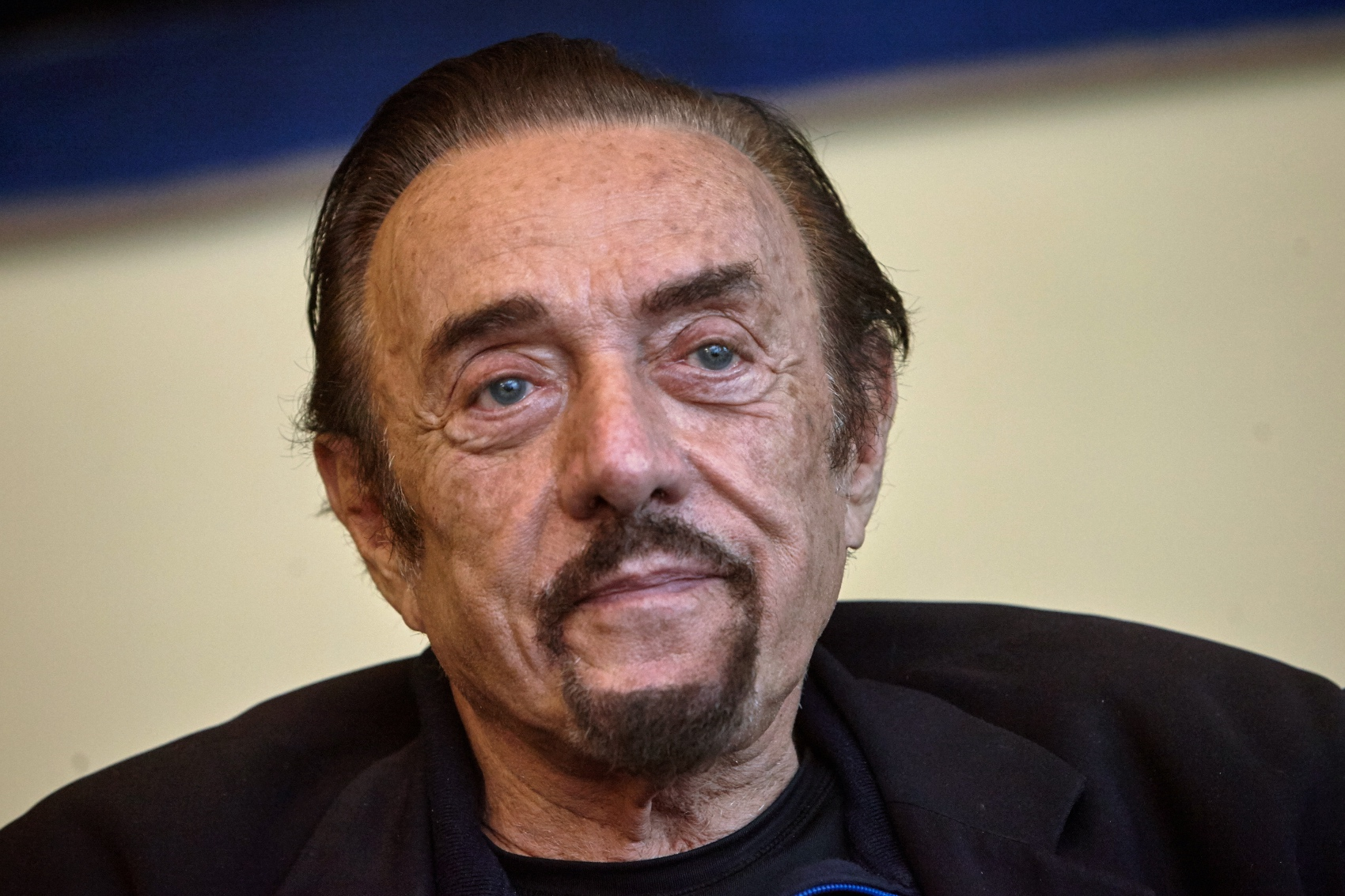
 

Philip Zimbardo, Psychologist Behind the Stanford Prison Experiment, Dies at 91

Philip G. Zimbardo, the renowned psychologist famous for the controversial “Stanford Prison Experiment,” has passed away at the age of 91. His death was announced by Stanford University on Friday, revealing that Zimbardo died on October 14 at his home in San Francisco. The cause of death was not disclosed.

Zimbardo’s name became synonymous with his 1971 Stanford Prison Experiment, a study designed to explore the psychological impact of imprisonment. In this experiment, college-aged male participants were assigned roles as either prisoners or guards within a mock prison setting constructed in the basement of a building on the Stanford campus. Originally intended to last two weeks, the study was abruptly halted after just six days due to the extreme emotional and psychological effects it had on the participants. Those playing guards exhibited abusive behavior, while the prisoners became anxious, emotionally unstable, and enraged.

Zimbardo himself faced significant criticism for his active role in the experiment, as he assumed the position of “superintendent” and became an active participant, losing the objectivity expected of a researcher. He later reflected on the study, co-writing with one of his graduate students that the “outcome was shocking and unexpected.”

The Stanford Prison Experiment remains a focal point in discussions on the psychology of power, authority, and evil, as well as the ethical considerations of psychological research involving human subjects. It continues to be widely studied in psychology courses.

Beyond the prison study, Zimbardo’s research spanned various topics, including persuasion, hypnosis, cults, shyness, time perspective, altruism, and compassion. His work had a profound influence on psychological science, offering insights into human behavior and the darker aspects of social dynamics.

Zimbardo is survived by his wife, Christina Maslach Zimbardo, who was instrumental in bringing the Stanford Prison Experiment to an end after witnessing its damaging effects on the participants. He also leaves behind three children and four grandchildren.

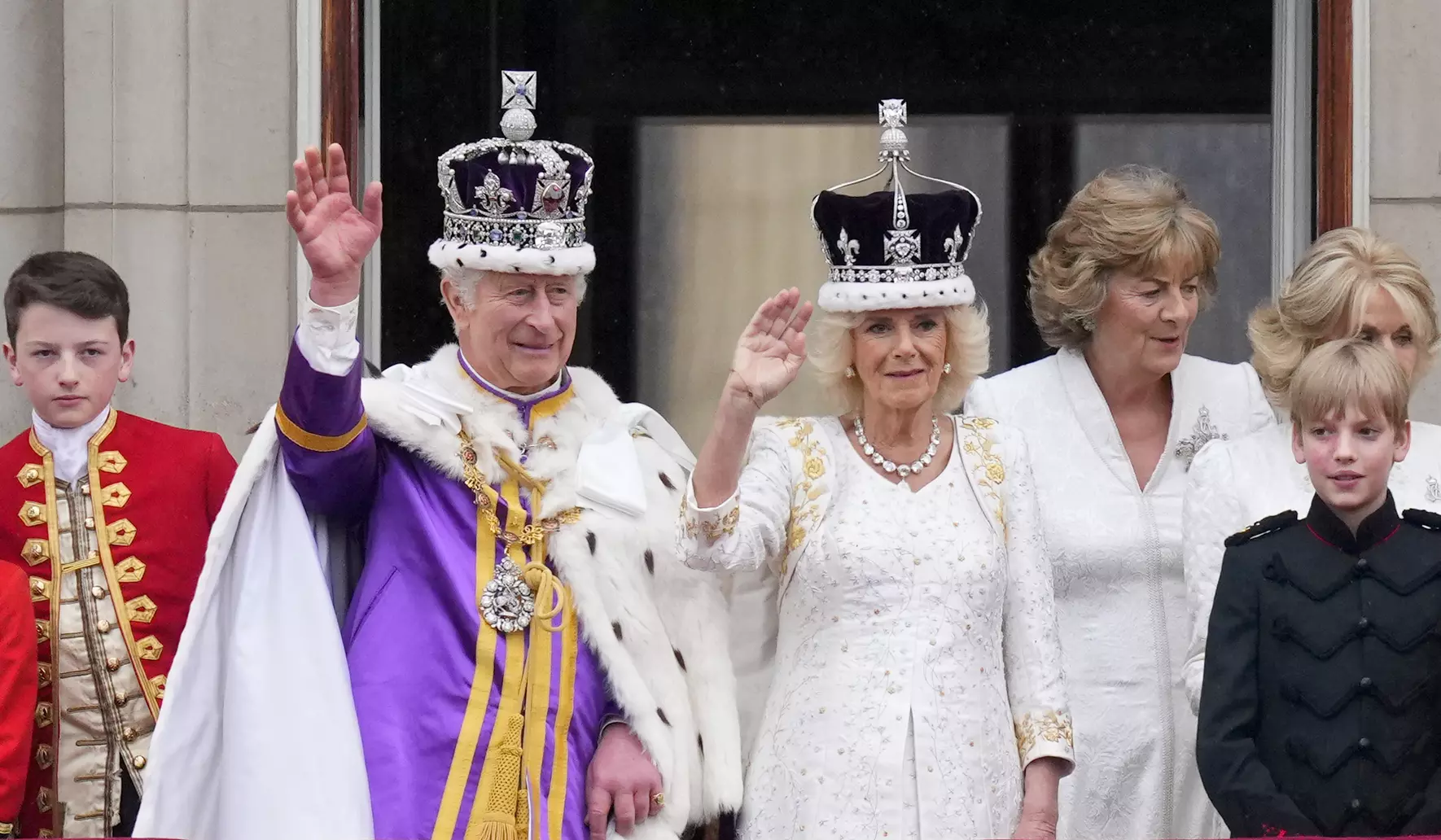
King Charles and Queen Camilla Greet Enthusiastic Crowds During Australia Tour

King Charles and Queen Camilla of Britain received a warm welcome in Sydney during their ongoing Australia tour. On Sunday, the royal couple attended a church service at St. Thomas’ Anglican Church, where they were greeted by Sydney’s archbishop, Kanishka Raffel, and children waving Australian flags from the church’s Sunday school. The event marked the first public appearance of the King and Queen on their visit.

Queen Camilla, dressed in a pale green Anna Valentine outfit with a matching straw hat, accepted a bouquet of flowers from Ellie Mantle, the minister’s wife, who inquired about their recovery from jet lag after their lengthy flight from the UK. “Sort of,” Camilla responded with a smile.

Inside the church, King Charles and Queen Camilla signed two Bibles, including one linked to Australia’s historical beginnings—the Bible of Australia’s first minister and chaplain who accompanied the First Fleet in 1788.

Outside, large crowds gathered to meet the royal pair, with families and fans lining the streets, many singing “God Save the King.” The event gave the public their first opportunity to interact with the King and Queen since their arrival in Australia on Friday.

Later, the King visited New South Wales’ parliament, celebrating the 200th anniversary of Australia’s oldest legislature. During the visit, Charles presented an hourglass to the lawmakers, emphasizing the importance of strong parliaments to uphold democracy. Reflecting on his connection to Australia, the King expressed his joy at visiting the country as sovereign for the first time.

“What a great joy it is to come to Australia for the first time as sovereign and to renew a love of this country and its people which I have cherished for so long,” King Charles said.

In addition to his Australia tour, King Charles will attend the Commonwealth Heads of Government Meeting in Samoa following his six-day stay. His visit to Australia marks his inaugural trip as sovereign and his first major overseas tour since his cancer diagnosis.

During the trip, Charles made a significant personal donation to fund a skills development program designed to combat climate change and support higher education in small island states, including those in the Pacific. This initiative, created in partnership with the Association of Commonwealth Universities, aims to strengthen the talent pool and enhance climate resilience in vulnerable regions facing threats such as rising sea levels.

“Throughout my life I have believed in the power of education to improve lives and unite communities across the Commonwealth and beyond,” King Charles said in a statement regarding the program, which is intended to support mid-career professionals and civil servants from small island nations.