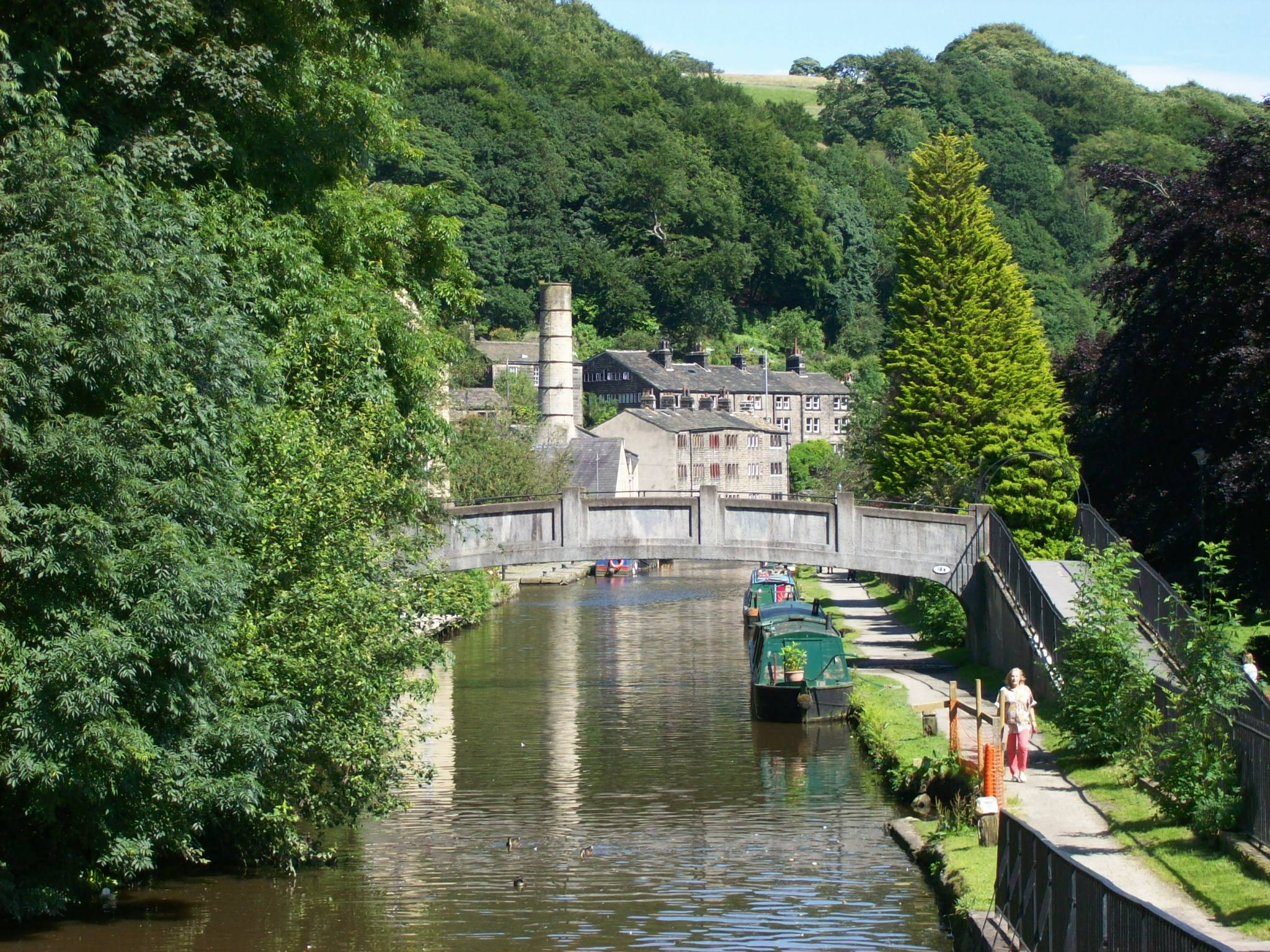
Hebden Bridge: The “Lesbian Capital” of the UK and a Beacon of LGBTQ+ Inclusivity

Nestled in the Upper Calder Valley between Manchester and Leeds, Hebden Bridge—a small town of around 4,500 residents—has evolved into a bastion of inclusivity and tolerance, affectionately known as the “lesbian capital of the UK.” While none of the town’s bars are labeled as specifically LGBTQ+ venues, residents and visitors alike consider all its establishments welcoming spaces for the community.

The town’s transformation began in the 1970s when artists and activists, drawn by affordable housing after the shutdown of local cotton mills, made Hebden Bridge a hub for alternative lifestyles. A “bohemian paradise” emerged, reflecting the values of 1960s and ‘70s feminist movements, which inspired some to explore communal living and anti-capitalist values in this quaint market town. By the mid-1980s, the town’s queer community had grown visibly, marked by social events like the Women’s Disco in nearby Todmorden, which soon drew attendees from cities as far as Blackpool and Nottingham. In the following decades, the town’s LGBTQ+ population flourished, and by 2004, Hebden Bridge recorded the highest concentration of lesbians per capita in the UK.

Community-led efforts to build safe spaces played a critical role in fostering Hebden Bridge’s LGBTQ+ inclusivity. Notable spots, such as Nelson’s Wine Bar—established by two gay men—became vibrant venues where the LGBTQ+ community could connect. Today, Nelson’s operates as a vegan bar and restaurant, still cherished as a welcoming space. Further supporting the community, Hebden Bridge holds an annual Happy Valley Pride festival, born out of a 2015 incident of homophobic graffiti that inspired a town-wide art project in solidarity. Now a celebrated annual event, Happy Valley Pride draws thousands and includes a wide array of LGBTQ+-focused performances, workshops, and talks.

Local venues like Nan Moor’s in Todmorden add to the region’s LGBTQ+-friendly landscape, offering platforms for non-binary, LGBTQ+, and experimental performers. While the town has grown increasingly popular, with rising property prices and an influx of tourists, Hebden Bridge maintains its open and tolerant spirit. From the Progress Pride flags at The Albert to Vocation’s taproom, LGBTQ+ acceptance is woven into the fabric of everyday life.

Despite Hebden’s popularity with day-trippers and the changing dynamics of the local economy, the community has retained its ethos of inclusivity. The area offers cultural attractions like the Trades Club music venue, Sylvia Plath’s gravesite, and Shibden Hall—home of Anne Lister, often dubbed the “first modern lesbian.” Hebden Bridge’s identity as a haven for the LGBTQ+ community reflects its residents’ collective commitment to allowing people to live authentically, free from judgment.
 

Austrian Mayor Shot Dead in Hunting Dispute; Suspect on the Run

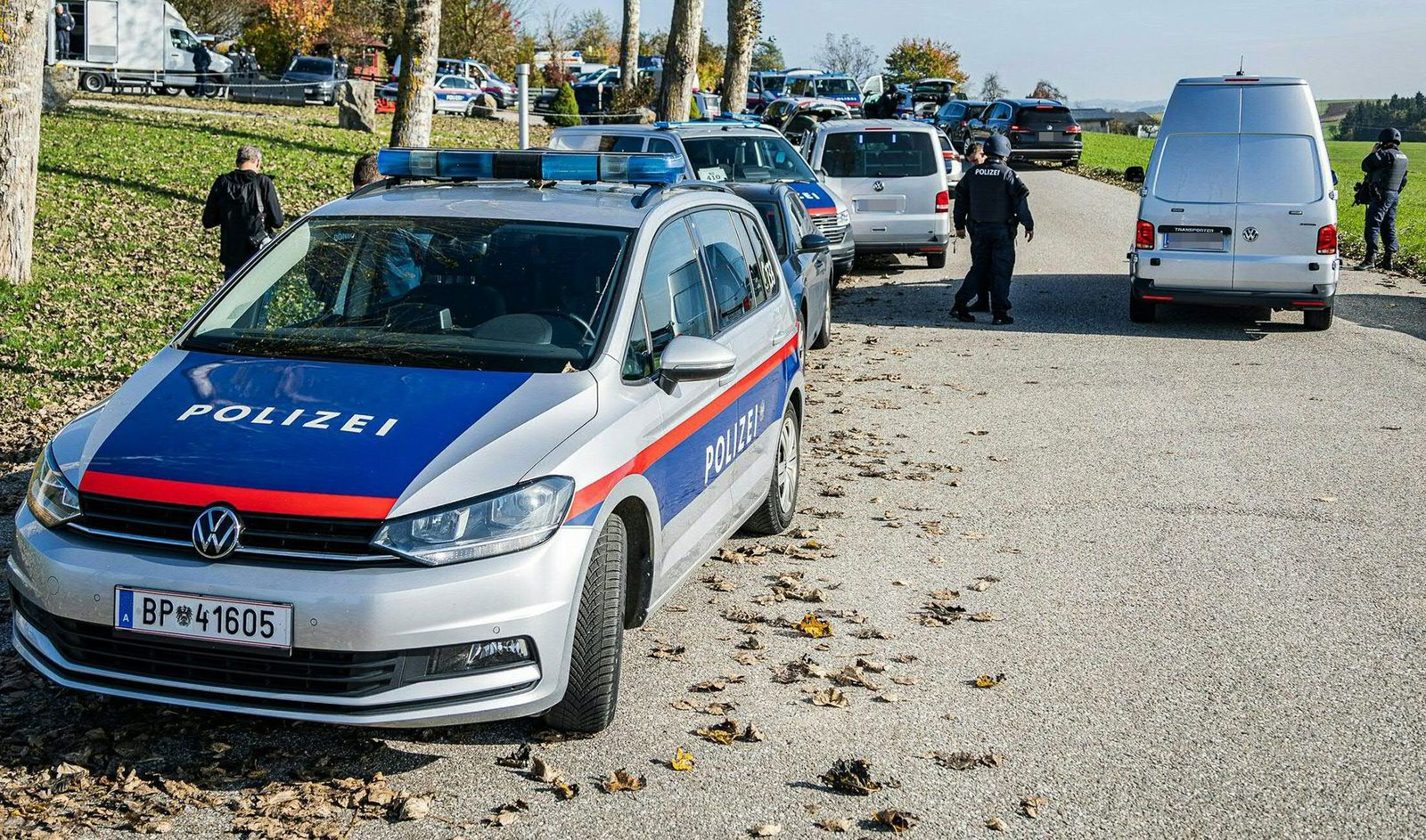
A manhunt is underway in northern Austria after two individuals, including Franz Hofer, the mayor of Kirchberg ob der Donau, were shot and killed, reportedly over a hunting dispute. The shooting occurred in the village of Altenfelden in Austria’s rural Mühlviertel region, close to the borders with Germany and the Czech Republic.

Authorities have identified Roland Drexler, 56, as the prime suspect. Following the killings, Drexler fled the scene in a Volkswagen Caddy, leading police to issue a warning that he is heavily armed and extremely dangerous. Upper Austria police, alongside special forces and helicopters, are actively searching for the suspect.

The incident appears to have stemmed from a prolonged disagreement over hunting rights, though it remains unclear why the conflict escalated so violently. Locals in the hunting community were familiar with Drexler, describing him as “a difficult person,” according to Kronen Zeitung, an Austrian news outlet.

The news has stunned the regional headquarters of the People’s Party (ÖVP) in Linz, with state party leader Florian Hiegelsperger describing the event as “madness.” Herbert Sieghartsleitner, state hunting master, expressed his disbelief, stating, “I am deeply shocked by what has happened. I knew Franz Hofer very well personally.”

Toxic Smog Blankets Northern India and Eastern Pakistan Just Before Diwali

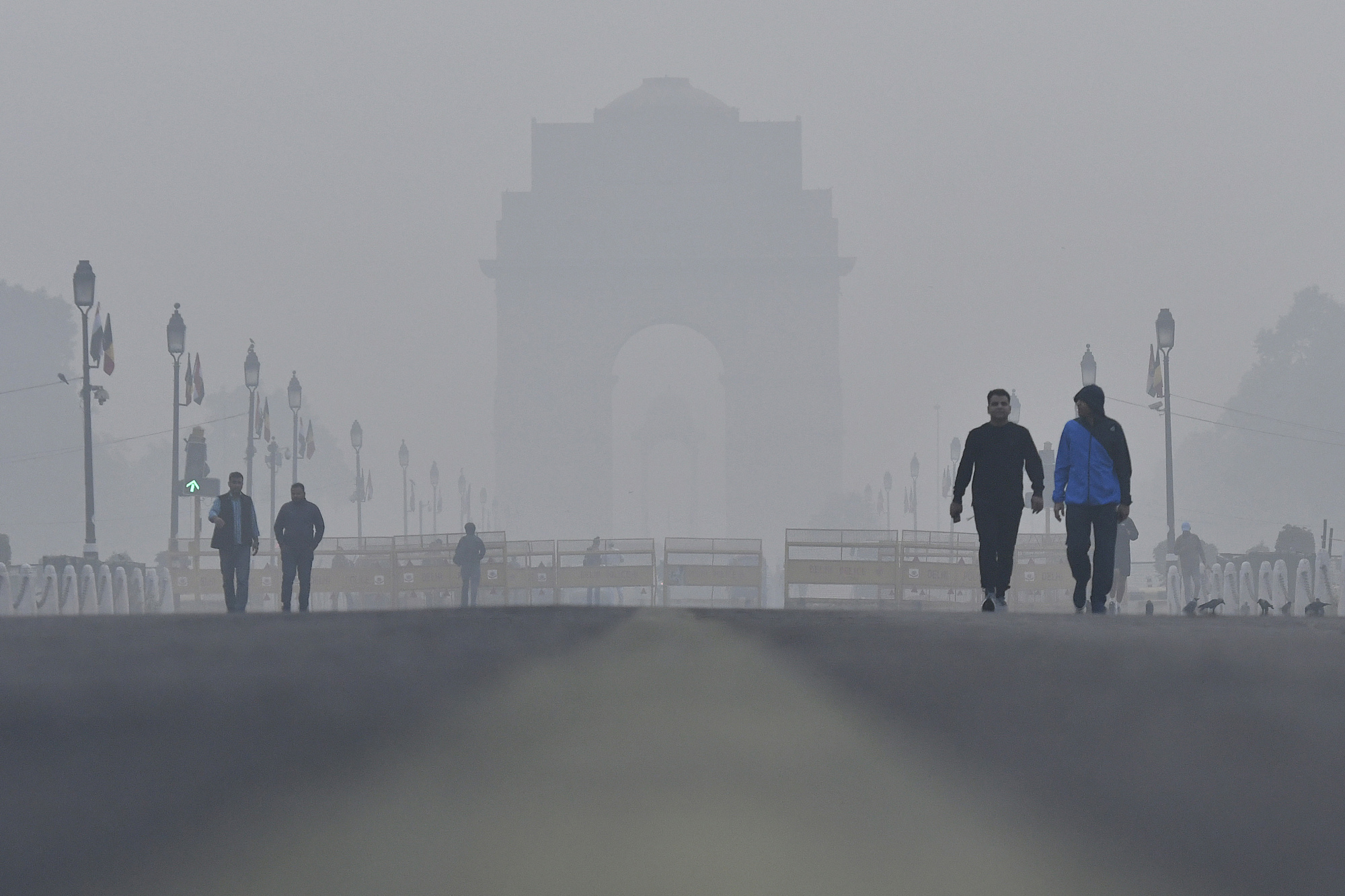
Northern India and eastern Pakistan are once again covered in a dense, toxic smog, just days before the Diwali festival, when air pollution traditionally spikes due to widespread firework celebrations. Air quality in Delhi was recorded at around 250 on Monday, placing it in the “very unhealthy” category, while Lahore, only 25 kilometers from the Indian border, registered air quality levels over 500—nearly 65 times the World Health Organization’s guidelines for healthy air, making it the world’s most polluted city, according to IQAir.

As winter approaches, the seasonal smog is expected to worsen, fed by agricultural waste burning, emissions from coal-fired power plants, heavy traffic, and stagnant air. Diwali celebrations, which begin on Thursday, typically involve firecracker use, often in violation of local bans, which exacerbates pollution levels. The thick smog not only creates eerie scenes of orange haze but also poses severe health risks, with experts warning that prolonged exposure could reduce life expectancy by years.

Delhi authorities have banned firecrackers in an attempt to curb pollution, but enforcement remains challenging. The Supreme Court of India recently criticized Punjab and Haryana officials for failing to limit illegal stubble burning, a major contributor to smog. Local authorities claim the practice has been curbed significantly, yet smog persists across the region.

India’s government initiated a nationwide Clean Air Programme in 2019, targeting a 40% reduction in particulate matter by 2026 through measures such as stricter coal plant regulations, increased air monitoring, and bans on biomass burning. Temporary measures, including sprinkling water on streets and inducing artificial rain, have been implemented to manage smog, but experts warn that these are short-term fixes that do not address the underlying pollution sources.

While some Indian cities report slight improvements in air quality, New Delhi’s pollution levels remain largely unchanged over recent years. Activists like Jyoti Pande Lavakare, founder of Care for Air, argue that stronger political commitment is necessary to combat pollution on a national scale, as the health consequences of inaction continue to mount.