Dwyane Wade’s Statue Unveiled, Steph Curry Injured, and Tyrese Maxey Shines in Sunday’s NBA Action

Dwyane Wade’s Legacy Honored with Statue in Miami

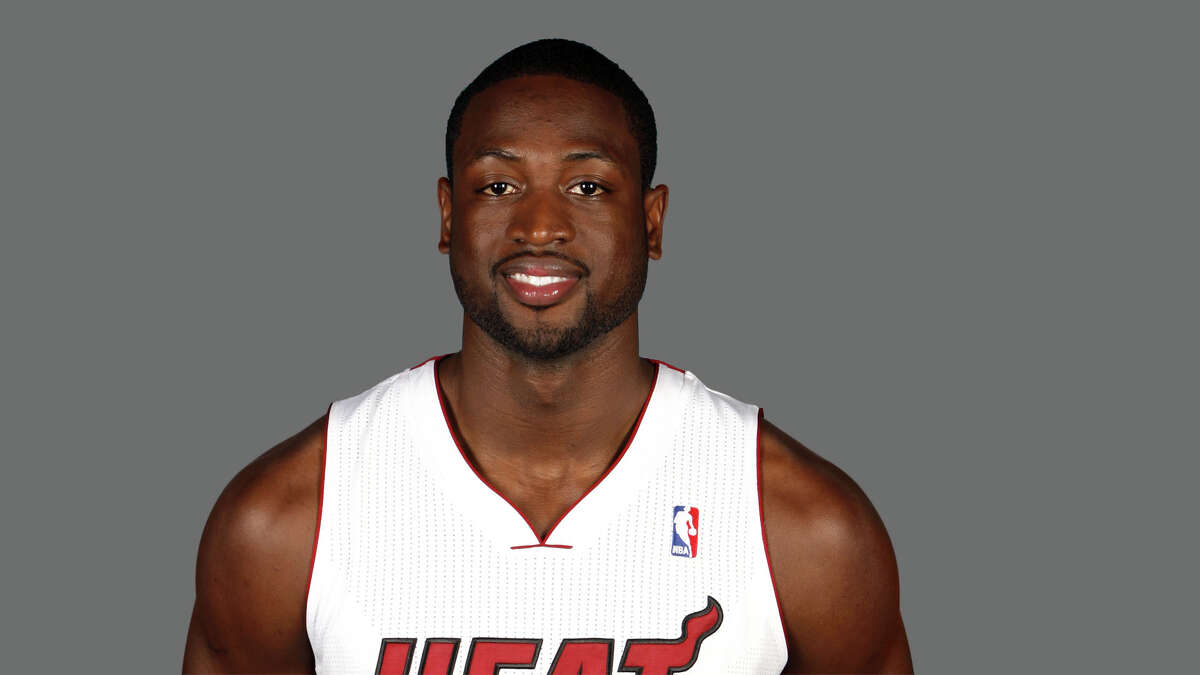
The Miami Heat honored franchise legend Dwyane Wade on Sunday with the unveiling of an eight-foot bronze statue outside Kaseya Center, capturing his memorable “This is my house” celebration from a 2009 game against the Chicago Bulls. Wade, the first Heat player to receive such an honor, expressed awe and gratitude, noting that the moment was “crazy” and relishing the chance to “feel” the tribute. Some fans, however, criticized the statue’s likeness to Wade, comparing it to the infamous Cristiano Ronaldo bust from 2017, with one commenter saying it looked more like Laurence Fishburne’s character Morpheus in The Matrix. Nevertheless, local journalist Will Manso shared close-up photos that highlighted the statue’s resemblance to Wade, helping to improve fan perception. The celebration continues as the Heat face off against the Detroit Pistons on Monday night.

Steph Curry Suffers Ankle Injury in Warriors’ Loss

Golden State Warriors’ star Steph Curry suffered an ankle injury during Sunday’s 112-104 loss to the Los Angeles Clippers. Curry initially twisted his ankle in the third quarter, returned briefly in the fourth, but then exited for good after re-aggravating the injury. Warriors head coach Steve Kerr mentioned that while Curry described the injury as “mild or moderate,” he would undergo an MRI for further evaluation. Before his exit, Curry contributed 18 points, four rebounds, six assists, and two steals. With Curry sidelined, Andrew Wiggins led the Warriors with 29 points, but the Clippers prevailed with double-doubles from James Harden (23 points, 11 assists) and Ivica Zubac (23 points, 18 rebounds).

Tyrese Maxey Leads 76ers to First Win

In a thrilling game, Tyrese Maxey carried the Philadelphia 76ers to their first win of the season, scoring a career-high 45 points in a 118-114 overtime victory against the Indiana Pacers. Although the Pacers seemed poised to secure the win, three crucial turnovers allowed the Sixers to seize a late lead. The game reached overtime following Tyrese Haliburton’s clutch three-pointer with three seconds left, but the Sixers took control, with Maxey scoring 10 points in the extra period to close out the game. The Sixers’ win came despite struggles in the absence of Joel Embiid and new acquisition Paul George. Haliburton led the Pacers with 22 points, though he remains short of his peak performance from last season.

 

Once Illegal, This Historic Japanese Alcohol Is Making a Comeback

A Taste of History: What is Doburoku?

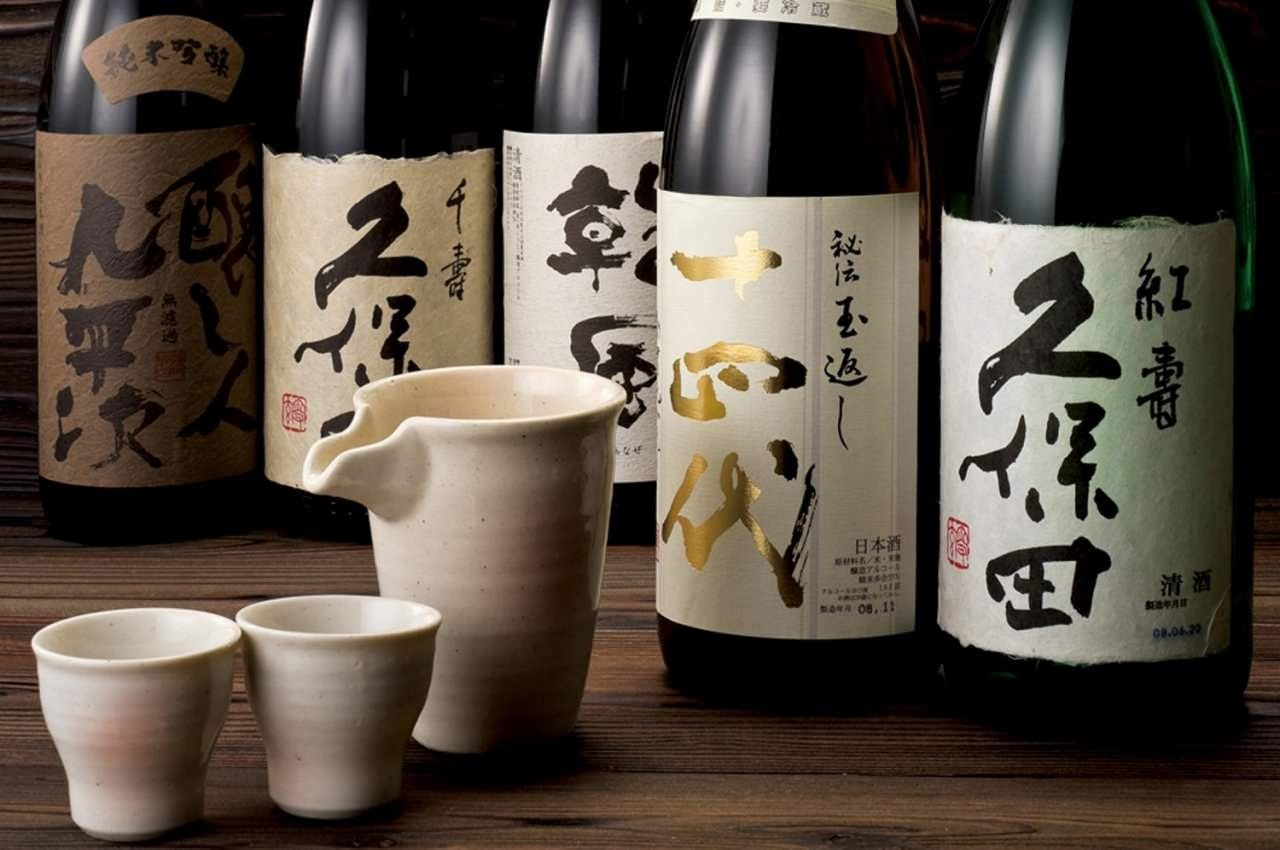
In Japan’s rich world of traditional alcoholic beverages, doburoku, a cloudy, unrefined rice-based drink, is making a quiet resurgence. This ancient drink, dating back centuries, is often seen as the precursor to modern sake and has a murky, opaque appearance due to its production process. Unlike refined sake, which goes through a multi-step fermentation with carefully layered ingredients, doburoku’s simplicity involves mixing rice, koji (a type of fungus used in brewing), water, and yeast together in one step. This creates a sweeter, lower-alcohol drink due to the sugars that remain unbroken.

Heiwa Doburoku Kabutocho Brewery, a bar in Tokyo’s Nihombashi district, serves this revived beverage, offering visitors a rare opportunity to sample the historic drink and appreciate its cultural significance.

The Journey from Everyday Brew to “Moonshine”

Historically, doburoku was popular among farmers and Shinto priests, often brewed domestically due to its simplicity. In the Edo period, the drink was widespread; by 1855, nearly 500 doburoku producers operated in Edo (now Tokyo). But with Japan’s shift toward centralization during the Meiji period, homebrewing became subject to government control, and tax regulations gradually restricted its production.

By the end of the 19th century, the government fully outlawed doburoku as part of a broader ban on unlicensed alcohol, making it illegal in 1899. Homebrewing became forbidden as the government aimed to bolster its finances through taxes on regulated alcohol production, relegating doburoku to the status of “moonshine” or mitsuzoushu. However, doburoku maintained a presence, particularly in Shinto rituals, and gained a parallel in the Korean rice wine, makgeolli, which offered a similar unrefined taste and texture.

Reviving a Forbidden Tradition

Though still banned from home production, doburoku saw a revival in 2003 when the Japanese government permitted inns and restaurants in select regions with slower economic growth to brew and sell it legally. This deregulation allowed doburoku to re-enter the market under strict guidelines, drawing curiosity and sparking renewed appreciation for the historic drink. As of 2021, nearly 200 establishments in Japan are licensed to produce and sell doburoku, allowing locals and tourists alike to savor this forgotten aspect of Japanese culture.

What Looking Like Timothée Chalamet Taught Me About Fame

The Start of a Unique Journey

It was an early, sleep-deprived morning. By 2 a.m., I was on the road, and by evening, I was in Manhattan. With my girlfriend as my support and secret-keeper, I was about to enter the uncharted territory of a Timothée Chalamet lookalike contest. It was a quirky, unplanned opportunity that popped up online a few weeks prior, and it seemed too fun to pass up. The low-cost trip from upstate New York was manageable, and as someone studying graphics and multimedia marketing at SUNY Canton, I also saw it as a potential stepping stone toward networking in the creative world of New York City.

The Chalamet Comparison

When I let my hair grow out, people began to make the “Timothée” connection. Friends and strangers alike teased me about it, likening me to characters from “Dune” and “Wonka.” The comparison even led to an odd moment at a mall in Toronto, where employees at a “Wonka” pop-up display insisted I pose for photos, fully outfitted in character attire. That’s when the surreal aspect of resemblance began to sink in.

Arrival at the Contest

When I arrived at Washington Square Park, it was chaos. People swarmed the area, with phones raised, recording, snapping, and even asking for interviews. A sea of curious onlookers turned my first contest into a surreal three-hour experience. I saw the real Chalamet make a brief appearance, further electrifying the crowd. But I also saw the intensity of fame, even on this small scale, as officers dispersed crowds, even taking some lookalikes into custody for not adhering to the contest’s unpermitted status.

Learning Through Fame’s Lens

For those three hours, I got a taste of what real fame must be like: the invasive stares, the fascination, and the overwhelming attention. Although I planned my outfit carefully, opting for a sleek, casual look that mirrored Chalamet’s Chanel perfume campaign, the thrill was quickly balanced by a sobering realization. The winner, dressed as Willy Wonka and handing out chocolates, deservedly took the trophy, but I felt the reward wasn’t as important as the experience itself.

The Takeaway

As I returned to reality — eating tacos with my girlfriend and preparing for another week at the fishing store — I felt grateful. While the experience was exciting, the ability to step away from the glare of attention and return to a regular life was a privilege. Fame may offer allure, but it also exacts a cost. For me, being Timothée Chalamet for a day was fun, but I’m glad to be myself in the end.