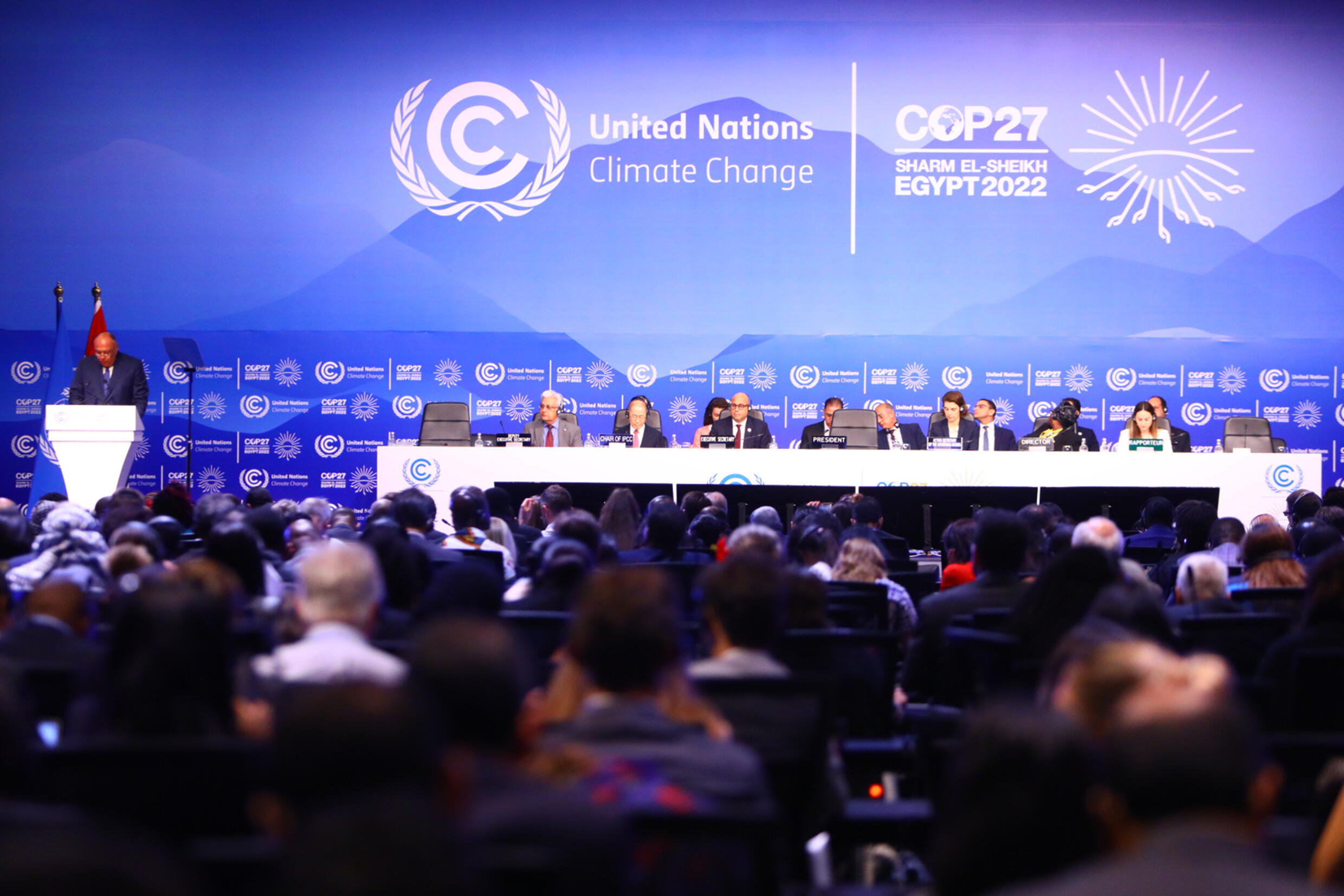
Argentina Withdraws Delegates from COP29 as President Milei Prepares for Mar-a-Lago Visit

Argentina’s government has withdrawn its delegates from the COP29 United Nations climate summit in Baku, Azerbaijan, signaling a notable shift in its approach to international climate cooperation under President Javier Milei. According to a source from Argentina’s foreign ministry, the delegation, which attended the first two days of the summit, was ordered to return home on Wednesday. Another group of delegates, scheduled to depart for Baku, was also asked not to travel.

Milei, Argentina’s recently elected president, has consistently taken an anti-climate stance, dismissing climate policies as part of a “woke agenda” that imposes an “ideological agenda” on the global stage. During his September address at the United Nations General Assembly, he criticized the UN’s 2030 Sustainable Development Agenda, rejecting it as lacking practical solutions for global issues.

As Milei distances Argentina from traditional environmental commitments, he is expected to travel to the United States to attend a Conservative Political Action Conference (CPAC) event at Mar-a-Lago in Florida. The Argentine president reportedly plans to meet U.S. President-elect Donald Trump and aims to attend Trump’s inauguration in January 2025.

In recent months, Milei has implemented a series of controversial domestic policies, including significant cuts to public spending. His administration announced a budget freeze for public universities, triggering nationwide protests, and reduced funding for various public services, including the Argentina national press agency Télam, multiple government ministries, and even support for soup kitchens in economically disadvantaged areas.

In line with his ideological position, Milei’s government has also halted the purchase of supplies for abortion access and banned gender-inclusive language in official documents, despite abortion being legalized in Argentina in 2021. This move has raised concerns among human rights organizations, who argue that the right to access safe, legal abortion services has become increasingly restricted.
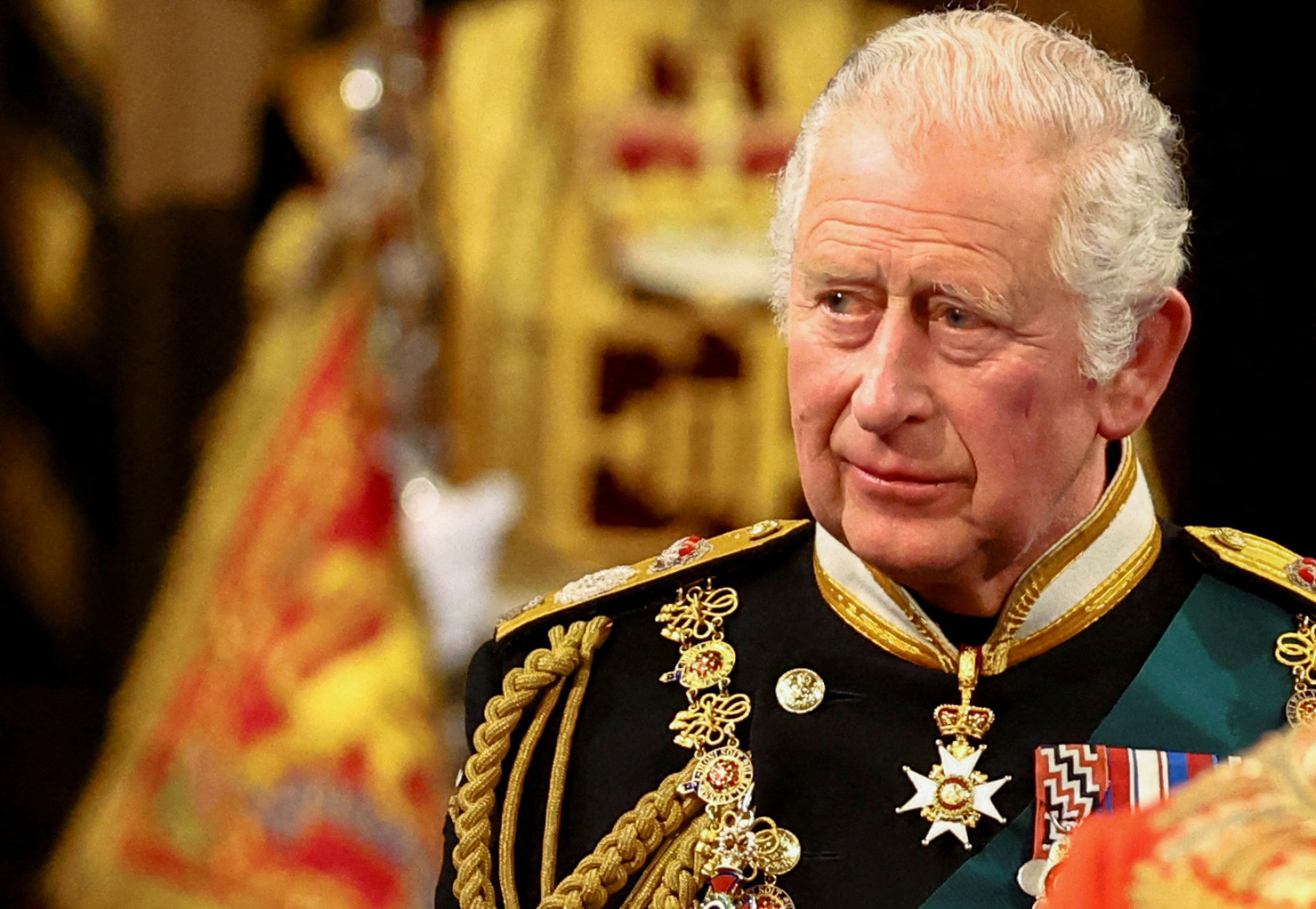
 

King Charles Celebrates 76th Birthday by Opening New ‘Surplus Food’ Hubs to Tackle Food Waste and Poverty

In celebration of his 76th birthday, King Charles III is dedicating the day to opening two food distribution centers as part of his Coronation Food Project, launched last year to help reduce food poverty and food waste across the UK. One of these new hubs, located in south London, is hosting a “surplus food festival” where meals are being prepared using surplus food that would otherwise be discarded. The King will also virtually inaugurate a second hub in Merseyside, northwest England.

Joined by London Mayor Sadiq Khan, the King will tour the new south London facility and meet with food bank representatives, school staff, and local community groups who will benefit from the project’s efforts. His Coronation Food Project has thus far raised £15 million to design, build, and operate a network of up to 10 food hubs across the country. This initiative has supported expanding warehouse capacity, boosting cold storage, and funding transportation for surplus food distribution. Working in collaboration with FareShare and the Felix Project, the initiative has saved around 940 tons of surplus food, amounting to over 2.2 million meals, and has awarded nearly £1 million in grants to community food programs.

In honor of his birthday, Buckingham Palace shared a new photo of the King on social media, depicting him in a blue suit with a matching tie and pocket square. The Prince and Princess of Wales extended their birthday wishes as well, accompanied by a photo from his recent Commonwealth visit to Samoa.

As part of traditional celebrations, gun salutes were fired in Green Park and at the Tower of London, while Westminster Abbey’s bells rang out to mark the occasion. Though King Charles observes his November birthday in a more low-key, working fashion, he also enjoys a formal celebration in June with the Trooping the Colour, a tradition dating back to King George II. Held during summer, this event brings together over 1,400 officers and soldiers to march through London, a practice that began as a standalone military event but was officially designated as the monarch’s birthday celebration in 1760 under King George III.

India’s Central Bank Chief Warns of Renewed Global Inflation Risks and Economic Growth Concerns

India’s central bank governor, Shaktikanta Das, cautioned that global inflation could return, and economic growth may decelerate despite recent monetary policy successes. Speaking at CNBC-TV18’s Global Leadership Summit in Mumbai, Das acknowledged that central banks have achieved a “soft landing” amid repeated global shocks, but cautioned that the risks of inflation and slower growth persist due to ongoing geopolitical and economic challenges.

Das highlighted several factors exacerbating global instability, including escalating geopolitical conflicts, economic fragmentation, commodity price volatility, and the impacts of climate change. These factors have compounded uncertainty in financial markets, with conflicting trends across asset classes. Das pointed to the U.S. dollar’s recent appreciation, even as the Federal Reserve continues with its rate-cutting strategy, as one example of global market contradictions.

Investors are closely monitoring the implications of a potential second term for Donald Trump, given his stance on trade tariffs and immigration, both of which could stoke inflation and limit the Fed’s ability to continue rate cuts. The dollar index, which measures the dollar against six major currencies, recently surged to its highest level since November of last year, reflecting its strength despite the Fed’s easing.

In light of these global tensions, Das noted several market trends that illustrate the complex economic landscape:

  1. Bond Yields: Government bond yields are climbing, even as developed economies have pursued lower interest rates.
  2. Gold and Oil Prices: The prices of these commodities, which often move in sync, are now diverging markedly.
  3. Geopolitical Tensions vs. Market Stability: While geopolitical tensions are rising, global markets have remained resilient, reflecting an unusual tolerance to risk.

Turning to India’s economic performance, Das asserted that the nation’s economy remains robust and resilient, even amid global instability. He anticipates that inflation in India will moderate over time, although some volatility is expected. India’s economy has sustained growth throughout various global challenges, affirming its economic stability.

India’s Union Minister of Commerce, Piyush Goyal, expressed a desire for more supportive monetary policy, urging the Reserve Bank of India (RBI) to lower interest rates to further stimulate growth. The RBI recently maintained its interest rate at 6.5% and adopted a “neutral” policy stance, raising market hopes for potential rate cuts in the near future. Das refrained from commenting on the likelihood of a December rate adjustment, leaving room for speculation about the RBI’s next move.