
Long COVID Patients Face Slim Recovery Chances as Global Attention Shifts Away

After four years of struggling with severe long COVID symptoms like fatigue, pain, and panic attacks, Kenyan businesswoman Wachuka Gichohi is aware that she may never fully recover. Hearing phrases like “Feel better soon” has become especially difficult, as she’s had to accept that recovery might not come. New research now supports the notion that those with prolonged symptoms face diminished recovery odds, with the best chances occurring within the first six months after infection. For patients whose symptoms extend beyond two years, experts warn that a full recovery may be “very slim.”

Studies in the U.S. and U.K. indicate that people with mild initial infections or those who were vaccinated have a better shot at recovery within the first six months. After this period, especially beyond two years, recovery prospects decline significantly, according to Dr. Manoj Sivan, a rehabilitation medicine professor at the University of Leeds. He suggests that “persistent long COVID” should be seen as a chronic condition, similar to diseases like chronic fatigue syndrome or fibromyalgia.

The Waning Global Focus on Long COVID

Long COVID, which involves a range of symptoms from brain fog to joint pain, remains challenging for patients, with no definitive diagnostic tests or treatments available. While there are still advances in understanding risk factors, attention and funding for long COVID research are declining, especially in wealthier countries that initially funded large-scale studies. Patient advocates and researchers have noted that interest and resources for long COVID research have diminished, particularly in low- and middle-income countries where support was scarce to begin with.

Professor Amitava Banerjee of University College London, who is co-leading a study on long COVID treatments, argues that it should be approached as a chronic condition that can be managed rather than cured, similar to heart disease or arthritis.

Personal Experiences: Debilitating Effects and Coping Strategies

Leticia Soares, a 39-year-old researcher from Brazil, has battled with fatigue and chronic pain since contracting COVID in 2020. On good days, she manages to stay out of bed for about five hours. Soares, who is active in long COVID advocacy and research, points out that symptoms may improve temporarily only to return, creating a false sense of recovery. She describes the condition as “profoundly disabling,” requiring constant adjustments to her daily life.

Some patients have found relief through over-the-counter treatments like antihistamines, which a few specialists recommend due to their safety and preliminary evidence of symptom relief. Gichohi, whose doctor initially dismissed her symptoms, turned to a functional medicine practitioner who helped her explore holistic treatments like acupuncture and trauma therapy. She also moved to a quieter area near Mount Kenya to avoid overstimulation and manage her energy levels. Her approach has shifted from actively pursuing recovery to adapting to her condition.

Shannon Turner, a 39-year-old cabaret singer from Philadelphia, also faces ongoing challenges. Already managing autoimmune conditions before her COVID diagnosis, Turner experienced a significant resurgence of symptoms following a recent reinfection, leading to mobility issues that now require a walker. Despite her difficulties, Turner is committed to her music career, saying, “I don’t want to live my life in bed.”

The Road Ahead: Uncertain Outcomes and Long-Term Implications

While some research continues, a lack of global funding and standardized care makes it difficult to address the complexities of long COVID. Dr. Anita Jain, a specialist at the World Health Organization, acknowledges that a piecemeal approach to treatment is likely as scientific understanding progresses. For those enduring long COVID, each COVID wave brings the risk of reinfection, which studies suggest can worsen their symptoms.

With estimates of long COVID cases ranging between 65 million and 200 million worldwide, the condition represents a significant public health challenge. For millions of individuals, the path to recovery remains uncertain, demanding a balanced approach of coping and hope as scientific research evolves.
 

Trump’s Win Could Pave Regulatory Path for Tesla’s Robotaxi Vision, But Challenges Remain

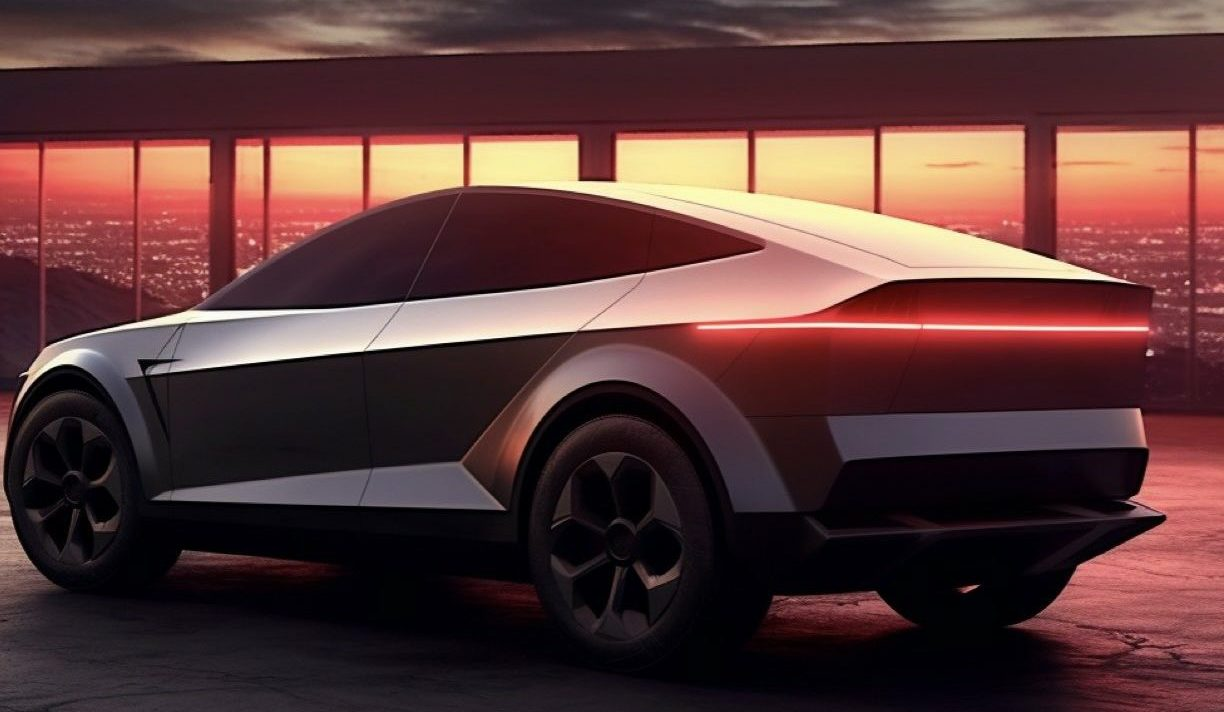
Tesla CEO Elon Musk has long envisioned a future where Tesla’s robotaxis, powered by self-driving technology, are a part of everyday transport. Yet Tesla faces major regulatory and technological challenges to achieving this vision. With Donald Trump’s election victory, Musk may find an opportunity to push for favorable regulations to speed up Tesla’s progress in the self-driving car arena. Musk, a prominent supporter of Trump, contributed over $119 million to Trump’s campaign and may now hold influence in shaping policies that could ease Tesla’s regulatory burden.

Navigating State Regulations and Seeking Federal Reform

Currently, Tesla must navigate a patchwork of state-level regulations on autonomous vehicles. In an October earnings call, Musk criticized this state-by-state approach, expressing hope for a unified federal regulatory standard. Musk is expected to advocate for a federal approval process for autonomous vehicles, leveraging his close relationship with Trump. If a centralized approval process were to materialize, Tesla could potentially bypass stricter state requirements, especially in California, where the regulatory landscape has slowed Tesla’s robotaxi development.

Musk’s ties to the incoming administration could prove influential in appointments to the Department of Transportation, which oversees the National Highway Traffic Safety Administration (NHTSA) and could be instrumental in nationalizing autonomous vehicle regulations. However, even if federal regulations ease, Tesla would still face technological and legal obstacles, such as proving the safety of its autonomous technology and addressing liability and insurance concerns.

Technological Hurdles and California’s Stringent Standards

Despite Musk’s enthusiasm, Tesla’s current self-driving technology is significantly behind competitors in testing mileage and approval status. Tesla has only logged 562 miles of autonomous testing on California roads since 2016 and has not submitted reports to California regulators since 2019. In contrast, Alphabet’s Waymo has logged over 13 million testing miles in California, earning permits to operate a commercial robotaxi fleet. While Musk envisions a Tesla fleet capable of fully autonomous operation, experts warn that Tesla’s current “Full Self-Driving” system still requires human oversight and is not ready for full autonomy.

The California Department of Motor Vehicles, which enforces strict guidelines, could pose a barrier to Tesla’s national robotaxi ambitions. For example, only six companies, including Amazon’s Zoox and General Motors’ Cruise, have achieved driverless testing approvals after logging millions of supervised miles. Achieving these approvals is crucial for Tesla, as California remains the largest market for Teslas in the U.S. and is a key testing ground for autonomous vehicles.

Tesla’s Business Model and Unique Challenges

Tesla’s approach to autonomous driving differs from most competitors. While Waymo and other companies operate robotaxi fleets in limited, heavily mapped areas and use multiple redundant safety systems, Tesla aims to sell vehicles capable of driving autonomously in any location. Musk has emphasized Tesla’s focus on “computer vision,” relying on cameras and AI to navigate, unlike Waymo’s use of radar and lidar for additional environmental mapping. Musk has repeatedly claimed that Tesla’s technology will be ready within a year, although these predictions have often gone unfulfilled.

Another unique aspect of Tesla’s robotaxi model is its potential liability exposure. Tesla has avoided full autonomy so far, partly to limit liability in the event of accidents, as it can place responsibility on drivers under current semi-autonomous systems. However, deploying fully autonomous vehicles could shift legal responsibility onto Tesla, as the absence of a driver would remove shared accountability in accidents.

Federal vs. State Jurisdiction and the Path Ahead

If federal regulations were to preempt state laws, Tesla could benefit from reduced regulatory barriers in states with stringent requirements like California. Yet the division between state and federal jurisdiction remains complex. NHTSA regulates vehicle design, while states govern driver behavior, leaving ambiguity in cases where the “driver” is an AI system. Bryant Walker Smith, a legal expert, notes that NHTSA might interpret its authority more broadly if pushed toward a certain political outcome, potentially leading to national autonomous-vehicle standards.

Still, federal easing of regulations may not eliminate legal risks. Autonomous vehicle companies operating in less-regulated states, like Texas, where regulations are minimal, may face significant liability challenges. Without strict state-mandated standards, Tesla would have less regulatory support to defend its safety claims if autonomous Teslas were involved in accidents.

Market Reactions and Tesla’s Future

Despite the obstacles, Musk’s announcements have impacted investor sentiment. While a recent robotaxi unveiling saw Tesla stock dip due to perceived lack of detail, shares have risen over 30% since Trump’s election, reflecting investor optimism about possible regulatory support for Tesla’s autonomous-driving ambitions. Nevertheless, Tesla remains behind its rivals in testing and approvals, with Musk’s vision still requiring years of development.

Looking forward, Tesla’s success with robotaxis will likely depend not only on federal policy changes but also on advances in technology and comprehensive testing. For Tesla, achieving a seamless integration of autonomous vehicles into the market will require addressing both regulatory and legal complexities, along with convincing both regulators and the public of the safety and reliability of its self-driving system.


Walt Disney Creates New Business Unit to Oversee AI and Augmented Reality Integration

Walt Disney is taking significant steps to harness the power of emerging technologies by establishing a new division dedicated to artificial intelligence (AI) and augmented reality (AR), marking a strategic move to further innovate across its various business sectors. The newly formed Office of Technology Enablement will focus on coordinating the use of AI and mixed reality (XR) technologies within Disney’s film, television, and theme park operations. This group will centralize efforts to explore how these cutting-edge technologies can enhance both consumer experiences and creative processes across Disney’s expansive media empire.

The initiative will be led by Jamie Voris, Disney’s current Chief Technology Officer for the film studio, who has been instrumental in the development of Disney’s app for the Apple Vision Pro mixed reality headset. Voris’s leadership in this space highlights Disney’s commitment to integrating XR technologies into its content creation and consumer offerings. As part of this transition, Eddie Drake will take over as the new CTO of Disney’s film studio, continuing the company’s technological innovation in entertainment.

In an email shared by Reuters, Disney Entertainment Co-Chairman Alan Bergman emphasized the transformative potential of AI and XR, noting that the rapid advancements in these fields are already reshaping consumer interactions and creative endeavors. Bergman underscored the necessity of embracing these technologies, saying that they will play an increasingly vital role in both the future of entertainment and Disney’s business strategy. He also acknowledged the importance of carefully navigating the associated risks, ensuring that Disney remains at the forefront of these evolving technologies while safeguarding its core values.

The formation of the Office of Technology Enablement marks a critical step for Disney as it seeks to maintain its leadership in the ever-changing media landscape. By integrating AI and AR into its various platforms, Disney aims to not only create more immersive and engaging experiences for its audiences but also to streamline production and creative processes. The company’s forward-thinking approach will allow it to better compete in the highly dynamic entertainment industry, where technological innovation is becoming a key driver of success.