
OpenAI Partners with Broadcom and TSMC to Create First Custom Chip, Reduces Foundry Plans

OpenAI is collaborating with Broadcom and TSMC to develop its first custom-designed chip aimed at enhancing its artificial intelligence (AI) infrastructure. This move comes as the company looks to manage the growing demands of its AI systems, especially those powering popular tools like ChatGPT. To complement its own chip efforts, OpenAI is also integrating AMD chips alongside its existing Nvidia chips to optimize its computational power and meet the increasing infrastructure needs.

In an effort to diversify its chip supply and reduce reliance on a single manufacturer, OpenAI has explored several strategies. The company has evaluated the feasibility of producing chips entirely in-house, a path that would allow for more control over the technology but would come with significant financial and logistical challenges. One of the most ambitious options was to build a network of “foundries,” or manufacturing plants, dedicated to producing its own chips.

However, sources reveal that OpenAI has now decided to scale back on its foundry ambitions. The high costs and lengthy timelines associated with constructing and operating such a network proved to be more than the company was willing to commit to at this stage. Instead, OpenAI has opted to focus on developing its in-house chip design capabilities, partnering with established manufacturers like Broadcom and TSMC to bring these innovations to life.

This shift in strategy reflects OpenAI’s careful balance between innovation and practicality. By leveraging the expertise of industry leaders in chip manufacturing, the company aims to streamline its AI infrastructure while keeping costs in check. This approach allows OpenAI to scale its operations efficiently without sacrificing the cutting-edge performance that its AI systems require.
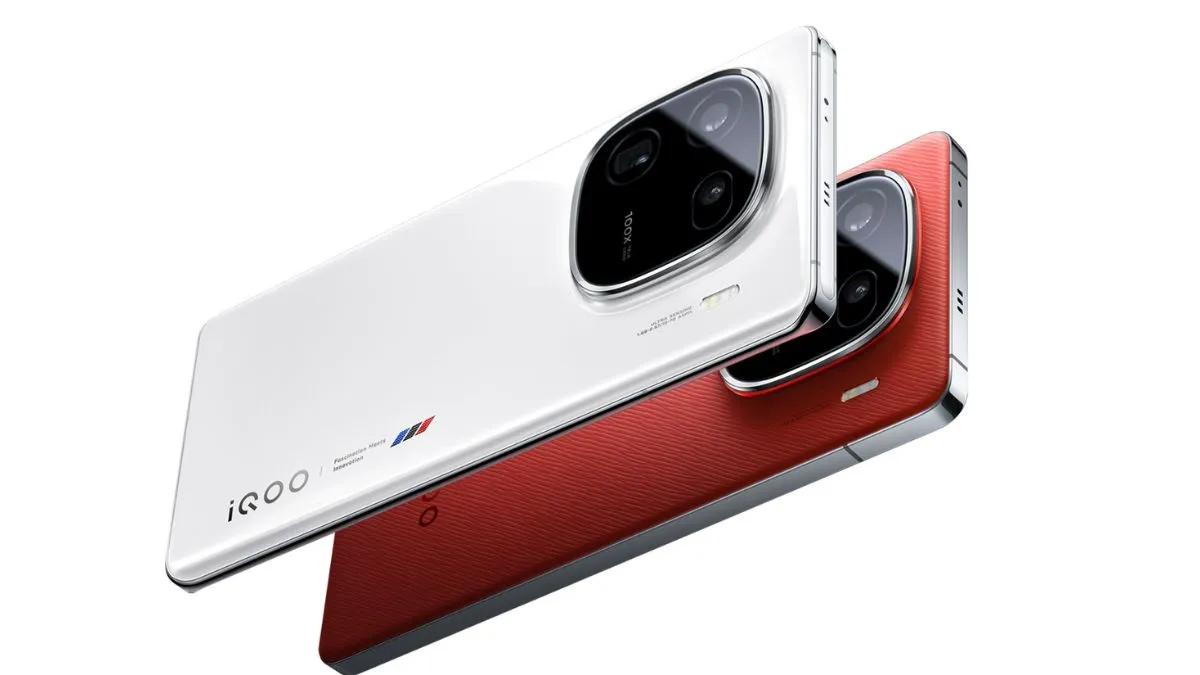

iQOO 13 Launches with Snapdragon 8 Elite SoC and 120W Fast Charging: Pricing and Key Features Revealed

iQOO has officially unveiled its latest flagship, the iQOO 13, in China. The smartphone is powered by the cutting-edge Qualcomm Snapdragon 8 Elite SoC, paired with up to 16GB of RAM and up to 1TB of storage, offering top-tier performance for gaming and multitasking. In addition, the device is equipped with iQOO’s proprietary Q2 gaming chip, enhancing its ability to deliver a smooth gaming experience. The iQOO 13 runs on Android 15 with the OriginOS 5 skin, providing a customizable and user-friendly interface.

One of the standout features of the iQOO 13 is its impressive camera setup. The phone boasts a 50-megapixel triple rear camera system, promising high-quality photos in various lighting conditions. For selfies, the device sports a 32-megapixel front-facing camera, ideal for capturing detailed and vibrant images. With these advanced camera capabilities, the iQOO 13 aims to provide users with an all-around excellent photographic experience.

The iQOO 13 is currently available for purchase in China, with a starting price of CNY 3,999 (approximately Rs. 47,200) for the base 12GB RAM + 256GB storage variant. The higher storage options include the 12GB + 512GB model priced at CNY 4,499 (around Rs. 53,100), while the 16GB RAM versions start from CNY 4,299 (roughly Rs. 50,800) for the 256GB variant, going up to CNY 5,199 (about Rs. 61,400) for the 1TB storage option. The iQOO 13 is available through the Vivo China e-store and comes in several attractive color options, including Isle of Man, Legendary Edition, Nardo Grey, and Track Edition.

Although the iQOO 13 is currently exclusive to China, the company has confirmed that it will soon launch the device in India. Given its high-end specifications and gaming-oriented features, the iQOO 13 is expected to be a strong contender in the premium smartphone market once it arrives in other regions.

Xiaomi Unveils 2025 TV S Pro Mini LED Series with 240Hz Refresh Rate and Panels Up to 100 Inches: Pricing and Features

Xiaomi has unveiled its latest range of smart products, including the highly anticipated Xiaomi 15 series smartphones, Xiaomi Pad 7 tablets, Xiaomi Watch S4, and the Smart Band 9 Pro. Among the exciting announcements, the company also introduced the Xiaomi TV S Pro Mini LED 2025 series, a new lineup of advanced smart televisions. These new TVs come with 4K mini LED displays in four different sizes: 65-inch, 75-inch, 85-inch, and 100-inch. Powered by the quad-core Arm Cortex A73 MediaTek chipsets, paired with the G57 MC1 GPU, the TVs offer impressive processing power. Additionally, they come equipped with 4GB of RAM and 64GB of storage, ensuring smooth performance for all multimedia needs.

The pricing for the Xiaomi TV S Pro Mini LED 2025 series starts at CNY 4,599 (approximately Rs. 54,300) for the 65-inch model, with the 75-inch version available for CNY 6,499 (roughly Rs. 76,700). The larger 85-inch and 100-inch models are priced at CNY 8,499 (around Rs. 1,00,300) and CNY 12,999 (approximately Rs. 1,53,500), respectively. These models are now available for purchase via Xiaomi’s China e-store, giving local consumers early access to the new technology. As of now, there’s no word on international availability, but the pricing suggests a premium range aimed at high-end TV enthusiasts.

The Xiaomi TV S Pro Mini LED 2025 series boasts an impressive array of specifications and features that make it stand out in the competitive television market. Each model offers 4K resolution (3,840 x 2,160 pixels), ensuring crisp and detailed images, ideal for streaming, gaming, and movie watching. A standout feature is the 240Hz refresh rate, which ensures fluid motion and reduces motion blur, making it ideal for fast-paced content such as sports or video games. Additionally, the TVs come with 3,200nits of peak colour brightness, providing vivid and bright visuals even in well-lit rooms. The wide colour gamut with 95% DCI-P3 coverage ensures accurate and rich colours, while professional Delta E-rated colour accuracy enhances the overall viewing experience.

For those concerned about eye strain, the Xiaomi TV S Pro Mini LED 2025 series integrates “Qingshan Eye Care” technology, which aims to reduce eye fatigue, making long viewing sessions more comfortable. With this feature, the television adjusts its brightness and colour output based on the viewing environment and user preferences, making it a suitable choice for family-friendly homes or those who spend extended periods watching TV. Combined with the sleek design and powerful hardware, these TVs are positioned to deliver an exceptional multimedia experience, offering a high level of performance and visual quality for all kinds of entertainment.