
Shadow ‘Financial Crisis’ from Climate Disasters Costs World $2 Trillion, ICC Report Warns

The rising economic toll of climate-related disasters has reached a staggering $2 trillion globally, a new report by the International Chamber of Commerce (ICC) reveals. Over the past decade, the economic damage from extreme weather events has soared, rivaling the financial toll of the 2008 global financial crisis. Released just as the United Nations Climate Change Conference kicks off in Azerbaijan, the ICC report highlights the need for swift, coordinated policy action to curb greenhouse gas emissions.

From 2014 to 2023, nearly 4,000 extreme weather events across six continents inflicted severe financial costs, disrupting homes, infrastructure, and human productivity worldwide. The report estimates that 1.6 billion people were impacted by climate disasters in this period. The ICC emphasizes that climate change is not a distant threat but an immediate economic issue, with damages from weather-related disasters climbing 83% between 1980-1999 and 2000-2019.

In the most recent years, 2022 and 2023 alone, climate damages reached $451 billion, marking a 19% rise compared to the previous eight-year average. According to ICC Secretary-General John W.H. Denton AO, these figures underline the urgent need for global leaders to respond with decisive action, akin to the response to the 2008 financial crisis.

The report’s release follows the re-election of Donald Trump as U.S. President, who has vowed to reverse various climate regulations. During his previous term, Trump withdrew the U.S. from the Paris Climate Agreement, arguing it imposed excessive economic burdens. This approach contrasts sharply with the ICC’s call for intensified efforts to limit emissions and mitigate climate change’s financial and human impacts.

Meanwhile, recent data from Europe’s Copernicus Climate Change Service suggests that 2024 is likely to become the hottest year on record, underscoring the critical need for immediate action. The ICC report serves as a stark reminder of the costly toll that inaction on climate change will exact on global economies.
 

Northern Taurid Meteor Shower Peaks, Offering Chance to See Brilliant Fireballs

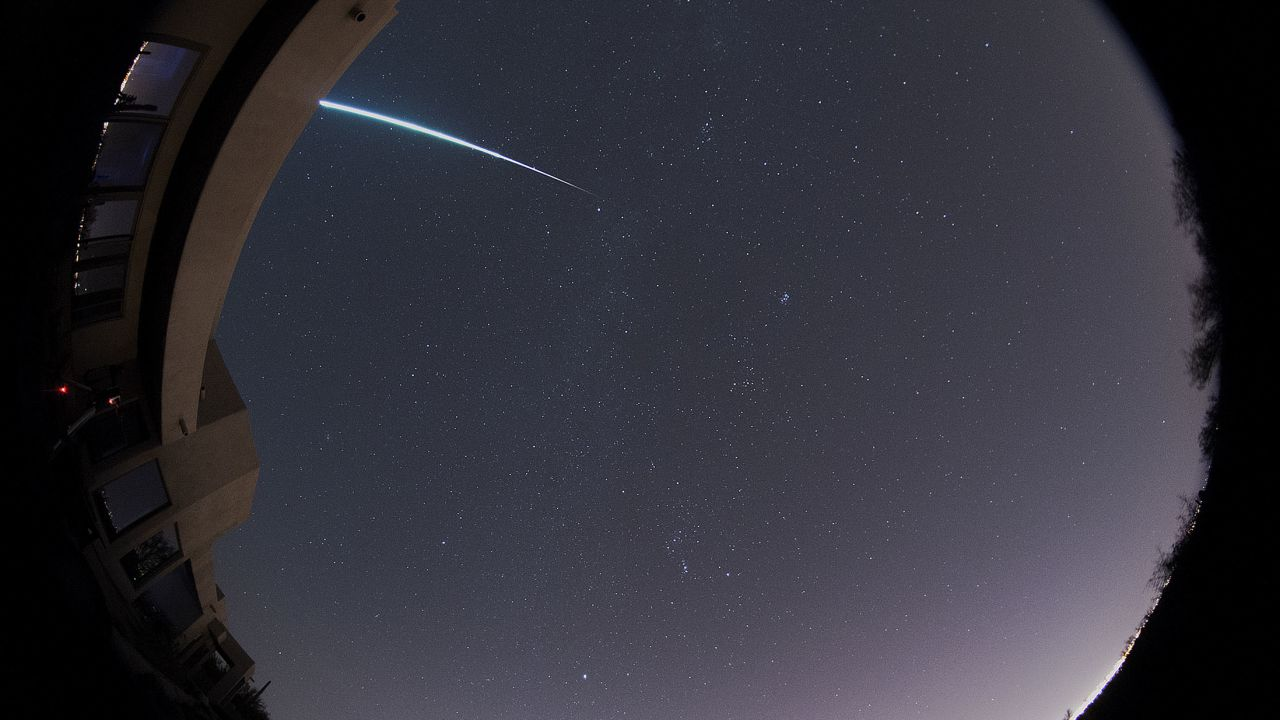
Sky-watchers have another opportunity to view dazzling fireballs as the Northern Taurid meteor shower reaches its peak. The event, which began in mid-October, will be most visible from late Monday night into Tuesday, with the best time for sightings expected after midnight, according to NASA.

The Northern Taurids radiate from the Taurus constellation and are visible worldwide, except in Antarctica, noted Dr. Shannon Schmoll, director of Abrams Planetarium at Michigan State University. However, a 79% full moon may make it difficult to spot meteors in the earlier evening hours, the American Meteor Society (AMS) cautioned. Schmoll advises waiting until the moon is closer to setting for a clearer view, suggesting viewers find a dark area, get comfortable, and remain patient.

The Northern Taurids are generated by debris from Comet Encke, which completes a full orbit around the sun in just 3.3 years—the shortest known cometary orbit. Unlike major meteor showers, the Northern Taurids produce fewer meteors (around five per hour) but offer an elevated chance to witness spectacular fireballs. These larger meteors, sometimes as bright as Venus, can create striking visual trails that linger after the meteor has passed, known as “trains” or smoke trails.

Schmoll encourages viewers to take in the celestial display, noting that meteor showers help foster a connection with the natural world. Beyond their visual appeal, these showers offer astronomers and enthusiasts new insights into our solar system’s history and formation.

The Northern Taurids will remain active until December 2, providing continued chances to catch fireballs lighting up the night sky.

Upcoming Celestial Events

  • Meteor Showers:
    • Leonids: November 16-17
    • Geminids: December 12-13
    • Ursids: December 21-22
  • Full Moons:
    • Beaver Moon (Supermoon): November 15
    • Cold Moon: December 15

Singapore Airlines Shares Dip as Profits Plummet Amid Rising Competition

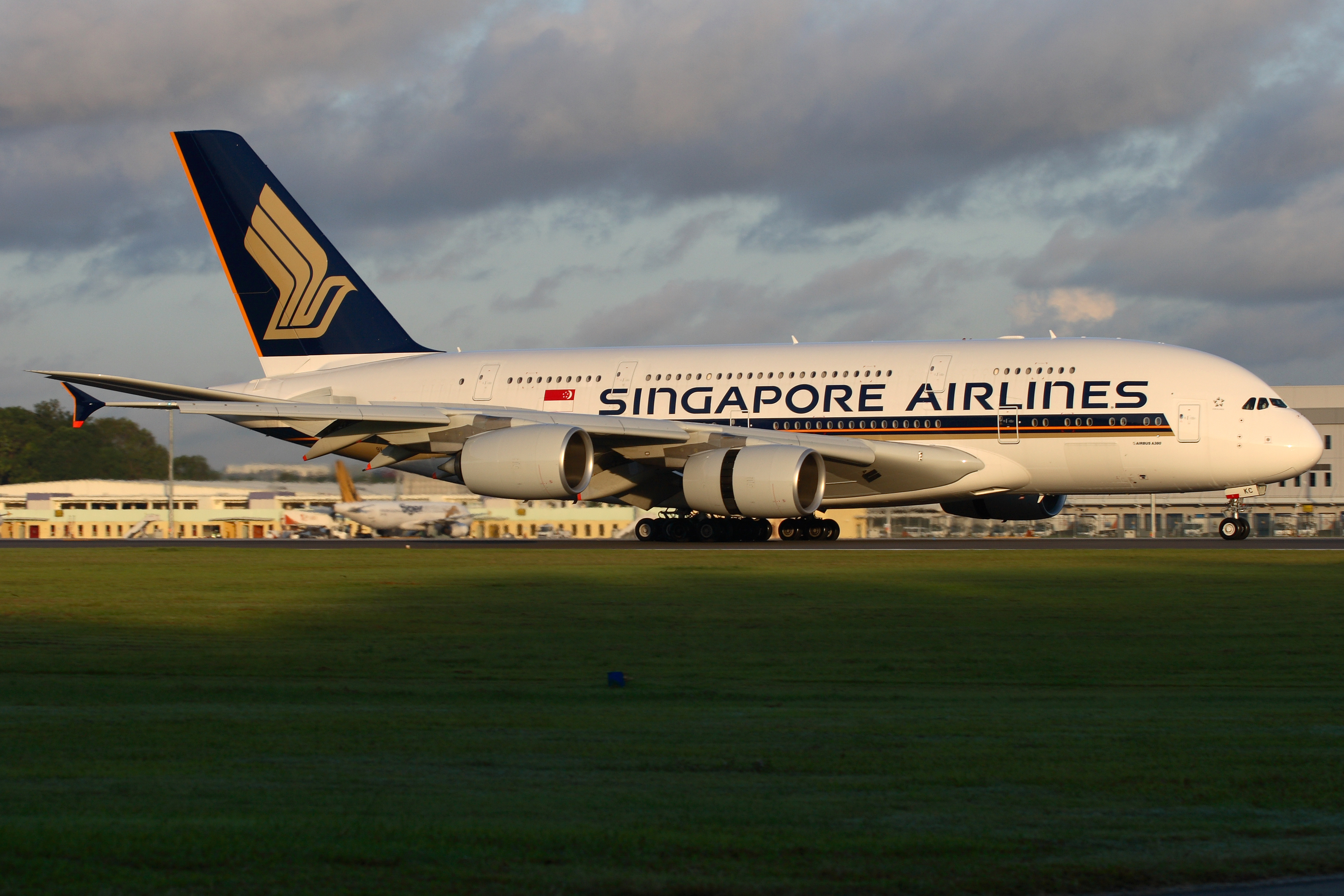
Shares of Singapore Airlines (SIA) fell sharply after the airline announced a nearly 50% drop in net profits for the April-September period, attributing the decline to intense competition and lower yield. The company’s shares plunged by as much as 6.2% when markets opened on Monday, recovering slightly to end 3.57% lower.

For the first half of the fiscal year, SIA reported a net profit of SG$742 million (US$559.12 million), nearly halving from SG$1.44 billion during the same period last year. Operating profits also dropped by 48.8% to SG$796 million from SG$1.55 billion, despite a 3.7% increase in revenue to SG$9.5 billion. Despite the steep decline, the airline declared an interim dividend of 10 Singapore cents per share.

The airline attributed the fall in operating profits to growing competition and increased capacity across key markets, which put downward pressure on ticket prices and yields. During an earnings briefing, Chief Commercial Officer Lee Lik Hsin noted that SIA is facing tougher competition as other airlines restore pre-pandemic capacity levels. SIA CEO Goh Choon Phong added that the return to higher capacity levels has created additional pressure on yields compared to last year.

While passenger traffic grew by 7.9% year-on-year, this was outpaced by a capacity expansion of 11%, leading to a slight drop in the passenger load factor—a metric reflecting seat occupancy—by 2.4 percentage points, settling at 86.4%. Lee emphasized that SIA will continue to expand its capacity, despite the competitive environment.

Looking ahead, Singapore Airlines expressed optimism about sustained demand for air travel in the latter half of the financial year but acknowledged that competition will remain intense. The airline recently announced a SG$1.1 billion cabin retrofit program for its fleet of Airbus A350 long-range and ultra-long-range jets, with plans for the first retrofitted aircraft to be operational by 2026 and full completion by 2030.