China’s Birth Rate Crisis: Limited Incentives Amid Growing Challenges

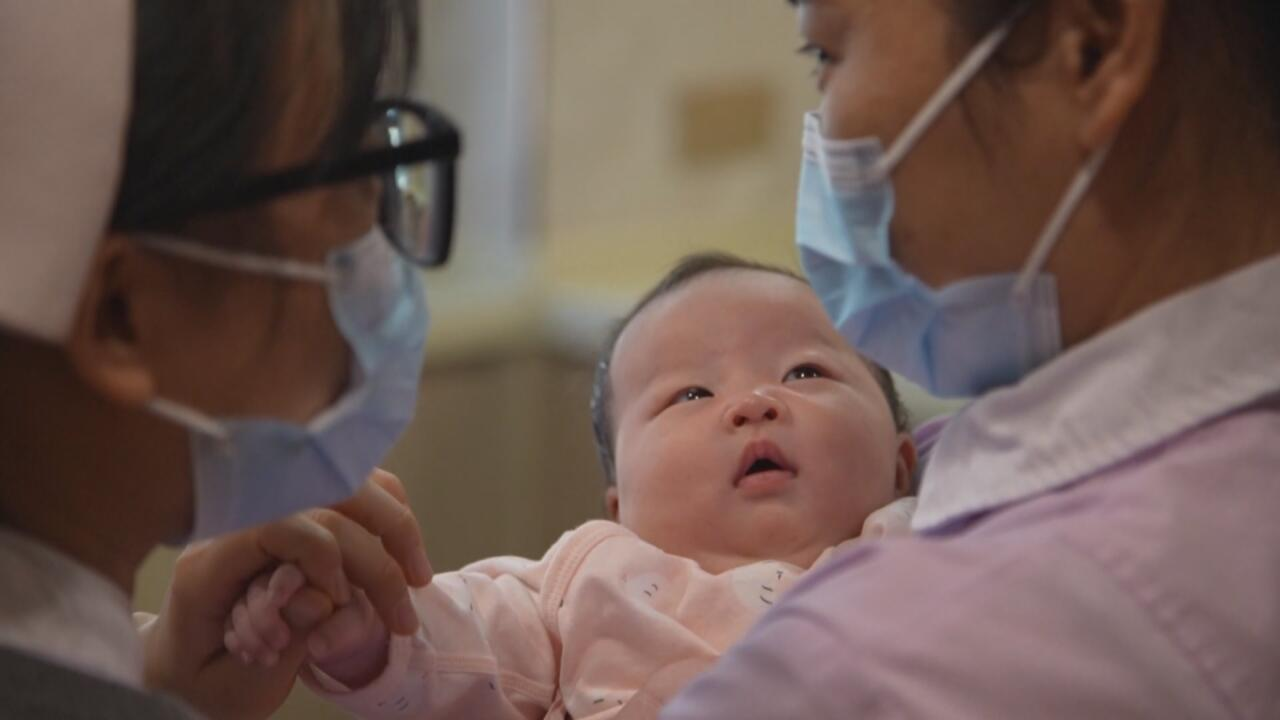
China’s recent initiatives to increase birth rates have done little to address the underlying causes of the country’s declining birth rates, according to analysts. Despite lifting the one-child policy nearly a decade ago, birth rates remain at historic lows. In 2022, China recorded only 9.02 million births, a record low, and new marriage registrations fell by 25% year-on-year in the third quarter, setting a trajectory for the lowest figures since 1979.

China’s pro-natal policies thus far focus on easing family planning but have yet to spark the desired “birth spurt.” Lauren Johnston, associate professor at the University of Sydney, explains that these policies are designed more to “support families” rather than boost birth rates significantly. Some recent measures include extending maternity leave from 98 to 158 days and offering subsidies for families with children under age 3. However, Johnston points out that these policies mark “a small step in a long-run agenda.”

The influence of China’s former one-child policy still lingers, shaping young people’s attitudes toward family planning and limiting birth rates. Harry Murphy Cruise, economist at Moody’s Analytics, highlights a “mental hangover” from the policy that has reshaped family expectations. Combined with economic uncertainty and a slowed job market, many young adults feel hesitant to start families. China’s youth unemployment rate reached a record high of 18.8% in August, indicating the financial pressures that further dissuade young couples from having children.

China’s total fertility rate in 2022 stood at 1.2 births per woman, far below the U.S. rate of 1.7. Forecasts from the United Nations predict that by 2100, China could see its population halve, marking the steepest demographic decline globally. The nation’s share of world births is expected to decrease to 3% by 2100 from 8% in 2021, according to Austin Schumacher of the University of Washington. Even with innovations in pro-natal policies, Schumacher suggests such measures may not significantly reverse this trend.

Income stability and the affordability of raising children are major concerns. China’s economy has slowed in recent years, compounded by an ongoing real estate slump and regulatory crackdowns on various sectors that have weakened job growth for young workers. Economist Sheana Yue from Oxford Economics argues that meaningful measures to boost incomes and reduce household costs would significantly influence family planning decisions. Efforts by Chinese health authorities to encourage employers to support extended maternity leave are also underway, yet more comprehensive policies may be needed to inspire real confidence.

Urbanization adds another layer to the problem. About 65% of China’s population lives in cities, a notable increase from 19% in 1980. For many in China’s urban centers, long work hours and a high cost of living discourage marriage and childbearing, weakening the impact of any current incentives. Darren Tay, head of APAC country risk at BMI, notes that urban lifestyles and “hectic work schedules” often reduce the likelihood of starting families, even with incentives in place.

China’s approach to pro-natal policies has faced criticism for lack of meaningful incentives. For instance, there have been reports of local social workers calling women to inquire about their pregnancy status, potentially infringing on privacy. The government has also tasked local authorities with setting up public childcare centers and relaxing housing loan limits for larger families. Yet, as Tianchen Xu from the Economic Intelligence Unit points out, the success of these policies varies greatly, dependent on the financial capacity and commitment of each local authority.

Looking forward, Nomura economists predict that China may announce significant investments of up to 500 billion yuan ($70 billion) annually to encourage births during a parliamentary session in March. However, analysts argue that to reverse the trend, stronger, more direct financial incentives—especially subsidies and housing benefits—are essential. Without significant changes, China’s demographic crisis could deepen, impacting its future workforce and economic growth.

 

Global Competition for Hosting Formula 1 Races Intensifies

As Formula 1 (F1) races continue to captivate international audiences, the race to host a 2026 Grand Prix has become fiercely competitive, with several nations vying for limited slots on the prestigious calendar. Current circuits are scrambling to secure contract extensions, while new contenders from Thailand and South Korea have submitted bids. Meanwhile, other nations, including India and Rwanda, are rapidly developing infrastructure to bolster their applications, aiming to attract F1’s substantial economic impact.

F1 CEO Stefano Domenicali emphasized the importance of the bids received, noting that calls from heads of state indicate the gravity of hosting a Grand Prix. “This is not political,” he explained, “it is something really substantial.” However, the stakes are high for countries that may lose their place on the calendar, as exemplified by Belgium, where the annual Grand Prix injects an estimated $248 million into the local economy. Belgium’s prime minister, concerned about the potential impact on the country’s finances, has been actively lobbying F1 executives to keep the event on the calendar.

Middle Eastern nations have also made significant investments in F1 as part of broader economic diversification goals. Abu Dhabi, which entered the F1 calendar in 2009, famously constructed the $40 billion Yas Island, transforming it into a luxury tourist destination now drawing millions of annual visitors. Saudi Arabia has similarly leveraged F1 to promote tourism, with data indicating that U.S. race fans are twice as likely to consider visiting Saudi Arabia compared to other Americans. As Robin Fenwick, CEO of sports marketing agency Right Formula, put it, “Formula One doesn’t showcase the race, it showcases the city.”

Longstanding races, including the iconic Monaco Grand Prix, are feeling the pressure as F1 evaluates the economic returns of each event. Monaco, known for its glamorous Monte Carlo setting, draws immense media attention, with local businesses profiting significantly during the event. However, Monaco currently pays a fraction of what newer hosts, like Saudi Arabia, contribute to F1. Some leaders, like McLaren CEO Zak Brown, have suggested that F1’s survival does not depend on Monaco, as other races such as Miami, Las Vegas, and Singapore are generating high ratings and financial contributions.

The shift toward commercial profitability has sparked some criticism from F1’s core fan base. Rising ticket prices, partly due to F1’s new “dynamic pricing” model, have raised concerns about accessibility for families. Nevertheless, F1’s weekend events, featuring concerts from popular artists like Ed Sheeran and Stormzy, have attracted broader audiences, aligning with a trend toward making Grand Prix weekends more family-friendly and socially engaging.

In the U.S., F1’s approach has paid off considerably. The 2023 Las Vegas Grand Prix alone generated an estimated $1.2 billion in economic impact through tourism, entertainment, and infrastructure investments. Domenicali likened the impact of F1’s U.S. events to the American Super Bowl, claiming, “We are bigger.”

As F1 balances its traditional racing appeal with its expanding mainstream influence, Domenicali and the F1 leadership will face challenging decisions. The sport’s economic weight means that removing any event from the calendar will have significant repercussions for the regions involved, underscoring the high stakes and broader implications of hosting an F1 race.


Key Opposition Leader in Japan Admits to Affair Amid Political Shift

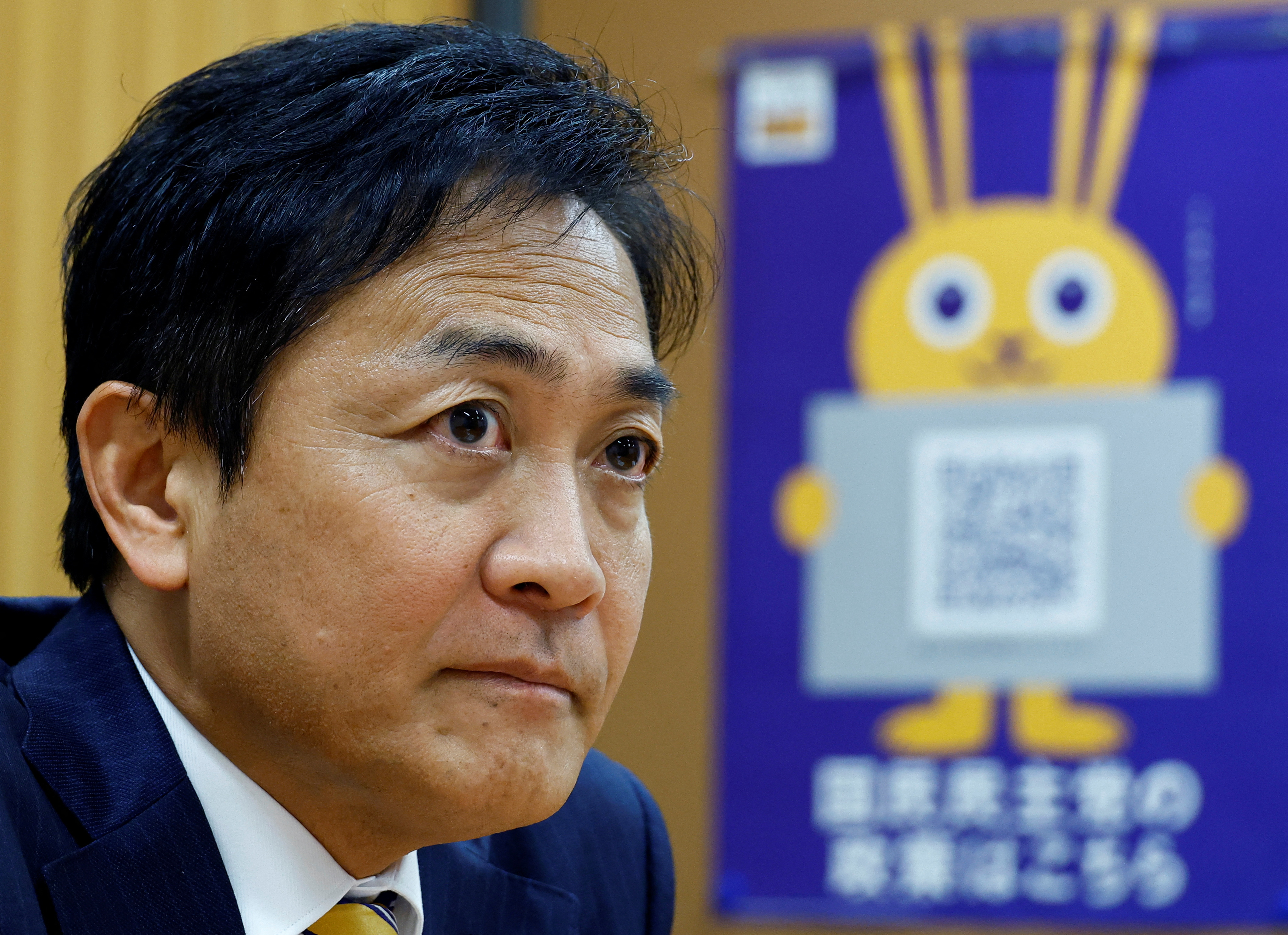
Yuichiro Tamaki, leader of Japan’s Democratic Party for the People (DPP), admitted on Monday to an extramarital affair reported by the tabloid SmartFlash, potentially complicating his role as a critical power broker in Japan’s evolving political landscape. The affair, involving a 39-year-old model and entertainer, was documented by the tabloid with photos of Tamaki, 55, meeting the woman in both July and October. At an impromptu news conference, Tamaki acknowledged the report, stating, “The facts reported this morning are basically true,” and apologized publicly for the situation.

Despite the scandal, Tamaki has retained full support from his party members to remain as leader, according to DPP Secretary General Kazuya Shimba. In response to the affair, Tamaki shared a personal message from his wife, who had emphasized the importance of loyalty: “You can’t protect the country if you can’t protect the person closest to you.” He expressed regret and commitment to move forward, promising to “reflect on my action and do my best to work in a way that is in the best interests of the country.”

This revelation comes at a pivotal time in Japanese politics as lawmakers prepared for a special parliamentary session on Monday to decide if Prime Minister Shigeru Ishiba should continue in his role. Ishiba’s ruling coalition lost its lower house majority in last month’s election, diminishing his mandate but leaving his party with the largest seat bloc. While Tamaki’s DPP had initially signaled they would not support Ishiba in Monday’s vote, the party is open to collaborating with the ruling Liberal Democratic Party (LDP) on specific policy initiatives.

As Ishiba contends with a fragile minority government, Tamaki’s DPP emerges as a potential ally for pushing key legislation, even amid the turbulence caused by his personal controversy.