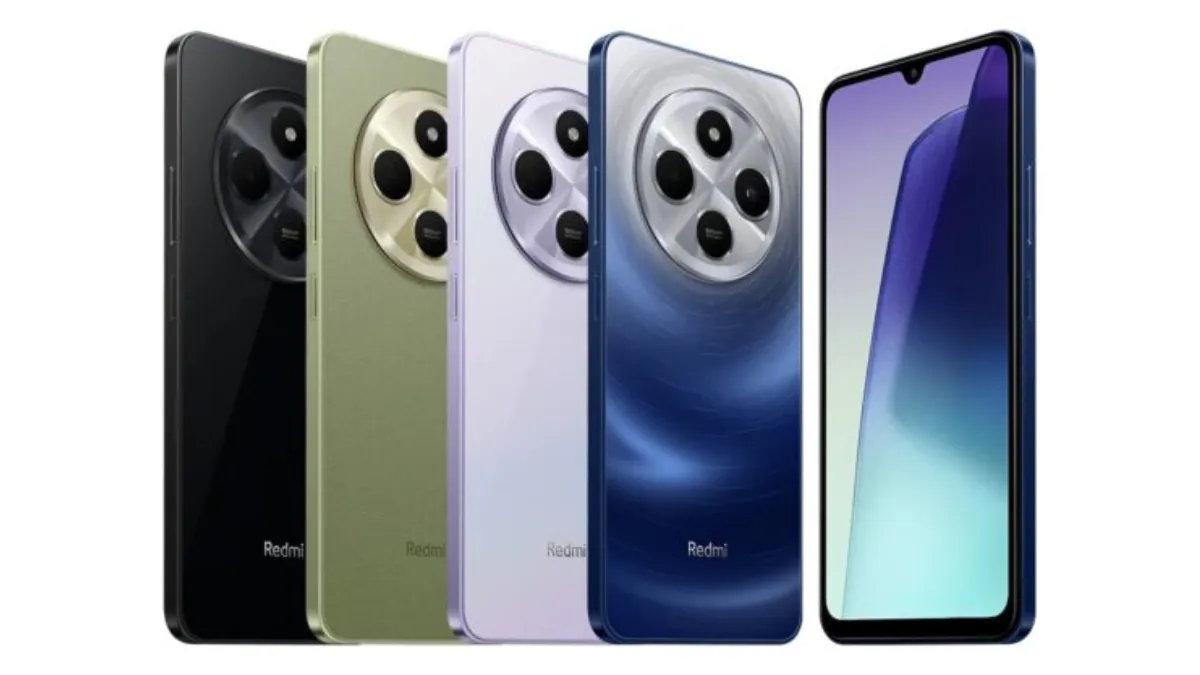
Redmi A3 Pro Debuts With 5,160mAh Battery, Bluetooth Listing Hints at Global Expansion

The Redmi A3 Pro has officially launched in select international markets, showcasing a balance of affordability and impressive specs aimed at budget-conscious consumers. Recently spotted on the Bluetooth SIG website, the listing hints that this new device could soon expand to more regions globally. Equipped with a 6.88-inch LCD display, a MediaTek Helio G81 Ultra processor, and a 50-megapixel dual rear camera, the A3 Pro is designed to offer value in the mid-range smartphone category. The phone also boasts a large 5,160mAh battery and a side-mounted fingerprint sensor, suggesting that it’s potentially a rebranded version of the Redmi 14C or the Poco C75, both popular models in similar price ranges.

The Bluetooth SIG listing for the Redmi A3 Pro, under the model number 2409BRN2CG, doesn’t reveal specific details beyond its Bluetooth compatibility. However, this certification process typically indicates that a device is close to or ready for a broader launch. Such certifications are often the final step before a device is introduced in multiple new markets, indicating that Redmi might soon offer the A3 Pro in regions beyond its current availability.

In terms of pricing and configuration options, the Redmi A3 Pro is competitively priced, starting at KES 12,499 (approximately Rs. 8,100) in Kenya for the 4GB RAM and 128GB storage model. Additional variants offer up to 6GB and 8GB of RAM, alongside 128GB or 256GB storage options, allowing users to choose configurations that best suit their needs. Available in several color options, the A3 Pro is already accessible through the official e-store in Kenya and Nigeria, with availability in other markets likely to follow.

With its powerful battery, capable camera setup, and accessible price point, the Redmi A3 Pro seems well-positioned for success in various global markets. As more consumers look for high-value devices in the mid-range segment, the A3 Pro’s upcoming wider release could give Redmi a competitive edge, especially in regions where budget-friendly phones with robust features are in high demand. Fans of the brand are eagerly awaiting official announcements regarding expanded availability, and the Bluetooth certification hints that they may not have to wait much longer.


Apple Releases iOS 17.7.1 Update for iPhones Not Eligible for iOS 18

Apple has recently introduced the iOS 17.7.1 update for iPhone users who haven’t yet upgraded to iOS 18, the latest iteration of the company’s operating system. While this update doesn’t bring any new features to the table, it focuses on resolving significant security vulnerabilities. The patches address critical issues such as leaks of sensitive kernel data, the risk of modifying protected system files, and iframe sandboxing policy violations. Apple’s priority with this release is to enhance device security for users on older iOS versions, ensuring that they remain protected even if they haven’t upgraded to iOS 18.

This update arrives alongside Apple’s iOS 18.1 release, which introduces “Apple Intelligence,” a suite of AI-driven features that marks Apple’s commitment to incorporating artificial intelligence throughout its ecosystem. However, the iOS 17.7.1 update stands apart, focusing exclusively on security fixes rather than feature enhancements. With iOS 18 focusing on future-forward functionalities, the release of 17.7.1 signals Apple’s dedication to safeguarding user data across all its supported operating systems, even for those using older devices.

According to Apple’s official changelog, the iOS 17.7.1 update is limited to iPhone models not updated to iOS 18 or the latest 18.1 software. One of the key vulnerabilities fixed in this update is CVE-2024-44239, a flaw that Apple identified as potentially allowing apps to leak sensitive kernel information. This vulnerability, categorized as an information disclosure issue, has been mitigated by implementing improved private data redaction for log entries. By addressing such vulnerabilities, Apple ensures a more secure experience for its users who may not yet be ready or able to upgrade to iOS 18.

The iOS 17.7.1 release underscores Apple’s proactive approach to device security, even as it rolls out new, AI-powered capabilities in its latest operating system. For those holding onto older models or taking a slower approach to updating, Apple’s security focus remains a priority. As the tech landscape becomes increasingly complex, Apple’s emphasis on protecting all users—from those with cutting-edge technology to those with legacy devices—illustrates the company’s commitment to a secure user environment across its ecosystem.

Apple Anticipates Major Revenue Surge Fueled by High iPhone Demand in China

Apple is set to report its largest quarterly revenue increase in two years this Thursday, as strong demand for iPhones—especially in China—drives growth toward the end of its annual product cycle. Analysts expect this uptick to stand out compared to recent years, marking a potential shift in momentum as the company capitalizes on renewed interest in its flagship product in key global markets.

This report will offer investors their first look at demand for Apple’s latest iPhone 16 series, which launched just days before the close of Apple’s fiscal fourth quarter. Initial figures and regional performance data will be closely scrutinized to gauge how the new model is performing, particularly in China, where Apple has been working to strengthen its position in an increasingly competitive smartphone market.

However, investors may be even more focused on Apple’s guidance and executive insights into its fiscal first quarter, traditionally a high-revenue period due to holiday sales. The company’s rollout of new “Apple Intelligence” features—its AI-driven ecosystem—is in its early stages, and some analysts worry that a slow release schedule may hold back a much-anticipated “super-cycle” in iPhone sales, which Apple hopes will be powered by AI enhancements to its best-selling product line.

The anticipated report underscores both optimism and caution as Apple navigates the challenges of an AI-centric tech landscape. With heightened interest in AI technology and competitive pressure from rivals in both hardware and software, Apple’s performance in the coming months could serve as a critical indicator of its ability to maintain its industry-leading position while adapting to new trends.