
Kate Winslet Reunites with ‘Titanic’ Violinist While Producing New Film ‘Lee’

Kate Winslet recently experienced a nostalgic and unexpected reunion with a fellow Titanic cast member while working on her latest film, Lee. During an appearance on The Graham Norton Show, Winslet shared the heartwarming encounter that took place while overseeing the film’s scoring session in London.

In Lee, Winslet stars as Lee Miller, a former model who became a pioneering war photographer during World War II. The film also marked a new milestone in Winslet’s career as she took on the role of a full producer for the first time, a role that required her involvement throughout the entire production process, including the post-production scoring.

Winslet recalled that while attending the recording session for Lee‘s score with a 120-piece orchestra, she noticed a familiar face among the violinists. At first, she couldn’t quite place him, wondering if he was a distant relative or someone she had met elsewhere. “I’m looking at this violinist, and I thought, ‘I know that face!’” she recounted. Other musicians in the orchestra pointed towards him, silently mouthing, “It’s him!”

After some curiosity-filled moments, Winslet approached the musician, and to her delight, discovered that he was one of the violinists who played in Titanic’s iconic band scene as the ship sank in James Cameron’s 1997 blockbuster. Winslet described the encounter as “wonderful,” saying it brought back fond memories. “We had so many moments like that in the film, where people I’ve either worked with before or known for a long time… just showed up for me, and it was incredible.”

Released in late September, Lee is now available to stream on AppleTV+ and Amazon Prime, where fans can watch Winslet bring another powerful role to life.
 

U.S. Orders TSMC to Halt AI Chip Shipments to China Amid Escalating Tech Export Controls

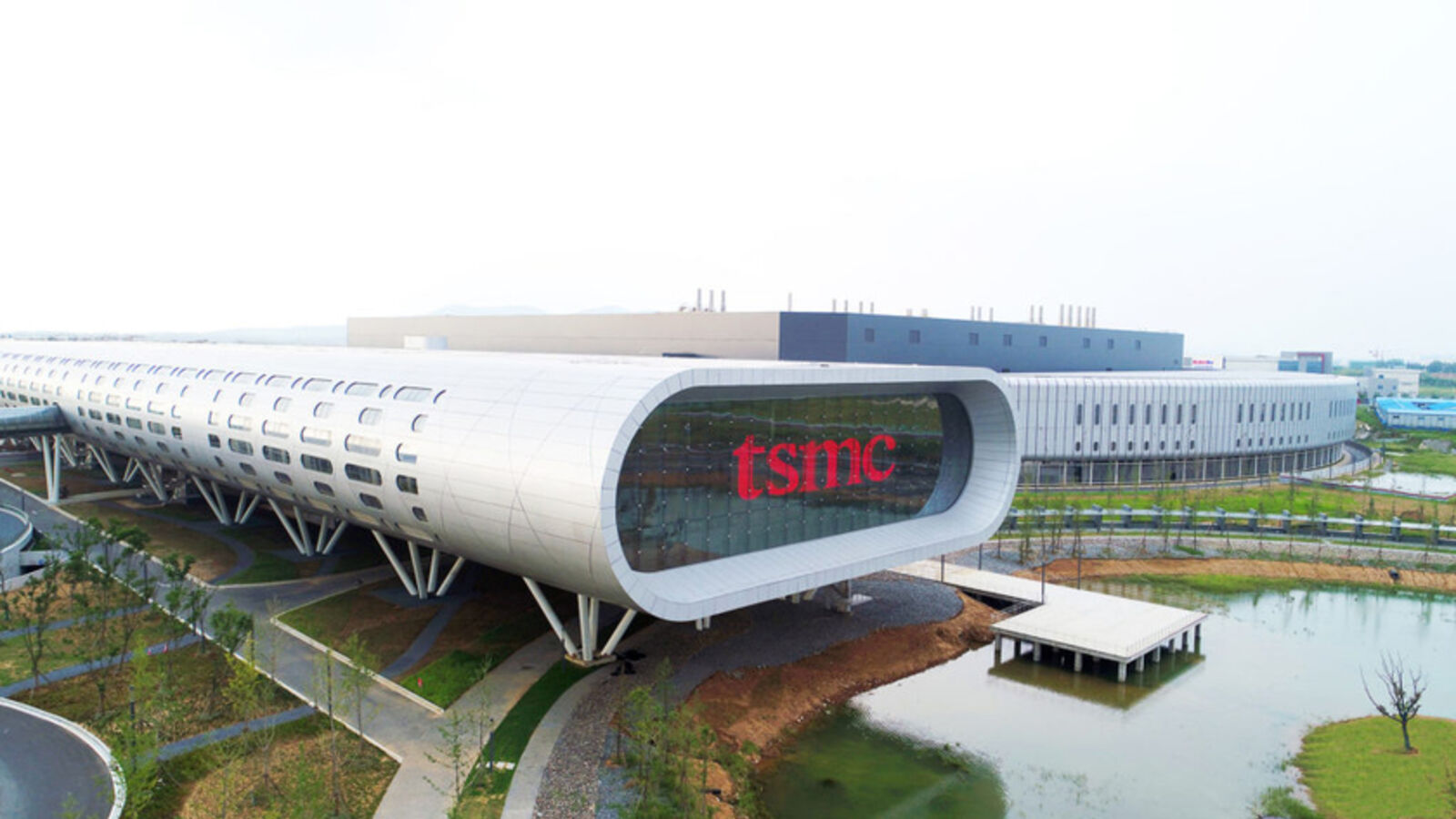
The U.S. government has directed Taiwan Semiconductor Manufacturing Co. (TSMC) to cease shipments of advanced chips used in artificial intelligence (AI) applications to Chinese customers as of Monday. According to a source familiar with the order, the U.S. Department of Commerce issued a notice to TSMC restricting the export of specific advanced chips, including 7-nanometer designs and below, often deployed in AI accelerators and GPUs, to Chinese entities.

This new export restriction follows recent revelations by TSMC regarding one of its chips found within a Huawei AI processor. Tech Insights, a technology research firm, had disassembled the Huawei processor and discovered TSMC’s involvement, potentially indicating an export control breach. Huawei, which is on the U.S. restricted trade list, is required to secure special licensing for any U.S.-derived technology imports. Such licenses are unlikely to be granted if they would benefit Huawei’s AI capabilities.

In response to the U.S. directive, TSMC has begun notifying Chinese clients affected by the suspension of AI and GPU chip shipments, including Sophgo, a China-based chip designer that used similar TSMC technology in a Huawei product. It remains unclear how the chip ended up in Huawei’s Ascend 910B AI processor, one of China’s most advanced AI chips.

The latest U.S. clampdown comes as lawmakers on both sides of the aisle have voiced concerns about the efficacy and enforcement of export controls on China. In recent years, the Commerce Department has issued similar restrictions to companies like Nvidia, AMD, and several chip equipment manufacturers to limit AI-related technology exports to China. Restrictions initially introduced via “is-informed” letters, like those now sent to TSMC, were later formalized into broader regulatory rules affecting additional companies.

This move reflects Washington’s continuing strategy to limit China’s access to advanced AI and chipmaking technologies. The Biden administration has drafted new export control rules targeting Chinese chipmaking and related companies and aimed to update the Commerce Department’s entity list, which would include over 120 Chinese companies. However, despite these plans, the proposed rules remain delayed, missing anticipated release dates earlier this year.


Elon Musk Endorses Plan for Presidential Influence Over Federal Reserve Following Trump’s Election Win

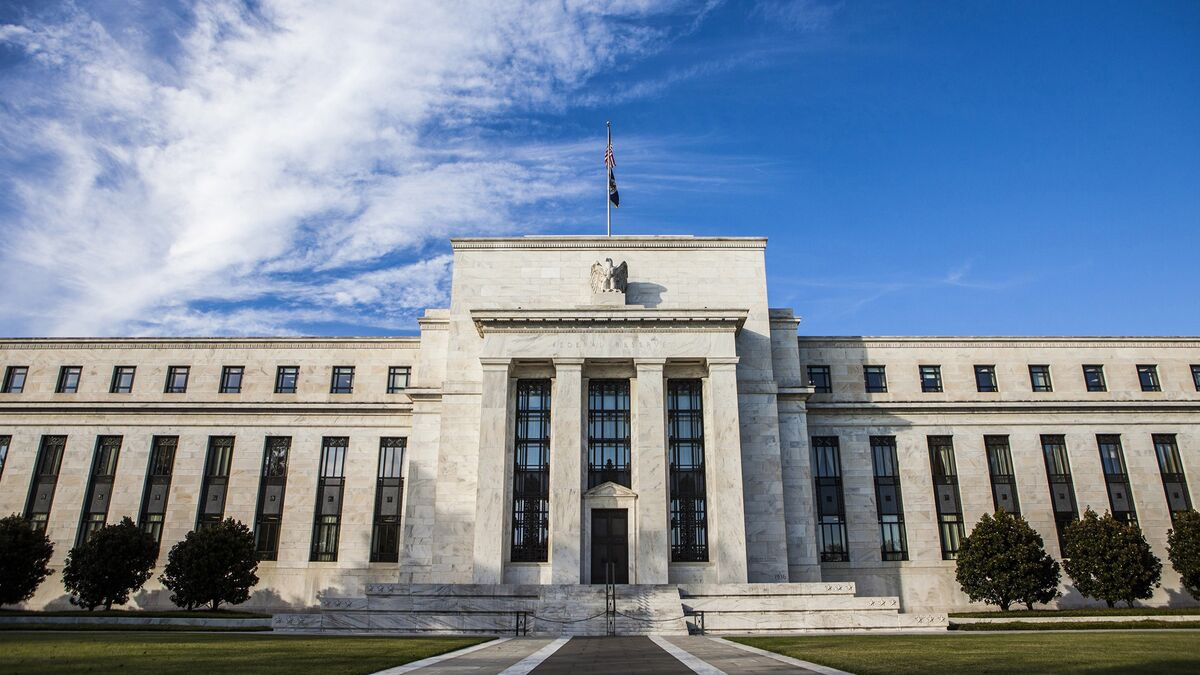
Elon Musk, CEO of Tesla and SpaceX, has publicly supported the notion of allowing presidents to influence the Federal Reserve’s policy decisions, following Donald Trump’s recent presidential election victory. Musk’s endorsement came on Friday in response to a social media post by Republican Senator Mike Lee of Utah, who proposed the Fed should be under the president’s control and used the hashtag “#EndtheFed.” Musk replied to the post with a “100” emoji, signaling his agreement.

The exchange highlights a renewed interest in challenging the Federal Reserve’s traditional independence. This move aligns with Trump’s past stance on the issue; during his first presidential term, he openly criticized Fed Chair Jerome Powell and suggested that the president should have a voice in the central bank’s monetary policies. Trump, who frequently expressed frustration with Fed decisions, argued he had “better instincts” regarding economic policy than some Federal Reserve officials, given his business success.

Federal Reserve independence is a principle established to enable monetary policy decisions, like setting interest rates, based on economic projections rather than political motivations. This separation is intended to promote economic stability, shielding the central bank from political cycles. Nevertheless, Trump has repeatedly voiced his preference for executive influence over the Fed, particularly during his 2024 campaign, asserting in August that presidential input would benefit the economy.

On Thursday, in the wake of Trump’s election victory, Powell emphasized his commitment to maintaining Fed independence, stating he would not step down if asked by the president. Powell’s stance suggests that the Trump administration’s potential pressure on the Fed could reignite tensions over the independence of U.S. monetary policy.