
AI Image Generator ‘Red Panda’ Surges to the Top of Benchmark Leaderboards

A mysterious artificial intelligence model named “Red Panda” has recently emerged at the top of the leaderboard on a popular benchmarking platform, but little is known about it. The Red Panda AI has outperformed several well-established image generation models, including heavyweights like Replicate, Midjourney, and Stability.ai, raising intrigue within the AI community. The model’s appearance at the top of the Artificial Analysis benchmark’s text-to-image generation leaderboard has puzzled many, especially given the lack of any substantial information or public recognition regarding the model’s creators or origins.

The first mention of Red Panda appeared in a post on X (formerly Twitter), where users noted that the mysterious AI had taken the first spot in the text-to-image leaderboard, surpassing other known models. Despite its prominence in the rankings, no details have emerged about its development, contributing to its enigmatic status. The lack of transparency around its creation and capabilities has only fueled speculation and curiosity among industry experts and enthusiasts.

Artificial Analysis, the platform hosting the benchmark, uses an Elo-based ranking system, a method also employed to rate chess players based on their skill level. The process is crowdsourced, allowing users to weigh in on which AI-generated images best match a given prompt. The platform randomly selects two models and presents users with the images they create in response to the same prompt. Users then vote on which image better captures the essence of the prompt, contributing to the model’s ranking.

This crowdsourced approach to ranking adds an extra layer of intrigue to Red Panda’s rise to the top, as it suggests that users have collectively favored the AI’s output over those of established competitors. However, the mystery surrounding Red Panda’s identity and capabilities remains unsolved, leaving the AI community eager to uncover more about this unknown contender. Could Red Panda represent a breakthrough in image generation technology, or is it the result of a cleverly hidden project? Only time will tell.
Intel Faces Significant Revenue Decline as Chipmaker Struggles to Recover

Intel is poised to report its most significant quarterly revenue decline in over a year, with projections indicating an 8% drop, which would bring its earnings to approximately $13.02 billion. This downturn highlights ongoing struggles within the company, particularly in its data center and personal computer sectors, where market share continues to slip. After years of dominance in the semiconductor industry, Intel’s inability to adapt to changing market conditions and technological trends is now casting a shadow over its future prospects.

A key area of concern for shareholders is the performance of Intel’s contract manufacturing business, which has been underperforming, further straining the company’s financial health. In addition, Intel has failed to capitalize on the explosive growth of generative AI, a sector where competitors have thrived by providing specialized chips for machine learning and other AI-driven applications. Intel’s missed opportunity to invest in OpenAI, one of the leading players in the AI revolution, has only added to investor concerns about the company’s strategic direction.

CEO Pat Gelsinger, who took the helm at Intel with a promise to restore the company’s market leadership, now faces heightened pressure as losses continue to mount. Shareholders are increasingly focused on his plans to address Intel’s ongoing struggles, particularly with respect to its next-generation manufacturing technology. Gelsinger’s ability to turn things around hinges on Intel’s capacity to innovate and roll out new chips that can compete with the likes of AMD and Nvidia, who have both gained ground in the data center and AI markets.

As Intel looks to regain its footing, investors are keen for any sign that the company can reverse its fortunes. Gelsinger’s upcoming earnings call will likely serve as a critical moment for Intel, with many looking for clearer insights into the company’s roadmap for recovery, its investments in emerging technologies, and how it plans to address the competitive challenges it faces.

Queen Camilla to Miss Remembrance Events Due to Illness

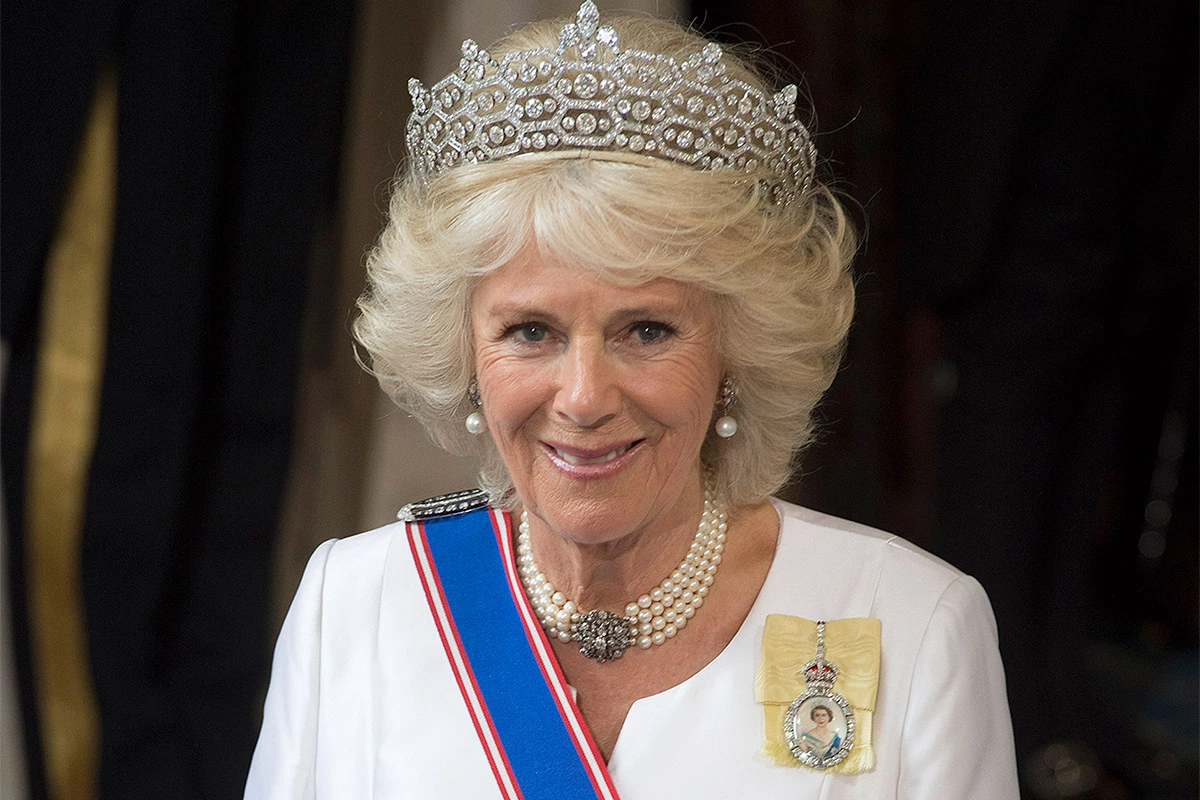
Queen Camilla will be absent from this weekend’s Remembrance events due to a seasonal chest infection, Buckingham Palace has confirmed. The 77-year-old monarch is following doctors’ advice to ensure a full recovery and minimize the risk of spreading the infection to others. Although she will not be attending the Festival of Remembrance at the Royal Albert Hall on Saturday evening or the Sunday service at the Cenotaph in London, the Queen will observe the occasion privately at home. She hopes to return to her public duties early next week.

The announcement comes after it was confirmed that the Princess of Wales, Catherine, will attend the Remembrance services in London, marking her gradual return to public duties after undergoing cancer treatment. Despite her absence from the events, Queen Camilla expressed disappointment but emphasized the need to protect vulnerable attendees, such as elderly veterans, from potential infection.

The Queen had already stepped back from several events earlier in the week, including the Field of Remembrance at Westminster Abbey and a reception for Olympic and Paralympic athletes at Buckingham Palace, which was hosted by King Charles. The King, who is currently receiving cancer treatment, will lay a wreath at the Cenotaph on Sunday on behalf of the nation.

Although there is no cause for alarm regarding the Queen’s health, her doctors have recommended additional rest. The Queen had returned to the UK last week after a trip with King Charles to Australia, Samoa, and India. During their travels, King Charles paused his cancer treatment but is expected to resume it upon his return to the UK.

Prince William recently shared that this year has been particularly difficult for the royal family, acknowledging the challenges faced by both his wife, Catherine, and his father, King Charles, as they cope with their cancer diagnoses. He expressed pride in how both have handled their situations despite the personal toll.