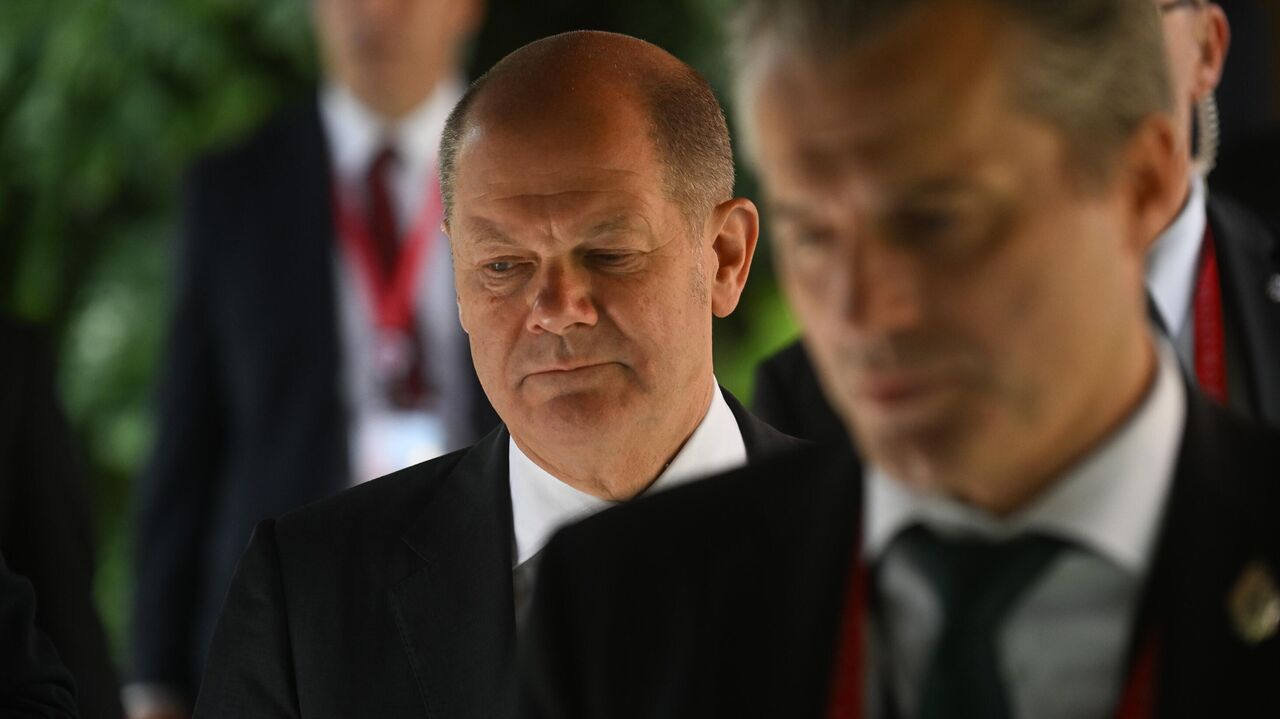
Former Siemens CEO Reflects on Positive Business Ties with Trump, Prepares for Potential Challenges

Joe Kaeser, chairman of the supervisory board of Siemens Energy and former CEO of Siemens, described his experience working with Donald Trump during his first presidential term as notably positive for business. In an interview with CNBC’s Annette Weisbach, Kaeser stated that Trump’s administration was “extremely receptive” to addressing business issues, creating a clear path for corporate interaction.

“If I personally, for my company at the time, had an issue to resolve, his administration was extremely receptive,” Kaeser noted. He highlighted that Trump’s policies, particularly tax cuts, were favorable for the economy. Trump’s first term included a range of tax reforms such as lower federal income tax brackets, increased standard deductions, and modifications to child tax credits, estate tax exemptions, and deductions for pass-through businesses. While some studies indicated that these tax cuts only contributed moderately to U.S. growth, Kaeser viewed the policies as broadly beneficial.

Trump’s second presidency is anticipated to follow a similar economic agenda, with priorities such as potential tariffs on imports and regulatory rollbacks. Analysts speculate that these policies could again have a significant global impact, potentially influencing international trade and markets. Kaeser reflected on Trump’s first term as predictable, describing it as “a relatively easy way of understanding what needs to be done for the companies and the countries.”

Despite the positive experiences from Trump’s first term, Kaeser remains cautious about the next term, noting that the unified Republican control across the White House, Senate, House of Representatives, and Supreme Court could have new and unpredictable effects. “I believe the jury’s out on what that means,” he said.

Kaeser emphasized the need for Germany, Europe, and other nations to be prepared for Trump’s assertive leadership style. “Typically, people like him, who have a very distinct style of leadership and reacting to different news, can only be dealt with from a position of strength,” he said. He suggested that weaker positions could face challenges under Trump’s administration.
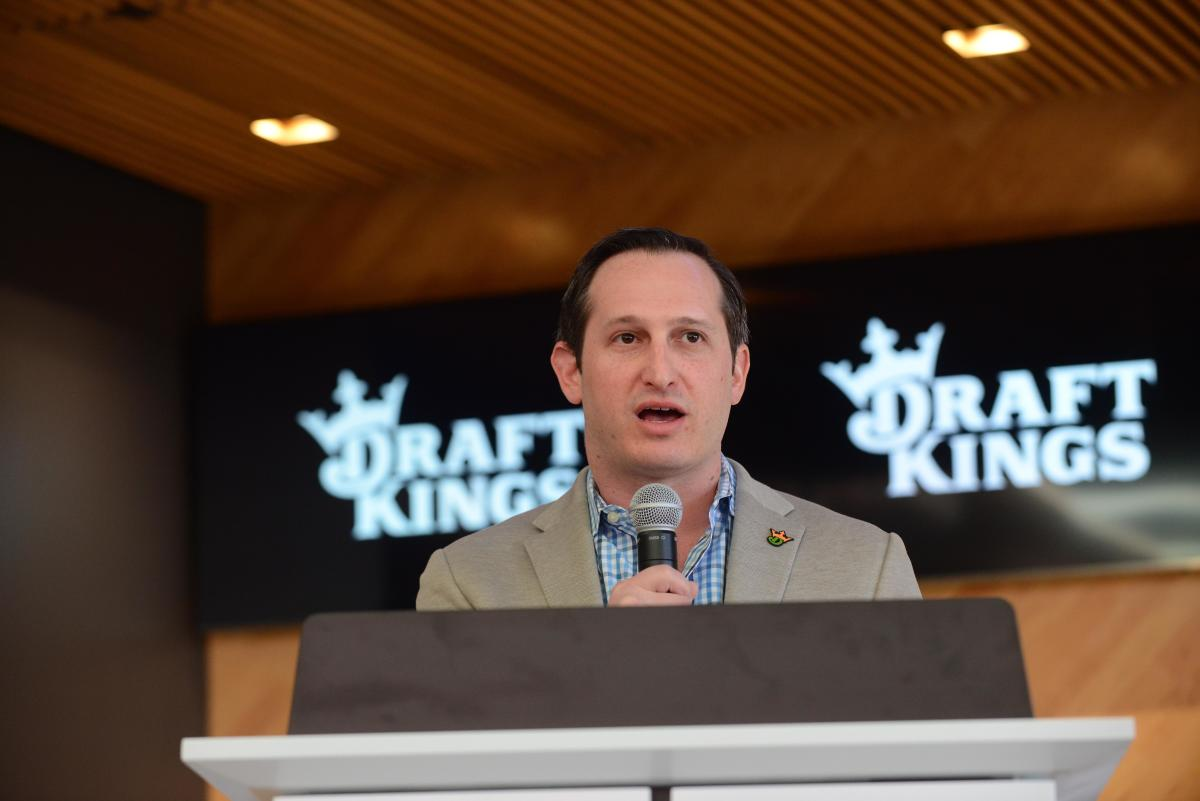
 

DraftKings CEO Highlights Key Inflection Point in Sports Betting Industry

DraftKings CEO Jason Robins discussed the future of the online sports betting market in an interview with CNBC’s Jim Cramer, highlighting an “important inflection point” as sports betting gains legal ground nationwide. Robins noted that an increasing number of people across the U.S. now realize they can legally place bets on sports, fueling significant industry growth.

“We’re at a very important inflection point in the industry,” Robins explained. “Most people assume it’s legal in most states now, if not all, and we’re seeing a lot of great growth.”

Despite this growth, DraftKings adjusted its full-year revenue forecast for 2024 after reporting earnings on Thursday. The company attributed the lowered guidance to favorable early fourth-quarter outcomes for customers, which impacted revenues as bettors on the platform saw high returns. This announcement sent DraftKings’ stock down by nearly 6% in after-hours trading.

Robins emphasized that DraftKings remains in an “acquisition-heavy phase” as it continues to expand its customer base in the relatively young sports betting sector. Since the Supreme Court’s 2018 decision to lift the federal ban on sports betting, the industry has flourished. In September, the American Gambling Association predicted that $35 billion would be wagered legally during the current NFL season, a 30% increase over last year and a new record.

Currently, sports betting is legally permitted in 38 states and Washington, D.C. Robins remains hopeful about further state-level legalization but acknowledged the legislative challenges involved. “I think really California, Florida, and Texas are big ones,” he said. “I would expect most states over the long term will have some form of legal sports betting, and hopefully we’ll get those three.”


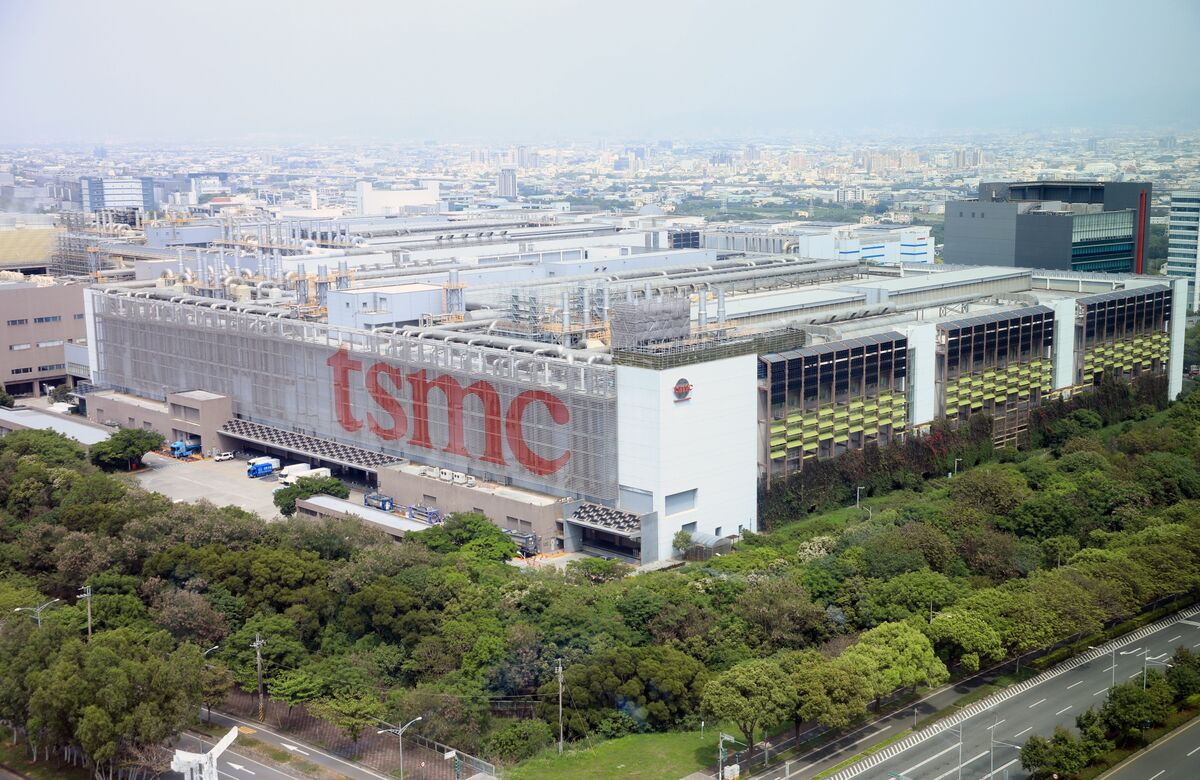
TSMC Maintains U.S. Investment Strategy Following Trump Election Win

Taiwan Semiconductor Manufacturing Co. (TSMC) confirmed that its U.S. expansion plans remain unchanged despite Donald Trump’s recent election victory. In an emailed statement on Thursday, TSMC assured that its $65 billion investment in new semiconductor plants in Arizona is proceeding as planned, though it did not offer further details.

TSMC, the world’s leading contract chipmaker and a major supplier for companies like Apple and Nvidia, has been expanding its U.S. presence as part of an extensive strategy to bolster global production. Trump’s campaign, which included criticisms of Taiwan for “taking American semiconductor jobs,” does not appear to impact TSMC’s plans. In April, TSMC’s U.S. branch secured a preliminary $6.6 billion subsidy agreement with the U.S. Commerce Department to support its advanced semiconductor manufacturing in Phoenix, Arizona.

The Taiwanese chipmaker’s steady progress aligns with recent moves under the U.S. Chips and Science Act, a significant part of Washington’s efforts to strengthen domestic chip production. Both TSMC and other major players like GlobalFoundries are expected to finalize their funding from the Biden administration soon, as confirmed by sources close to the matter.

In terms of market performance, TSMC’s stock has held strong amidst Trump’s re-election. The company’s American Depositary Receipts (ADRs) closed up by 4.1% on Thursday, fueled by Nvidia’s record stock performance, which lifted the broader semiconductor sector. Nvidia’s shares hit an all-time high, propelling the chip industry’s valuation over $3.6 trillion for the first time in history as demand for AI technologies continues to surge.