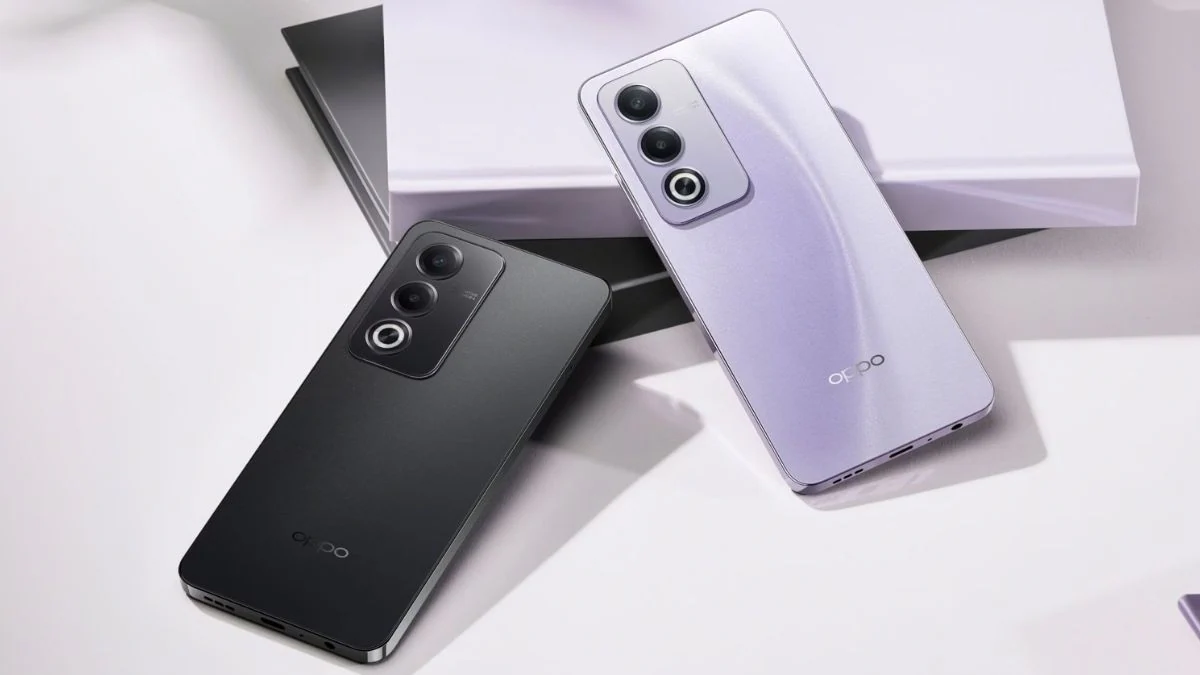
Oppo A3x 5G Launched in India with Snapdragon 6s Gen 1 Chip and 6.67-Inch LCD Display: Full Details

Oppo A3x 4G launched in India as a budget-friendly option with solid features for everyday use. Equipped with the Snapdragon 6s Gen 1 chipset, the device is paired with 4GB of RAM, making it an ideal choice for users seeking performance at an affordable price. Running on ColorOS 14 based on Android 14, the smartphone offers a streamlined user experience with a range of customization options. Additionally, it comes with a large 5,100mAh battery that supports 45W fast charging, ensuring users can quickly power up their device and stay connected throughout the day.

Oppo A3x 4G Display and Camera Features The Oppo A3x 4G features a 6.67-inch LCD screen with HD+ resolution (720×1604 pixels) and a 90Hz refresh rate, which delivers smooth visuals and vibrant colors for watching content and browsing the web. This makes it a strong contender in the budget segment for users looking for a good display. On the camera front, the phone is equipped with an 8-megapixel rear camera and a 5-megapixel selfie camera, offering decent photo quality for everyday snapshots and video calls.

Price and Availability Priced competitively, the Oppo A3x 4G offers excellent value for money. The base model with 4GB of RAM and 64GB of storage is priced at Rs. 8,999, while the variant with 128GB of storage is available for Rs. 9,999. It will be available in two attractive color options – Nebula Red and Ocean Blue – starting from October 29, through Oppo’s official online store and various offline retail partners across India. This price range positions the Oppo A3x 4G as an appealing option for users looking for a reliable and feature-rich smartphone without spending too much.

Performance and Battery Life The Oppo A3x 4G is designed to provide consistent performance for daily tasks. The Snapdragon 6s Gen 1 chipset ensures efficient operation, whether you’re browsing, using apps, or multitasking. The 5,100mAh battery ensures long-lasting usage, and with 45W fast charging support, users can quickly top up their battery when needed. The combination of performance, display, camera capabilities, and battery life makes this smartphone a well-rounded choice in the budget segment for those seeking a balanced device.
Telegram Responds to Star Health India Data Leak, Says It Can’t Monitor All Chatbots

Messaging platform Telegram informed an Indian court that it cannot monitor all accounts on its platform for potential leaks, including those related to the Star Health India data breach. The platform acknowledged the situation but emphasized that its responsibility was limited to blocking content that is flagged to it, citing the difficulties of overseeing the vast number of accounts and bots hosted on the platform.

The data leak, first reported by Reuters on September 20, involved a hacker using Telegram’s chatbots and external websites to disseminate highly sensitive customer information, including biometric identification cards and medical claim documents. This breach has significantly impacted Star Health, India’s largest health insurer, sparking concerns about the security of personal health data and the role of platforms like Telegram in mitigating such risks.

In response to the incident, Star Health approached the Madras High Court last month, seeking a directive to Telegram to remove all bots associated with the data leak. The insurer argues that Telegram’s failure to adequately monitor and block these malicious bots contributed to the leak of confidential information, which has harmed the reputation and trust that customers place in the company’s services.

While Telegram has reiterated its commitment to user privacy and safety, the company highlighted the practical challenges of enforcing comprehensive oversight over every account and bot on its platform. With millions of users and a wide range of automated bots in operation, Telegram suggests that a more collaborative approach involving regulatory bodies and businesses is needed to prevent future incidents and protect user data more effectively.

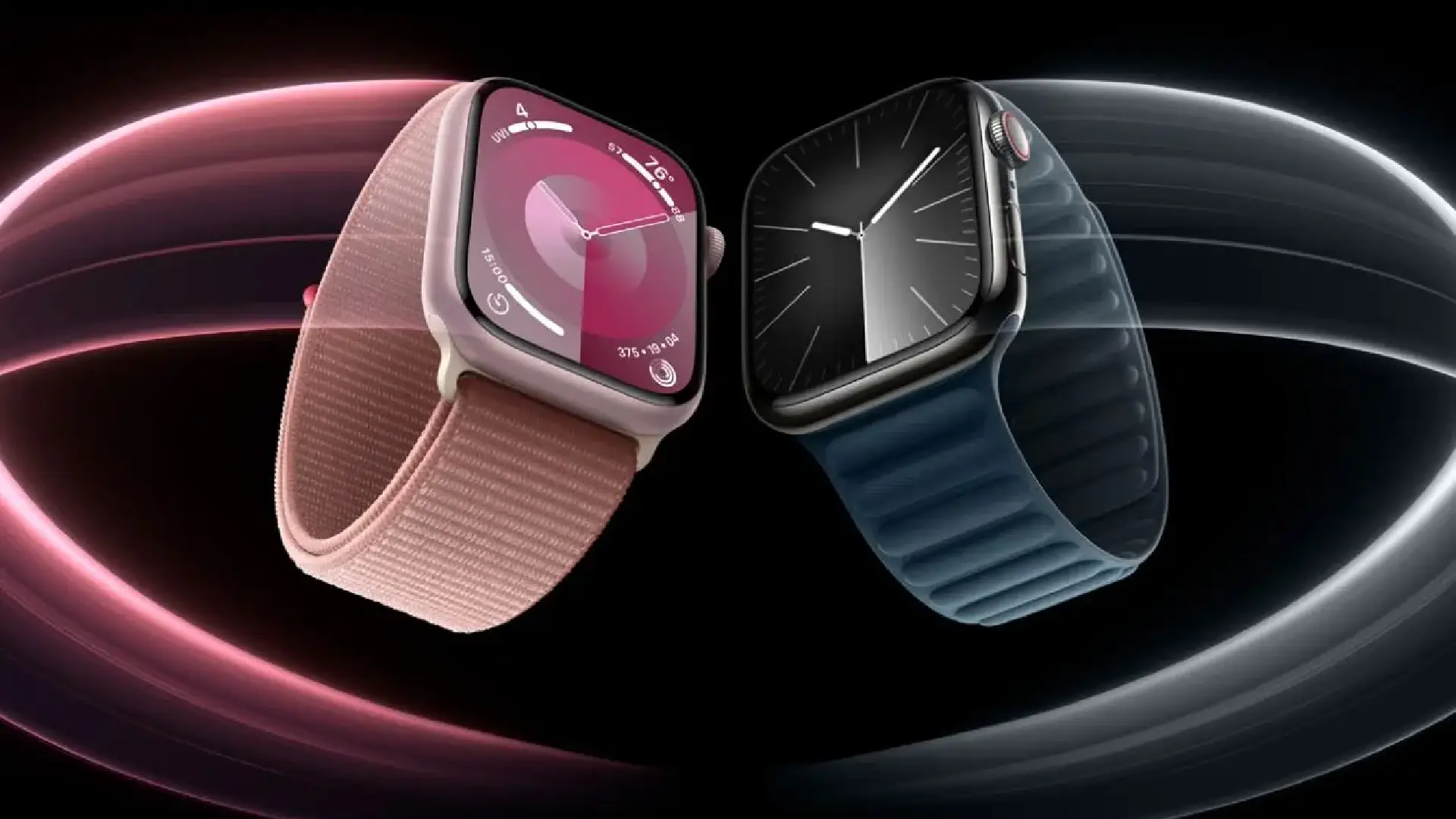
Apple Wins $250 Million Jury Verdict in Patent Dispute Over Masimo Smartwatch Technology

Apple has secured a significant legal victory in a patent infringement case against health monitoring company Masimo. A federal jury in Delaware ruled that Masimo’s earlier smartwatch models, including the W1 and Freedom, violated two of Apple’s design patents related to smartwatch technology. The case, which is part of a larger intellectual property dispute between the two companies, has drawn considerable attention due to its implications for the smartwatch market.

The jury’s decision marks a win for Apple, affirming its claims that Masimo’s smartwatches and chargers infringed upon its patented designs. Apple had argued that Masimo had used its intellectual property without authorization, particularly the aesthetic and functional aspects of its smartwatch technology that are integral to its product lineup. Apple’s patents cover key elements of the smartwatch design, which the company claims were copied by Masimo in its products.

Despite the jury siding with Apple, the damages awarded were relatively modest. The jury imposed a statutory minimum fine of just $250, a sum that is the lowest possible penalty for patent infringement under U.S. law. This minimal financial penalty comes as a surprise, given the size and prominence of the companies involved. Apple, with its market value hovering around $3.5 trillion, could have potentially sought a much larger financial settlement.

While the small damages may seem anticlimactic, the case highlights broader concerns in the tech industry regarding intellectual property rights. For Apple, this victory sends a message about the protection of its design patents and its willingness to pursue legal action against competitors over intellectual property violations. For Masimo, the verdict is a setback in an ongoing legal battle, as it faces further scrutiny over its products in the smartwatch space. The outcome of this case may have broader implications for how tech companies navigate patent disputes in the future.