
New Patch Technology Uses Electricity to Fight Harmful Skin Bacteria

Scientists have developed a groundbreaking patch that uses mild electrical pulses to combat harmful bacteria on the skin. The Bioelectronic Localized Antimicrobial Stimulation Therapy (BLAST) patch is designed to help prevent infections by targeting bacteria that could potentially enter the bloodstream and cause severe health issues. This innovative approach leverages harmless electrical currents to disrupt the bacteria’s ability to adhere to skin surfaces, offering a new way to address skin infections at their source.

The BLAST patch has shown promising results in recent trials conducted on pig skin, which closely resembles human skin in structure and is commonly used in preclinical studies. During these tests, the researchers applied Staphylococcus epidermidis bacteria, a microorganism normally found on human skin that usually poses no threat. However, when this bacteria is introduced into the body through medical devices like catheters, it can lead to infections that are difficult to treat.

In the experiment, the BLAST patch was placed on the pig skin, and mild electrical pulses were delivered every ten minutes over an 18-hour period. These pulses, similar in intensity to those used in pacemakers, effectively reduced the formation of biofilms—protective layers that allow bacteria to resist treatment. The results were striking, showing a nearly tenfold reduction in bacterial levels on the treated skin, suggesting that the patch could be an effective method for reducing bacterial presence and the risk of infection.

With the success of these tests, the BLAST patch offers a promising new avenue for tackling skin infections, particularly in healthcare settings where the risk of bacterial transmission is high. This bioelectronic device could complement traditional antibiotic treatments, providing a non-invasive, localized solution to control harmful bacteria before they spread. The next steps will likely involve further clinical testing, with the hope that the BLAST patch could soon become a valuable tool in preventing infections and improving patient outcomes.
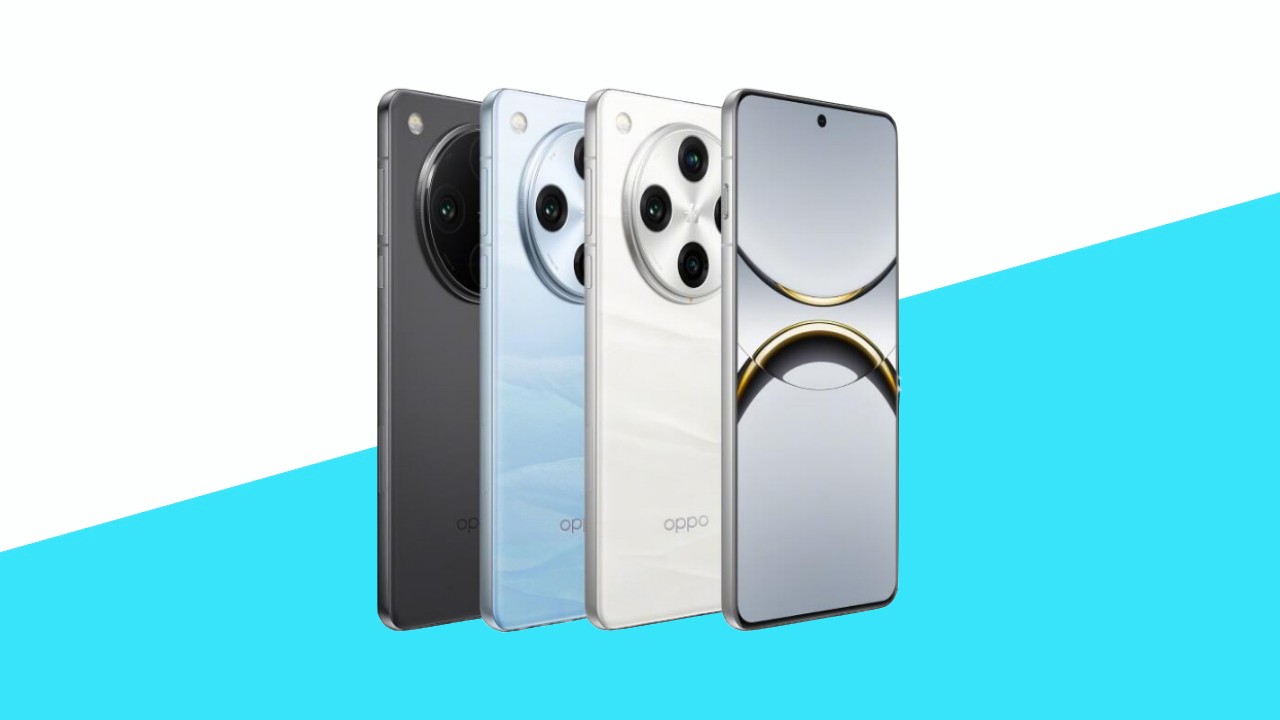
Oppo Find X8 Series Set for Global Launch Next Month, Official Confirmation Revealed

The Oppo Find X8 series, which officially launched in China this week, is set to debut in global markets next month. While an exact release date has yet to be disclosed, Oppo has confirmed that both the Oppo Find X8 and the Oppo Find X8 Pro will be available outside of China in November. The new series is equipped with powerful MediaTek Dimensity 9400 chipsets and features rear cameras tuned by Hasselblad, ensuring top-notch photography performance. The Find X8 Pro, in particular, stands out with its 6.78-inch display and a large 5,910 mAh battery, catering to users who seek a premium smartphone experience.

Oppo Indonesia has already confirmed that the Find X8 series will be making its way to the country in November. The announcement came via an official post on the brand’s X (formerly Twitter) handle, though the precise launch date was not mentioned. However, Oppo has begun accepting pre-reservations for the new lineup through its official website in Indonesia, hinting at an upcoming availability for eager customers.

In terms of pricing, the Oppo Find X8 starts at CNY 4,199 (around INR 49,600) for the base model, which offers 12GB of RAM and 256GB of storage. On the other hand, the Oppo Find X8 Pro, which boasts similar specifications with 12GB of RAM and 256GB of storage, is priced at CNY 5,299 (approximately INR 62,600). These prices reflect the premium features and high-performance specifications packed into the devices, making them competitive contenders in the global smartphone market.

As Oppo continues to expand its footprint outside China, the Find X8 series is expected to generate significant attention, particularly for its high-end features like the Hasselblad camera partnership, large battery capacity, and powerful chipset. The global release is likely to coincide with heightened demand, as the series positions itself as a flagship offering for customers looking for a balance of performance, design, and photography prowess.

OpenAI Set to Launch GPT-4 Successor Before Year-End, Reports Suggest

OpenAI is reportedly preparing to unveil the successor to its GPT-4 model by the end of this year, marking a significant milestone in the company’s AI development. According to recent reports, this next-generation model, internally referred to as “Orion,” is set to be more advanced and powerful than its predecessor. While a formal release is anticipated for December 2024, it is expected that Orion will initially be available only to a select group of enterprise partners, rather than being made widely accessible to the public right away.

The Verge has indicated that OpenAI is targeting December 2024 for Orion’s release, with sources familiar with the project confirming the model’s internal codename. Initially, rumors pointed to the model being named “Strawberry,” but it has since been clarified that this referred to the GPT-4o model, an updated version of GPT-4. Unlike GPT-4 and its previous updates, Orion is expected to represent a true leap forward in terms of architecture and capabilities, rather than simply being a refinement of existing models.

OpenAI has already released several iterations of GPT-4, including GPT-4 Turbo and GPT-4o, which were essentially optimized versions of the original GPT-4 architecture. These models incorporated improvements in efficiency and functionality but did not introduce groundbreaking changes to the underlying framework. Orion, however, is expected to break new ground, with advancements that could set the stage for the company’s next major leap in AI technology—likely branded as GPT-5.

This move suggests that OpenAI is preparing to shift toward a new era of AI capabilities, with models like Orion pushing the boundaries of what large language models can achieve. Given the increasing reliance on AI across industries, the launch of such an advanced model is set to have significant implications, both for the development of future AI applications and for the broader AI landscape. As the company works closely with its enterprise partners, Orion may soon become an integral part of many business processes, shaping the future of AI interactions in both commercial and technical domains.