
Google Unveils Secure AI Framework and Shares Best Practices for Safe Model Deployment

Google has introduced a new tool aimed at improving the safety and security of AI model deployment, offering a framework designed to mitigate risks associated with artificial intelligence. Last year, the company unveiled its Secure AI Framework (SAIF), a set of guidelines created to help both Google and other enterprises build safer large language models (LLMs). The newly launched SAIF tool expands on these guidelines by providing a questionnaire-based system that generates a personalized checklist for developers and enterprises, offering actionable insights on how to enhance the security of their AI models.

This new tool is specifically designed to guide AI developers through the complexities of deploying AI models, helping them identify potential risks and implement best practices for safeguarding against those risks. Google’s blog post highlights that, while AI models can bring about tremendous benefits, they also come with a range of risks, including the generation of inappropriate content, deepfakes, and even misinformation. The tool is geared towards minimizing these risks and ensuring that AI technologies are deployed responsibly and ethically.

One of the major concerns in AI development is the potential for “jailbreaking,” where malicious actors manipulate AI models to make them perform tasks they were not originally designed to carry out. Google’s tool seeks to address this issue by providing developers with questions related to critical areas such as model training, tuning, and evaluation, as well as access control for models and data sets. It also covers preventive measures for attacks and harmful inputs, making it a comprehensive tool for ensuring that AI models are both secure and reliable.

The SAIF tool not only reflects Google’s commitment to responsible AI development but also underscores the need for all organizations involved in AI to adopt rigorous security protocols. With the increasing power and influence of AI technologies, it is vital for companies to consider the ethical implications of their models and take steps to safeguard against misuse. By sharing these best practices and offering the SAIF tool, Google is setting a benchmark for industry standards and encouraging a safer, more secure approach to AI model deployment across the globe.
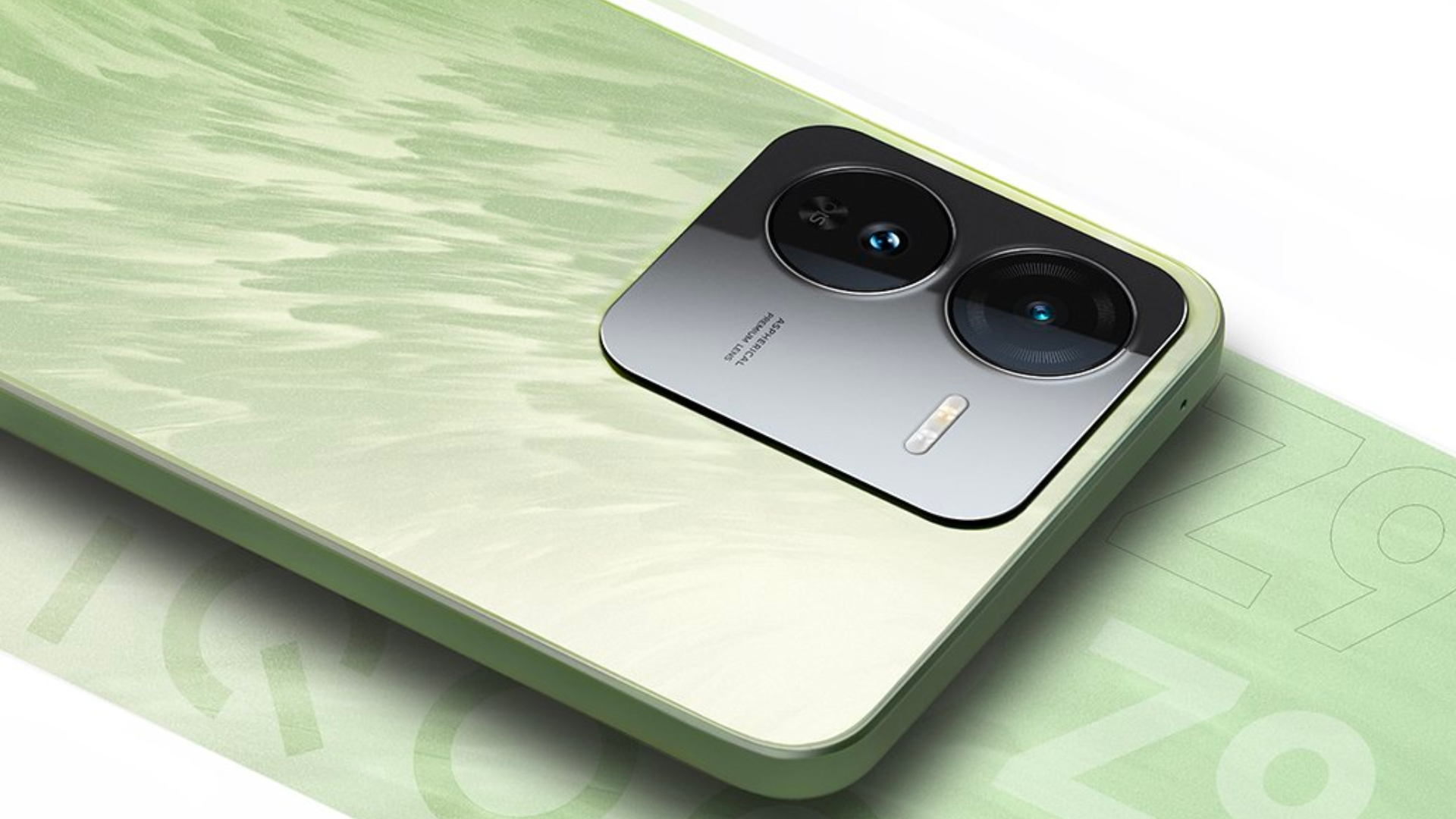

iQOO 13 Price and Key Features Leaked Ahead of Official Launch

The highly anticipated iQOO 13 is set for its official launch in China on October 30, with the company already teasing various aspects of the device, including its design and color options. iQOO has confirmed key details about the phone’s display, while also revealing its impressive AnTuTu benchmark numbers. Under the hood, the iQOO 13 will be powered by the latest Snapdragon 8 Elite SoC, paired with an in-house Q2 gaming chipset, ensuring top-tier performance for users. The phone will also come with updated battery and charging features, which have generated excitement among tech enthusiasts. Now, thanks to a new tip from a reliable source, additional pricing and feature details have emerged ahead of the official reveal.

According to a recent leak from tipster Digital Chat Station on Weibo, the iQOO 13 will be priced starting at CNY 3,999 (approximately Rs. 47,200) for the base 12GB RAM + 256GB storage variant. This leak indicates that the phone’s pricing will remain consistent with the launch price of its predecessor, the iQOO 12, despite earlier rumors suggesting the iQOO 13 would carry a higher price tag. This price point would make the iQOO 13 a competitive option in the high-performance smartphone segment, especially considering its top-of-the-line specifications.

In terms of features, the iQOO 13 is expected to offer a premium display with high refresh rates, making it ideal for gaming and multimedia consumption. Its inclusion of the Snapdragon 8 Elite SoC paired with the Q2 gaming chipset will likely provide enhanced graphics and smoother performance, appealing to gamers and power users alike. Additionally, the battery life and charging speed will likely be optimized for long-lasting use and fast recharging, further adding to the device’s appeal.

While official confirmation is still awaited, these leaks point to the iQOO 13 being a powerful, well-priced device that could cater to both mainstream users and gaming enthusiasts. As the launch date approaches, more details are expected to surface, giving consumers a clearer picture of what to expect from this flagship model. With its high-end specs and competitive pricing, the iQOO 13 is shaping up to be a strong contender in the smartphone market.

New 3D Scans Reveal Details of Shackleton’s Endurance Shipwreck Discovery

The story of Sir Ernest Shackleton’s ill-fated 1914 Antarctic expedition has captivated audiences for more than a century, and now, new technological advancements are offering a fresh perspective on the wreck of the Endurance. Discovered in 2022 beneath the icy waters of the Weddell Sea, the ship, which sank after being trapped by pack ice, has been documented with unprecedented clarity. Thanks to detailed 3D scans and underwater imaging, researchers have been able to uncover the shipwreck’s remarkable state of preservation, revealing striking details of the 144-foot vessel that lay hidden in the Antarctic depths for over a century.

The scans, conducted by the Falklands Maritime Heritage Trust, have provided a comprehensive look at the ship’s structure and its contents. These detailed images are shedding light on the final moments of the Endurance and its crew, capturing the ship in its almost pristine condition despite being submerged in the harsh conditions of the polar region. The scans are invaluable in helping researchers understand not only the fate of the ship but also the conditions faced by Shackleton’s team during their legendary survival story.

One of the most surprising discoveries is the remarkable preservation of artifacts on the ship’s upper deck. While some parts of the mast and railings have understandably decayed over time, much of the deck has remained intact. Items left by Shackleton’s crew, such as dishes, ropes, and even a single boot, are scattered across the ship, offering a poignant glimpse into the daily lives of the men who braved the Antarctic’s unforgiving climate. These objects add a human element to the historical narrative, connecting modern-day observers with the past.

Perhaps most striking of all is the survival of the linoleum flooring on the ship’s deck, still bearing the faded star pattern it had over a hundred years ago. The preservation of this simple yet enduring artifact is a testament to the remarkable conditions in which the Endurance rests. The images not only serve as a fascinating historical record but also deepen the mystery and allure of Shackleton’s expedition, as researchers continue to explore the wreck and uncover new insights into the life of one of history’s most iconic explorers.