
U.K. Regulator Signals Approval for Vodafone-Three Merger if Consumer Protections and Investments Are Met

The £15 billion ($19.5 billion) merger between Vodafone and Three may proceed if the companies address specific competition concerns, according to the U.K.’s Competition and Markets Authority (CMA) on Tuesday. Vodafone, based in the U.K., and Hong Kong-owned Three, have been advised to adopt several remedies that include significant investment into U.K. telecom infrastructure and protections for consumers.

The CMA’s provisional approval requires that Vodafone and CK Hutchison, Three’s parent company, meet multiple conditions, including:

  • A binding commitment to invest £11 billion ($14.46 billion) into enhancing and expanding U.K. network infrastructure over the next eight years, monitored by both Ofcom and the CMA.
  • A commitment to maintain certain mobile tariffs and data plans for existing and new customers for at least three years.
  • Competitive pricing and terms for mobile virtual network operators (MVNOs) that rely on third-party infrastructure, ensuring they can access competitive wholesale network rates.

Stuart McIntosh, chair of the CMA’s inquiry group overseeing the investigation, stated that these commitments could make the merger “pro-competitive” if the companies deliver on the proposed conditions. “Binding commitments combined with short-term protections for consumers and wholesale providers would address our concerns while preserving the benefits of this merger,” McIntosh said.

Vodafone has expressed support for the CMA’s framework, emphasizing that the merger would catalyze benefits for U.K. businesses and consumers by advancing digital infrastructure and bringing 5G to schools and hospitals across the country. A Vodafone spokesperson added that the deal represents a positive step forward for national telecom advancements.

The CMA’s final decision is anticipated by December 7. This follows earlier findings in September suggesting that the merger could increase consumer prices and harm competition among MVNOs like Sky Mobile, Lyca, and iD Mobile. Since then, the CMA has reviewed potential solutions from Vodafone and Three to mitigate these concerns.

Vodafone, which would hold a 51% stake in the combined company with CK Hutchison owning the remainder, first proposed the merger with Three in June last year. This consolidation would reduce the number of major U.K. mobile operators from four to three, trailing behind rivals EE (owned by BT) and O2 (owned by Telefonica and Liberty Global). Vodafone argues that such a merger is necessary to boost investment in U.K. digital infrastructure, which has lagged behind other large economies.

Despite these assurances, opponents like BT and Sky Mobile continue to challenge the merger. BT has expressed concern that the merged entity would possess an “unprecedented” level of network capacity and spectrum in Western European markets, potentially stifling competition and discouraging further investment. Sky Mobile has echoed these concerns and is expected to lobby against the merger before the final deadline.

Kester Manning, consumer and connectivity director at CCS Insight, views the CMA’s conditional approval as a “big step forward” toward finalizing the merger, which would create a new market leader with over 29 million customers. Manning added, however, that BT and other opponents are likely to mount further challenges in the coming weeks.

Treasury Yields Steady as U.S. Awaits Presidential Election and Fed Decision

U.S. Treasury yields remained nearly stable on Tuesday morning as investors anticipated the outcome of the U.S. presidential election. As of 4:45 a.m. ET, the yield on the 10-year Treasury note was down slightly, by less than one basis point, at 4.3029%. Similarly, the 2-year Treasury yield was also marginally lower at 4.1681%. Yields, which move inversely to bond prices, had little movement as markets braced for election results and further economic indicators.

The U.S. presidential election has been a focal point for investors, with polling suggesting a tight race between Vice President Kamala Harris and former President Donald Trump, both tied at 49% in the latest NBC News poll. In addition to the presidency, control of Congress remains in question. A divided Congress could limit either candidate’s ability to push through major policy changes, while a single-party majority would likely enable broader shifts in spending and tax policies.

Beyond election results, investors are also keeping an eye on upcoming economic data and Federal Reserve policy. The October ISM Services PMI, scheduled for release later on Tuesday, will provide insights into the growth rate of the U.S. service sector, potentially highlighting trends in economic health. Additionally, the Census Bureau reported on Monday that factory orders for September fell by 0.5%, aligning with economists’ expectations and reflecting ongoing adjustments in the manufacturing sector.

Looking ahead, the Federal Reserve’s policy meeting on Thursday is expected to draw significant attention. Market participants are widely expecting the Fed to announce a quarter-point rate cut, building on a larger, half-point cut in September. The CME Group’s FedWatch Tool currently indicates a 98% probability of the cut, reflecting widespread anticipation of more accommodative monetary policy as the economy navigates ongoing uncertainties.


EU-China Electric Vehicle Dispute Highlights Complex Diplomacy, Averts Trade Escalation

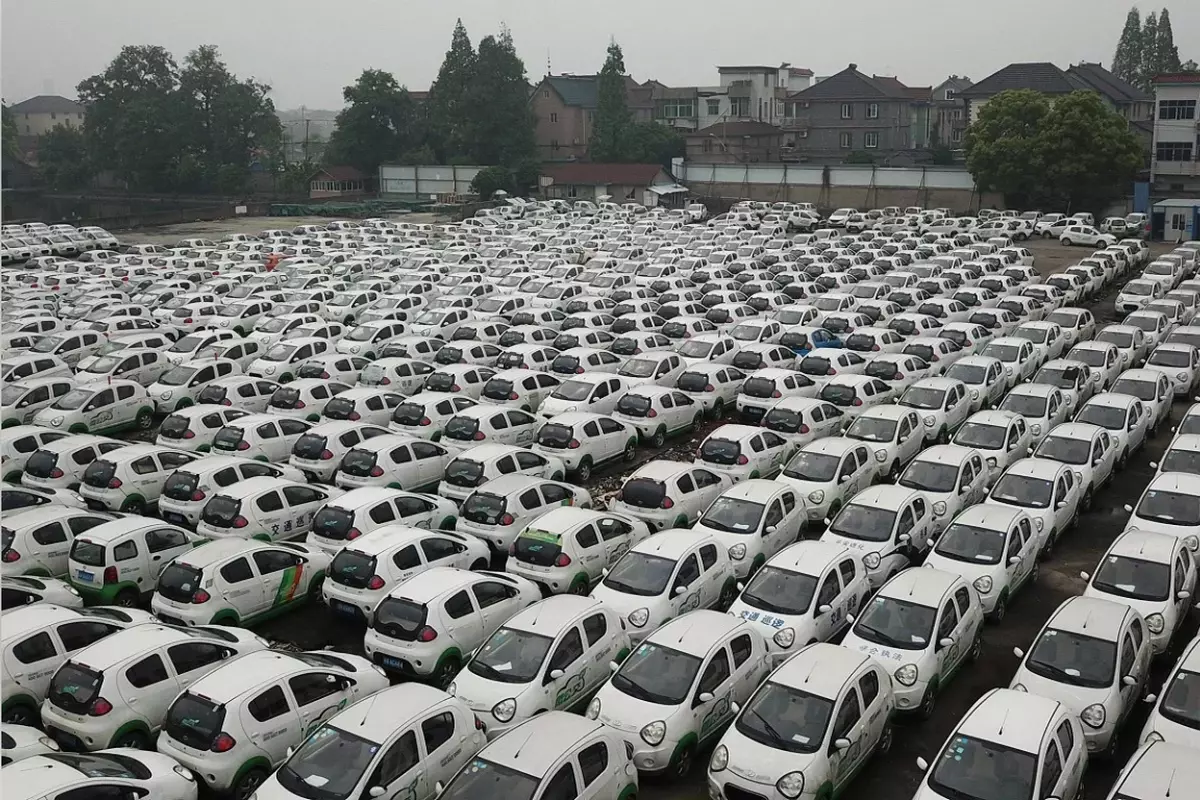
As the EU and China navigate their ongoing dispute over electric vehicle (EV) tariffs, both parties are attempting to prevent a full-scale trade conflict. The European Union recently imposed tariffs as high as 45.3% on Chinese EV imports, alleging that Chinese subsidies have unfairly supported its auto industry. In response, China has placed restrictions on certain European goods, including pork, dairy, and brandy. Despite these tensions, EU member states are using the dispute as a diplomatic tool, aiming to strengthen their individual trade relationships with China even as multilateral talks encounter obstacles.

European leaders and trade officials continue to visit China, underscoring the importance of constructive engagement. French and Finnish officials, among others, have recently met with Chinese counterparts, seeking ways to bolster commercial ties while avoiding further trade fallout. Notably, France, a significant player in the dispute, has maintained its commitment to expanding trade with China, as evidenced by its “Country of Honour” designation at China’s annual import expo this year. This approach reflects a broader EU strategy of selective engagement, balancing economic pragmatism with a cautious stance on trade protection.

This diplomatic approach is particularly important given the internal divisions within the EU. When the tariff measures were up for a vote, EU member states were split: 10 voted in favor, 5 against, and 12 abstained. Germany, Europe’s largest economy, notably opposed the tariffs, which has sparked a debate on how to best manage the economic risks posed by Chinese imports. Some EU nations hope to secure additional Chinese investment in their domestic industries, viewing a softer stance as a pathway to minimize Chinese retaliation. This sentiment is echoed in recent actions by leaders from countries such as Slovakia and Finland, who have actively pursued trade agreements with China.

For China, managing the dispute carefully is essential, particularly as its economy faces deflationary pressures and the need to expand its EV exports. Analysts point out that China’s response, while calculated, has been limited to tariffs on specific European products. This measured reaction suggests Beijing’s focus on controlling the situation to avoid broader economic strain. The dispute has also led both parties to seek arbitration through the World Trade Organization (WTO), though such a process could take years to resolve fully.

Analysts suggest a potential path forward: a compromise on minimum import prices, which would retain some level of tariffs but reduce their severity. This outcome could provide a diplomatic solution that preserves both European and Chinese interests without escalating the conflict. Bo Zhengyuan, an expert from consultancy Plenum, noted that adjusting the tariff rates rather than removing them entirely may be the most realistic resolution in the near term.

Despite the ongoing EV dispute, the EU and China have strong incentives to maintain stable trade relations. European officials are aware that a deeper rift could hinder access to critical materials needed for the green energy transition, and Chinese leaders are cautious about further economic setbacks. Ultimately, the current situation reflects a broader trend: both sides are attempting to “muddle through” the complexities of trade policy while keeping tensions in check.