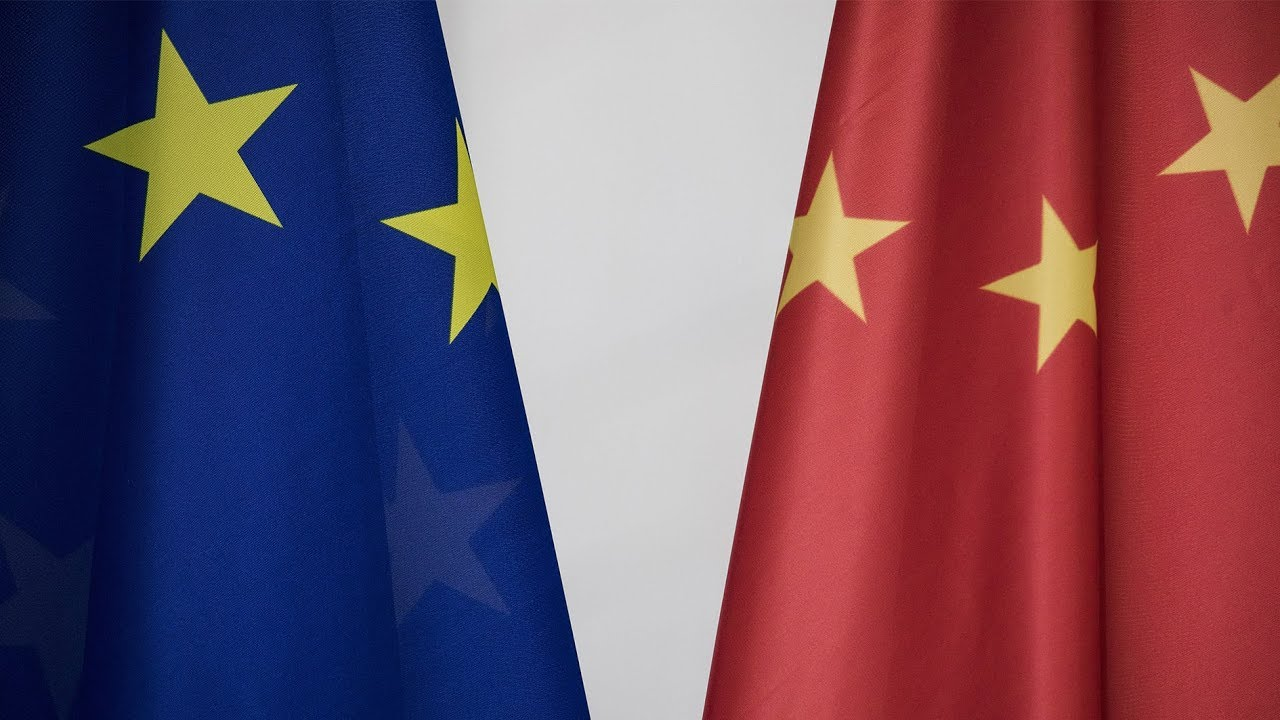
China-EU Tariff Dispute Unlikely to Escalate Further, Analysts Say

As China seeks resolution to its tariff dispute with the European Union (EU) regarding electric vehicles (EVs), analysts predict that Beijing will approach the situation with caution. Following China’s recent appeal to the World Trade Organization (WTO) to address the EU’s tariffs on its EVs, industry experts believe that both parties will avoid escalating the conflict significantly.

On Monday, China’s commerce ministry announced it had filed another complaint with the WTO, emphasizing that bilateral talks have not yielded satisfactory results. According to Shaun Rein, managing director of China Market Research, this latest action serves as a “warning shot” to Europe, indicating China’s strength while signaling a desire for cooperation. He anticipates a “measured” response from China as it navigates its economic relationship with Europe, particularly amid rising tensions with the U.S.

Since the implementation of the EU’s tariffs last Wednesday, discussions have surfaced regarding establishing minimum price commitments from Chinese car manufacturers as an alternative to the tariffs. The EU accounted for over 40% of China’s EV exports in 2023, making the economic stakes significant for both parties.

Sam Radwan, CEO of Enhance International, stated that the likelihood of the China-EU dispute escalating to the level of the U.S.-China trade tensions is low, primarily due to the EU’s dependence on China in its EV supply chain. The EU has increased tariffs on Chinese EVs to as high as 45.3% following a year-long investigation, prompting China to respond by targeting European exports like pork, dairy, and brandy.

European trade officials continue to engage in talks with their Chinese counterparts. Maros Sefcovic, the European Commission’s vice president, referred to China as the EU’s “most challenging trading partner” and expressed the bloc’s intent to be more assertive in addressing what it perceives as structural imbalances and unfair trade practices. Sefcovic emphasized that the EU does not seek trade wars but aims to rebalance its trade relationship with China.

Eugene Hsiao, head of China Autos at Macquarie Capital, noted that China will explore various avenues to pressure the EU into lowering tariffs. He suggested that a successful negotiation for lower tariffs could influence the level of investment Chinese EV manufacturers might consider for local production within the EU.

Reports indicate that China has advised its automakers to pause significant investment plans in European nations that support the tariffs, urging them instead to focus on countries that opposed the tariff measures. Notably, while countries like France, Poland, and Italy supported the tariffs in a recent vote, Germany, the EU’s largest economy and a significant car producer, opposed them.

In a meeting on Sunday, Chinese Commerce Minister Wang Wentao encouraged France to play a proactive role in fostering a solution that would benefit both the European and Chinese electric vehicle sectors. French junior trade minister Sophie Primas reaffirmed that while the EU aims to maintain trade relations with China, it would not compromise on critical issues.
 

Key Countries Watching U.S. Presidential Election Outcomes

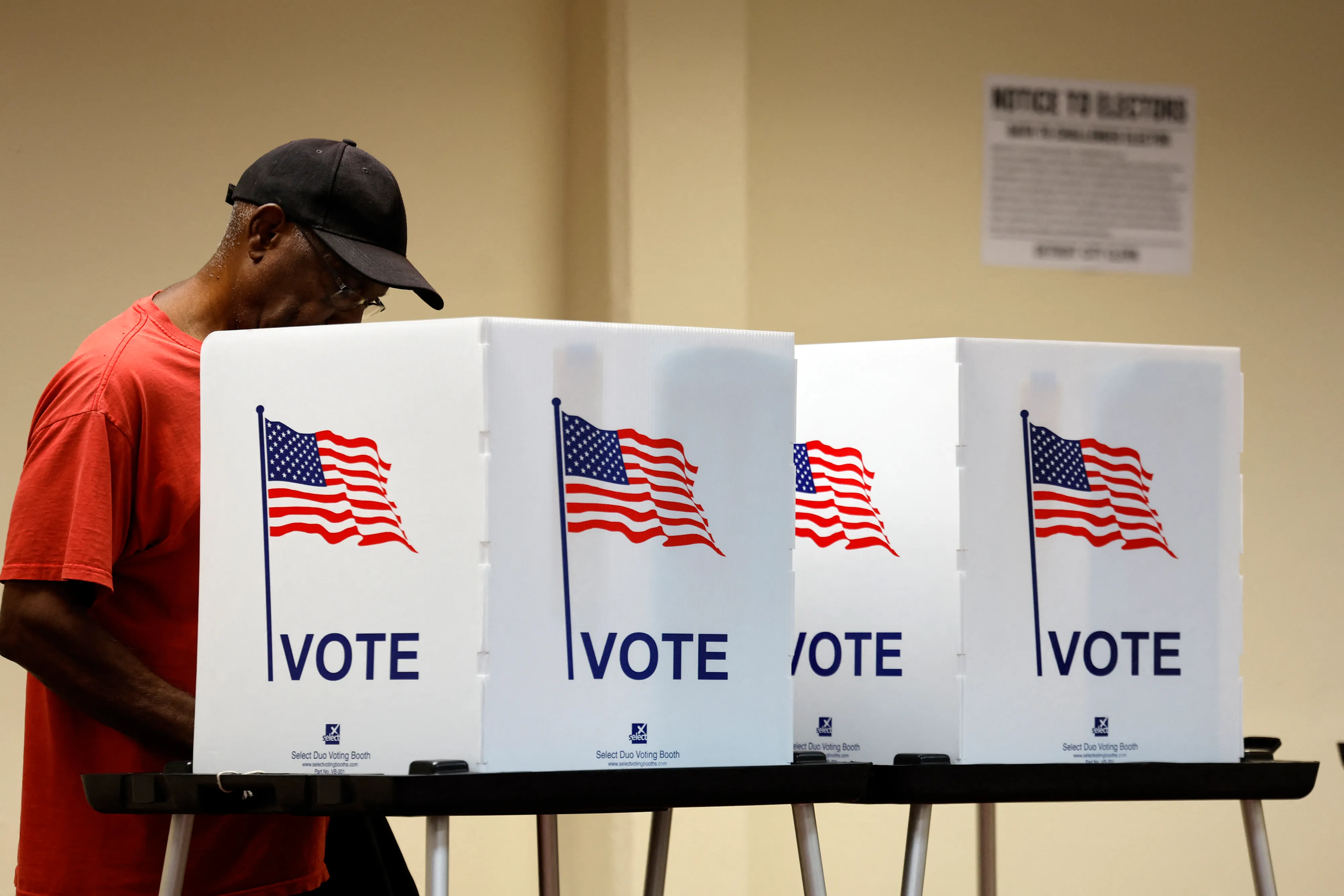
As the U.S. presidential election approaches, several countries are keenly observing the vote, recognizing the potential implications for global stability, economic health, and security. The outcomes could significantly influence geopolitical dynamics, especially for nations like Ukraine, China, Russia, Israel, and Iran.

China
China, the U.S.’s primary economic competitor, is closely monitoring the election results. Former President Donald Trump has indicated a desire to revive the trade war initiated during his previous administration, suggesting substantial tariff increases on Chinese imports. He has proposed raising tariffs by 60-100%, which could significantly impact American households by raising consumer costs. Although Vice President Kamala Harris’s campaign has criticized such sweeping tariffs, a Democratic administration may still maintain existing tariffs imposed during President Biden’s tenure. As China faces economic challenges, including sluggish consumer confidence and a housing slump, the election’s outcome may dictate the size of its forthcoming stimulus measures.

Ukraine
For Ukraine, the stakes are exceptionally high. The country remains reliant on U.S. military aid amid its ongoing conflict with Russia. Analysts suggest that a Trump presidency could lead to reduced support for Ukraine, potentially jeopardizing its territorial integrity. Trump has claimed he could resolve the conflict quickly but would likely press Ukraine into negotiations that could cost it significant territory currently under Russian control. Conversely, while Harris has promised continued support for Ukraine, her ability to secure additional funding may depend on Congress’s composition. The outcome of the election may force Ukraine to reconsider its reliance on U.S. support.

Israel and Iran
The Middle East also watches closely as both candidates pledge strong support for Israel. Trump has cultivated a reputation as a protector of Israel, highlighting past decisions that favor Israeli interests, such as recognizing Jerusalem as its capital. Polling indicates that many Israelis favor Trump for their national interests over Harris. In contrast, Harris has faced scrutiny for her criticism of Israeli military actions but has reaffirmed her commitment to Israel’s right to defense.

As for Iran, experts predict that a Trump administration could escalate tensions, possibly allowing for more aggressive actions against Iran’s nuclear facilities. Harris, on the other hand, is likely to maintain a diplomatic approach, continuing Biden’s policy of de-escalation in the region.

In summary, the U.S. election carries profound implications not only for American politics but also for global affairs, with countries like China, Ukraine, Israel, and Iran poised to react to the new administration’s policies.

Silicon Anodes Surge Ahead in EV Battery Technology Amid Solid-State Battery Challenges

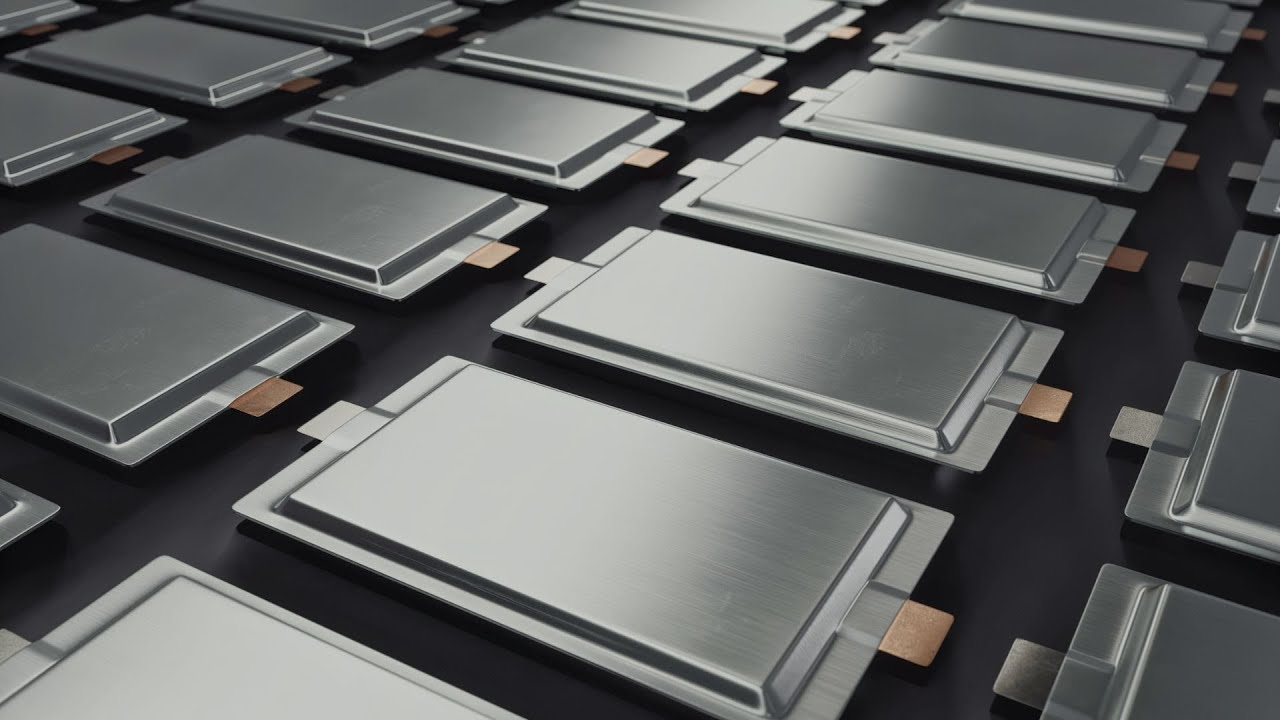
Silicon anodes are emerging as the frontrunner in next-generation battery technology for electric vehicles (EVs), offering promising improvements in energy density and charging speed. While solid-state batteries were once hailed as the “holy grail” for EV sustainability, momentum in this area has waned due to persistent technical obstacles. In contrast, the potential of silicon-based anodes has spurred partnerships between automakers like Mercedes, Porsche, and GM with battery manufacturers to enhance EV performance.

A report from consultancy IDTechEx describes the potential of silicon anode materials as “immense” for key battery performance metrics, but it also highlights significant challenges, including cost, cycle life, and longevity. Venkat Srinivasan, director at Argonne National Laboratory’s Collaborative Center for Energy Storage Science, notes that silicon anodes are currently leading the battery technology race. Srinivasan highlights that while silicon anodes had a calendar life of about one year five years ago, recent advancements have extended this to three to four years, showing progress toward commercial viability.

Unlike cycle life, which counts charging and discharging cycles, calendar life measures how long a battery can maintain over 80% of its initial capacity over time. Solid-state batteries, using solid rather than liquid electrolytes, still lag behind silicon anodes in this aspect, according to Srinivasan.

Silicon anodes theoretically offer up to 10 times the energy density of conventional graphite anodes. However, they degrade faster when used in high concentrations due to significant swelling during charging, reducing battery life. Rory McNulty, a senior research analyst at Benchmark Mineral Intelligence, notes that silicon anodes and solid-state batteries represent two leading EV battery technology pathways, each pushing the boundaries of performance. He points out that solid-state batteries could stabilize high-energy materials like silicon and lithium, improving safety and longevity, yet challenges remain before they can compete effectively with silicon anodes.

Some automakers, including Toyota and Nissan, aim to bring solid-state batteries to market soon, with China’s SAIC Motor Corp planning to use solid-state batteries in its MG cars within the next year. However, analysts remain skeptical about the timeline for broad market adoption of solid-state technology.

Georgi Georgiev, battery raw materials analyst at Fastmarkets, calls silicon anodes a strategic opportunity, especially in Western markets where companies are eager to break China’s 98% share of the graphite-anode supply chain. Companies from China and South Korea to newer players like Taiwan’s ProLogium and U.S.-based Sila Nanotechnologies are exploring silicon’s potential. ProLogium recently showcased the world’s first fully silicon anode battery at the Paris Motor Show, claiming that it offers significantly reduced charging times and improved energy efficiency compared to traditional lithium-ion options.

Still, the high production cost and technical challenges of using 100% silicon anodes remain hurdles to full-scale commercialization. Georgiev anticipates that for the foreseeable future, silicon will likely be used as an additive to graphite anodes, gradually increasing silicon content over time. The shift to entirely silicon anodes may take longer due to the substantial development work required to ensure durability, cost efficiency, and compatibility with existing manufacturing processes.