Britain Faces Trade Challenges Amid Trump’s Proposed Tariffs

The UK faces a precarious trade situation as President-elect Donald Trump signals sweeping tariffs of 10-20% on imports, including those from close allies like Canada, Mexico, and potentially Britain. With Britain’s services-heavy trade largely relying on the U.S. and the European Union (EU), these proposed tariffs threaten to disrupt the country’s economic growth and trade priorities under its Labour government.

Business and Trade Secretary Jonathan Reynolds emphasized Britain’s commitment to advocating for free trade during a parliamentary session. He argued that Britain’s services-dominated exports to the U.S.—which account for over two-thirds of its trade—offer a unique position compared to Trump’s focus on manufacturing-heavy imports. Both nations also report trade surpluses with each other, further supporting the UK’s case for maintaining tariff-free relations.

However, the UK is balancing multiple trade relationships. While efforts to reset relations with the EU are underway, including a potential veterinary agreement to reduce border checks, Trump’s administration may demand Britain prioritize U.S. ties. Liam Byrne, chair of the business and trade committee, suggested that Britain’s closer ties with the EU might hinder prospects for a U.S. free trade agreement (FTA). However, he dismissed the likelihood of an FTA as a “mirage,” advocating instead for sector-specific deals to mitigate potential tariffs.

Navigating U.S., EU, and China Relations

The UK’s trade landscape remains complicated by its post-Brexit relationship with the EU, which still accounts for over 40% of British exports compared to the U.S.’s 22%. While Reynolds highlighted agricultural standard alignments with the EU as a foundation for reducing trade barriers, he acknowledged the difficulties of securing a U.S. FTA, citing longstanding disputes over agricultural practices.

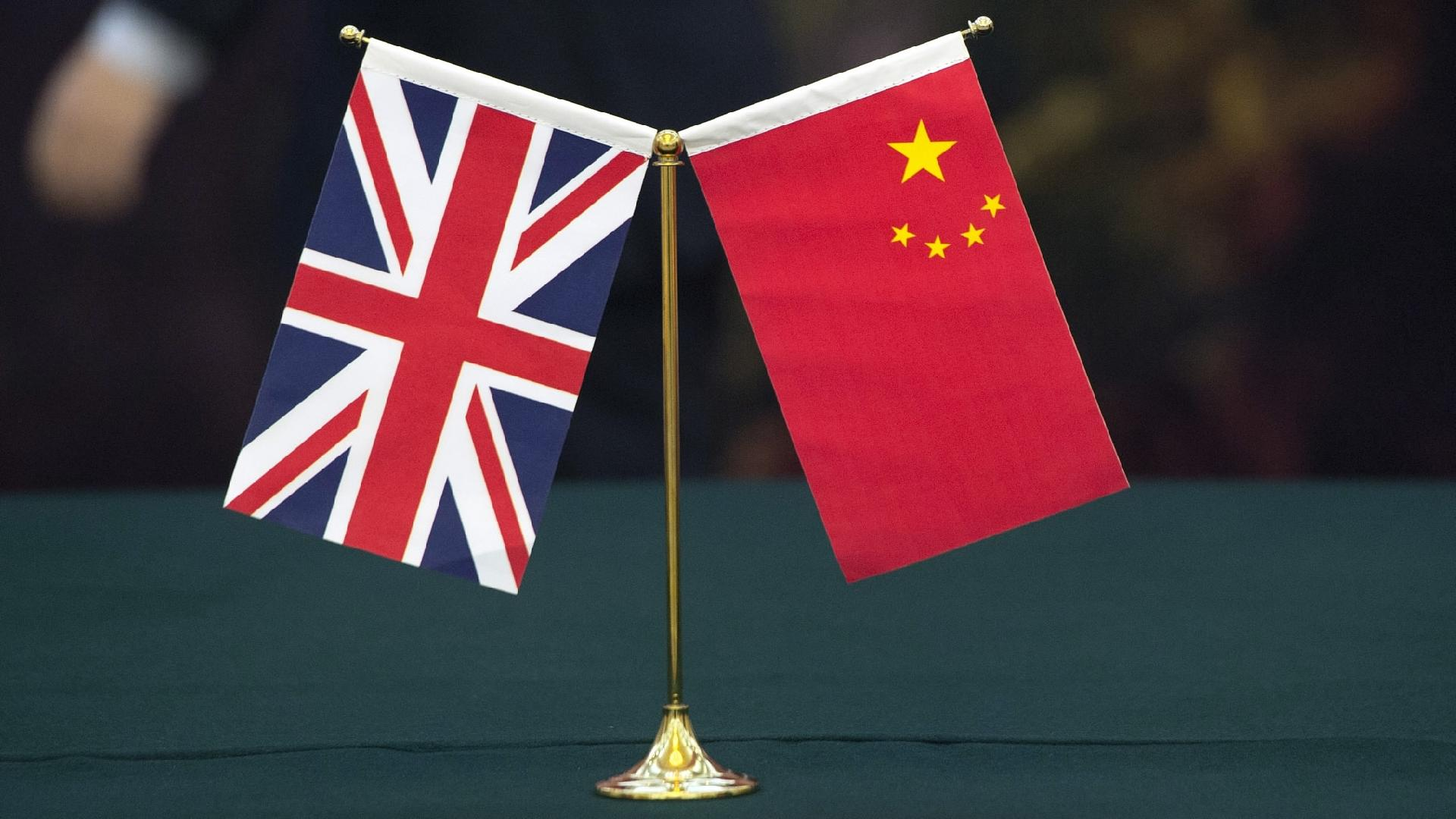
Compounding this challenge is the UK’s increasing openness to China, with Prime Minister Keir Starmer engaging in leader-level talks with President Xi Jinping and Finance Minister Rachel Reeves planning a visit to Beijing. This pivot could create friction with Trump, who has threatened tariffs on Chinese imports and may push Britain to adopt similar measures in exchange for U.S. concessions.

Business Uncertainty and Strategic Choices

George Riddell of EY UK noted growing uncertainty for businesses, particularly manufacturers, who face the prospect of exports departing Britain this year only to encounter new tariffs upon arrival in the U.S. Companies are now forced to prepare for multiple trade scenarios, adding to their challenges.

While some analysts argue Britain could ride out Trump’s tariff threats by strengthening ties with the EU and China, others caution that closer China relations might provoke U.S. ire more than EU engagement. Sam Lowe of Flint Global suggested Trump might pressure the UK to impose restrictions on China as a trade-off for favorable terms with the U.S., placing Britain in a difficult position.

Reynolds stressed that Britain’s goal is to balance its relationships, advocating for open trade while safeguarding its economic interests. However, the competing demands of the U.S., EU, and China leave the UK navigating an intricate and politically charged trade landscape.

 

Mexico Warns of U.S. Job Losses and Retaliation Over Trump’s Proposed Tariffs

Mexican President Claudia Sheinbaum issued a strong warning on Wednesday regarding U.S. President-elect Donald Trump’s proposed 25% tariff on Mexican imports. Mexico estimates the measure could result in 400,000 job losses in the United States and significantly raise costs for American consumers.

“If U.S. tariffs are implemented, Mexico will respond with its own tariffs,” Sheinbaum stated at a press conference, emphasizing Mexico’s readiness to retaliate against the policy. She was joined by Economy Minister Marcelo Ebrard, who called for increased regional cooperation instead of a “war of retaliatory import taxes.” Ebrard described the tariffs as “a shot in the foot” that would harm the U.S. economy by violating the USMCA trade agreement and increasing costs for American companies producing in Mexico.

Ebrard highlighted the significant impact on the automotive industry, which heavily relies on cross-border trade. He noted that 88% of pickup trucks sold in the U.S. are made in Mexico and warned of a $3,000 average price increase per vehicle—costs that would hit rural voters, many of whom supported Trump.

Trump justified the proposed tariffs as a means to combat drug trafficking, particularly fentanyl, and to curb migration into the U.S. He claimed on Truth Social that Sheinbaum agreed to work on controlling migration through Mexico. Sheinbaum later clarified on X (formerly Twitter) that Mexico’s focus was on addressing migration before individuals reached the U.S.-Mexico border, adding, “Mexico’s stance is not to close borders, but to build bridges.”

The proposed tariffs could have wide-reaching implications for North American trade. Mexico’s automotive sector, responsible for 25% of regional vehicle production, would face significant disruptions. Analysts at Barclays warned that the tariffs could “wipe out all profits” for major automakers like Ford, GM, and Stellantis. The Institute of International Finance cautioned that such measures might lead to protectionism, threatening regional economic stability.

Despite the tensions, some analysts see the tariff threats as a negotiating tactic rather than a firm policy decision. David Kohl, chief economist at Julius Baer, noted that Trump appears to be using tariffs to achieve goals beyond trade.

With the USMCA up for review in 2026, experts suggest the trade agreement could undergo renegotiation rather than simple renewal. Katia Goya of Grupo Financiero Banorte predicted lower economic growth, higher unemployment, and increased inflation in the U.S. if trade conflicts escalate.

Ebrard underscored the importance of regional unity, stating, “We can fragment and divide with tariffs, or we can build a stronger region. Mexico chooses cooperation, not conflict.”


iQOO Neo 10 Series Pre-Reservations Open, Design Unveiled Ahead of Launch

The iQOO Neo 10 series is preparing for its launch in the Chinese market, with the Vivo sub-brand now accepting pre-reservations. While the official release date remains undisclosed, the company has opened up pre-orders for the upcoming models through its online store and popular e-commerce platforms like JD.com and Tmall in China. The pre-booking process offers customers attractive benefits valued at approximately CNY 2267 (around Rs. 26,000), making the deal even more enticing. In addition, a new teaser on Weibo has confirmed the design of the devices, providing a glimpse of what users can expect from the highly anticipated smartphones.

The iQOO Neo 10 Pro model, in particular, is set to stand out with its eye-catching dual-tone back panel, featuring a striking combination of orange and grey hues. This design adds a premium look to the phone, setting it apart from others in the market. The power button is positioned on the right side of the device and is expected to serve a dual purpose as a fingerprint scanner, enhancing security and convenience for users. As for the standard iQOO Neo 10, rumors suggest it could be powered by the latest Snapdragon 8 Gen 3 SoC, offering top-tier performance, while the Pro variant may come equipped with a MediaTek Dimensity 9400 chipset for added power and efficiency.

When it comes to camera performance, the iQOO Neo 10 Pro is expected to impress. The rear of the device showcases a rectangular dual-camera module with squarish camera sensors. Notably, the “OIS” engraving on the camera module suggests that the primary sensor will support Optical Image Stabilization, which will enhance photo and video quality, particularly in low-light conditions or during movement. The Neo branding below the camera module adds a touch of branding flair, complementing the sleek and modern design of the device.

While the exact launch date is still under wraps, the unveiling of the iQOO Neo 10 series is highly anticipated by tech enthusiasts. With its powerful chipsets, stunning design, and advanced camera features, the series is set to compete in the premium smartphone segment. The availability of pre-reservations gives potential customers an early chance to secure their device, further building excitement for the official release.