Intel’s $7.86 Billion U.S. Subsidy Deal Imposes Restrictions on Chip Unit Sale

Intel Corporation has disclosed that its recent $7.86 billion subsidy deal with the U.S. government includes significant restrictions on selling stakes in its chip manufacturing unit, Intel Foundry, if it becomes an independent entity. The subsidy, part of the U.S. Commerce Department’s $39 billion initiative to boost domestic semiconductor production, aims to reduce reliance on foreign manufacturers like Taiwan Semiconductor Manufacturing Co.

Under the terms of the deal, Intel must retain at least 50.1% ownership of Intel Foundry if it is spun off as a privately held subsidiary. If the unit becomes publicly traded, Intel is prohibited from selling more than 35% of the company to a single shareholder without potentially breaching change-in-control provisions.

Intel’s Expansion Plans and Subsidy Compliance

The restrictions are tied to Intel’s ambitious $90 billion investment in domestic semiconductor facilities in states such as Arizona, New Mexico, Ohio, and Oregon. These projects are critical to the company’s strategy to enhance U.S.-based manufacturing of cutting-edge chips.

The U.S. Commerce Department confirmed that similar change-in-control conditions are being negotiated with all recipients of direct grants under the subsidy program. Any significant changes in the ownership structure of Intel Foundry would require prior approval from the Commerce Department.

Intel CEO Pat Gelsinger announced earlier this year plans to spin off the company’s chip manufacturing operations as a separate subsidiary and indicated openness to external investments. However, the subsidy terms could limit Intel’s flexibility in pursuing partnerships or raising additional capital for Intel Foundry.

Industry Context and Future Implications

The $39 billion subsidy initiative is part of a broader effort by the U.S. government to strengthen the domestic semiconductor industry, ensuring resilience against global supply chain disruptions. Other industry giants like Taiwan Semiconductor Manufacturing Co. are also benefiting from this program, signaling a shift toward reshoring critical technology production.

While Intel has not commented further on the subsidy’s restrictions, the provisions underscore the U.S. government’s emphasis on maintaining control and oversight of taxpayer-supported manufacturing initiatives.

As Intel continues its expansion projects, compliance with these restrictions will be pivotal to securing its role as a leader in U.S. chip manufacturing and leveraging the subsidy to achieve its long-term goals.
 

Asian Stocks Decline, Dollar Steady Amid Inflation Concerns and Geopolitical Risks

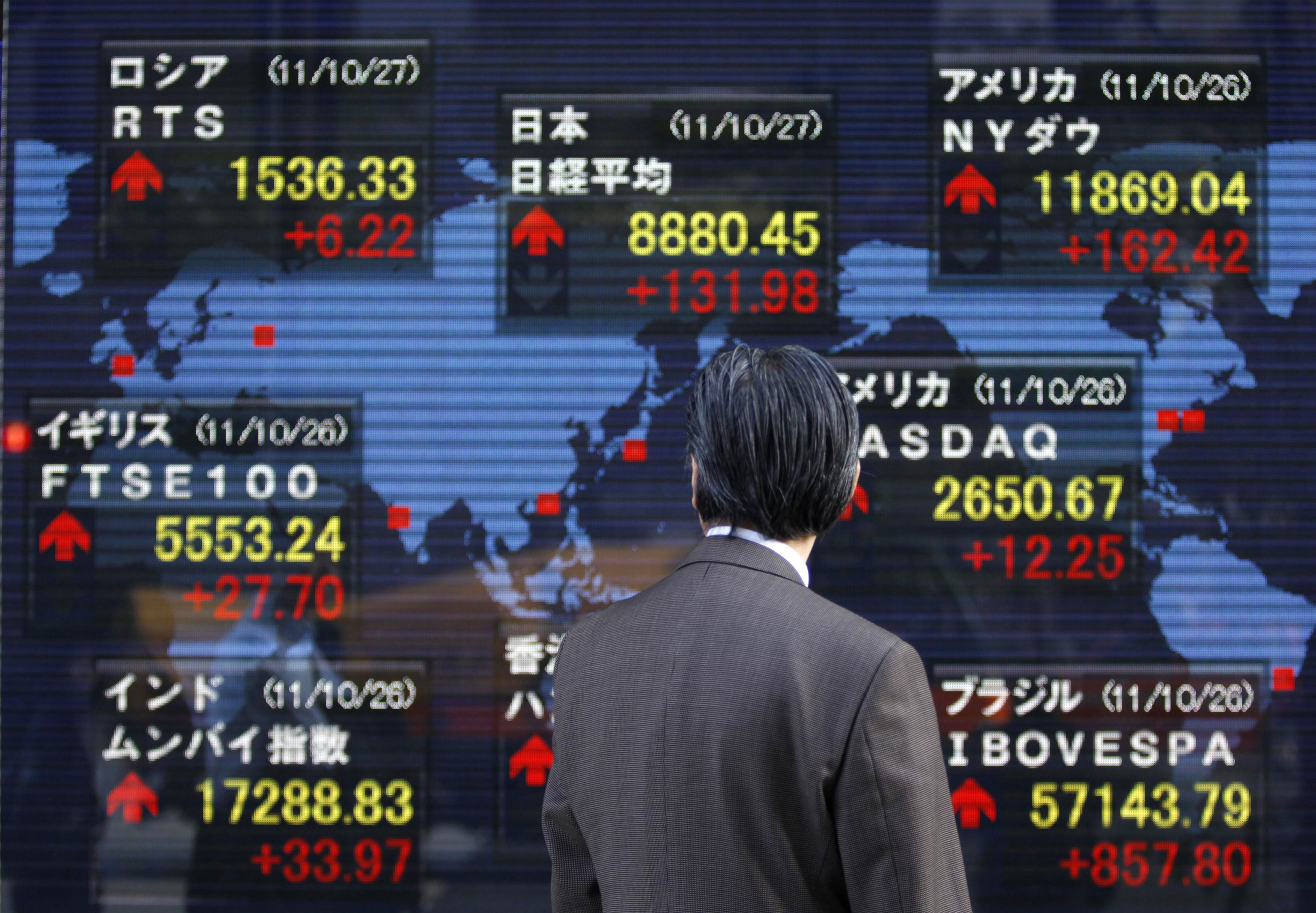
Asian markets saw declines on Thursday, with the dollar marginally strengthening as investors evaluated mixed U.S. economic data. Signs of stalled inflation progress and rising geopolitical uncertainties, including reports of explosions in Ukraine, dampened risk sentiment.

The MSCI Asia-Pacific index, excluding Japan, fell by 0.4%, while Japan’s Nikkei index gained 0.48%. European markets, however, showed signs of a positive open, with futures for the Eurostoxx 50, German DAX, and FTSE indices edging higher.

Economic Data and Inflation Concerns

U.S. consumer spending rose slightly more than anticipated in October, yet inflation continues to exceed the Federal Reserve’s 2% target. This persistence, compounded by the incoming Trump administration’s tariff proposals, raises concerns about renewed price pressures.

The Federal Open Market Committee (FOMC) minutes from November indicated divisions among policymakers on future rate cuts. Despite this, market participants are pricing in a 65% likelihood of a rate reduction in December. Economists, including Kristina Clifton from the Commonwealth Bank of Australia, anticipate a 25 basis point cut but warn that steady inflation data in November could challenge these expectations.

Macquarie strategists noted that the potential tariff hikes could rekindle inflationary trends, marking a departure from the subdued inflation impact seen during the 2018-2019 tariff era.

Global Currency and Commodities Movements

In currency markets, the South Korean won weakened following an unexpected second consecutive rate cut by the Bank of Korea amid stalling economic growth. Meanwhile, the Japanese yen softened but remained near its one-month high on growing speculation of a rate hike by the Bank of Japan.

The euro declined slightly after European Central Bank board member Isabel Schnabel emphasized gradual rate cuts to neutral territory, pulling back expectations for deeper reductions. The dollar index edged up 0.11% to 106.23.

Commodities markets were steady. Oil prices held firm as Middle East supply concerns eased following a ceasefire between Israel and Hezbollah. Brent crude was priced at $72.8 per barrel, and U.S. West Texas Intermediate crude remained at $68.7. Gold was flat at $2,634 per ounce but is on track for its largest monthly loss in over a year, with a 4% drop in November.

Outlook

Thin trading volumes are expected with the U.S. Thanksgiving holiday, but investors remain cautious as inflation data and geopolitical risks continue to influence markets. Tariff uncertainties and central bank policy decisions will remain critical drivers for the global economy in the coming weeks.


China’s State Media Commends U.S. Firms Amid Trade War Fears

Chinese state media have commended select U.S. companies for their “strong collaboration,” amidst escalating concerns over a renewed trade war as Donald Trump prepares to assume the U.S. presidency on January 20. These remarks echo media strategies used during Trump’s first term, where corporate behavior toward China was scrutinized for hints of favorability or potential penalties.

The Global Times, a state-owned outlet, highlighted companies like Apple, Tesla, Starbucks, and HP for their productive partnerships in China. It emphasized the importance of U.S. policymakers recognizing and fostering an environment conducive to such trade collaborations. Similarly, the China Daily referenced Morgan Stanley’s recent regulatory approval to expand operations in China as evidence of continued foreign interest in the Chinese market.

Trump’s Tariff Threats and Chinese Responses

Trump has announced plans for a 10% tariff on Chinese goods, citing Beijing’s insufficient action in addressing the opioid crisis fueled by Chinese-made chemicals. On the campaign trail, he proposed tariffs exceeding 60% on Chinese imports, signaling a tough stance on trade.

During Trump’s first presidency, China unveiled its “Unreliable Entity List,” threatening restrictions on U.S. companies like Apple, Cisco, and Qualcomm. While the list remained largely symbolic, targeting only firms involved in arms sales to Taiwan, it underscored tensions between the two nations.

Beijing appears cautious this time. Experts like Bo Zhengyuan, a Shanghai-based consultant, believe China will avoid immediate retaliation after any formal U.S. tariff announcement, given its fragile economy. However, longer-term measures could follow if China’s commercial interests are significantly impacted.

Business Sentiments and Strategic Implications

The strained trade relations have left U.S. businesses wary. A September survey by the American Chamber of Commerce in Shanghai found only 47% of U.S. firms optimistic about their five-year business prospects in China. American executives have noted the indirect nature of policy communication during trade disputes, often relying on state media to discern Beijing’s priorities and potential threats.

Despite these challenges, China is signaling its desire to maintain robust partnerships with U.S. firms, potentially as a buffer against a new wave of tariffs. Yet, retaliation remains an option if the economic or political pressure intensifies.

Both nations face a delicate balancing act: the U.S. in pursuing aggressive trade policies without alienating American businesses, and China in defending its economic interests while preserving foreign investment amid a slowing economy.