


In October 2024, NASA’s Jet Propulsion Laboratory achieved a significant milestone by successfully integrating the Roman Coronagraph Instrument onto the Nancy Grace Roman Space Telescope, which is scheduled for launch in May 2027. This cutting-edge coronagraph is designed to detect exoplanets that are incredibly faint—up to 100 million times dimmer than their parent stars—by blocking out the overwhelming light from the stars. This breakthrough technology paves the way for future missions aimed at finding Earth-like planets in distant solar systems, making this integration a critical step in advancing exoplanet research.
The Roman Coronagraph, about the size of a baby grand piano, is a complex system composed of masks, prisms, and mirrors working together to block starlight. According to Rob Zellem, Deputy Project Scientist for the Roman Telescope, the instrument’s primary goal is to demonstrate the technologies needed for upcoming space missions such as the proposed Habitable Worlds Observatory, which aims to search for planets capable of supporting life. This crucial piece of technology was installed at NASA’s Goddard Space Flight Center, where it was integrated with the Telescope’s main frame, known as the “skeleton” of the observatory. The final integration will see it paired with the Wide Field Instrument, the Roman’s primary science tool, completing the telescope’s core functionality.
Historically, most exoplanet discoveries have been made using the transit method, where astronomers detect the slight dimming of a star’s light as a planet passes in front of it. However, this method is limited by the rare alignments of planetary orbits. The coronagraph-equipped Roman Space Telescope will go beyond this constraint by using direct imaging, allowing scientists to observe exoplanets without waiting for a transit event. This technique, known as coronagraphy, has been tested on the ground with some success, such as with the HR 8799 star system. But the Roman Coronagraph’s advanced capabilities promise to provide unprecedented sensitivity, offering a new way to study distant worlds in space.
With this new coronagraph, the Roman Space Telescope will significantly enhance our ability to directly image exoplanets, marking a major step forward in the search for habitable planets outside our solar system. By blocking out the blinding light of stars, it opens the door to studying planets that were previously too faint to observe, potentially identifying new candidates for life-supporting worlds. As the telescope nears its 2027 launch, the coronagraph will play a pivotal role in shaping the future of space-based exoplanet exploration.
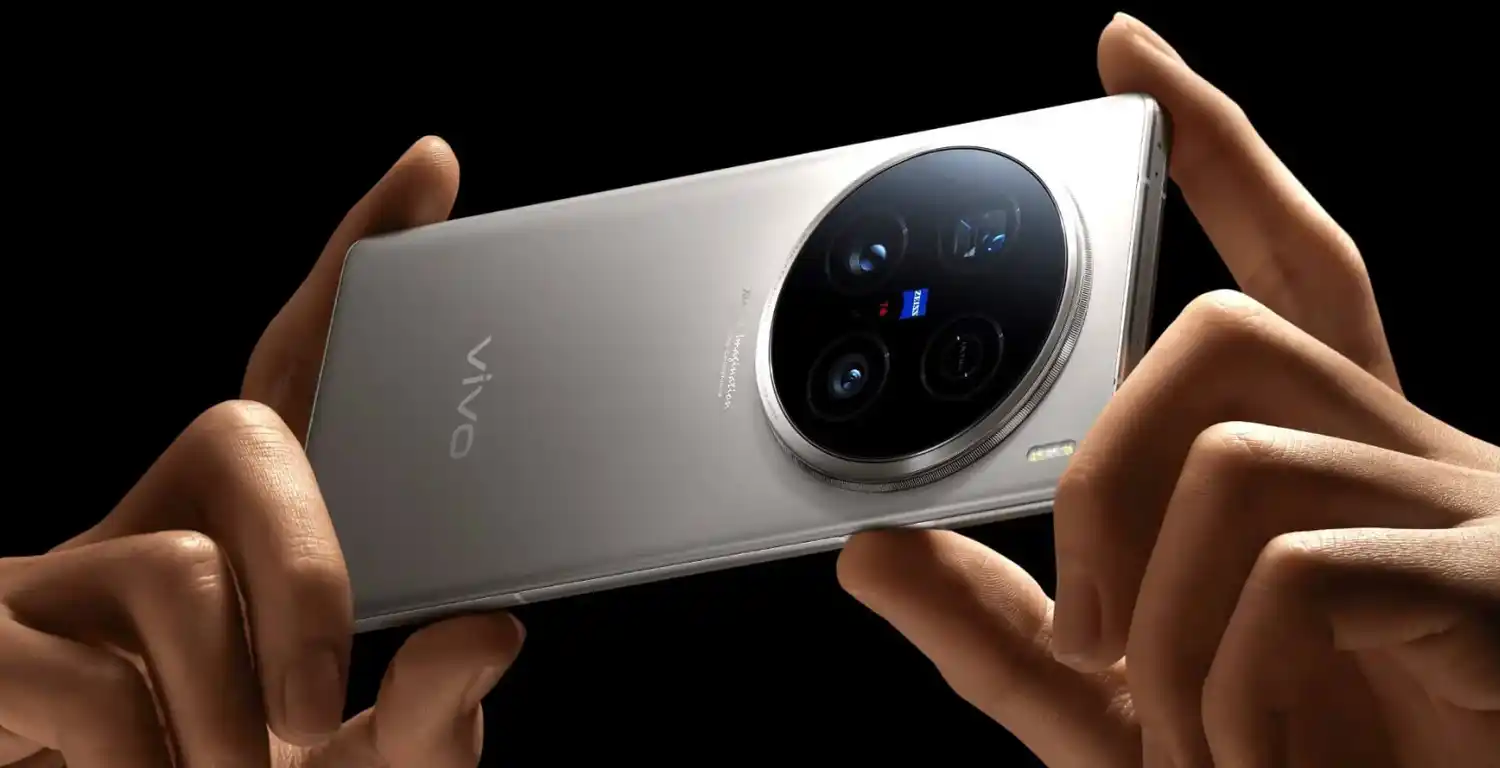
Vivo’s X200 series, which was launched in China last month, is expected to make its debut in India in the coming weeks, though with some notable exclusions. The series includes three models: the Vivo X200, Vivo X200 Pro, and Vivo X200 Pro Mini, all powered by the MediaTek Dimensity 9400 SoCs and featuring Zeiss-branded cameras and Origin OS 5 UI. While the exact global launch date remains unconfirmed, leaks suggest the Indian launch will take place in December, but not all variants are expected to be available.
According to reports from 91mobiles, Vivo plans to introduce the Vivo X200 and Vivo X200 Pro models in India by December, but the X200 Pro Mini will not be part of the launch. This decision could be tied to market strategy or the performance and feature sets of the X200 Pro Mini, which may not align with local demand or expectations in India. The Vivo X200 series is already available in China and will soon make its way to Malaysia, but it’s still uncertain whether the X200 Pro Mini will feature in global markets, including India.
The initial anticipation was that the entire Vivo X200 lineup would land in India by the end of November or early December, but with the new leak, it appears that Vivo is streamlining its offering for the Indian market. Consumers can expect to see the more premium Vivo X200 and X200 Pro models, both of which come with high-end specifications, including advanced camera technology and powerful processors, while the Mini variant will likely remain exclusive to certain regions.
With the Vivo X200 series set to launch soon, it will be interesting to see how the brand positions these devices in India’s competitive smartphone market. The exclusion of the Pro Mini model might be seen as a strategic move to focus on the more premium offerings, allowing Vivo to tap into the growing demand for high-performance smartphones in the region. The official confirmation from Vivo will likely provide more clarity on the full scope of the release.