From $125,000 Loan to $8 Billion Deal: The Jersey Mike’s Journey

At the age of 17, Peter Cancro made a bold decision that would turn him into a billionaire. With a $125,000 loan from his football coach, he bought a small sandwich shop called Mike’s Subs in Point Pleasant, New Jersey. At the time, Cancro was still in high school and had no intention of going into business. His plans were to study law at the University of North Carolina at Chapel Hill.

However, after some encouragement from his mother, Cancro reconsidered. What seemed like an improbable move quickly became a reality. The next day, he secured the loan from his coach, who was also a banker. By the time he graduated high school, Cancro was the proud owner of the sandwich shop.

The store was eventually renamed Jersey Mike’s Subs, and today it has grown into a global chain with nearly 3,000 locations. On Tuesday, the company’s latest milestone came when private equity firm Blackstone announced its agreement to acquire a majority stake in Jersey Mike’s. This deal, valued at $8 billion, increased Cancro’s net worth to an estimated $7.5 billion, according to Bloomberg.

In the early years of his ownership, the company faced many hurdles. In 1991, following a series of bank failures in the Northeast, Cancro found himself struggling to keep the business afloat. He had to make difficult decisions, including letting go of his entire corporate staff. Yet, he refused to give up. By 1994, the company was on the mend, and Jersey Mike’s expanded into North Carolina.

By 2006, the business hit another rough patch, as the aftermath of the dot-com bubble burst and aging stores began to impact performance. Cancro took a risky but necessary step, investing millions in store renovations. This decision paid off, and by 2007, Jersey Mike’s was back on track.

Today, Jersey Mike’s boasts an impressive annual sales growth of about 20% since 2019, with $3.3 billion in sales in 2023 alone. The company’s success continues to attract interest, as only 1% of franchise applicants are approved. Opening a new location can cost anywhere from $200,000 to $1.3 million, but with traditional stores averaging $1.2 million in sales per year, the investment can be highly profitable.

Cancro, now 67, will retain a minority but significant equity stake in the company following the deal. He will continue to serve as CEO after the acquisition, which is expected to close early next year. Reflecting on his remarkable journey, Cancro expressed confidence in the company’s future: “We believe we are still in the early innings of Jersey Mike’s growth story.”

The Most You Should Pay for Housing If You Earn $80,000 a Year

For many Americans, housing is the largest and most influential expense in their budgets. However, determining how much you can afford to spend on housing has become increasingly difficult in recent years due to rising shelter costs.

If you earn $80,000 annually — the median U.S. household income — a common guideline suggests spending no more than 30% of your income on housing. This would be around $2,000 per month. However, with home prices rising rapidly and rental costs soaring, this benchmark is becoming less feasible, especially in major cities.

Since August 2020, home prices in the U.S. have increased by 45%, while the cost of renting a two-bedroom apartment has jumped by 22%, according to Redfin. As a result, nearly a third of American households are now considered “cost burdened,” spending more than 30% of their income on housing.

What Can You Afford on $80,000 a Year?

While the 30% rule remains a good starting point, financial experts suggest that a range of 35% to 39% of your income on housing may be more realistic, particularly in high-cost areas. Emmanuel Eliason, a certified financial planner from Colorado, advises against spending more than 50% of your income on housing, as it can cause financial strain, limiting your ability to save or cover other expenses.

Here’s a breakdown of how much you could reasonably allocate toward housing costs based on different percentages of your income:

  • 30% of your gross income: $2,000 per month
  • 35% of your gross income: $2,333 per month
  • 40% of your gross income: $2,667 per month
  • 45% of your gross income: $3,000 per month
  • 50% of your gross income: $3,333 per month

While spending more than 30% can be unavoidable in some areas, it’s crucial to aim for a balanced budget, leaving room for savings and unexpected costs. Housing should remain a manageable expense, as it is one of the few costs that doesn’t fluctuate easily and often comes with long-term commitments.


Can Starbucks Fix Long Lines at Its Airport Cafes?

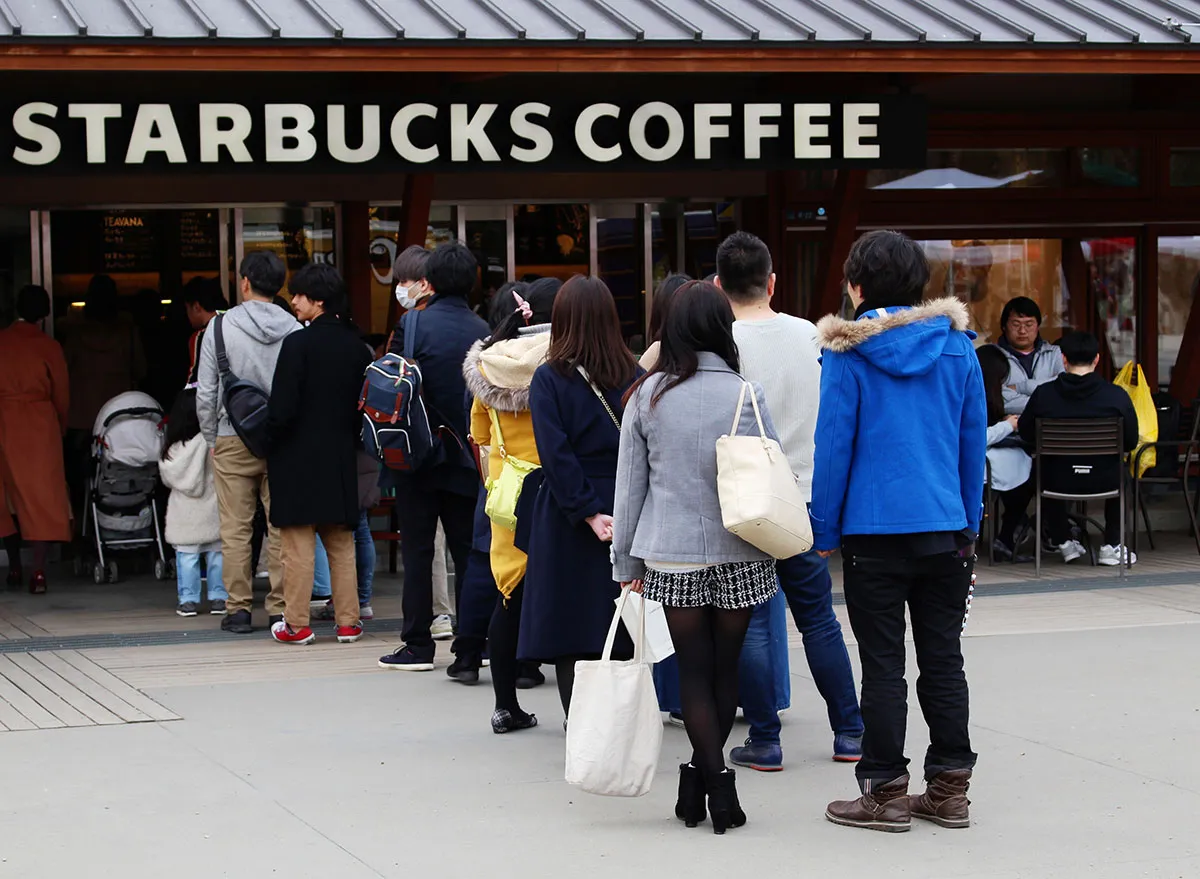
Airports have become notorious for long lines, especially at Starbucks locations, where travelers face delays in their quest for coffee, snacks, and caffeine boosts before flights. In places like New York’s LaGuardia Airport, customers have reported wait times of up to 10 minutes for coffee, a stark contrast to the much quicker service they experience at non-airport Starbucks.

Starbucks’ new CEO, Brian Niccol, previously from Chipotle, has acknowledged the growing challenge of airport service delays and is committed to revamping the experience. Niccol sees a major opportunity to improve operational efficiency and speed up service in airport cafes, aiming to reduce wait times to four minutes per customer. This is part of his broader strategy to reverse the company’s recent sales decline and enhance customer experience.

During some of the busiest travel days of the year, such as Thanksgiving week, Starbucks’ airport locations will be tested as they manage the influx of travelers. The U.S. Transportation Security Administration (TSA) is expecting record numbers of passengers, which, combined with staffing shortages, could intensify airport congestion, including at food outlets like Starbucks.

Starbucks has faced a series of struggles in recent months, with sales declining for three consecutive quarters through September. U.S. same-store sales fell by 6%, reflecting customer resistance to rising prices and certain promotional efforts. Niccol’s solutions to improve this include simplifying operations, enhancing mobile ordering, and eliminating surcharges for dairy alternatives.

However, the mobile ordering system, introduced in 2022, has not fully solved the issue of airport chaos. With many customers unfamiliar with the Starbucks app or not regularly using it, mobile orders often add to the confusion rather than alleviating the burden of long lines. Improving service times could not only enhance customer satisfaction but also help Starbucks regain lost customers during peak travel periods.

Challenges of Airport Operations

Starbucks’ airport locations face distinct challenges. These cafes are typically operated by third-party licensees, not Starbucks directly. While this model saves the company from the complexities of airport operations, it also means that Starbucks has limited control over staffing and management at these locations. The company receives licensing fees, royalties, and payments for supplying its products, but licensees bear the operational costs.

The coffee chain’s licensing partners, such as HMSHost, Paradies Lagardere, and OTG, are responsible for staffing and managing Starbucks’ airport locations. These arrangements create discrepancies between Starbucks’ high standards and the actual operational reality at the airports. Staffing issues, combined with the unpredictability of customer flow, make it difficult for Starbucks cafes to maintain efficiency, especially during surges in passenger traffic when hundreds of travelers arrive at once.

Technology and Innovation in Airports

Airports have begun implementing technological solutions to address service bottlenecks. Kiosks and ordering tablets are becoming more common, and some airports offer platforms that allow passengers to order food ahead of time. For instance, Dallas Fort Worth International Airport has introduced DFWOrderNow, where customers can place orders through digital kiosks. Starbucks has a similar system that reroutes customers to its app, ensuring familiarity for those who prefer to stick with the brand’s traditional ordering system.

Additionally, airports are experimenting with robotics and automated delivery to speed up service. Tampa International is exploring robotic solutions to increase efficiency, while Fort Worth-based Ampersand is set to open a 24/7 robotic barista at DFW’s Terminal C. Such innovations may help alleviate long wait times, especially during off-peak hours.

Despite these challenges and ongoing efforts to streamline service, Starbucks remains a favorite among travelers. Many still willingly endure long waits due to their loyalty to the brand. As the coffee chain works to address the issues at its airport locations, it may need to balance technological innovations with improved operational strategies to meet the demands of today’s increasingly crowded airports.