Max Verstappen Secures Fourth Consecutive F1 World Championship as George Russell Triumphs in Las Vegas

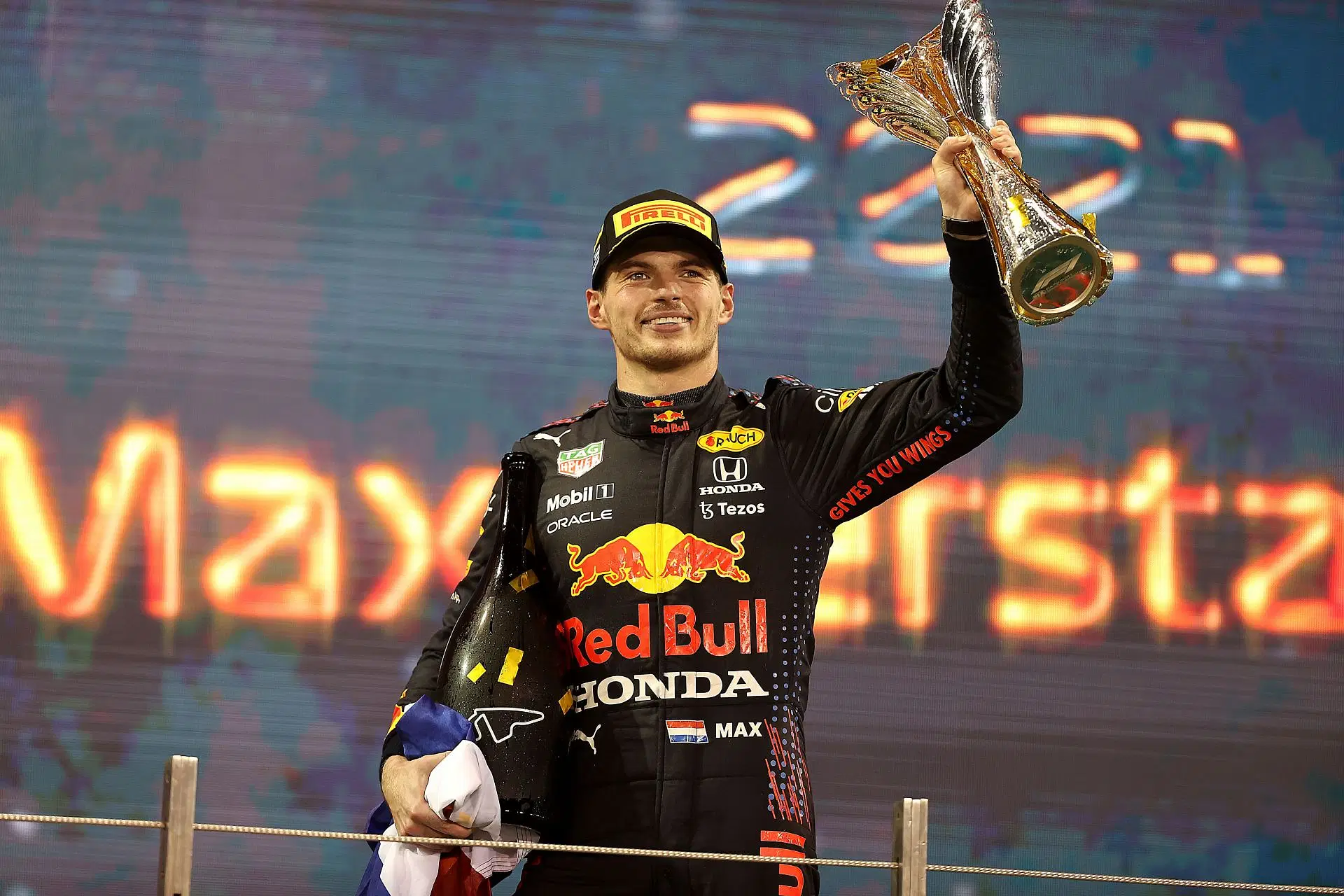
Max Verstappen clinched his fourth consecutive Formula One World Drivers’ Championship at the thrilling Las Vegas Grand Prix, where George Russell claimed victory for Mercedes. Verstappen entered the race with a straightforward task: finish ahead of his nearest title rival, Lando Norris, to seal the championship. Starting from fifth on the grid, Verstappen maintained his position and finished the race in fifth place, with Norris behind in sixth, officially making his championship lead insurmountable with only two races left in the season.

With this latest triumph, Verstappen joins the elite company of Michael Schumacher, Lewis Hamilton, Juan Manuel Fangio, Alain Prost, and Sebastian Vettel as one of only six drivers in F1 history to secure at least four World Championship titles. Reflecting on the achievement, Verstappen thanked his team over the radio, acknowledging that while the season presented more challenges than last year, their collective effort led to another championship win.

The 2023 season began with Verstappen dominating, winning seven out of the first ten races. However, Red Bull’s dominance began to wane, and the chasing pack, particularly McLaren, started to close the gap. Despite winning only one of the next 12 races, Verstappen managed to secure enough points to maintain his lead over Norris throughout the season.

Verstappen remarked on the journey, stating, “It’s been a long season, and of course, we started off amazing, it was almost like cruising, but then we had a tough run. But as a team, we kept it together, we kept working on improvements, and we pulled off the win. I think this season definitely taught me a lot of lessons. I’m incredibly proud of how we handled it.”

While Verstappen celebrated his title, Norris expressed disappointment but also praised his rival. “Congrats to Max, I’m disappointed I’m out of it, but Max deserved to win it. He drove a better season than I did, he deserved it more than anyone else,” said Norris.

Mercedes’ George Russell delivered a dominant performance in the Las Vegas GP, securing his third career victory and second of the season. Starting from pole position, Russell controlled the race, aside from a brief tussle with Charles Leclerc, and crossed the line in first place. His teammate, Lewis Hamilton, recovered from a challenging qualifying session to finish second, securing a one-two finish for Mercedes. Hamilton’s podium finish marked his 202nd career podium, further cementing his legacy in F1.

“I don’t know how we’ve been so quick but I’m just riding this wave right now,” Russell said after the race. “It’s been a dream of a weekend. To get the victory here, pole position, a dominant weekend, and a one-two with Lewis…we couldn’t have chosen a better place to make this happen.”

Ferrari’s Carlos Sainz completed the podium in third, with teammate Charles Leclerc just behind in fourth. The two Ferrari drivers exchanged places throughout the race, engaging in a thrilling battle with Verstappen.

In the Constructors’ Championship, Ferrari closed the gap to McLaren to just 24 points, while Red Bull trails by 53, leaving plenty to play for in the final two races of the season in Qatar and the UAE.
 

World Strikes Climate Deal on Financial Aid for Developing Nations After Intense COP29 Negotiations

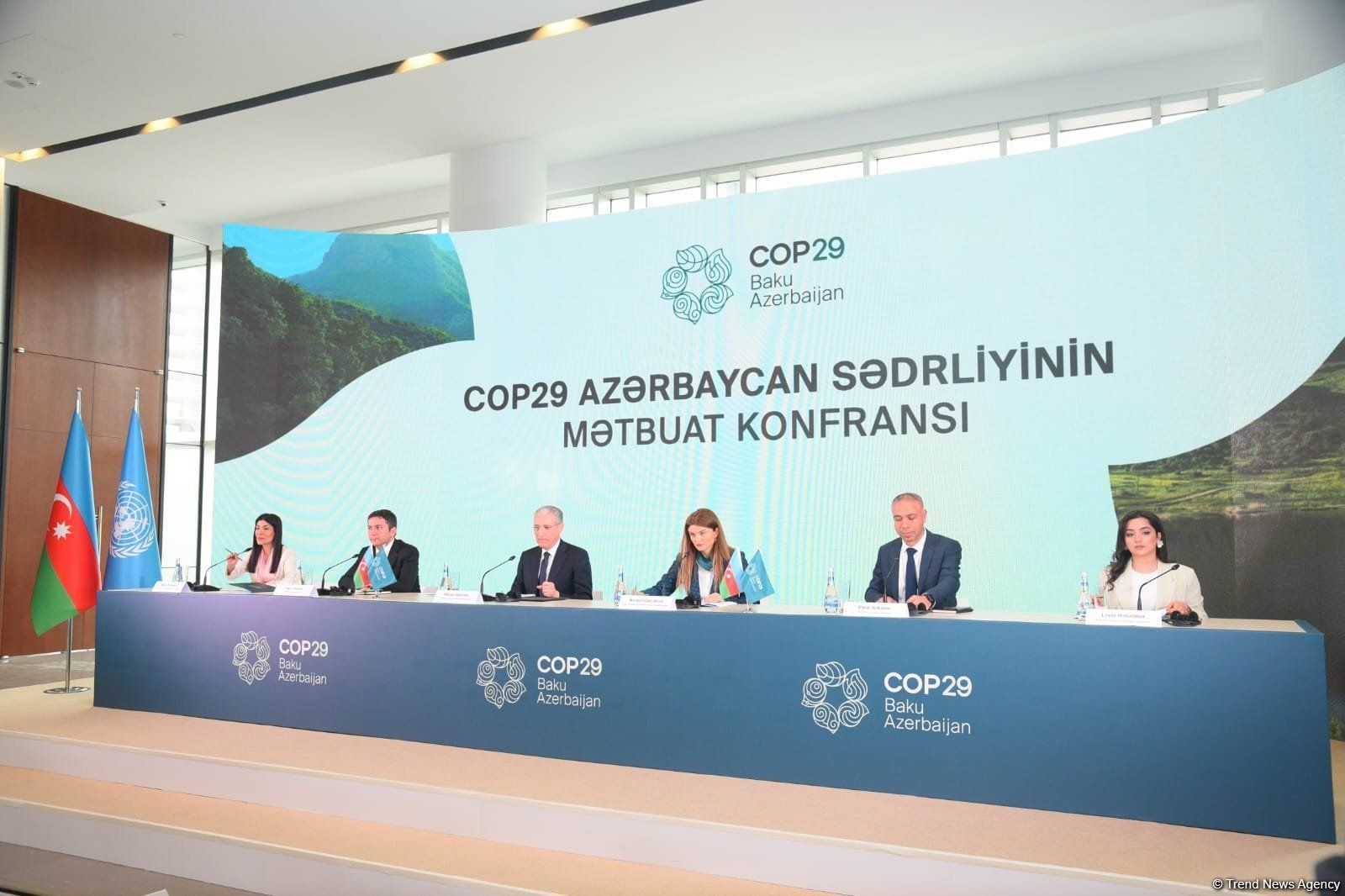
At the COP29 summit in Baku, Azerbaijan, world leaders reached an agreement on climate finance, with wealthy nations pledging to provide $300 billion annually by 2035 to assist poorer countries in addressing the severe impacts of climate change. However, the deal came after over two weeks of contentious negotiations and divisions that nearly caused the summit to collapse.

The $300 billion pledge, while a significant commitment, was met with sharp criticism from developing countries, who argued that it fell drastically short of the $1.3 trillion economists say is necessary to help these nations adapt to climate change. India’s representative, Chandni Raina, condemned the amount as “abysmally poor,” labeling the agreement an “optical illusion” that could not tackle the scale of the climate crisis. Similarly, Tina Stege, climate envoy for the Marshall Islands, called out the deal for failing to provide sufficient funding to the most vulnerable nations, blaming fossil fuel interests for blocking progress.

The agreement stipulates that wealthy countries, including the US and European nations, will contribute to the $300 billion, a mix of public and private financing. This pledge builds on a previous commitment made in 2009 for $100 billion annually, which had only been met in 2022. While developing nations had requested a larger sum—$500 billion annually—the proposal was rejected by richer nations, citing current economic constraints.

Another contentious point was the lack of binding contributions from emerging economies like China and Saudi Arabia. Though the deal encourages voluntary contributions from these nations, it imposes no obligations, drawing criticism for failing to adequately address their role in the climate crisis.

The summit was held in a politically charged atmosphere, dominated by fossil fuel interests. Over 1,700 fossil fuel lobbyists attended, surpassing the number of country delegates. Saudi Arabia, a major oil exporter, exerted significant influence, rejecting any reference to fossil fuels in the final agreement, further fueling dissatisfaction.

Despite these challenges, the deal was finalized at 2:40 a.m. local time on Sunday, nearly 30 hours past the original deadline, with more than 30 countries walking out at various points during the negotiations. Mukhtar Babayev, president of COP29, expressed pride in the outcome, stating that skeptics were wrong to doubt the summit’s success.

While some leaders, including Simon Stiell of the UN Framework Convention on Climate Change, hailed the deal as a crucial step forward, many activists and representatives of developing nations remain dissatisfied, arguing that the deal offers little more than a Band-Aid for the deeper financial needs of climate-vulnerable countries.


Cher ‘Shocked’ to Discover Her Legal Name Was Different from What She Thought

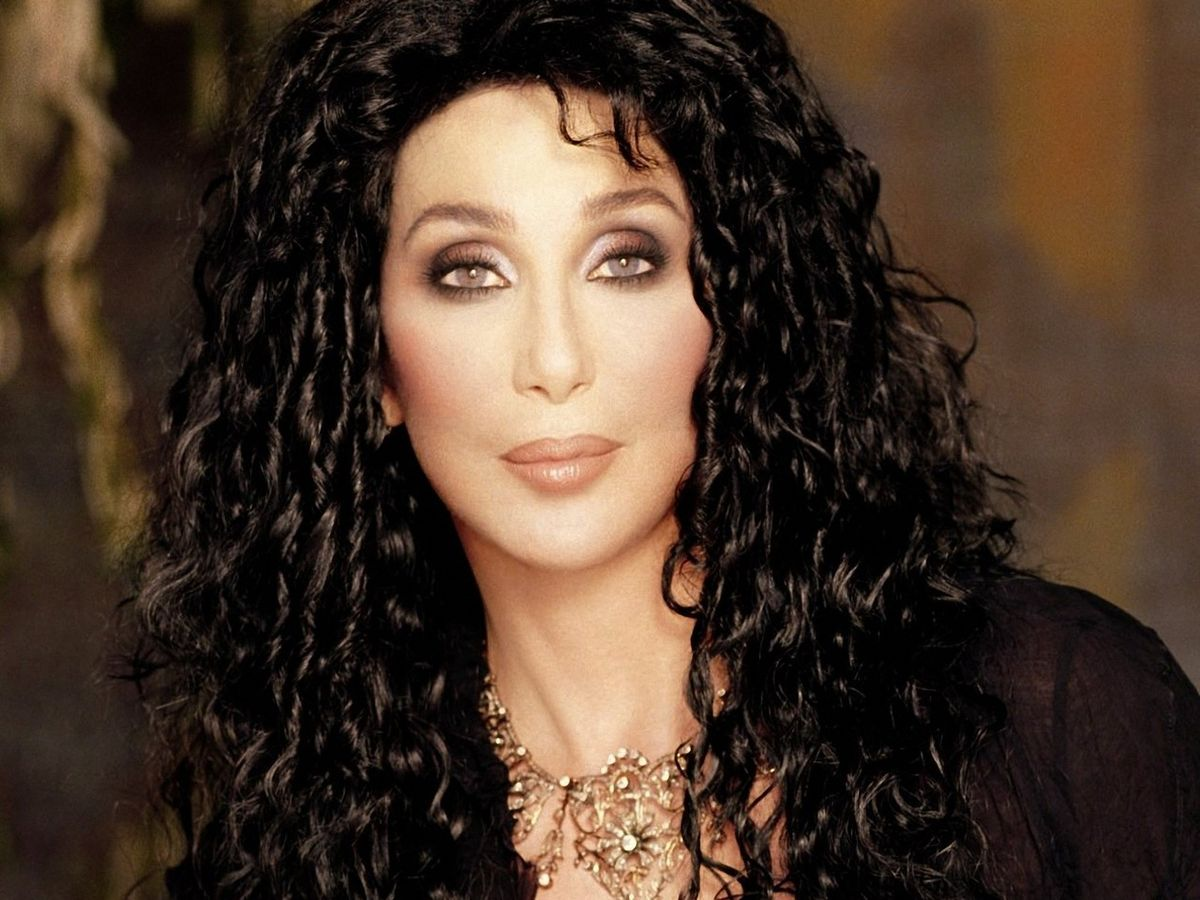
In her new memoir, Cher: The Memoir, Part One, the iconic singer and actress Cher reveals an unexpected moment of personal discovery: when she applied to legally change her name in 1979, she was “shocked” to learn that her birth certificate listed her first name as Cheryl, not Cherilyn, as she had always believed.

Cher recalls that for years, she had assumed her full name was Cherilyn. However, when she decided to simplify her name legally to just “Cher,” she was taken aback to find a discrepancy. According to Cher, her mother, Georgia Holt, who gave birth to Cher in 1946 at the age of 19, was too exhausted after labor to properly name her.

The confusion began when a nurse asked her mother for the baby’s name. Cher’s mother, in pain and unsure, jokingly responded with “Cherilyn” after combining names of two people she admired—Lana Turner’s daughter, Cheryl, and her own mother’s name, Lynda.

Later, after learning the truth, Cher confronted her mother, asking, “Do you even know my real name, Mom?” To which Holt humorously replied, “I was only a teenager, and I was in a lot of pain. Give me a break.”

Cher ultimately changed her name in 1979, dropping the additional surnames she had from her father, stepfather, and two ex-husbands. She adopted her famous mononym, “Cher,” which would become one of the most recognizable names in entertainment.

Cher: The Memoir, Part One was published on November 19 and is available now.