Baidu Secures License to Test Autonomous Vehicles in Hong Kong

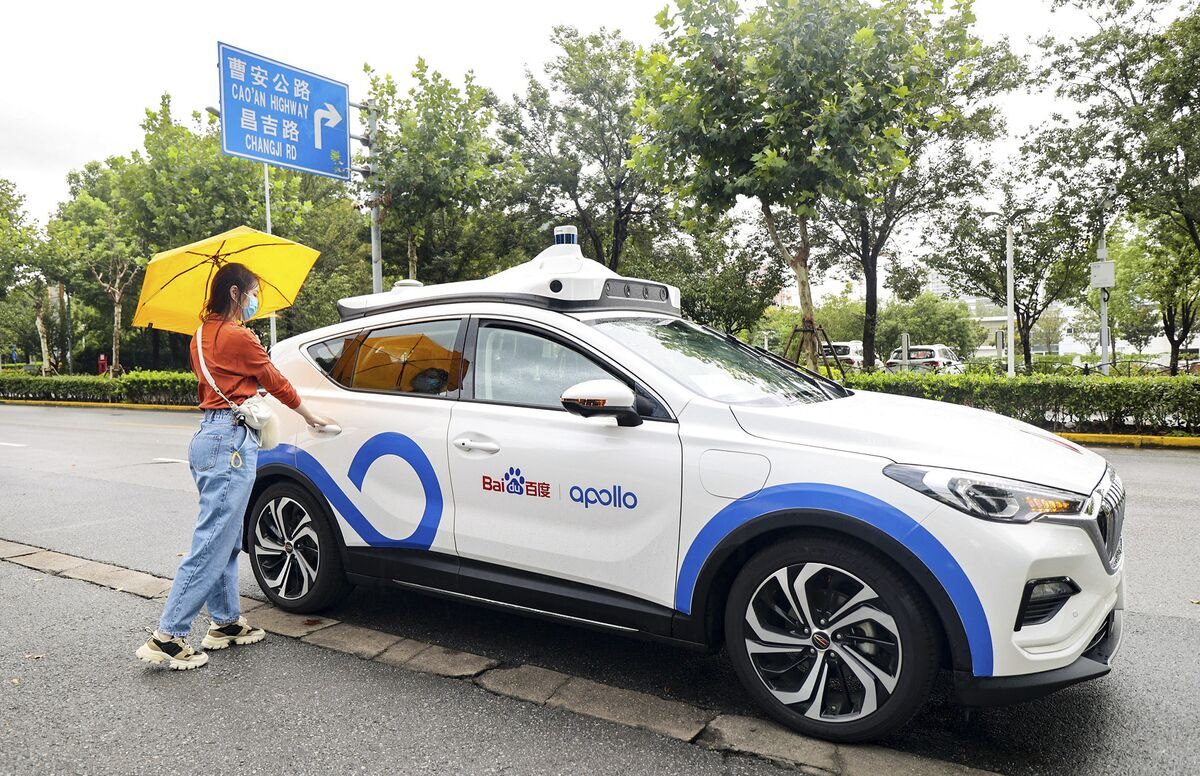
Baidu’s Apollo robotaxi service has received approval to test autonomous vehicles in Hong Kong, marking the company’s first license for self-driving car trials outside mainland China. Hong Kong’s Transport Department announced Friday that Baidu Apollo International Ltd is authorized to conduct tests with 10 autonomous vehicles in the North Lantau region.

The license, valid from December 9, 2024, to December 8, 2029, will initially permit only one autonomous vehicle on specified road sections at a time. A backup operator will be required to remain onboard to take control of the vehicle if needed during the trials.

This approval is the first issued under Hong Kong’s new regulatory framework for autonomous vehicles, introduced in March 2023. While the Hong Kong government has promoted autonomous vehicle technology since 2017, public road trials have been limited until now.

Baidu’s Apollo Go service operates across several mainland Chinese cities, including Wuhan, where it manages a fleet of over 400 autonomous vehicles, the largest in the region. With competition in the autonomous vehicle sector intensifying, Baidu aims to expand its robotaxi services internationally to locations such as Hong Kong, Singapore, and the Middle East, according to recent reports.

The Hong Kong trial represents a significant step in Baidu’s global ambitions for its autonomous vehicle program and underscores the city’s evolving stance on integrating cutting-edge technology into its transportation ecosystem.


Canadian News Companies Sue OpenAI Over Alleged Copyright Violations

Five Canadian news media organizations—Torstar, Postmedia, The Globe and Mail, The Canadian Press, and CBC/Radio-Canada—filed a legal action against OpenAI on Friday, alleging the AI company unlawfully used their content to develop its products. This lawsuit adds to a growing wave of legal challenges against generative AI firms by creators and copyright holders worldwide.

In a joint statement, the news companies accused OpenAI of scraping substantial portions of their journalism without permission or compensation. “Journalism is in the public interest. OpenAI using other companies’ journalism for their own commercial gain is not. It’s illegal,” they declared.

Legal and Financial Demands

The plaintiffs filed an 84-page claim in Ontario’s Superior Court of Justice, seeking damages and a permanent injunction to prevent OpenAI from further use of their intellectual property. The statement argues that OpenAI has “brazenly misappropriated” the companies’ copyrighted materials for commercial purposes without obtaining legal authorization or offering payment.

“The News Media Companies have never received from OpenAI any form of consideration, including payment, in exchange for OpenAI’s use of their works,” the filing states.

OpenAI’s Response

OpenAI defended its practices, stating its models are trained on publicly available data under principles of fair use and international copyright law. A company spokesperson highlighted its collaborative efforts with publishers, including offering mechanisms for opting out and attributing content in ChatGPT’s search features.

The lawsuit does not name Microsoft, OpenAI’s primary backer, which has been implicated in similar cases. Notably, Elon Musk recently expanded a separate lawsuit to include Microsoft, alleging monopolistic practices and illegal data acquisition for generative AI development.

Broader Implications

This case represents a critical juncture in the ongoing clash between AI companies and copyright owners. Similar lawsuits have been filed by authors, visual artists, and music publishers seeking to establish clearer legal boundaries around data use for AI training.

Recently, a New York federal judge dismissed a lawsuit against OpenAI brought by news outlets Raw Story and AlterNet. This decision may influence the Canadian court’s ruling, though Canadian copyright laws differ in scope and interpretation.

The outcome of this case could set a significant precedent for how AI companies interact with content creators and may prompt broader regulatory discussions around intellectual property rights in the digital age.


Australia’s Under-16 Social Media Ban Divides Public Opinion

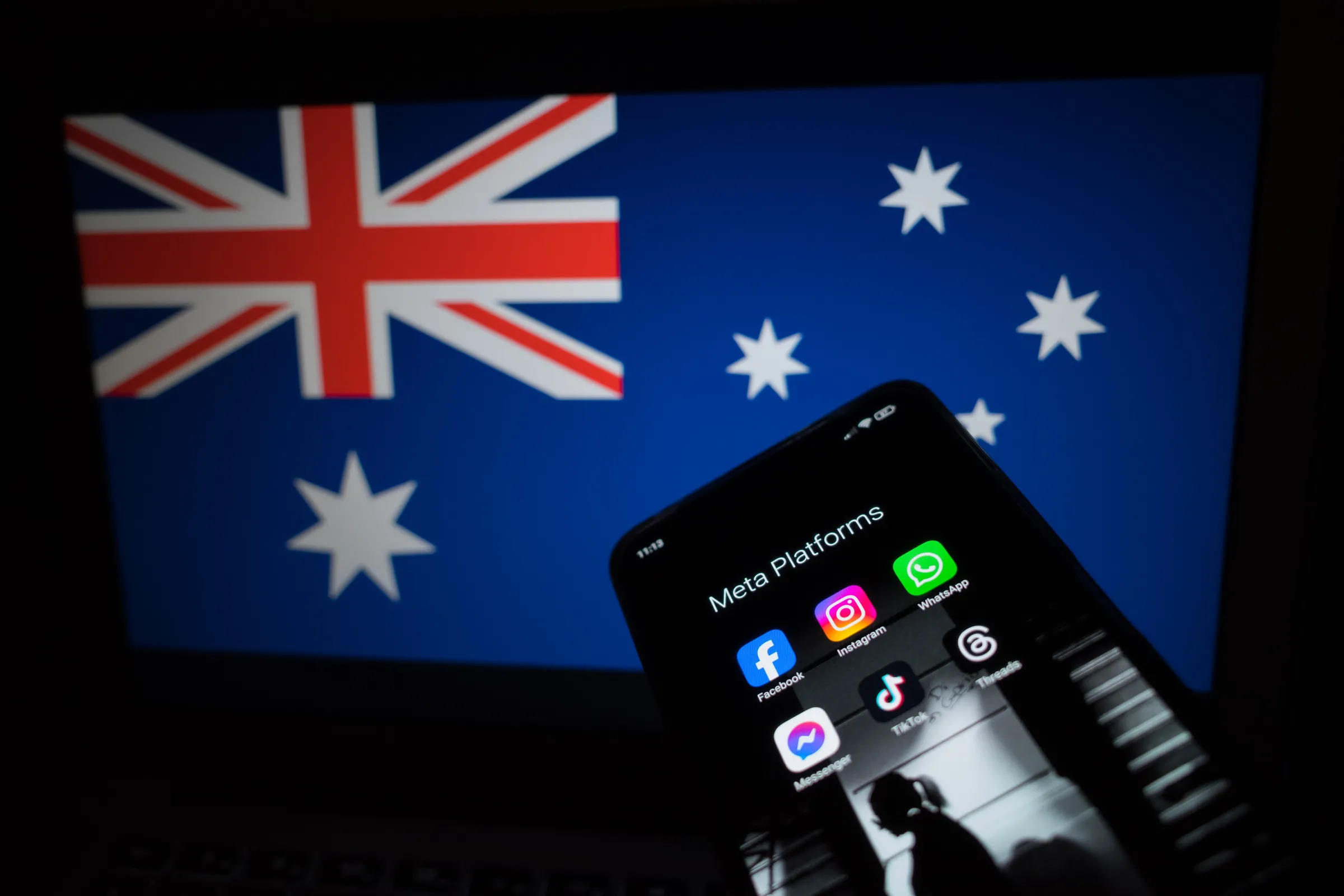
Australia has implemented a groundbreaking social media ban for children under the age of 16, triggering a mix of reactions from citizens, tech companies, and advocacy groups. Announced late Thursday and set for full enforcement by 2025, the law prohibits minors from accessing platforms like Facebook, Instagram, and TikTok, with violators facing fines up to AUD 49.5 million (USD 32 million).

Prime Minister Anthony Albanese defended the move, emphasizing the need to protect children from the physical and mental health risks associated with excessive social media use. He highlighted specific concerns, such as harmful body image portrayals targeting girls and misogynistic content aimed at boys.

“Platforms now have a social responsibility to ensure the safety of our kids,” Albanese stated, adding that the new law enables parents to have “different conversations” about social media use.

Mixed Reactions

Public opinion in Australia is deeply divided. Some, like Sydney resident Francesca Sambas, praised the ban for addressing inappropriate content, saying, “Social media for kids is not really appropriate; sometimes they can look at something they shouldn’t.”

However, others, such as 58-year-old Shon Klose, criticized the government’s decision as authoritarian. “This government has taken democracy and thrown it out the window,” she said, expressing outrage over the lack of public consultation.

Young users also voiced skepticism, with 11-year-old Emma Wakefield suggesting she would find ways to bypass the restrictions.

Global Comparisons and Implementation Challenges

While other countries, including France and some U.S. states, have introduced laws requiring parental permission for minors to access social media, Australia’s ban is the most stringent to date. A similar law in Florida, banning social media use for children under 14, is currently under legal challenge.

Tech companies, particularly TikTok, have expressed concerns over the policy. A TikTok spokesperson criticized the rushed legislative process, warning that such restrictions could drive young users to “darker corners of the internet.” Advocacy groups and mental health experts have also cautioned against potential unintended consequences.

Albanese defended the timing of the legislation, arguing that early action was necessary to address the harms of cyberbullying and online exploitation. “We know that implementation won’t be perfect, just like alcohol bans for under-18s aren’t foolproof, but it’s the right thing to do,” he said.

Political and International Implications

The bill gained bipartisan support, passing swiftly through parliament alongside 30 other pieces of legislation on its final sitting day of the year. Critics have called out the lack of debate, with some lawmakers accusing the government of undermining democratic scrutiny.

Internationally, the law could strain ties with the U.S., where tech mogul Elon Musk, a prominent figure in President-elect Donald Trump’s circle, suggested the ban could pave the way for broader internet censorship in Australia.

This latest move adds to Australia’s history of regulatory clashes with tech giants. The country was the first to mandate payments from social media companies to news outlets and is preparing additional penalties for platforms failing to combat online scams.