European Companies Announce Job Cuts Amid Economic Slowdown

Overview of Layoffs Across Key Sectors

As economic challenges persist across Europe, numerous companies have been forced to implement hiring freezes or reduce their workforce. Weak demand and uncertain market conditions are driving layoffs across industries. Below is a breakdown of significant announcements since August:


Banking Sector

  • DNB: The Norwegian lender plans to cut 500 full-time jobs within six months to address lower interest rates and heightened competition.
  • Santander: The Spanish bank will reduce over 1,400 jobs in its UK operations.
  • UniCredit: Italy’s banking union Fabi reported an agreement involving 1,000 voluntary redundancies and the creation of 500 new jobs.

Automotive Industry

  • Michelin: The French tyre manufacturer is shutting two facilities in Western France, impacting 1,250 jobs.
  • Schaeffler: The German car parts and machinery maker will lay off 4,700 employees due to reduced demand from auto and industrial clients.

Industrial and Engineering

  • Northvolt: The Swedish battery producer plans to cut 1,600 jobs.

Retail and Consumer Goods

  • Auchan: The French supermarket chain intends to eliminate over 2,000 positions due to declining store traffic.
  • Husqvarna: The Swedish garden equipment firm will cut approximately 400 jobs, citing constrained consumer spending.

Telecom Sector

  • Telia: The Swedish telecom operator aims to cut 3,000 positions in 2024.

Other Industries

  • Airbus: Up to 2,500 jobs in the Defence and Space division will be cut by mid-2026.
  • Equinor: The Norwegian energy producer plans to reduce its renewable energy staff by 20%.
  • Infineon: The German chipmaker will cut 1,400 jobs globally and relocate another 1,400 roles to lower-cost countries.
  • Lufthansa: The German airline will gradually reduce administrative jobs by 20%.
  • Mondi: A fire-damaged paper mill in Bulgaria will be shut down, affecting 300 jobs.
  • SMA Solar: Up to 1,100 global positions will be cut at the solar parts supplier.
  • Shell: The energy giant plans a 20% workforce reduction in its oil and gas exploration division.
  • Solvay: The Belgian chemicals company will reduce its workforce by 300-350 jobs across multiple countries.
  • Tamedia: The Swiss media company is shutting two printing works, affecting nearly 300 employees.
  • UPM: The Finnish forestry group may eliminate 110 jobs in Finland and has announced closures in Germany, impacting nearly 400 jobs.
  • Yara: The Norwegian fertilizer producer will shut an ammonia unit in Belgium, potentially cutting 115 jobs.

Key Drivers of Layoffs

Economic stagnation, inflation, and weak consumer demand are cited as primary reasons for workforce reductions. While some companies implement temporary measures, others are restructuring long-term operations in response to sector-specific challenges.
Merkel Raises Concerns Over Musk’s Influence on Trump and Global Politics

Merkel Criticizes Big Business Influence

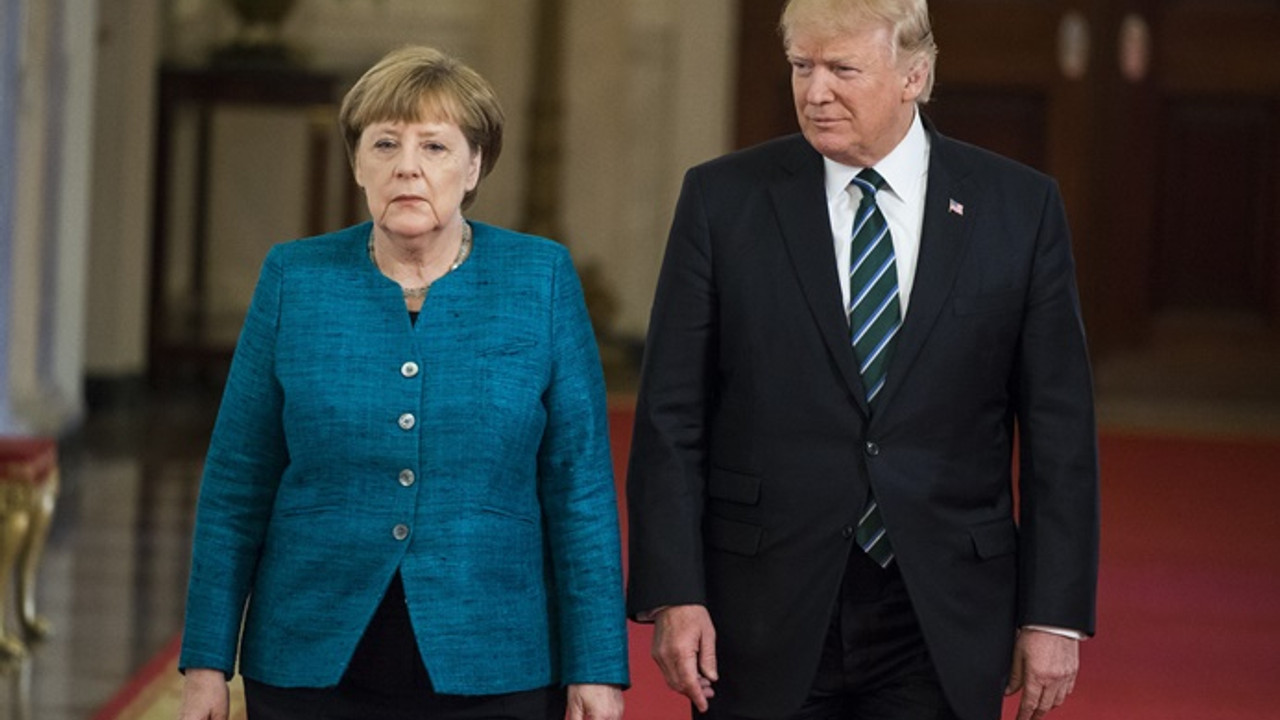
Former German Chancellor Angela Merkel has expressed alarm over the growing influence of tech magnates like Elon Musk on politics, particularly regarding former U.S. President Donald Trump. In an interview with Der Spiegel, published ahead of her memoir’s release, Merkel highlighted the challenges posed when corporate power overshadows democratic governance.

“If the ultimate recourse of politics is influenced too strongly by companies—through capital or technological capabilities—it poses an unprecedented challenge for all of us,” Merkel stated, emphasizing the importance of balancing the interests of ordinary citizens against those of powerful corporations.


Concerns Over Musk’s Expanding Role

Merkel singled out Musk, CEO of Tesla and SpaceX, as a concerning example. Musk was reportedly tapped by Trump to co-lead a newly envisioned Department of Government Efficiency, which the former president-elect had indicated would operate outside traditional government frameworks.

Merkel pointed to Musk’s vast control over global satellite networks. “If someone like him owns 60% of all satellites orbiting in space, then that has to be a huge concern for us,” she said. Musk’s SpaceX, through its Starlink satellite internet network, operates over 6,000 satellites used worldwide by governments, corporations, and consumers.


Reflections on Multilateralism and Trump

In her forthcoming memoir, Freedom: Memories 1954-2021, Merkel shares insights into her experiences with global leaders, including Trump and Russian President Vladimir Putin. Speaking to Der Spiegel, she lamented Trump’s approach to international relations, noting that his worldview, rooted in a “winner-takes-all” mentality, undermined multilateral cooperation.

“Trump’s re-election filled me with sadness,” Merkel admitted, underscoring the difficulties of maintaining collaborative global efforts in the face of such divisive politics.


Memoir Release and Legacy Concerns

Merkel’s memoir, set to be released on November 26 in over 30 countries, has garnered significant attention. She will launch the book in the U.S. alongside former President Barack Obama in December. The release comes at a time when Merkel’s 16-year tenure is under scrutiny, as Germany faces economic challenges and growing political and international crises.

The memoir promises a candid look at Merkel’s leadership during pivotal global events and offers a reflection on the delicate balance of power between governments, corporations, and individuals.

“Life in Delhi: Struggling to Breathe Amid the World’s Worst Air Pollution”

A City Struggling to Breathe

In Delhi, where the air quality has reached catastrophic levels, residents like 64-year-old Deepak Rajak are battling severe health challenges. His asthma, aggravated by hazardous smog, has left him gasping for breath and reliant on the city’s first pollution-related illness clinic at Ram Manohar Lohiya (RML) hospital. “It’s impossible to breathe,” Rajak shares, reflecting a sentiment echoed by millions in India’s capital.

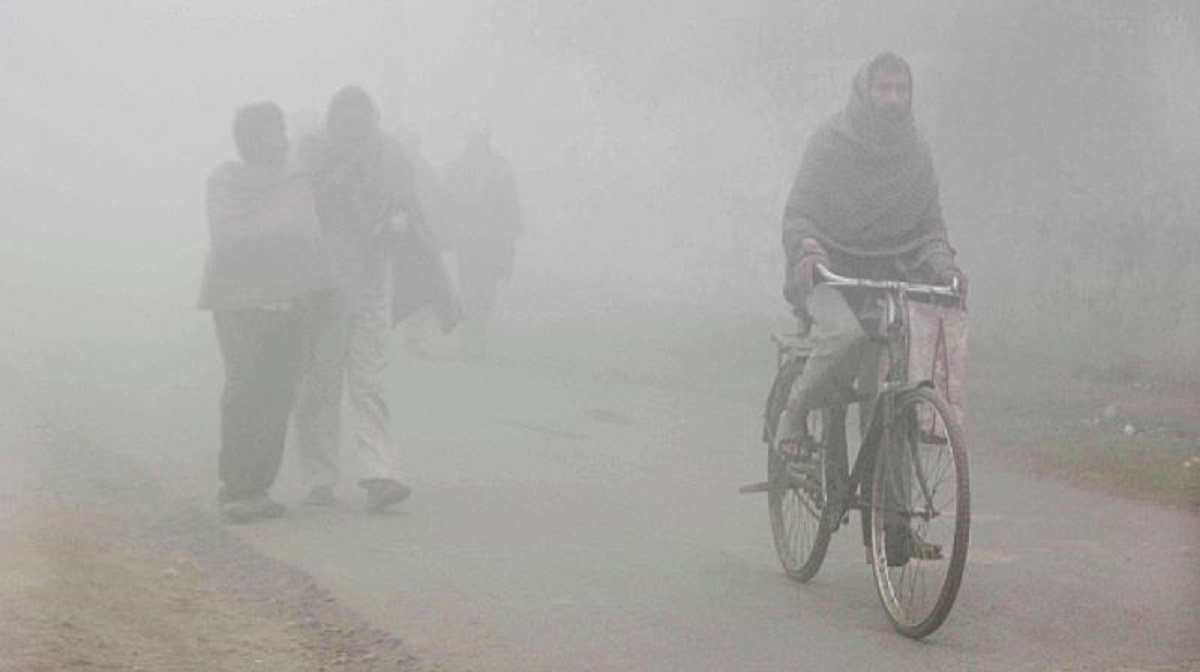
Outside the clinic, the city is shrouded in a toxic haze so thick it disrupts daily life, grounding flights, obscuring visibility, and endangering health. Delhi’s Chief Minister Atishi has declared a “medical emergency,” closing schools and advising residents to stay indoors—measures that are impractical for many who rely on daily wages to survive.


Pollution Beyond Tolerance

Recent air quality readings have painted a grim picture: Delhi’s Air Quality Index (AQI) soared past 1,750 in some areas, far exceeding the “hazardous” benchmark of 300. The PM2.5 particulate level—a dangerous pollutant that penetrates deep into lung tissue—was recorded at 77 times the World Health Organization’s safe limits.

For people like Mohammad Ibrahim, an auto-rickshaw driver, the effects are palpable. “It feels like chili in my eyes,” he says, describing how the pollution causes chest pain and black deposits in his nose after a day’s work. Yet, like Rajak, Ibrahim cannot afford to stop working despite the health risks.


Health Crisis Unfolding

The pollution is taking a toll on vulnerable groups, including the elderly and those with pre-existing conditions. Retired Air Force member Aditya Kumar Shukla, 64, has been hospitalized three times this year due to asthma exacerbated by the smog. Despite wanting to leave Delhi, Shukla laments the lack of alternatives.

Doctors at RML and other hospitals report a surge in patients with pollution-related ailments, including persistent coughs, stinging eyes, and lung problems. Pulmonologists warn that even non-smokers are developing chronic obstructive pulmonary disease (COPD), a condition linked to long-term exposure to pollutants.


Temporary Measures, Persistent Problems

Each year, pollution worsens in winter, fueled by agricultural waste fires, coal-burning power plants, and stagnant weather conditions. Emergency measures, such as halting non-essential truck movement, sprinkling roads with water, and suspending construction work, have been implemented but provide only temporary relief.

Environmental experts like Sunil Dahiya argue that these measures fail to address the root causes. “The government’s response does not match the intensity of the emergency,” Dahiya critiques, urging year-round systemic action to curb emissions from transportation, industry, and agriculture.


Policy and Action: A Slow March Forward

The Indian government introduced the National Clean Air Program in 2019 to improve air quality, but progress has been slow. Analysts contend that efforts remain reactive, focusing more on emergency responses than long-term solutions. Stubble burning, a major contributor, highlights the need for sustained interventions, not just seasonal fixes.


An Uncertain Future

For Delhi’s residents, the smog isn’t just a seasonal inconvenience; it’s a daily struggle for survival. Families like the Rajaks bear the financial and emotional burden of deteriorating health while waiting for systemic change. “The government needs to do something,” pleads Kajal, Deepak Rajak’s daughter.

As experts and citizens call for urgent action, the question remains: Can Delhi overcome its pollution crisis before the air becomes unlivable?