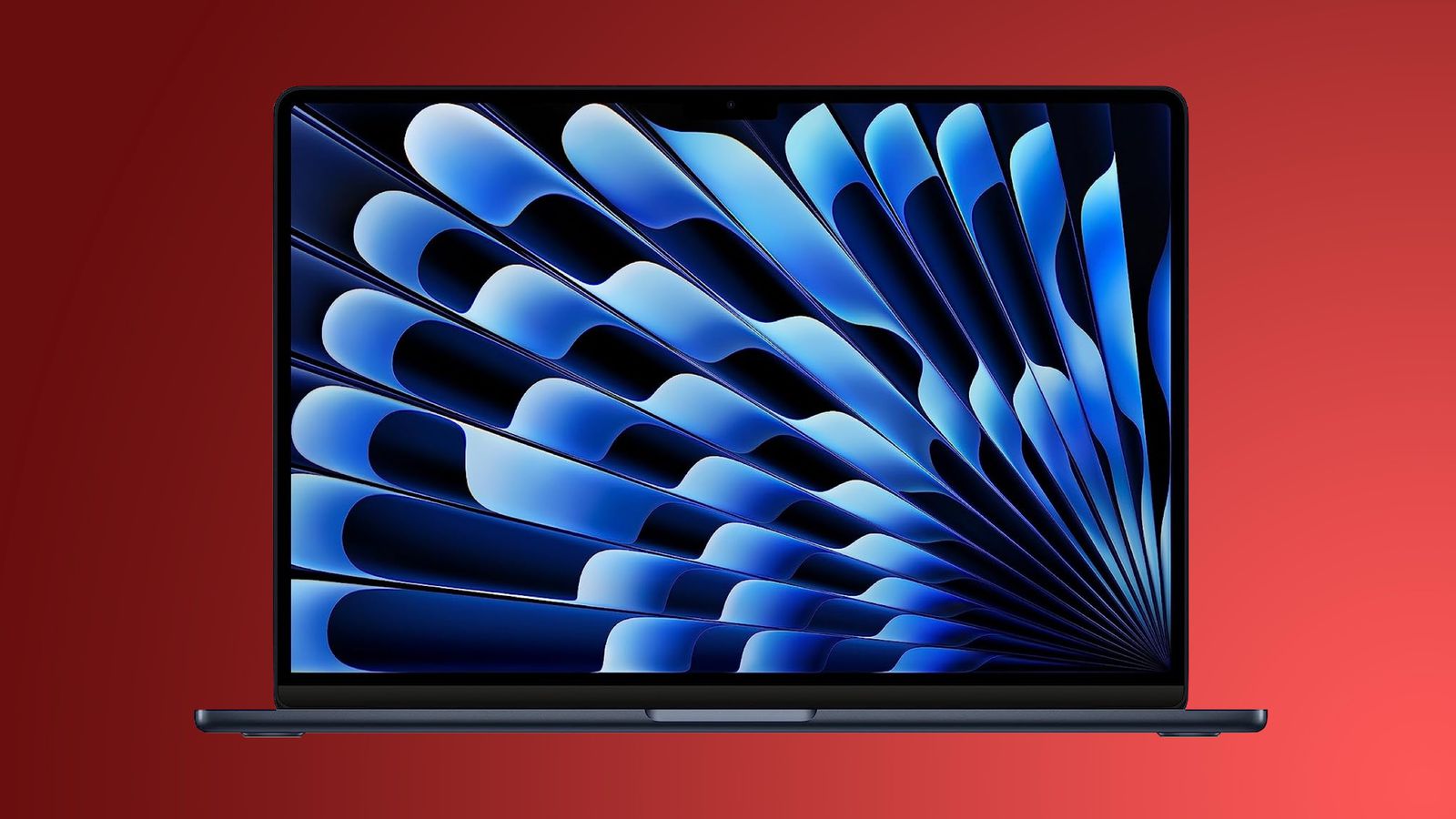
MacBook Air Featuring OLED Display Likely Delayed Until After 2027 Due to Pricing Issues

Apple has been planning to upgrade its MacBook lineup with OLED displays, with the MacBook Pro slated to receive this enhancement in 2026 and the MacBook Air in 2027. These models were expected to bring better contrast, color accuracy, and energy efficiency to Apple’s laptops. However, recent reports indicate that the launch of the OLED-equipped MacBook Air could be delayed beyond 2027 due to concerns over pricing and supply chain issues. The shift to OLED technology in Apple’s devices has been gradual, with the iPhone 12 marking the company’s first OLED device back in 2020, followed by the iPad Pro (2024) earlier this year.

The MacBook Air, which currently features Liquid Retina displays, was expected to receive an OLED upgrade a year after the MacBook Pro. However, delays may arise due to challenges in scaling up OLED production and rising costs. The MacBook Pro models that were launched in 2024 are already equipped with Liquid Retina XDR screens, and while they offer excellent color and brightness, they still fall short of the deep blacks and high contrast levels that OLED displays are known for. This makes the potential transition to OLED in future MacBook models all the more anticipated by consumers.

Sources from South Korean component manufacturers have indicated that these delays might be linked to the rising production costs associated with OLED screens. Apple is reportedly concerned that the higher price point of OLED MacBooks could deter potential buyers, especially given that OLED screens have not yet proven to be a major selling point for the average consumer. While OLED displays offer clear visual benefits, Apple is mindful of balancing the cost and value proposition of its devices to maintain strong sales.

As Apple navigates these challenges, it’s clear that the company is focused on perfecting the transition to OLED in its laptops. Despite the delays, Apple’s strategy seems to be aimed at ensuring that the OLED MacBook Air meets consumer expectations both in terms of performance and price. Until then, the current MacBook Air and Pro models will continue to feature the high-quality Liquid Retina displays, and it remains to be seen how soon Apple will be able to integrate OLED into its lineup at a price point that resonates with buyers.

Google Photos App on Android and iOS Introduces New Updates Page for Tracking Incoming Activity

Google Photos is rolling out an exciting new feature designed to help users stay up-to-date with their incoming activities more easily. This new feature appears as a dedicated “Updates” feed within the app, allowing users to track all relevant changes in one convenient location. Accessible from the home page, the Updates feed displays notifications for shared albums, new content added to existing albums, memory updates, and ongoing conversations. It’s available on both Android and iOS, further enhancing the user experience across devices.

The Updates feed is intended to streamline how users interact with shared content in Google Photos. When friends or family members share albums, add new photos, or comment on shared content, users will now be able to see these activities in a chronological order. This feature ensures that no update goes unnoticed, whether it’s a new photo in a shared album or a comment on a memory. The integration of these notifications into one central page makes it much simpler for users to stay connected and engaged with their photo libraries.

This update also marks a shift in the structure of the Google Photos app, following the August rollout of the Collections tab, which replaced the previous Library section. The Collections tab organizes photos into more manageable groupings like shared albums, favorites, and more, while the Updates feed offers real-time updates about interactions within those collections. Together, these updates are making it easier for users to interact with their media and collaborate with others, whether for personal memories or family events.

The Updates feature is represented by a bell icon on the home screen, standing alongside other key options such as “create new” and account settings. Google has emphasized that this addition is part of its broader strategy to enhance the collaboration tools within Google Photos, making it a more interactive and engaging platform for users. This change is expected to roll out progressively, offering a more seamless experience for users to keep up with the activities happening within their shared photo albums and memories.

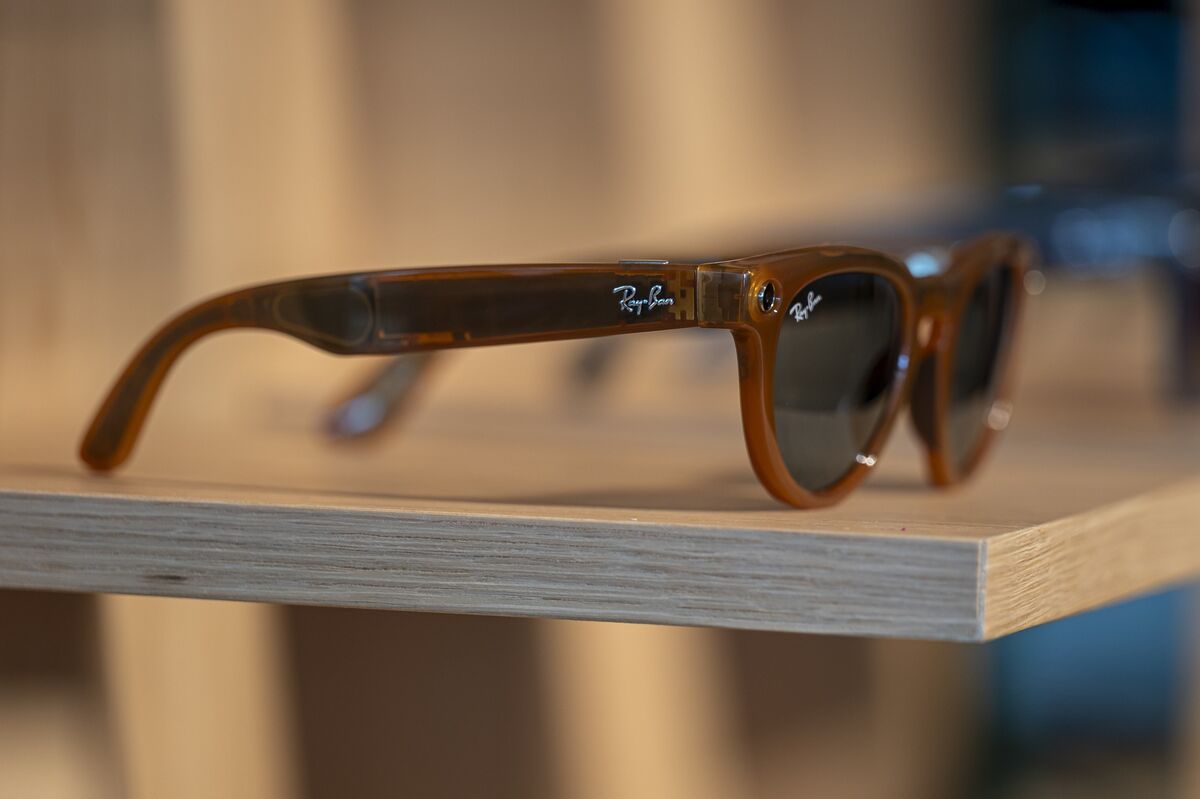
Baidu Gears Up to Launch AI Smart Glasses to Compete with Meta’s Ray-Bans

Baidu Inc. is poised to enter the competitive world of AI-powered wearable technology with a pair of smart glasses designed to rival Meta’s successful Ray-Ban collaboration. The Chinese tech giant, known for its leadership in search and artificial intelligence, plans to unveil the new product at its upcoming Baidu World event in Shanghai. Set to feature a built-in AI assistant, the glasses will integrate Baidu’s cutting-edge Ernie foundation model, enabling voice interactions and seamless connectivity for users.

The glasses are equipped with advanced features, including built-in cameras for capturing photos and videos, a nod to the trend of integrating digital tools into everyday wearables. These capabilities position Baidu’s product as a direct competitor to Meta’s Ray-Ban Stories, which have gained significant traction in recent years. While Meta’s smart glasses have evolved in functionality, Baidu aims to offer a compelling alternative with its unique AI-driven approach.

This move aligns with the broader trend of tech companies seeking to capitalize on the potential of AI to enhance consumer hardware. Baidu, having invested heavily in AI technologies, sees this as a strategic step to monetize its advancements and expand its presence in the hardware market. The success of products like Meta’s smart glasses, which have proven to be a popular choice for tech-savvy consumers, signals a growing market for such devices, which Baidu is eager to tap into.

Despite the rapid innovation in AI-powered gadgets, the market has seen mixed results, with some products failing to meet expectations, such as the Humane AI Pin, while others, like Microsoft’s Copilot+ PC range, have received a warmer reception. Baidu’s entry into this space with its smart glasses will be a key moment in determining whether the company can establish itself as a formidable player in the wearable AI hardware industry. As the event approaches, all eyes will be on Baidu’s offering and how it stacks up against established products like Meta’s Ray-Bans.