Germany Suspects Sabotage in Baltic Sea Telecoms Cable Damage

Germany Warns of Possible Sabotage After Damage to Undersea Cables

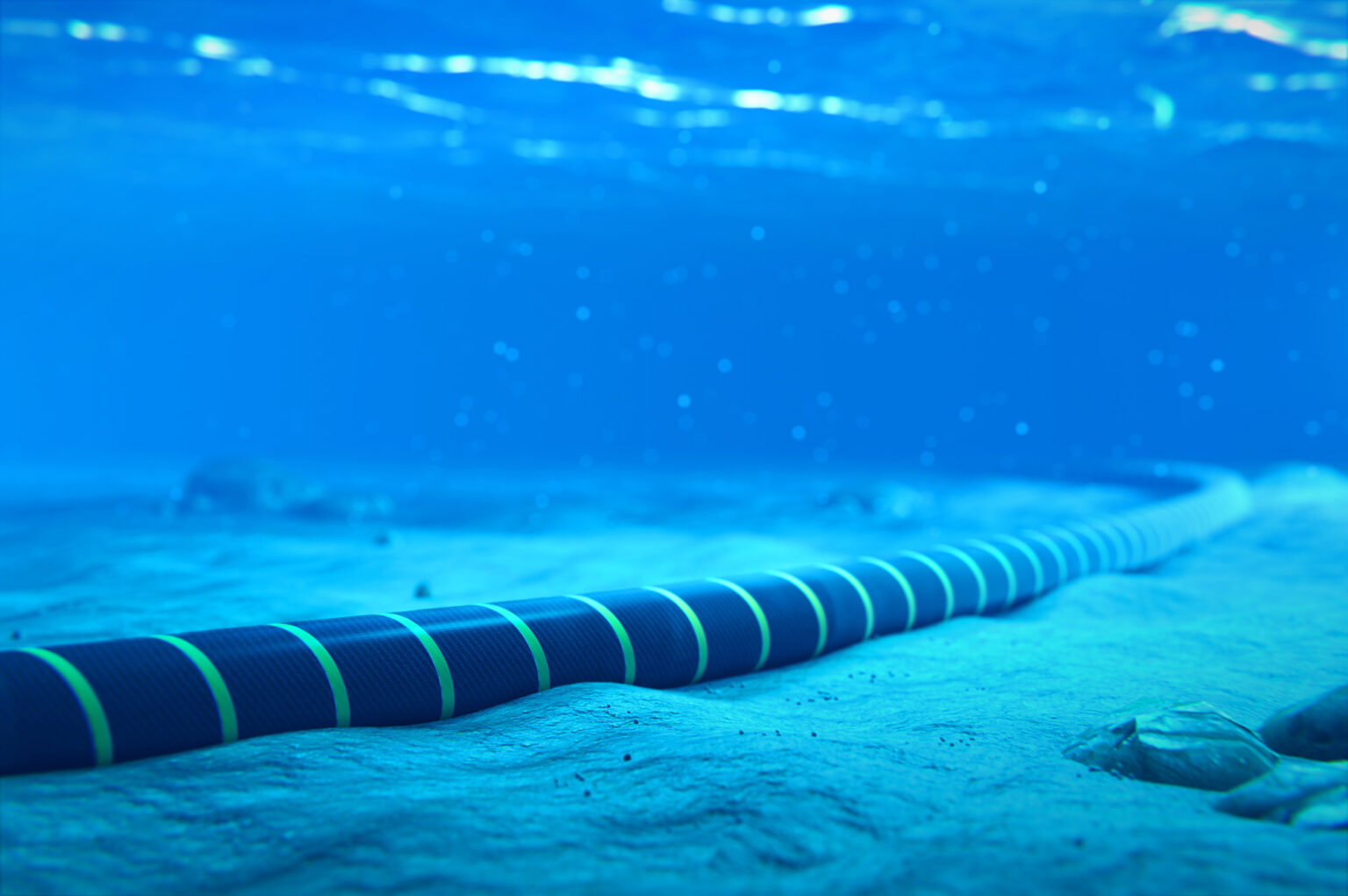
Germany has raised concerns that the recent damage to two underwater telecoms cables in the Baltic Sea could be the result of sabotage. Speaking at a meeting in Brussels, German Defence Minister Boris Pistorius stated that the damage, which occurred between Sunday and Monday, should be presumed to be a deliberate act, dismissing the possibility of accidental damage from ship anchors. The cables affected include one linking Finland and Germany and another connecting Sweden and Lithuania.

Pistorius emphasized that while it remains unclear who was responsible for the damage, the incident should be considered a “hybrid” action, suggesting the possibility of political or military involvement. He expressed skepticism about claims that the cables were damaged accidentally and underlined the need to investigate the situation thoroughly.


Heightened Surveillance and Investigation Underway

In response to the damage, Lithuania has increased its naval patrols in the Baltic Sea. The Lithuanian armed forces are working alongside regional NATO members to assess the situation, while the Lithuanian Prosecutor General’s Office has begun gathering information to decide if a formal investigation should be launched.

The Swedish Post and Telecom Authority is also coordinating with other relevant agencies to gather more details, though it declined to provide further comments on the situation. Both cable companies—Arelion, which operates the cable linking Lithuania and Sweden, and Cinia, which owns the Finland-Germany link—confirmed that the damage was significant, with Arelion calling it “full damage.”


Concerns of Espionage and Sabotage in the Region

The incident comes amid growing tensions in the region, following the war between Russia and Ukraine. Dutch Defence Minister Ruben Brekelmans pointed to increased Russian activity in the seas, suggesting it could be linked to espionage or sabotage aimed at critical infrastructure. This mirrors previous concerns about Russia’s possible involvement in damaging the Nord Stream gas pipelines in 2022, which remains unsolved.

Both Sweden and Germany are closely monitoring the situation, and while no direct evidence has pointed to a specific perpetrator, the damage to the cables raises further questions about the security of vital infrastructure in the region. The companies involved have stated that repairs could take up to 15 days, depending on the assessment of the damage.
Clashes in Tbilisi as Georgia Detains 16 Protesters Over Disputed Election Results

Protests Escalate in Georgia Amid Election Dispute

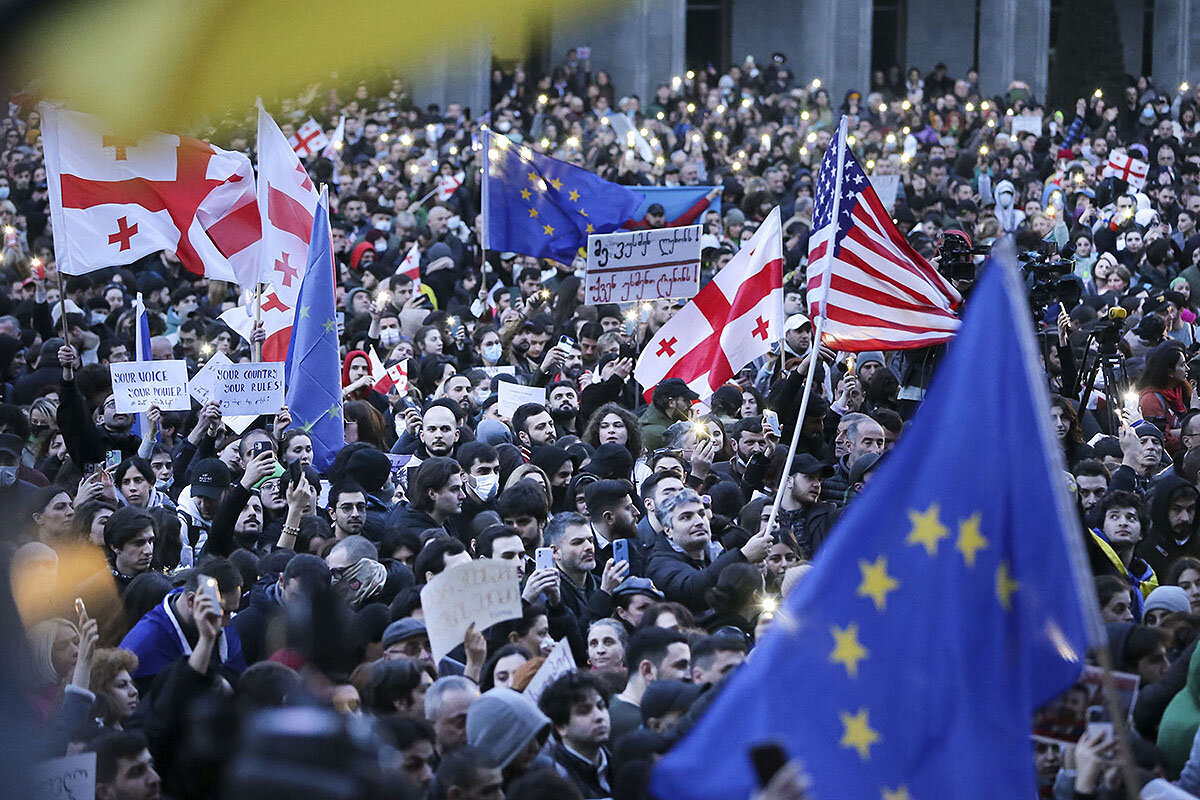
Police in Georgia’s capital, Tbilisi, detained 16 people on Tuesday following clashes with protesters who have been demonstrating against the results of last month’s parliamentary election. The opposition and President Salome Zourabichvili, a critic of the ruling party, allege that the October 26 election was rigged.

Video footage from the scene showed police forcibly removing protesters, with some being thrown to the ground and dragged along the pavement, while officers used pepper spray at close range. Georgia’s Interpress news agency reported that 16 individuals were detained, with three later released.


Ongoing Protests and Allegations of Fraud

The unrest follows several protests since the election, in which the ruling Georgian Dream party secured a fourth term in power. Opposition leaders have vowed to continue daily demonstrations to prevent the newly elected parliament from convening later this month. These protests are fueled by accusations that Georgian Dream, led by Prime Minister Irakli Garibashvili, is pro-Russian, undermining Georgia’s pro-Western aspirations.

Protesters, including members of the Coalition for Change, erected tents and blocked major streets in Tbilisi, where they remained for two nights before being dispersed by police on Tuesday. The interior ministry confirmed that protesters had illegally blocked traffic, but did not provide details on the detentions. Several opposition figures reported arrests, with some also suffering injuries. A cameraman from the opposition channel Mtavari Arkhi was also detained.


Election Controversy and International Reactions

The election commission officially confirmed Georgian Dream’s victory on Saturday, with the party securing 54% of the vote. However, opposition-backed U.S. pollsters have disputed the result, claiming the outcome is statistically implausible. The election’s legitimacy is being further questioned by international observers. The Organization for Security and Cooperation in Europe (OSCE) noted reports of ballot-stuffing, voter intimidation, and bribery but did not assert that the election was outright stolen.

The election was seen as a pivotal moment for Georgia, offering voters a choice between deeper integration with Europe under the opposition or closer ties with Russia under the Georgian Dream government. Critics of Georgian Dream warn that its increasing authoritarianism could derail Georgia’s aspirations to join the European Union.

G20 Leaders Focus on Climate Change at Rio Summit’s Final Day

Climate Focus Dominates G20 Summit in Rio

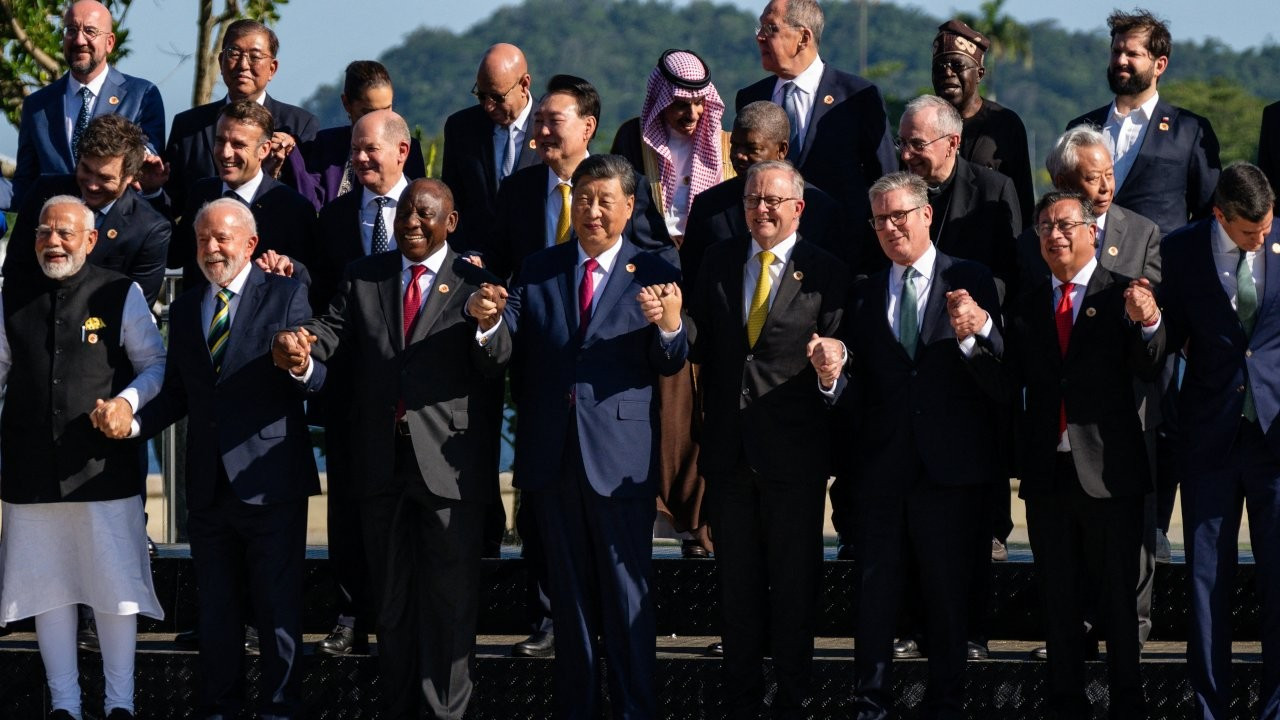
On the final day of the G20 summit in Rio de Janeiro, world leaders turned their attention to the pressing issue of climate change, aiming to push forward a global response as they prepare for critical U.N. climate talks in Azerbaijan. The discussions centered on sustainable development and the transition to cleaner energy sources, with an emphasis on securing a successful deal at COP29.

The host of COP29, which is taking place in Baku, Azerbaijan, made an urgent call for G20 countries to send a strong signal about the need to address climate change. The plea was made as the U.N. talks faced difficulties, threatening to stall progress in the global fight against warming temperatures.

As the world is on track to experience its warmest year on record, leaders at the G20 summit are particularly focused on building momentum before the potential return of Donald Trump to the U.S. presidency in January. Trump has indicated that, if reelected, he would withdraw from the Paris Agreement on climate change and reverse U.S. policies aimed at mitigating global warming.


G20 Leaders Commit to Climate Finance and Address Global Disparities

A joint statement issued by the G20 leaders emphasized the need to “rapidly and substantially increase climate finance from billions to trillions from all sources” to fund climate mitigation and adaptation efforts. The leaders also stressed the importance of reaching a new financial goal to provide support to developing nations, particularly in light of the challenges posed by climate change.

Despite these commitments, the statement refrained from specifying what the financial targets should be at the U.N. summit. Economists suggest that the goal should be at least $1 trillion annually to effectively address the needs of vulnerable nations. While the G20 recognized the need to resolve this issue, the exact solution remains unclear.

Developed countries, including those in Europe, have called for a broader contributor base that includes wealthier developing nations such as China and Middle Eastern countries. In contrast, developing nations like Brazil, the host country of the G20 summit, have resisted expanding the financial responsibility beyond the historically responsible developed nations.


Environmental Impact and Plastic Pollution Agreement

At the opening of the summit, Brazilian President Luiz Inácio Lula da Silva stressed the urgency of addressing climate change, which has become increasingly evident worldwide. With the G20 countries responsible for more than three-quarters of global emissions, their role in shaping a unified response to climate change is seen as crucial.

In addition to climate finance, the G20 also committed to finalizing a legally binding treaty to combat plastic pollution by the end of 2024. This commitment aims to conclude over two years of negotiations and establish global regulations to reduce plastic waste, which is another significant environmental challenge.