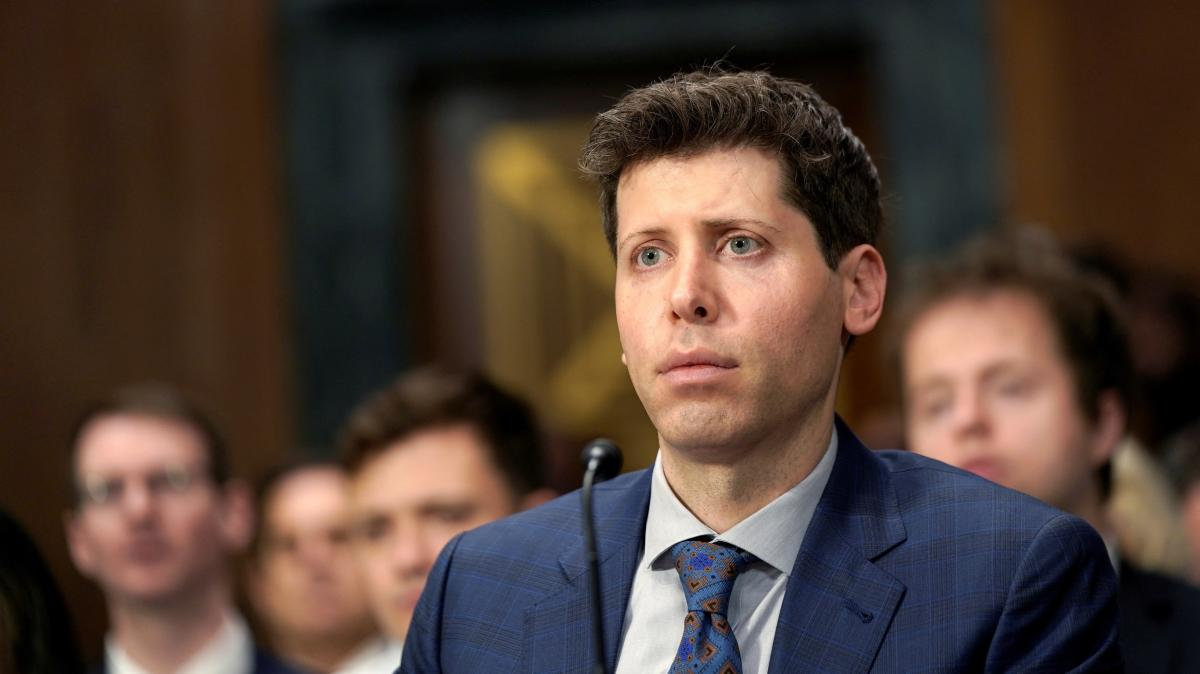
Sam Altman Joins San Francisco’s Transition Team

OpenAI’s Sam Altman Takes on Role in San Francisco’s Government

Sam Altman, the CEO of OpenAI, has been appointed as one of seven co-chairs of Mayor-elect Daniel Lurie’s transition team in San Francisco. This appointment marks a growing trend of tech executives stepping into government roles in the city. Altman, whose company is known for developing ChatGPT, joins a group of former Silicon Valley leaders taking up positions in local government following this month’s election.

The increasing influx of tech industry influence into San Francisco has sparked some tensions, as the city, historically associated with counterculture, sees its tech industry expand beyond Silicon Valley into the urban core. San Francisco, facing challenges such as a sluggish post-pandemic economic recovery, homelessness, and drug-related issues, is also shifting politically towards centrist Democratic policies. This transformation is partly fueled by both tech executives and the city’s citizens frustrated with the status quo.


Lurie’s Incoming Administration and Tech Influence

Daniel Lurie, a philanthropist and heir to Levi Strauss fortune, will replace London Breed, the city’s first Black female mayor. Lurie, who takes office on January 8, faces the significant challenge of addressing San Francisco’s public safety crisis, which has prompted many tech leaders to leave the Bay Area. In addition to Altman, Lurie’s campaign was supported by tech figures such as Jan Koum, co-founder of WhatsApp.

Altman’s involvement underscores a broader trend where tech leaders aim to apply their industry expertise to solve urban issues. “I’m excited to help the city I love, and where OpenAI was started,” Altman said in a statement. His participation in the transition team reflects a shift towards a more pragmatic, metrics-driven approach to governance that focuses on quality-of-life issues rather than ideological debates.


Tech’s Role in San Francisco’s Future

Bilal Mahmood and Danny Sauter, both former software entrepreneurs, were also elected to San Francisco’s Board of Supervisors, signaling a wave of tech-driven political change. Mahmood, who has expressed support for more metrics-driven governance, believes the city’s current challenges stem from inefficiencies in its technical infrastructure. He advocates for addressing issues like housing delays and hiring backlogs, areas where tech leaders are well-positioned to make an impact.

These developments suggest a new direction for San Francisco, as its leadership taps into the technical expertise of the Silicon Valley elite to tackle persistent urban issues.
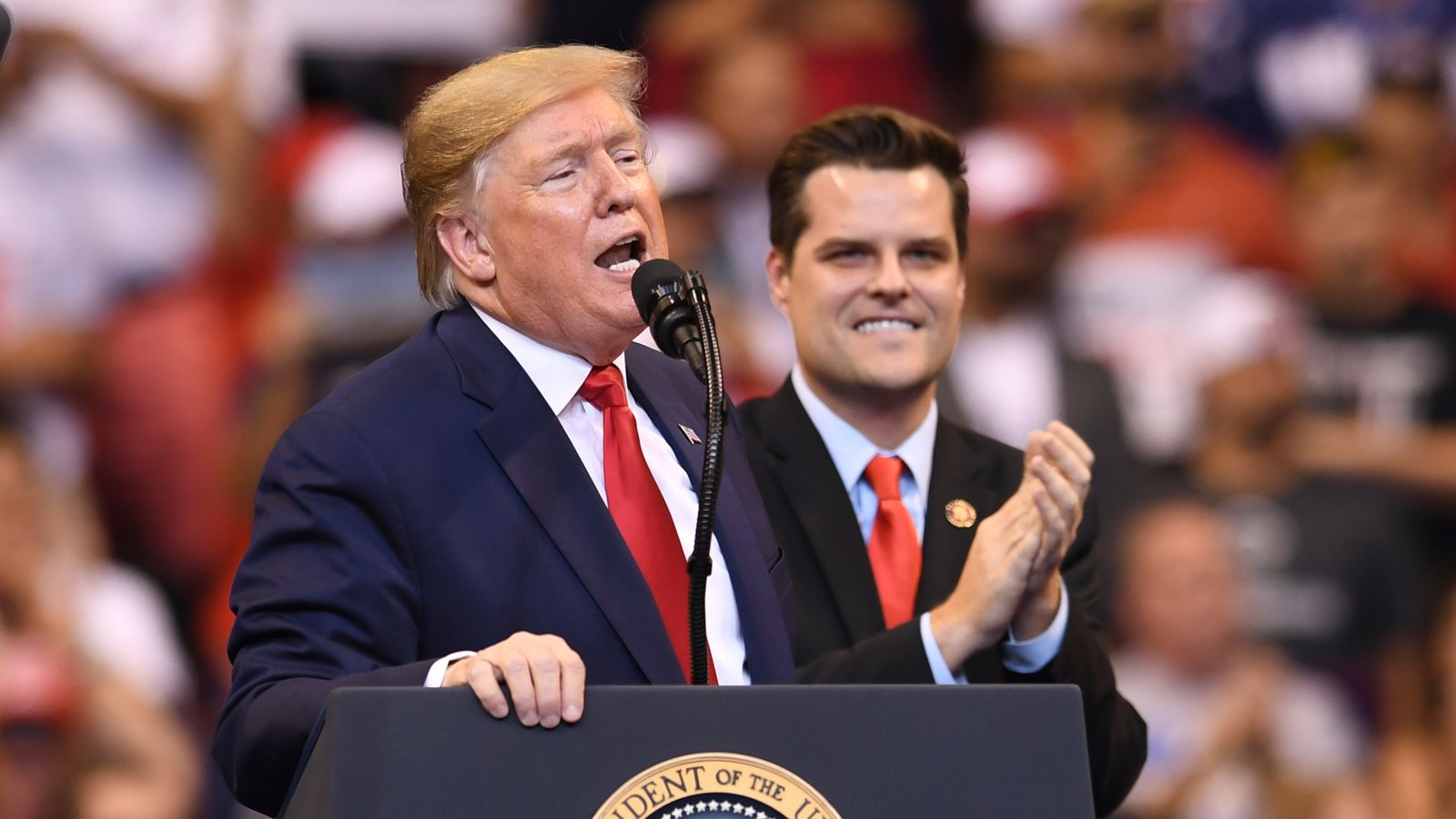

Trump Nominees Gaetz and Hegseth Ready to Shake Up Agencies

Trump’s Cabinet Picks: Gaetz and Hegseth Eye Major Reforms

President-elect Donald Trump’s cabinet picks for Attorney General and Pentagon chief—Matt Gaetz and Pete Hegseth—bring a combative attitude to their nominations, both motivated by grievances against the institutions they are set to lead. Gaetz, nominated for Attorney General, and Hegseth, tapped for Defense Secretary, have both faced significant personal and professional conflicts with the agencies they aim to transform.


Gaetz’s Rejection of DOJ and Hegseth’s Military Grievances

Matt Gaetz, 42, was nominated after resigning from his congressional seat. Gaetz, who faced a federal investigation into sex trafficking charges—though no charges were ultimately filed—has expressed disdain for the Justice Department. His stance includes a proposal to dismantle key federal agencies like the FBI and ATF, which he has described as “weaponized.” Gaetz’s commitment to restructuring the Department of Justice aligns with Trump’s broader mission of reforming the federal government.

Meanwhile, Pete Hegseth, 44, a former National Guard officer, has criticized the military leadership, particularly after being allegedly told to step down from guard duty during Biden’s inauguration due to concerns over his tattoos. Hegseth feels sidelined by the military, despite his decorated service. His views on military reform include opposing efforts to diversify the Armed Forces and barring women from combat roles. Hegseth’s military background and his grievances against the Pentagon are expected to influence his approach to the department.


Activism and Vindication: Gaetz and Hegseth’s Motivations

Both Gaetz and Hegseth have expressed a desire for significant reforms, driven in part by personal experiences of rejection and a belief that the institutions they would lead need to be overhauled. Their activism is seen as aligning with Trump’s promise to disrupt Washington and shake up the bureaucratic establishment.

“They are pledging a disruptive level of activism targeted directly at the departments they are being asked to oversee,” said David Jolly, a former Republican congressman. This disruption is a central tenet of Trump’s second term agenda, which includes purging what he sees as political adversaries and changing the status quo.


Confirmation Battle and Senate Relationship

The nominations of Gaetz and Hegseth may test Trump’s relationship with the newly elected Republican-majority Senate. Some senators may challenge the confirmation of nominees with controversial backgrounds, and Trump has hinted at using “recess appointments” to bypass the Senate if necessary.

“The threat level with Matt Gaetz is considerable,” said Columbia University criminal law professor Daniel Richman, citing concerns that Gaetz could use the Justice Department to target political enemies. Gaetz’s confirmation would likely signal a strong shift toward Trump’s revenge-driven agenda, with support from loyalists within the agency.

Hegseth’s Pentagon role could see him implementing purges of military leaders who disagree with Trump’s policies, particularly those involved in the 2021 withdrawal from Afghanistan. Trump’s transition team is already drawing up plans to overhaul Pentagon leadership and push for firings.

Russian Gas Flow to EU Stable Amid Dispute with OMV

Russian Gas to Europe Remains Stable Despite Dispute with OMV

Russian gas exports to Europe via Ukraine have remained steady, with Gazprom confirming it would send 42.4 million cubic meters of gas to the continent on Tuesday, the same volume as Monday. Despite recent tensions between Gazprom and Austria’s OMV, which led to a suspension of supplies to OMV on Saturday, gas flows to the wider European market have not been significantly disrupted.


Dispute with OMV and Impact on Austrian Gas Flow

The halt in supply to OMV came after the company threatened to seize some of Gazprom’s gas in compensation for a recent arbitration victory regarding a contractual dispute. Despite this, gas flows into Austria from Slovakia have increased by 6% compared to Monday, although they remain about 12% lower than before the suspension of supplies to OMV.

It remains unclear who is purchasing the gas that was originally allocated to OMV. Gas nominations to other regions, including the Czech Republic and Slovakia, have remained steady, with no major disruptions observed.


Continued Stability in Gas Flows

While the situation with OMV remains unresolved, the overall gas flow to Europe from Russia via Ukraine and Slovakia continues to function within normal parameters. Nominations for gas entering Slovakia from Ukraine and leaving Slovakia have shown little fluctuation, indicating that the broader European gas market is managing the ongoing dispute without major setbacks.