Sony in Talks to Acquire Kadokawa, Media Powerhouse Behind ‘Elden Ring’

Potential Acquisition of Kadokawa

Sony is reportedly in talks to acquire Kadokawa, the influential Japanese media conglomerate known for its role in the creation of the critically acclaimed game Elden Ring, according to sources familiar with the matter. The deal, if successful, could be finalized in the coming weeks.

Following the news, Kadokawa’s stock surged by 23%, hitting the daily limit, pushing its market capitalization to around $2.7 billion. Sony’s shares closed up by 0.6%. Both companies declined to comment on the negotiations.

Sony already owns a 2% stake in Kadokawa and holds shares in FromSoftware, the developer behind Elden Ring, a collaboration between game director Hidetaka Miyazaki and author George R.R. Martin. The game has sold over 25 million units globally and is widely praised for its expansive fantasy world and engaging gameplay.


Kadokawa’s Expanding Media Empire

Founded in 1945, Kadokawa began as a publishing house before expanding into gaming, anime, and related media. The company is also known for popular franchises such as Re

and Delicious in Dungeon.

The deal could further strengthen Sony’s portfolio of intellectual property (IP), which includes a wide array of entertainment ventures from movies to video games and anime. Sony’s broader strategy involves significant investment in IP to ensure long-term, sustainable growth.


Sony’s Strategic Focus on Entertainment

Sony has evolved from a manufacturer of electronics to a global leader in entertainment, including film, music, games, and technology. CEO Kenichiro Yoshida has emphasized the importance of IP, highlighting its potential for long-term profitability. The company’s success in expanding the reach of its franchises, such as the Last of Us video game series, which was adapted into a popular HBO drama, exemplifies this strategy.

The acquisition of Kadokawa would align with Sony’s focus on bolstering its presence in the anime and gaming sectors, areas experiencing significant growth worldwide, particularly through streaming services and increased cultural interest in Japanese media.


Challenges Facing Kadokawa

Kadokawa has faced challenges in recent years, including a cyberattack in June that led to a data breach, and the resignation of Tsuguhiko Kadokawa, the company’s former chairman, following his indictment on bribery charges related to the Tokyo Olympics.

Nonetheless, Kadokawa remains a key player in the entertainment industry, and its potential acquisition by Sony could significantly impact the landscape of global gaming, anime, and media.
ECB’s Panetta Advocates Lower Rates and Clearer Forward Guidance

Call for a Return to Forward-Looking Policy

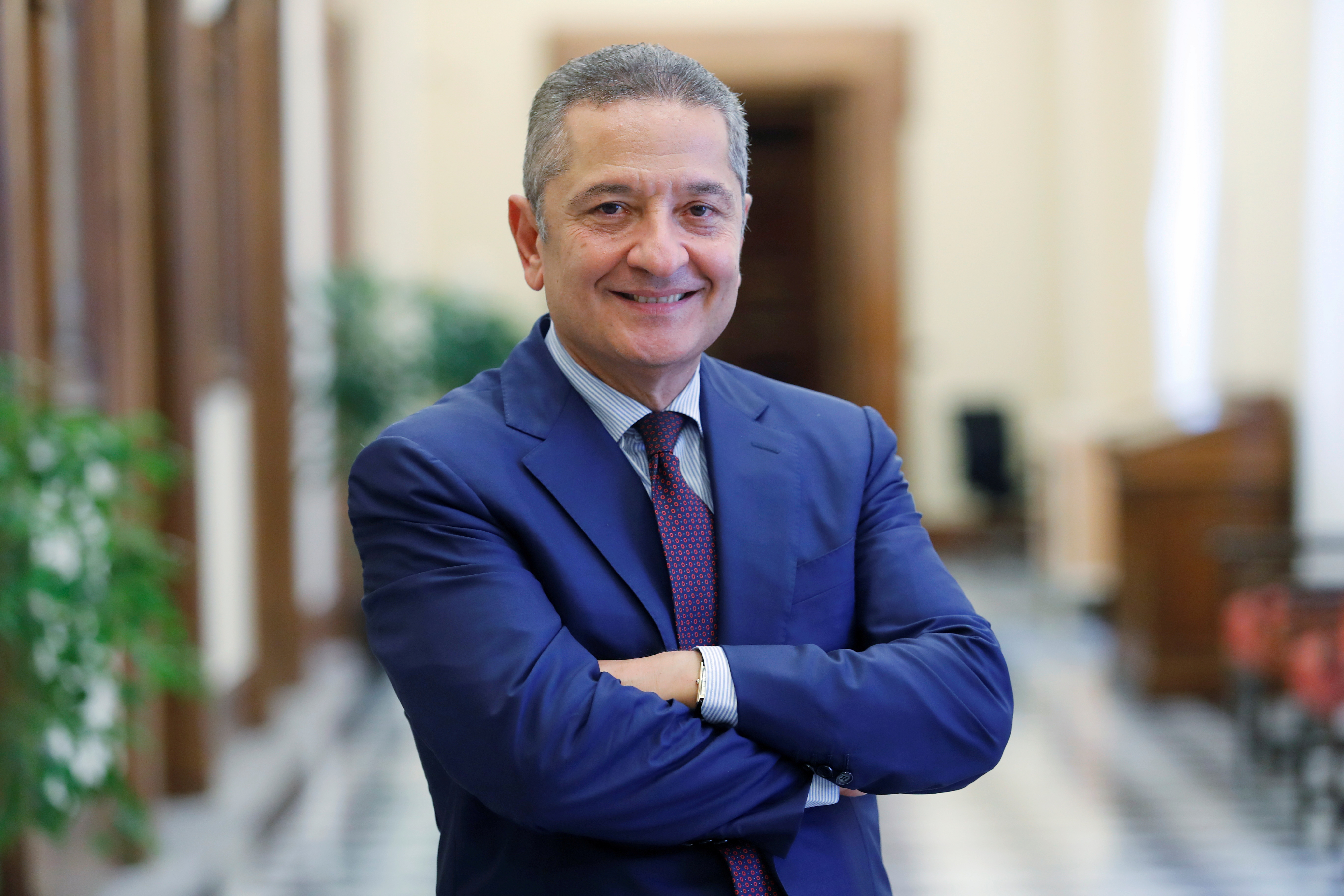
Fabio Panetta, a member of the European Central Bank’s (ECB) Governing Council and Governor of the Bank of Italy, has emphasized the need for a forward-looking monetary policy framework as inflation in the eurozone stabilizes. Speaking at Milan’s Bocconi University, Panetta highlighted the importance of shifting focus from restrictive measures to supporting the real economy, which remains sluggish.

“With inflation close to target and domestic demand stagnant, restrictive monetary conditions are no longer necessary,” Panetta stated, warning that failing to stimulate the economy could risk inflation falling well below the ECB’s 2% target.


Recent Monetary Policy Moves

The ECB has already taken steps to ease monetary conditions, cutting interest rates three times since June as inflation cooled from double-digit levels experienced after Russia’s invasion of Ukraine in 2022. The latest cut in October brought the deposit rate down to 3.25%.

Panetta suggested further reductions are necessary to reach a neutral rate, which economists estimate at 2-2.5% for the euro area. Some projections place this rate as low as 1.75% or as high as 3%. Investors expect another 25 basis point cut in December, potentially bringing the deposit rate to between 1.75% and 2.0%.

“We are probably still a long way from the neutral rate,” Panetta remarked, indicating the ECB’s work is far from over in normalizing monetary policy to support growth.


Transition from Exceptional Policy Framework

In response to the economic shocks of 2022-2023, the ECB adopted a “meeting-by-meeting” approach, eschewing traditional forward guidance to adapt to volatile conditions. Panetta argued that with economic conditions becoming more predictable, the ECB should return to a medium-term, forward-looking strategy.

He criticized the current framework, saying, “Meeting-by-meeting, data-driven policy does not fit well with the more forward-looking approach that we need to adopt.” Instead, he advocated for clear guidance on the evolution of policy rates to help businesses and households plan effectively.

Providing such guidance, he noted, would bolster demand and aid in the recovery of the eurozone’s real economy.


Outlook and Implications

As inflation normalizes, the ECB faces the challenge of balancing rate cuts to stimulate demand without reigniting price pressures. Panetta’s call for a more transparent and forward-looking approach could signal a shift in how the ECB communicates and implements its policies.

With another rate cut expected in December and further reductions anticipated through the spring, the ECB appears poised to adopt a less restrictive stance. Panetta’s remarks suggest that this period could also mark a broader strategic shift aimed at supporting long-term economic stability and growth.

Beijing Promises Market Reforms and Support for Hong Kong Amid Global Uncertainty

Commitments to Open Markets and Boost Hong Kong

During the Global Financial Leaders’ Investment Summit in Hong Kong, Beijing pledged to continue opening its financial sector to foreign investors while supporting Hong Kong’s role as a global financial hub. The summit, attended by top Wall Street executives, underscored China’s commitment to market reforms amidst geopolitical tensions and domestic economic challenges.

“We will create an inclusive and favorable business environment for foreign investors,” stated Zhu Hexin, deputy governor of China’s central bank. He emphasized China’s willingness to welcome overseas investments as part of its economic development strategy.

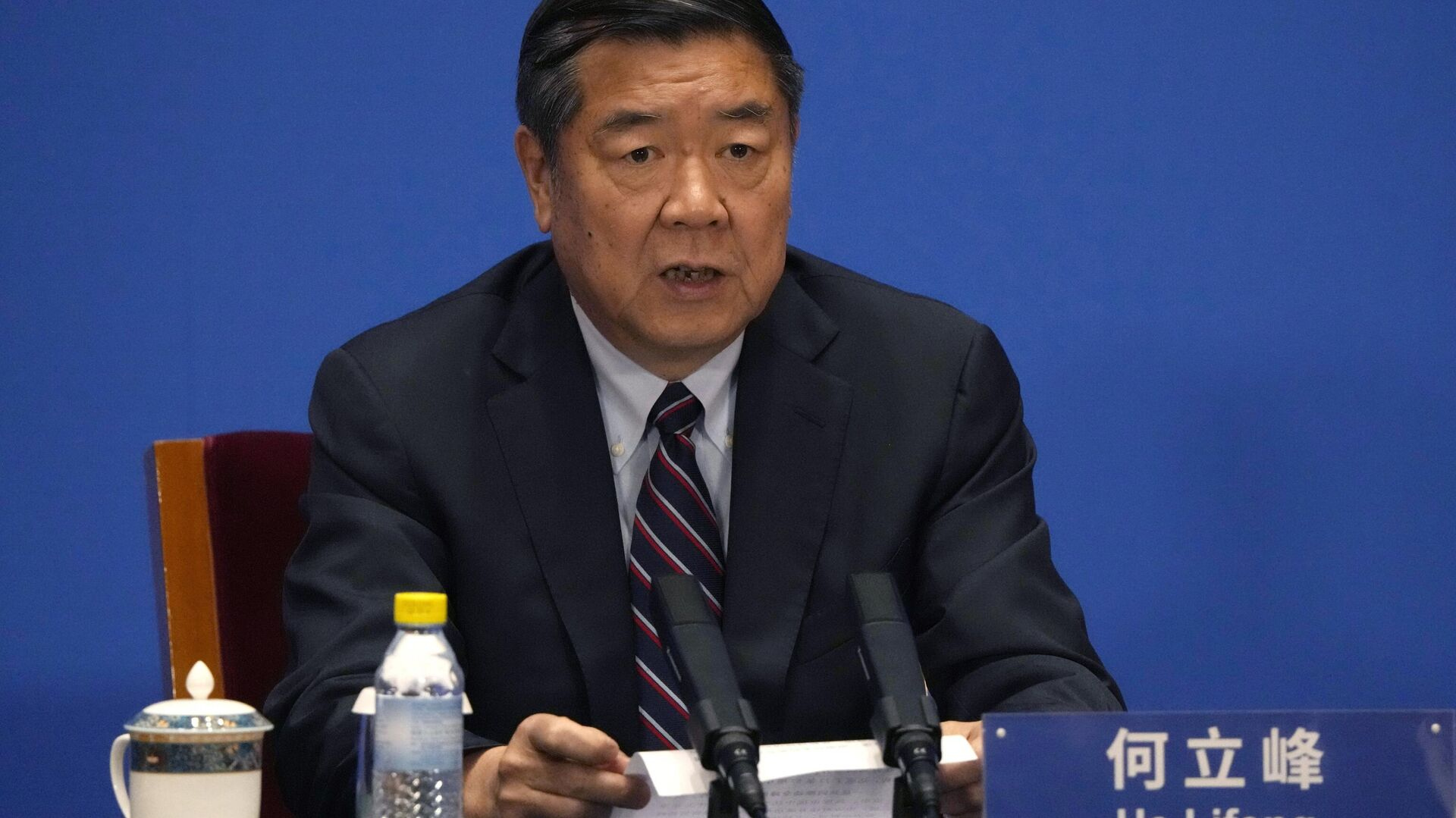
Wu Qing, Chairman of the China Securities Regulatory Commission, promised to reduce investment barriers, implement supportive measures, and deepen capital market reforms. Vice Premier He Lifeng also announced plans to increase Hong Kong’s global financial standing, including facilitating Chinese enterprises’ access to Hong Kong’s bond and equity markets.


Geopolitical and Economic Context

The summit occurred amidst increasing scrutiny of Hong Kong’s autonomy following the implementation of a national security law in 2020. Western governments have criticized the legislation, citing its impact on democratic freedoms, while Beijing maintains it was necessary for restoring order after 2019’s mass protests.

The timing of Beijing’s announcements coincided with Hong Kong’s High Court sentencing 45 pro-democracy activists in a landmark trial, which has drawn sharp criticism from the U.S. and other nations.


Challenges in Global and Domestic Markets

Hong Kong has experienced a decline in initial public offerings (IPOs), with only $9.1 billion worth of listings in 2024 compared to a peak of $51.6 billion in 2020. This downturn has led financial firms to cut jobs in the region. Despite this, international executives such as Citigroup’s Jane Fraser and Goldman Sachs’ David Solomon expressed optimism about potential deregulation in the U.S. fueling global corporate activity.

China’s domestic economy remains sluggish due to ongoing issues in the property sector and the lingering effects of pandemic-related disruptions. To combat this, Beijing recently introduced a 10 trillion yuan ($1.38 trillion) debt package aimed at stabilizing local government finances and boosting growth.

Morgan Stanley CEO Ted Pick highlighted early signs of recovery, stating, “Battling deflation takes time. The monetary and fiscal measures are starting to take effect, but results will not be immediate.”

However, concerns linger among global investors regarding capital mobility in China. Solomon remarked, “Messages about the ability to attract capital and ensure it can flow in and out of the country are crucial for global confidence.”


Hong Kong’s Strategic Role and Future Outlook

Beijing reaffirmed its support for Hong Kong by committing to bolster its financial market through regular issuance of treasury bonds and facilitating the expansion of Chinese financial institutions. Despite challenges, the summit underscored Hong Kong’s strategic importance to China’s broader economic ambitions.

As global financial leaders evaluate opportunities, the interplay between Beijing’s reforms, Hong Kong’s recovery, and the broader geopolitical environment will remain pivotal for shaping the region’s economic trajectory.