Investors Prepare for Potential Rate Hike in Japan Amid Yen Weakness

Hawkish Shift Anticipated at the Bank of Japan (BOJ)

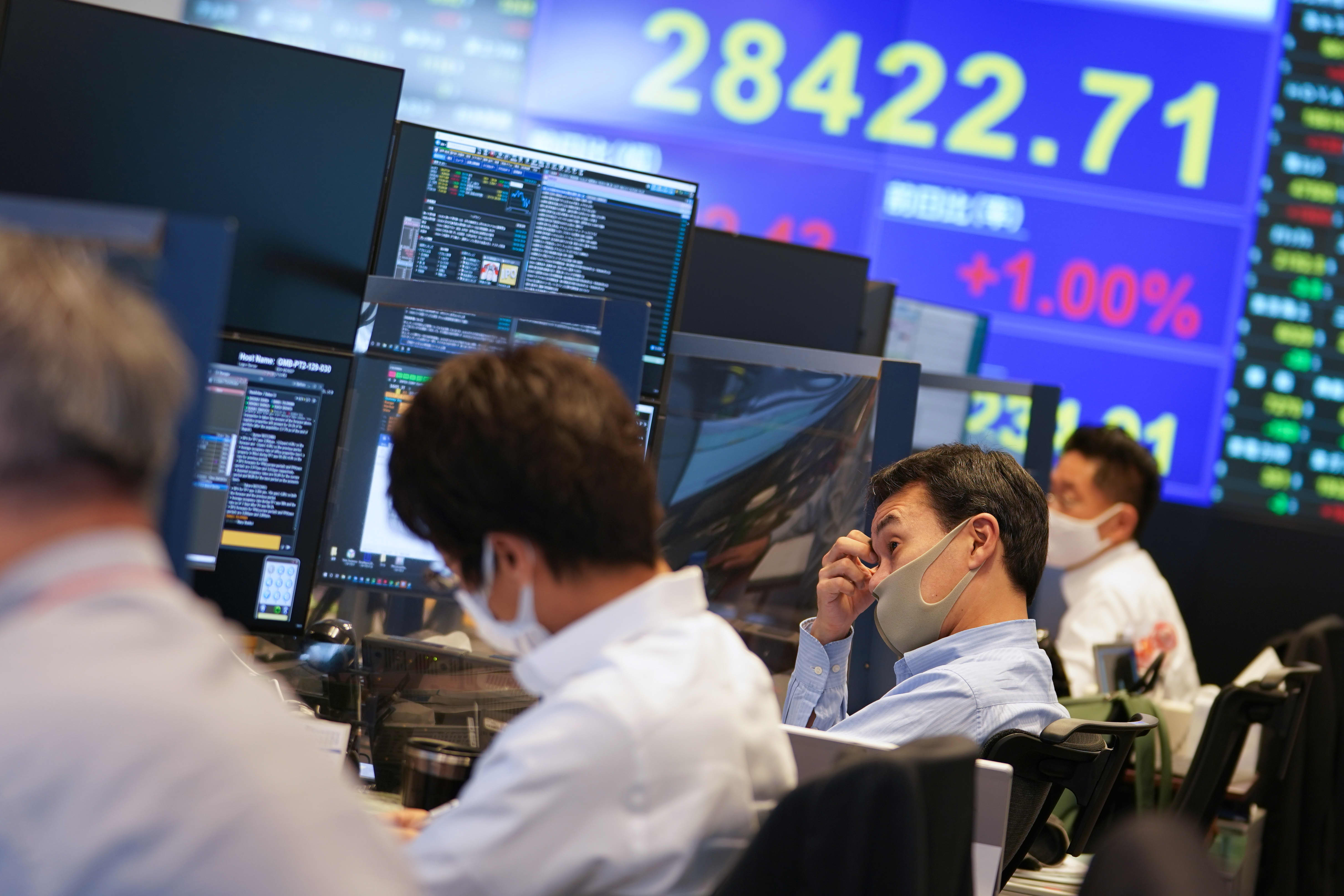
Investors are increasingly betting that the Bank of Japan (BOJ) will adopt a more hawkish stance in response to the yen’s continued depreciation. Market activity reflects these expectations, with investors shorting Japanese government bonds, buying bank stocks, and speculating on rate hikes as early as next month.

The yen’s current level of 154 to the dollar, close to figures that previously prompted intervention and a rate hike, has heightened market sensitivity. “There seems to be a lot more attention and sensitivity being paid around the BOJ,” noted Shinji Ogawa of J.P. Morgan in Tokyo.


Key Market Indicators and Movements

  1. Rate Hike Speculation: The probability of a 25-basis-point hike in December has risen significantly, from negligible to approximately 54% over the past weeks.
  2. Bank Shares Surge: Tokyo bank shares have gained roughly 13% in two weeks, outperforming the broader market. Banks stand to benefit directly from potential rate increases.
  3. Foreign Exchange Positioning: Hedge funds and speculators are building positions against the yen, anticipating further depreciation.

Impact on Japanese Equities

Investors are focusing on mid-cap and banking stocks, which could benefit from wage inflation and higher interest rates. Additionally, yen weakness may bolster large-cap exporters’ earnings, especially in cyclical sectors like machinery and industrials.

George Efstathopoulos of Fidelity International remarked, “More recently, we are also turning more constructive on broader Japan large caps, as yen weakness should translate into a better earnings picture.”


Yen’s Influence on Policy and Markets

The yen’s depreciation, exceeding 30% against the dollar since 2021, has significant implications for Japan’s inflation and monetary policy. BOJ Governor Kazuo Ueda made limited reference to the currency in a recent policy speech, but market participants believe the yen’s fall may pressure the BOJ into earlier action.

“In light of the recent performance of the Japanese yen, the BOJ might need to re-evaluate whether they need to be more hawkish,” said Nathan Swami of Citi.


Historical Context and Investor Caution

Memories of August’s market turbulence, when the yen’s sudden surge triggered the Nikkei’s sharpest one-day drop since 1987, loom large. Investors remain wary of similar volatility.

Foreign investors, however, may find opportunities if yen depreciation stabilizes. “Global investors have to worry about where this yen depreciation may stop,” noted Citi’s Keita Matsumoto, adding that stabilization could benefit dollar-denominated returns in Japanese equities.
Safe-Haven Assets Surge Amid Escalating US-Russia Tensions Over Ukraine

Market Turmoil Following Putin’s Nuclear Doctrine Update

Safe-haven assets, including government bonds and the Japanese yen, experienced a sharp rally on Tuesday after Russian President Vladimir Putin updated the country’s nuclear doctrine amidst intensifying tensions with the United States over Ukraine.

Putin stated that Russia might consider deploying nuclear weapons if subjected to a conventional missile attack supported by a nuclear-armed state. This announcement follows the U.S. decision to permit Ukraine to use American-made long-range missiles, known as ATACMS, for strikes deep into Russian territory.


Bond Yields Drop as Investors Seek Safety

Government bond yields fell as investors shifted toward safer options.

  • The U.S. 10-year Treasury yield dropped by 5 basis points to 4.3648%, hitting its lowest level in three weeks.
  • Germany’s 10-year bond yield fell 7 basis points to 2.303%.

Michael Weidner, co-head of global fixed income at Lazard Asset Management, noted, “The market’s movement appears to be driven by this morning’s news about changes to Russia’s nuclear doctrine.”


Japanese Yen and Swiss Franc Strengthen

The Japanese yen appreciated by 0.6% to 153.69 per dollar, bolstered not only by safe-haven demand but also by Japanese Finance Minister Katsunobu Kato’s remarks about addressing “excessive moves” in the yen’s exchange rate.

The Swiss franc also rose 0.4% against the euro, reflecting its status as a preferred haven in times of geopolitical uncertainty.


Gold Prices Rise, European and US Equities Slide

Gold gained 0.8%, trading at $2,634 per ounce, as investors sought stability amid the geopolitical tensions.

Conversely, equities suffered:

  • The STOXX 600 index fell 1% to a three-month low.
  • The eurozone equity volatility index spiked, reflecting heightened market anxiety.
  • U.S. stock futures for the S&P 500 dropped 0.5%, indicating bearish sentiment in American markets.

Ukraine Conflict Escalates

Market reactions were further fueled by reports from Ukrainian agency RBC Ukraine claiming Kyiv’s first attack within Russia using U.S.-supplied ATACMS missiles. This development heightened investor concerns over the potential for broader military escalation.

Ukraine’s sovereign dollar bonds lost nearly 2 cents in value, reflecting investor unease.


Broader Context and Political Developments

The tensions come as global investors await President-elect Donald Trump’s decision on his Treasury secretary pick, with candidates reportedly including Marc Rowan of Apollo Global Management and former Federal Reserve Governor Kevin Warsh.

The situation underscores the fragile state of international markets, with geopolitical risks driving significant shifts in asset allocations.

Jailing of 45 Hong Kong Democrats Sparks Global Criticism

Landmark Trial Delivers Long Sentences to Pro-Democracy Activists

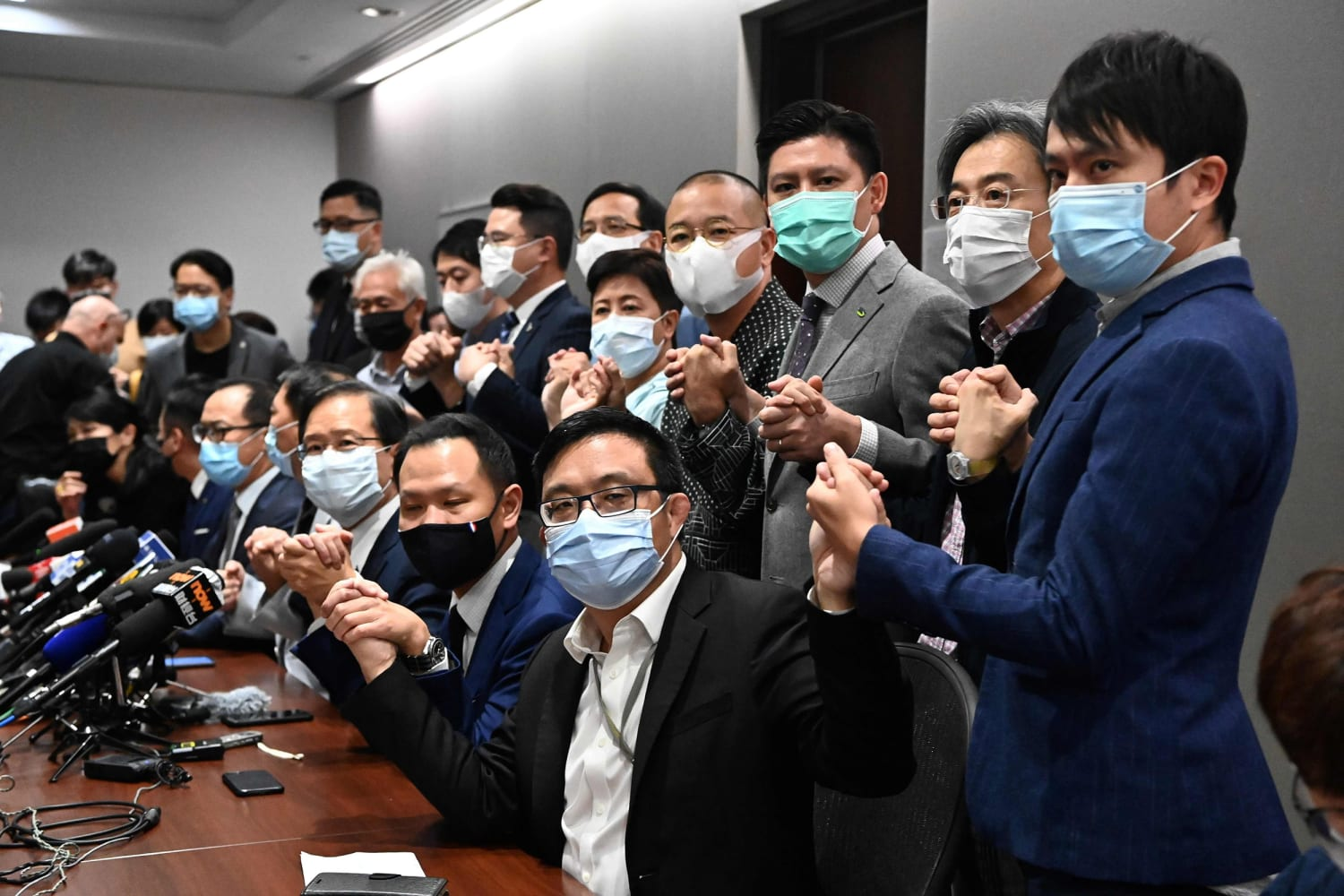
On Tuesday, Hong Kong’s High Court sentenced 45 pro-democracy activists to prison terms ranging from 4 to 10 years following a landmark trial under the Beijing-imposed National Security Law (NSL). The case, involving 47 activists charged with conspiracy to commit subversion, has drawn widespread condemnation from Western governments and international observers.

The charges stem from an unofficial 2020 “primary election” organized to select candidates for Hong Kong’s Legislative Council. Prosecutors alleged the activists planned to paralyze the government through disruptive actions if elected. Prominent legal scholar Benny Tai, described as the scheme’s “mastermind,” received the harshest penalty of 10 years, marking the longest sentence issued under the NSL since its enactment in 2020.


International and Local Backlash

The U.S. and Australia were among the governments voicing strong opposition to the sentences. U.S. officials criticized the trial as “politically motivated” and called for the activists’ release, emphasizing that their actions were peaceful and lawful expressions of political participation. Australia’s Foreign Minister Penny Wong echoed similar concerns, urging Beijing to halt its “suppression of freedoms” in Hong Kong.

China’s foreign ministry dismissed the criticisms, asserting that no one is exempt from legal consequences under the guise of democracy. “Beijing firmly supports Hong Kong’s efforts to safeguard national security,” said spokesperson Lin Jian.

Taiwan also condemned the sentences, stating that democracy and freedom are universal values and pledging continued solidarity with Hong Kong.


Trial Highlights and Sentencing Details

  • Convictions and Sentences: After a 118-day trial, 14 activists were convicted, while 31 others pled guilty, receiving sentences reduced by a third in acknowledgment of their pleas. Joshua Wong, a prominent activist, was sentenced to 4 years and 8 months, while Hendrick Lui received over 4 years.
  • Judicial Justification: Judges emphasized that the activists’ scheme, though potentially unsuccessful, posed significant risks to government stability. They cited the degree of planning and number of participants as aggravating factors.
  • Defendants’ Reactions: Gwyneth Ho, sentenced to 7 years, criticized the crackdown on democracy in a social media post. Outside the court, families and supporters expressed their dismay, with some maintaining the innocence of the activists.

Public and Diplomatic Responses

The trial has further polarized opinions on Hong Kong’s autonomy and freedoms. Hundreds of people queued outside the court in support of the defendants, highlighting the ongoing public concern for the erosion of rights.

The timing of the ruling coincided with an international financial summit in Hong Kong aimed at restoring confidence in its status as a global financial hub. Critics argue that the harsh sentences tarnish the city’s reputation and deepen skepticism about its autonomy.

U.S. President-elect Donald Trump’s nominee for Secretary of State, Marco Rubio, has been a vocal critic, describing the trial as a “comprehensive assault on Hong Kong’s autonomy and fundamental freedoms.”


Implications for Hong Kong

The ruling marks a significant milestone in Beijing’s enforcement of the NSL, signaling its determination to suppress dissent and reshape Hong Kong’s political landscape. While the government defends the law as essential for maintaining stability, critics view the sentences as a chilling message to the pro-democracy movement.

The broader international backlash may increase tensions between Beijing and Western nations while spotlighting the diminishing freedoms in what was once considered Asia’s most vibrant democracy.