Austria Begins Formal Coalition Talks After “Sounding Out” Phase

Austria Moves to Formal Coalition Negotiations

Austrian political leaders have entered the formal phase of coalition talks after initial “sounding out” discussions, with Chancellor Karl Nehammer announcing that the People’s Party (ÖVP), Social Democrats (SPÖ), and the liberal Neos will now hold full-scale negotiations. This shift marks the beginning of the first three-way coalition talks in Austria since the country regained independence in 1955.

  • Background of the Election: The far-right Freedom Party (FPÖ) emerged as the top party in September’s parliamentary election, securing around 29% of the vote. However, lacking a coalition partner, they were unable to secure a majority in the Austrian parliament. As a result, President Alexander Van der Bellen tasked Nehammer, leader of the second-placed People’s Party, with forming a government without the FPÖ.
  • Coalition Formation: Nehammer is seeking to form a coalition government with the Social Democrats (SPÖ) and the liberal Neos. The formal talks signify a move beyond preliminary discussions, with each party now dedicating teams to address the details of the coalition’s policy agenda.

Challenges Ahead for the New Coalition

Despite the progress made, Nehammer has cautioned that the road ahead will be “rocky,” with coalition talks likely to take time. His comments reflect the complexities of negotiating between three different political factions, each with its own priorities.

  • Uncertainty in Duration: While Nehammer expressed hope that the talks would be as short as possible but as long as necessary, it remains unclear how long it will take to finalize a deal. Political observers will be closely watching how the negotiations unfold, given Austria’s long-standing political traditions and the need to balance diverse political interests.
Habeck Seeks Reform, Targets Centrist Voters in Bid to Lead Germany

Habeck’s Pitch for Reform and Stability

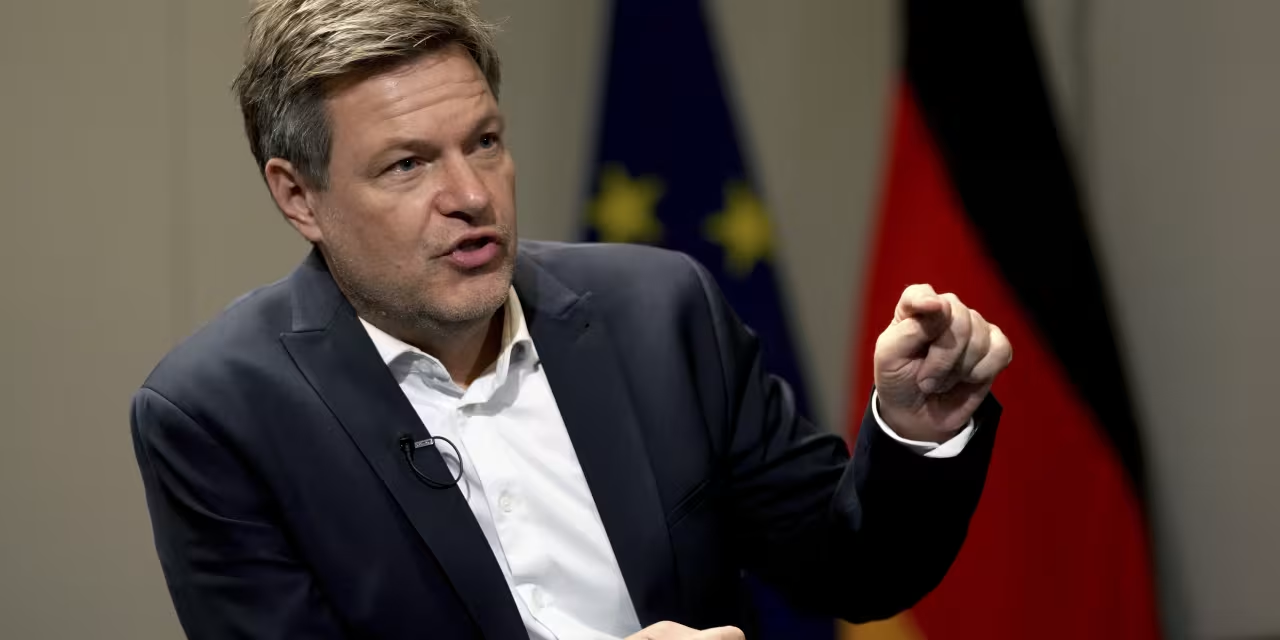
Robert Habeck, leader of Germany’s Greens and economy minister in the government that collapsed 10 days ago, presented himself as the solution to Germany’s stagnation, positioning his party as the only force capable of preventing a return to a grand coalition government. Habeck, elected as his party’s candidate for the February 23 election by 96% of delegates at the Green national congress, emphasized his willingness to work with conservative frontrunner Friedrich Merz on a crucial spending cap reform.

  • Contrast with Conservatives: Habeck’s speech was a direct appeal to centrists disillusioned with the current political landscape, particularly those who backed Angela Merkel’s stable leadership but now feel alienated by Merz’s combative conservatism. Habeck contrasted his calm and reasoned approach to Merz’s volatile style, hoping to attract voters who are looking for an alternative to the polarizing figure of the conservatives.
  • Debt Brake Reform: In an effort to demonstrate his pragmatic approach, Habeck proposed cooperation with Merz on reforming the debt brake, a constitutionally enshrined spending cap, before the election. This offer seeks to address divisions within Merz’s camp between fiscal conservatives and those advocating for increased public spending.

Germany’s Economic Crisis and the Election’s Stakes

The upcoming election comes at a time of heightened economic pressure, with Germany facing fierce competition from China, rising protectionist sentiments globally, and years of underinvestment. Habeck and Chancellor Olaf Scholz are betting that voters’ dissatisfaction is less about support for Merz and more about frustration with the current state of the economy.

  • Appealing to Disillusioned Voters: Habeck’s speech targeted the “Merkel voters”—centrist, liberal-leaning individuals who appreciated Merkel’s stability but are now uncertain about where to place their votes. This strategy seems designed to capture the middle ground in a political landscape shifting to the right under Merz’s leadership.

Habeck’s Strategy and the Party’s Position

While Habeck’s offer to work with Merz may appeal to centrist voters, it also underscores his centrist and pragmatic approach, despite being part of the Green party. He draws parallels to Merkel, who was known for her intellectualism and stability. However, Habeck’s vision differs from Merkel’s, particularly in her government’s reliance on Russian energy, which he aims to move away from.

  • Opposition Criticisms: Habeck’s centrist appeal has not been without criticism. Bijan Djir-Sarai of the neoliberal Free Democrats, previously a coalition partner of the Greens, argued that Habeck’s left-green ideology threatens jobs and economic stability. This critique highlights the ongoing division in Germany’s political landscape, where the Greens’ policies are seen by some as a threat to economic prosperity.

French Farmers Protest Against Mercosur Trade Deal Amid Rising Discontent

Rising Farmer Protests in France

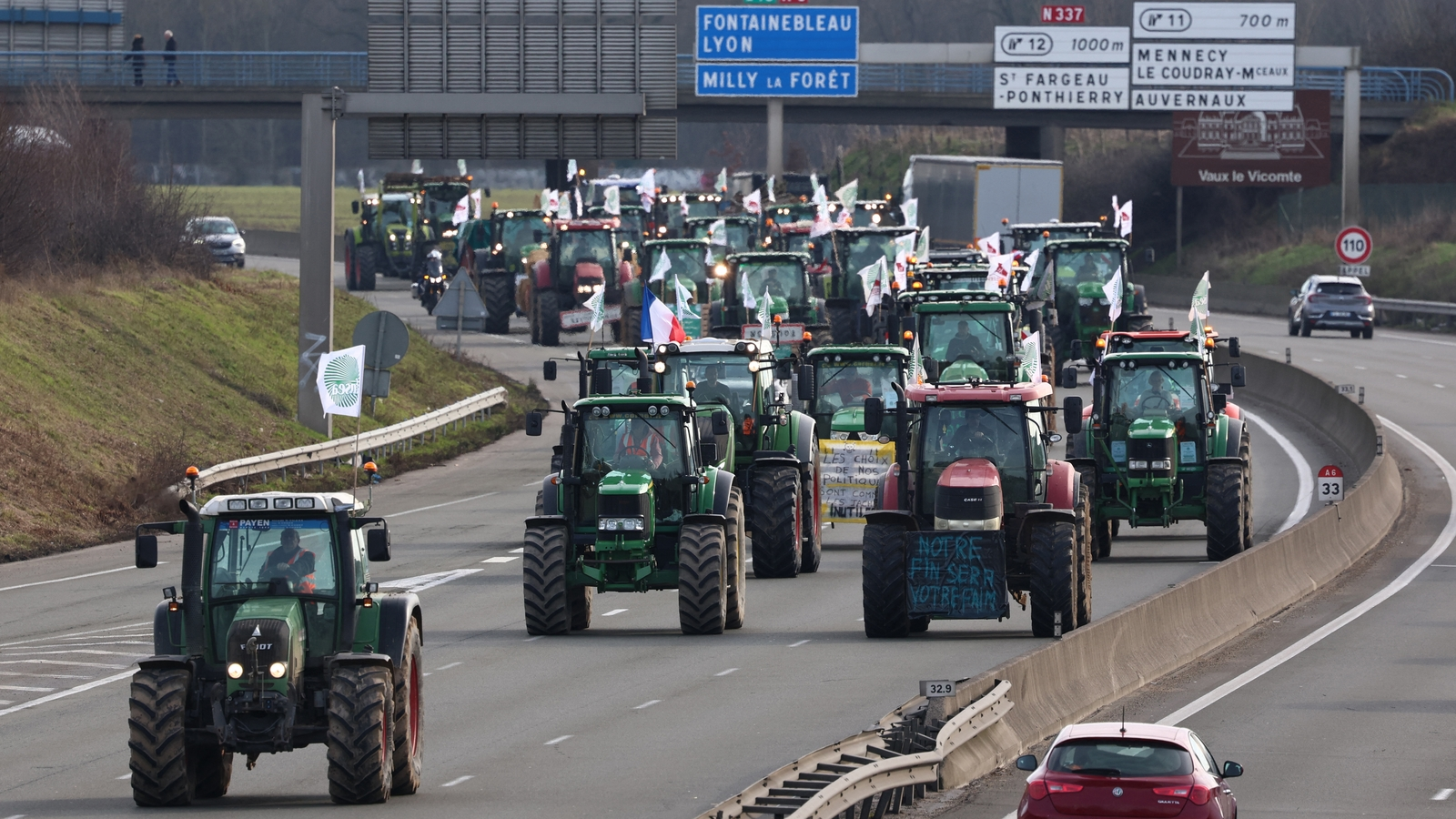
French farmers took to the streets on Monday in response to growing discontent over the potential Mercosur trade deal between the European Union and South American countries. The deal, which is expected to be finalized by the end of the year, has reignited anger in France, particularly due to fears of increased foreign competition.

  • Continued Frustration: The protests echo the frustrations of last winter, when farmers across Europe voiced concern over a surge in imports from Ukraine following Russia’s invasion. In France, the situation has worsened due to a series of rain-hit harvests, livestock disease outbreaks, and delays in promised government actions following earlier protests.
  • Farmer’s Demands: Armelle Fraiture, a dairy farmer north of Paris, stated, “We have the same demands as in January, nothing has changed.” Farmers are demanding the government take further action to address the crisis, as they face cheaper imports, high regulations, and poor incomes.

Mercosur Deal Stokes Fears of Increased Competition

The proposed trade agreement with Mercosur, a bloc of South American nations including Brazil and Argentina, threatens to intensify competition for French farmers, particularly in the sectors of beef, chicken, sugar, and maize.

  • Concerns Over Standards: Farmers argue that the Mercosur deal will flood European markets with products that use pesticides and growth antibiotics banned in Europe. These fears are particularly strong for the livestock sector, where French farmers worry about losing market share to cheaper imports from Brazil and Argentina.
  • Rising Financial Struggles: Arnaud Rousseau, head of France’s main farmers’ union (FNSEA), highlighted the dire financial state of tens of thousands of French farms, adding that a Mercosur deal would be a “bitter ‘cherry on the cake.'”

Protests and Government Response

Farmers are planning rallies across the country, with protests scheduled to continue until mid-December. In the lead-up to the main demonstrations, a group of farmers blocked part of a highway near Paris on Sunday evening, displaying slogans such as “Let’s not import the agriculture that we don’t want.”

  • President Macron’s Opposition: President Emmanuel Macron has reiterated his opposition to the deal as it is currently proposed. However, with France struggling to find allies within the EU for its position, and with rural grievances running deep, the government may face challenges in placating the protesting farmers.