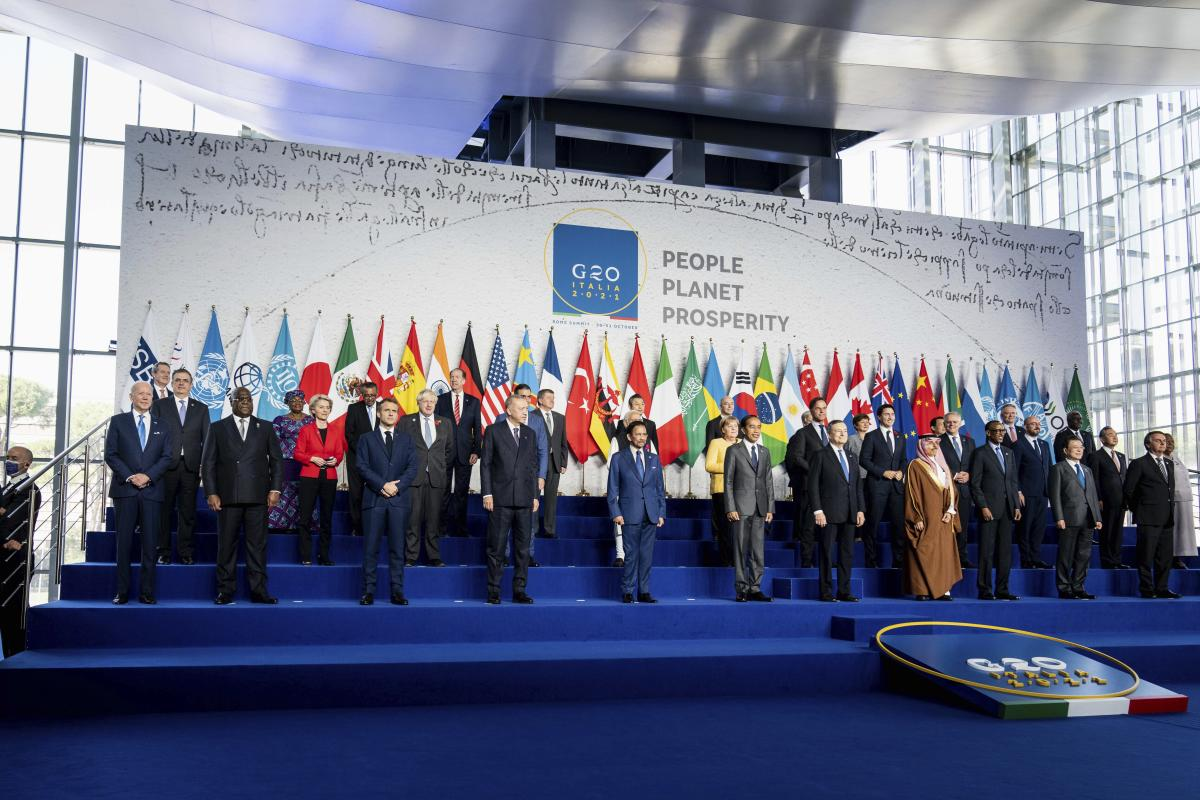
G20 Summit Kicks Off with Global Pact to Fight Hunger and Poverty

Global Alliance Against Hunger and Poverty

Brazil’s President Luiz Inacio Lula da Silva opened the Group of 20 (G20) summit on Monday with the launch of a groundbreaking global alliance aimed at combating hunger and poverty. A total of 81 countries have agreed to support this initiative, which emphasizes coordinated efforts to address these challenges globally.

  • Alliance Backed by Major Entities: The alliance is supported by the African Union, European Union, international organizations, development banks, and major philanthropies such as the Rockefeller Foundation and the Bill & Melinda Gates Foundation.
  • Lula’s Message: In his opening remarks, Lula, who rose from poverty and organized a metalworkers union, stressed that hunger and poverty are political decisions, not the result of scarcity or natural events.

G20 Agenda Amid Global Shifts

As leaders gathered in Rio de Janeiro for two days of talks, their discussions on trade, climate change, and international security are expected to clash with shifting U.S. policies under President-elect Donald Trump.

  • U.S. Policy Changes: Trump’s stance on tariffs, the war in Ukraine, and other issues is set to reshape the global agenda once he takes office in January.
  • Escalating Ukraine Conflict: A recent Russian airstrike on Ukraine and a new U.S. decision to allow Ukraine to use U.S. weapons to target deeper into Russia have created challenges for diplomats trying to reach consensus on the war.

Tensions and Security Concerns in Rio

Security in Rio has been heightened with the presence of Brazilian troops and police reinforcements. Despite this, a Brazilian army patrol came under gunfire near a slum in Rio de Janeiro, though no one was injured.

  • Geopolitical Tensions: Amid these tensions, the summit is being held against the backdrop of escalating conflicts in Gaza and Ukraine, with discussions focused on the global governance system and economic inequalities.

New White House Priorities and China’s Role

While U.S. President Joe Biden is seen as a lame duck with only two months left in office, China’s President Xi Jinping is poised to play a central role at the summit.

  • Biden’s Contributions: Biden is expected to announce a significant pledge to the World Bank’s International Development Association fund and launch a clean energy partnership with Brazil.
  • China’s Economic Influence: Xi is expected to promote China’s Belt & Road initiative, although Brazil has opted not to join.
  • U.S.-China Tensions: The G20 summit’s trade talks are also set to be impacted by Trump’s plans to escalate the U.S.-China trade war.

Brazil’s Push for Reform Faces Obstacles

Brazil’s efforts to push for reform in global governance and multilateral financial institutions could face challenges under Trump’s administration, particularly in areas like taxing the super-rich, an issue close to Lula’s agenda.

  • Opposition from Allies: Argentine President Javier Milei, a new ally of Trump in Latin America, has already rejected including a mention of taxing the wealthy in the summit’s joint communique.
Biden Pledges Record $4 Billion to World Bank Fund for Poorest Countries

U.S. Contribution to Global Development

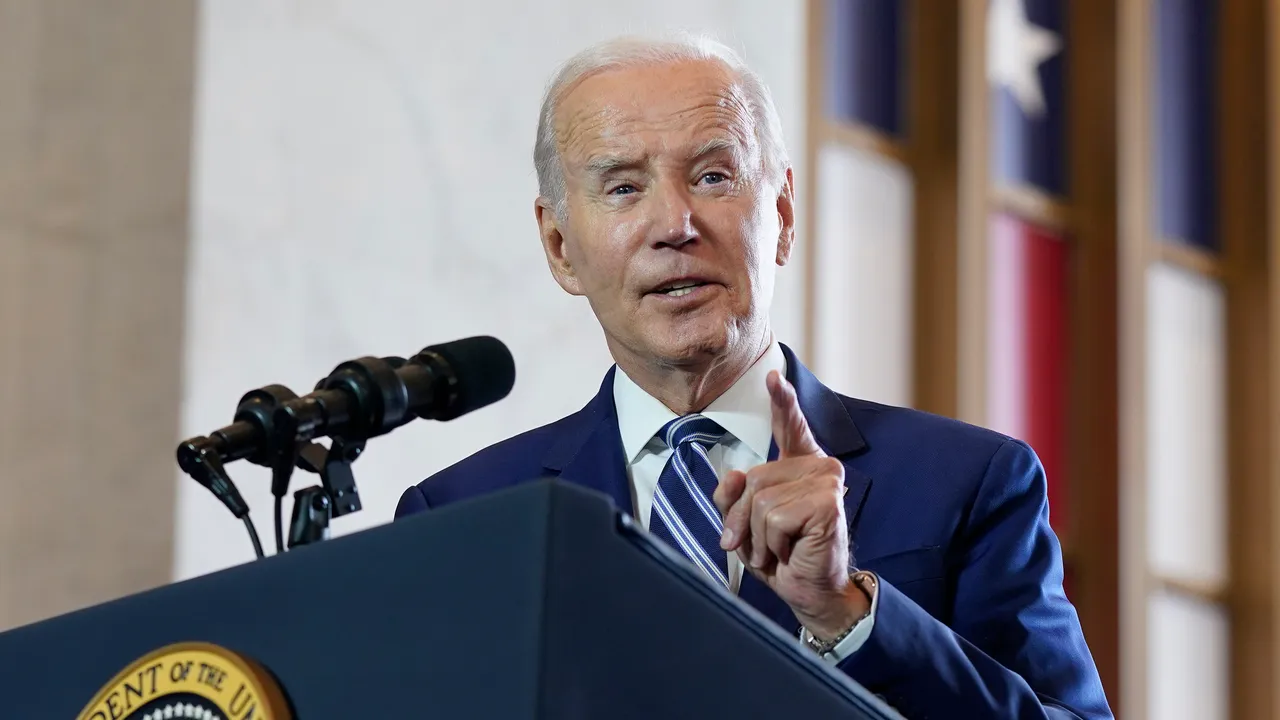
U.S. President Joe Biden has pledged a historic $4 billion contribution to the World Bank’s International Development Association (IDA) fund, aimed at supporting the world’s poorest nations. This commitment, announced during a closed session at the Group of 20 summit in Rio de Janeiro, marks a significant increase from the previous pledge of $3.5 billion in December 2021.

  • Record Pledge: The $4 billion contribution is the largest U.S. commitment to the IDA fund to date.
  • Impact: The IDA provides grants and low-interest loans to the poorest countries, helping them address critical challenges like poverty, climate change, and economic instability.

Political Context and Future Uncertainty

While Biden’s pledge is a notable gesture, it remains unclear if the next U.S. administration under President-elect Donald Trump will uphold this commitment. Trump has previously proposed cuts to foreign aid, and discussions around the U.S. government’s spending priorities are ongoing.

  • Biden’s Announcement: The pledge came in a closed-door meeting at the G20 summit, with no official White House comment on the contribution.
  • Trump’s Potential Impact: Trump’s proposed budget cuts, as well as his collaboration with billionaire Elon Musk on reducing U.S. government spending, could affect future foreign aid allocations.

World Bank’s Fund Replenishment Plans

The IDA replenishment process occurs every three years, with the next pledging conference set for December 6, 2024. World Bank President Ajay Banga is aiming for a record replenishment amount, exceeding the $93 billion raised in December 2021.

  • Replenishment Goal: Banga has set a target of $120 billion, driven by rising demands from poorer nations grappling with debt, climate disasters, and conflicts.
  • Other Countries’ Contributions: Spain and Denmark have also committed to substantial increases in their contributions, with Spain raising its contribution by 37% to 400 million euros and Denmark by 40% to $492 million.

Additional Initiatives

In addition to the IDA pledge, Biden is expected to announce a bilateral clean energy partnership with Brazilian President Luiz Inacio Lula da Silva during the G20 summit.

Oil Prices Surge Amid Sverdrup Outage and Escalating Ukraine War

Oil Market Dynamics

Oil prices rose significantly on Monday, driven by the halt in output at Norway’s Johan Sverdrup oilfield and increased geopolitical tensions following escalations in the Russia-Ukraine conflict.

  • Brent Crude: Up $1.52 (2.14%) to $72.56 per barrel by 1503 GMT.
  • WTI Crude: Up $1.39 (2.07%) to $68.41 per barrel.

Sverdrup Oilfield Shutdown

Norway’s Equinor reported an output halt at the Johan Sverdrup oilfield, Western Europe’s largest, due to an onshore power outage. The timeline for resuming production remains unclear.

This development is significant for the North Sea crude market, as Johan Sverdrup’s output underpins the Brent futures complex. UBS analyst Giovanni Staunovo noted that the outage is likely to tighten supply in the region, contributing to price increases.


Geopolitical Tensions in Ukraine

The escalation of the Russia-Ukraine war has further fueled oil price increases:

  1. U.S. Policy Shift: The Biden administration has allowed Ukraine to use U.S.-made weapons for long-range strikes into Russia, including areas around Kursk. This marks a reversal in U.S. policy, escalating tensions with Moscow.
  2. Kremlin’s Response: Russia has warned of retaliation against what it termed a “reckless decision” by Washington, raising the risk of direct confrontations with NATO.
  3. Impact on Oil Markets: Analysts suggest that oil prices could rise further if Ukraine targets Russian oil infrastructure. MST Marquee’s Saul Kavonic noted the potential for heightened market volatility.

Weekend Developments

Russia launched its largest airstrike on Ukraine in three months on Sunday, severely damaging Ukraine’s power system. Meanwhile, reports indicate the involvement of North Korean troops in the conflict, further complicating the geopolitical landscape.


Broader Market Trends

Despite Monday’s gains, oil prices faced a downward trend last week:

  • Weak refinery data from China raised concerns about demand in one of the world’s largest energy markets.
  • The International Energy Agency (IEA) projected that global oil supply would outpace demand by more than 1 million barrels per day in 2025, even if OPEC+ output cuts persist.

These factors contributed to a 3% decline in Brent and WTI prices last week.