Russian Gas Flows to Austria Persist Despite OMV Cut-Off

Background on Gazprom-OMV Dispute

Gazprom halted gas supplies to Austrian energy firm OMV over the weekend due to a contractual dispute involving compensation claims by OMV following an arbitration victory. Despite this, Russian gas continues to reach Austria through other buyers and middlemen, as revealed by supply data on Monday.

OMV had been receiving 17 million cubic meters (mcm) daily before the disruption. These volumes are now being purchased by other European buyers and possibly resold, though the exact buyers remain unidentified.


Gas Transit Routes and Flows

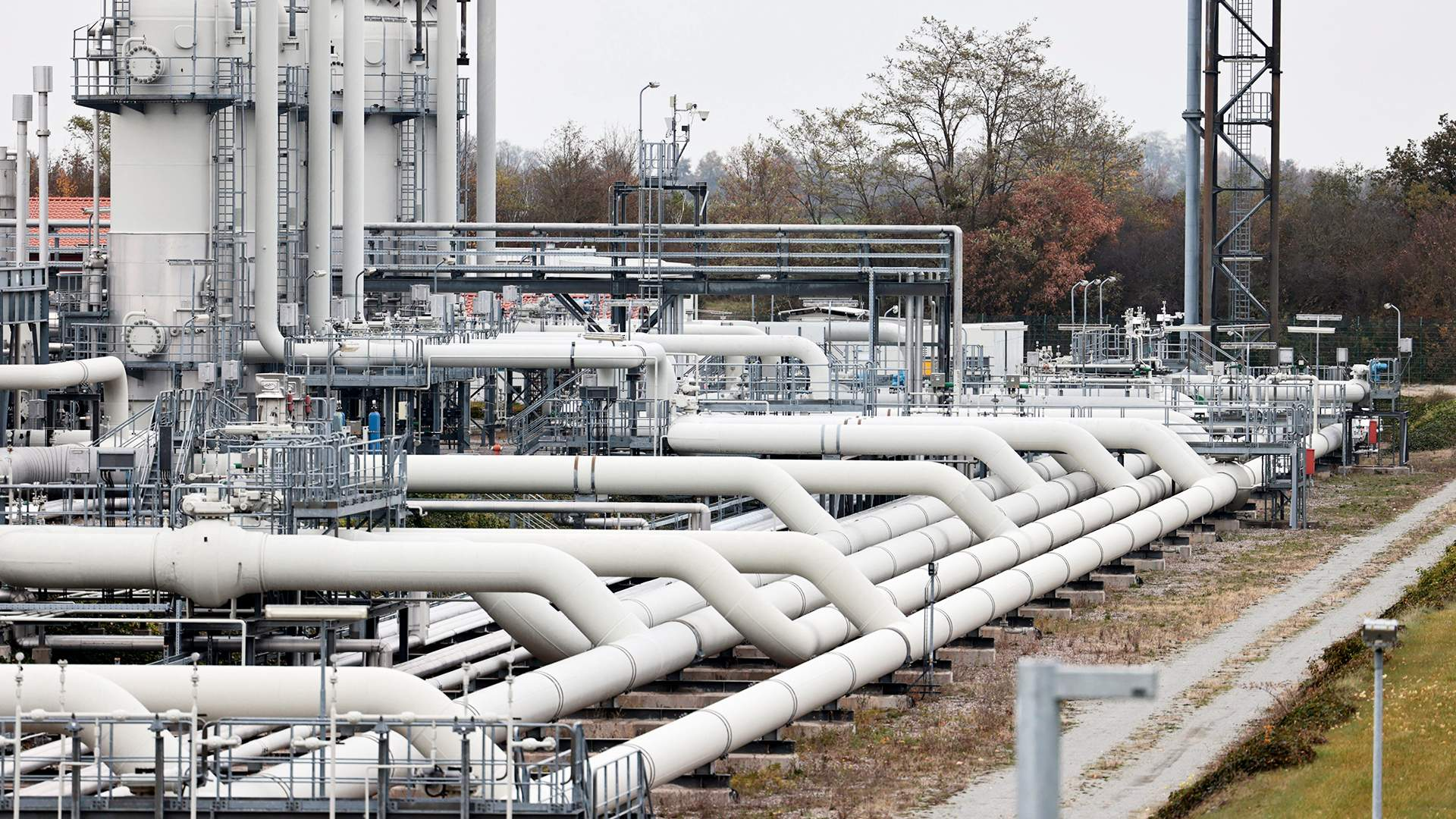
The Urengoy-Pomary-Uzhgorod pipeline remains one of the two remaining routes for Russian pipeline gas to the EU, delivering gas via Ukraine to Slovakia and then onward to Austria. Flows to Austria from Slovakia decreased by 17% to 22.6 mcm/day on Sunday and were projected at 22.3 mcm/day for Monday, according to Eustream.

However, Ukraine has announced its intention not to renew the transit agreement with Gazprom, signaling a potential closure of this critical route by year-end.


Wider Impact on European Gas Markets

While Russian gas deliveries to Slovakia, Hungary, and Serbia remain steady, Austria is now sourcing its gas indirectly through middlemen. In the Czech Republic, where companies have no direct contracts with Gazprom, Russian gas may still be entering the market indirectly. Analysts suggest that surplus Russian gas, cheaper than alternatives due to full storage and lower delivery costs, may be traded through intermediaries.

Elsewhere, colder weather forecasts, reduced Norwegian supplies, and redirected LNG cargoes to Europe have influenced market dynamics. Dutch TTF gas prices rose to €46.90/MWh on Monday, while LNG prices for January delivery in northeast Asia increased to $14.20/mmBtu, reflecting global adjustments to supply disruptions.


European Shift Away from Russian Gas

Since the invasion of Ukraine, the EU has drastically reduced its reliance on Russian gas, turning to alternative sources like Norway, the Middle East, and the United States. However, Russian gas remains competitively priced, enabling it to retain a foothold in certain markets.

Five LNG shipments recently redirected from Asia to Europe underscore the continent’s evolving energy strategy, balancing immediate demand with efforts to diversify away from Russian energy dependency.
Xiaomi Boosts EV Delivery Targets Amid Surging Demand

Increased Goals Reflect Growing Market Success

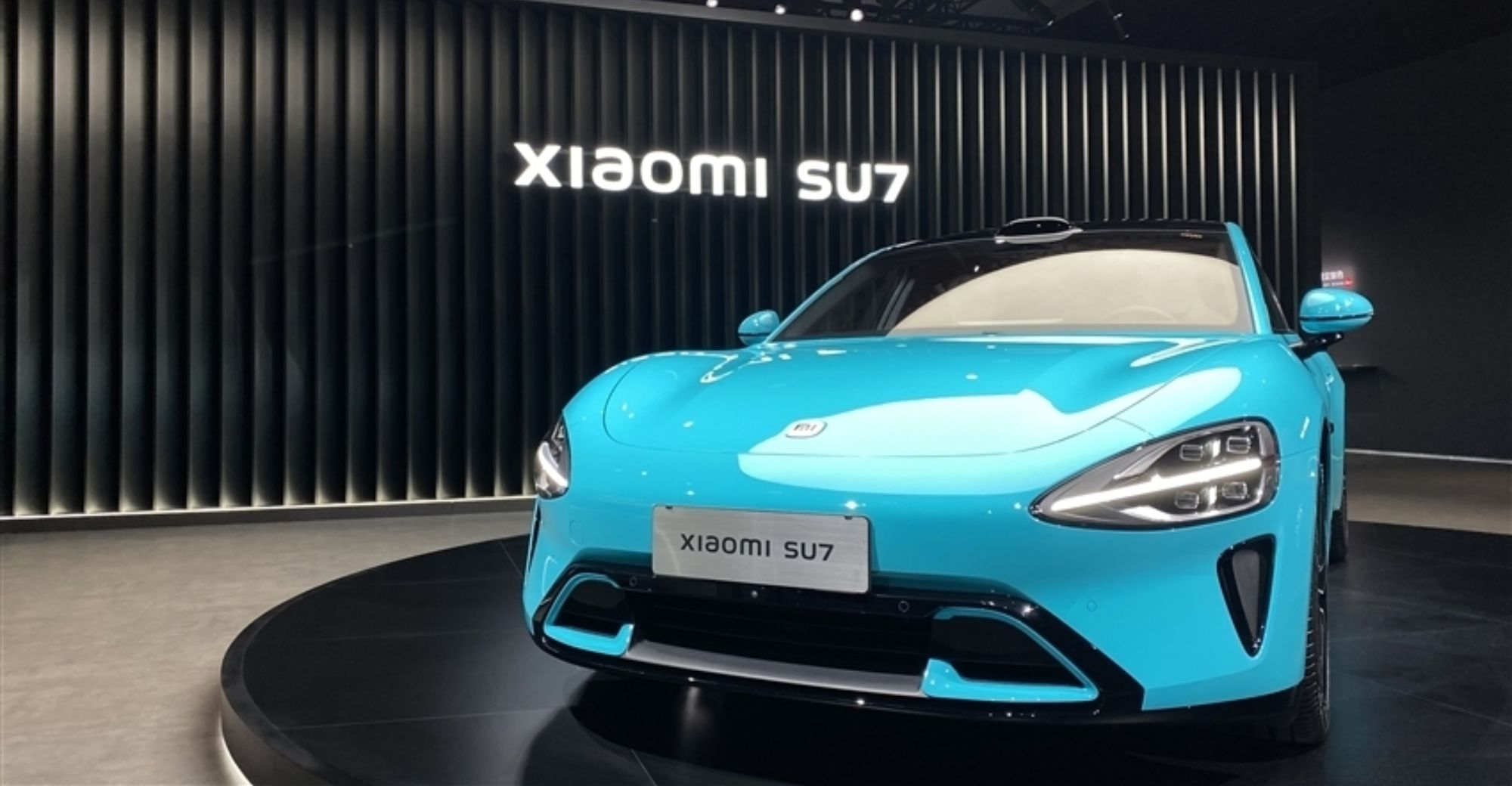
Xiaomi Corp has raised its 2023 electric vehicle (EV) delivery target for the third time, now aiming to deliver 130,000 units of its debut SU7 sedan. This is a significant increase from its initial goal of 76,000 when the car launched in March.

The SU7, inspired by Porsche designs, has captivated buyers with a starting price below $30,000, undercutting Tesla’s Model 3 in China by $4,000. Xiaomi’s success reflects broader trends in China’s EV market, where electric and plug-in hybrid vehicles accounted for over half of October’s auto sales, a 56.7% year-on-year increase.


Scaling Production to Meet Demand

Xiaomi has ramped up production since June, doubling shifts at its factories and introducing the premium SU7 Ultra, priced above $110,000. The company’s manufacturing facilities now have a capacity of 20,000 units per month, with room for further growth.

President Lu Weibing highlighted Xiaomi’s continued investment in both hardware and software to support new models and autonomous driving technology.


Financial Performance and Market Position

In the third quarter, Xiaomi reported revenue of 92.5 billion yuan ($12.77 billion), surpassing analysts’ expectations of 91.1 billion yuan. However, its EV unit remains unprofitable, recording a loss of 1.5 billion yuan for the quarter, despite a 17.1% gross profit margin.

Xiaomi’s smartphone division remains a cornerstone of its business, maintaining its rank as the world’s third-largest smartphone maker with a 14% market share and 42.8 million units shipped in Q3.

The company’s adjusted net profit rose 4.4% to 6.25 billion yuan, exceeding market estimates of 5.92 billion yuan.


Future Projections and Market Expansion

Analysts at Huatai Securities forecast Xiaomi will deliver 400,000 EVs in 2025, with EV sales projected to contribute 20% of revenue, compared to 8% this year. To support growth, Xiaomi plans to expand its retail footprint in mainland China from 13,000 to 15,000 stores by year-end and to 20,000 by 2024.

The company’s strategic push into EVs demonstrates its ambition to diversify revenue streams and solidify its position in the competitive Chinese market.

Northvolt Faces Production Challenges Amid Struggles to Meet EV Battery Targets

Challenges in Scaling Up Production

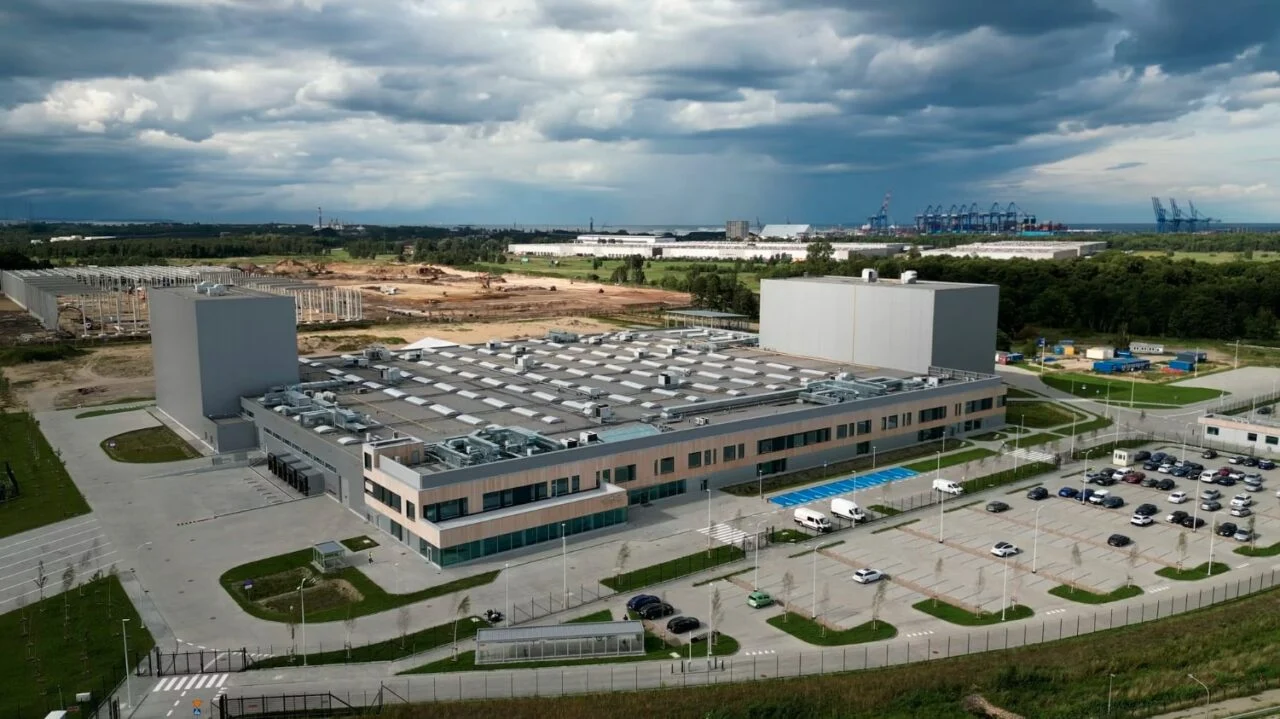
Northvolt, Europe’s flagship electric vehicle (EV) battery maker, is grappling with significant production setbacks at its Skellefteå plant in Sweden. Internal documents and company sources reveal persistent difficulties in meeting production goals for deliverable battery cells, raising concerns about its ability to fulfill ambitious targets.

The company’s “Path to 100k” roadmap, unveiled earlier this year, aimed to produce 100,000 shippable cells per week by the end of 2023. However, by November 10, Northvolt had only achieved around 26,000 cells that week, falling short of its internal targets.


Adjusting Operations and Redefining Goals

In response to these challenges, Northvolt has reduced its production schedule to weekdays only and suspended operations in one of its two manufacturing buildings. The company says these measures aim to enhance quality control and optimize performance.

“Running fewer production lines allows us to focus on contracted customer volumes,” Northvolt stated.

Despite initial setbacks, the company claims to have tripled its cell manufacturing levels since January. However, its initial targets from September are now deemed “long out of date,” according to the company.


Key Issues Behind Production Delays

Company insiders attribute Northvolt’s struggles to:

  • Machine faults requiring fine-tuning and calibration.
  • Inexperienced staff, with production relying heavily on relatively new hires.
  • Unrealistic production ambitions, set against a backdrop of a challenging global industry.

Northvolt disagrees with this characterization, asserting that its team is among the most experienced in Europe’s nascent battery industry.


Strategic Review and Customer Adjustments

Amid its struggles, Northvolt undertook a strategic review in July, which has influenced operations, customer orders, and production goals. Following a €2 billion ($2.1 billion) order cancellation from BMW in June, Northvolt has focused on delivering cells primarily to Volkswagen-owned Audi, Porsche, and truckmaker Scania.

Scania, once impacted by Northvolt’s delays, has since renegotiated delivery plans. CEO Christian Levin noted improved performance:
“We had to adjust to a more realistic ramp-up pace, but deliveries are now on track.”


The Road Ahead

Despite its challenges, industry experts acknowledge that Northvolt remains ahead of other European competitors in the EV battery sector. Slowing production, according to Hans Eric Melin of Circular Energy Storage, can improve long-term outcomes by allowing for better machine maintenance and quality control.

Northvolt’s struggles highlight the broader difficulties faced by Europe in reducing reliance on Chinese battery manufacturers. While the company