
Netflix Sets Streaming Record with Christmas Day NFL Games

Netflix made history on Christmas Day, setting a new record for the most-streamed NFL games in U.S. history, according to Nielsen. Nearly 65 million viewers tuned in to watch two highly anticipated matchups streamed exclusively on the platform.

The Baltimore Ravens’ win over the Houston Texans drew an average of 24.3 million viewers, while the Kansas City Chiefs’ victory against the Pittsburgh Steelers attracted 24.1 million viewers. The Ravens-Texans game peaked during Beyoncé’s halftime performance, which brought in over 27 million viewers.

“Bringing our members this record-breaking day of two NFL games was the best Christmas gift we could have delivered,” said Bela Bajaria, Netflix’s Chief Content Officer. She credited the partnership with the NFL, the “wonderful on-air talent,” and the iconic performances by Beyoncé and Mariah Carey for the milestone.

These games marked the beginning of a three-year partnership between Netflix and the NFL to exclusively stream Christmas Day matchups.

The NFL wasn’t the only sports league celebrating on Christmas. The NBA also achieved notable viewership records. Its five-game Christmas Day lineup averaged 5.25 million viewers per game, the highest in five years, according to Nielsen.

The Los Angeles Lakers’ victory over the Golden State Warriors drew 7.76 million viewers, peaking at 8.32 million, making it the most-watched NBA regular-season game in five years. The New York Knicks’ win against the San Antonio Spurs, which opened the day, averaged 4.91 million viewers, marking the most-watched Christmas Day opener in 13 years.

Overall, NBA viewership on Christmas was up 84% compared to 2023, with games broadcast across Disney’s platforms, including ABC, ESPN, ESPN2, Disney+, and ESPN+.
 

Why Tech Giants Are Turning to Nuclear Power to Meet Energy Demands

The tech industry’s growing appetite for energy, driven by artificial intelligence (AI) and cloud computing, is pushing global electricity demands to unprecedented levels. According to the U.S. Department of Energy, global electricity usage could increase by up to 75% by 2050, with tech companies’ AI ambitions serving as a significant factor.

Data centers supporting AI and cloud computing are becoming massive energy consumers, rivaling the electricity demands of entire cities. For instance, Mark Nelson, managing director of Radiant Energy Group, explained, “A new data center that needs the same amount of electricity as, say, Chicago, cannot just build its way out of the problem unless they understand their power needs—steady, 100% power, 24/7, 365 days a year.”

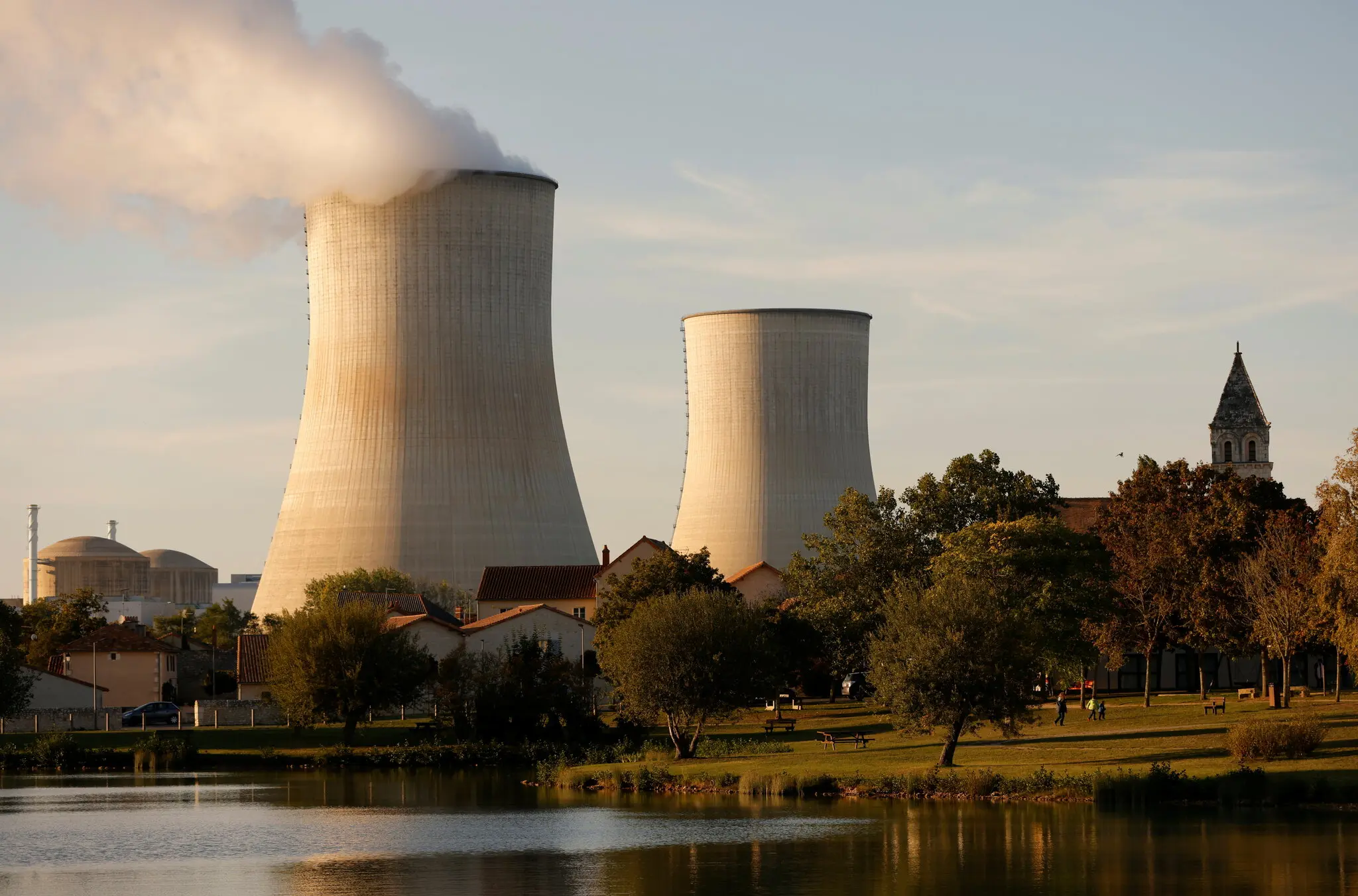
To address these growing demands while staying committed to sustainability goals, tech giants like Google, Amazon, Microsoft, and Meta are increasingly investing in nuclear power. Nuclear energy offers a scalable, carbon-free, and always-on solution that complements intermittent renewable sources like wind and solar.

Michael Terrell, Google’s senior director of energy and climate, emphasized the advantages of nuclear energy: “It’s a carbon-free source of electricity. It’s a source of electricity that can be always on and run all the time. And it provides tremendous economic impact.”

For years, nuclear energy faced setbacks due to safety concerns, fears of meltdowns, and widespread misinformation. However, the energy landscape is shifting. Experts believe that tech companies’ investments could spark a “nuclear revival,” providing a sustainable energy pathway for both the tech industry and broader society.

As AI and data-driven technologies continue to expand, nuclear power may become an integral part of the energy transformation necessary to meet the rising demands of the digital era.


AT&T and Verizon Acknowledge Salt Typhoon Cyberespionage, Networks Secured

AT&T and Verizon confirmed on Saturday that their systems were targeted by Salt Typhoon, a Chinese-linked cyberespionage operation, but assured the public that their U.S. networks are now secure. Both companies are collaborating with law enforcement and government agencies to assess and mitigate any remaining risks.

An AT&T spokesperson stated, “We detect no activity by nation-state actors in our networks at this time.” They added that the People’s Republic of China targeted a small group of individuals with foreign intelligence value. While only limited information was compromised, AT&T continues to monitor and remediate its networks to safeguard customer data.

Verizon, in its statement, reported similar containment efforts. Chief Legal Officer Craig Silliman said, “We have not detected threat actor activity in Verizon’s network for some time, and after considerable work addressing this incident, we can report that Verizon has contained the activities associated with this particular incident.” The containment has been independently verified by a respected cybersecurity firm.

The U.S. Department of Defense and Federal Communications Commission have not commented on the incident. However, on Friday, officials added a ninth unnamed telecom company to the list of victims. Hackers affiliated with Salt Typhoon allegedly gained extensive access to telecom networks, enabling them to geolocate millions of individuals and intercept phone calls at will.

Chinese officials have dismissed such allegations as disinformation, maintaining that Beijing opposes cyberattacks in all forms. Previous reports linked the Salt Typhoon operation to theft of telephone audio intercepts and call record data from companies like AT&T, Verizon, and Lumen.

The U.S. Cybersecurity and Infrastructure Security Agency (CISA) responded to the breach on Dec. 18 by recommending that senior government and political figures transition to end-to-end encrypted communication apps. High-profile targets of Salt Typhoon reportedly included individuals associated with Vice President Kamala Harris and former President Donald Trump’s campaigns.

Lawmakers expressed bipartisan concern over the severity of the breach. Senator Ben Ray Luján (D-NM) described it as “the largest telecommunications hack in our nation’s history,” while Senator Ted Cruz (R-TX) emphasized the urgent need to address vulnerabilities in the nation’s communications networks.

The Salt Typhoon hack has raised alarm over the scale and impact of Chinese cyberattacks on U.S. telecommunications. Both companies and government agencies face mounting pressure to assure the public about the security of the nation’s critical communication infrastructure.