Bird Poop Research May Hold the Key to Preventing the Next Flu Pandemic

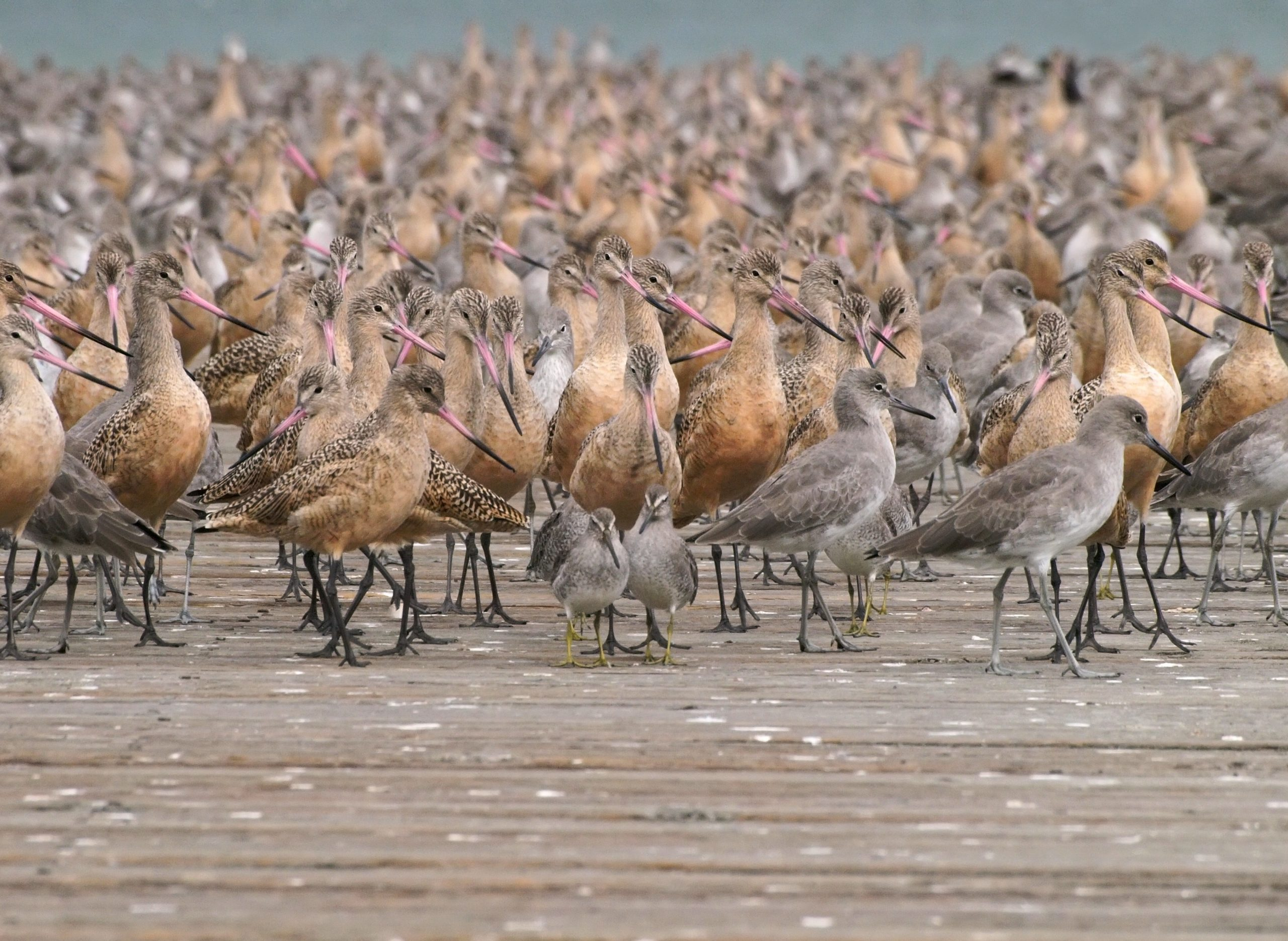
Each spring, the shores of Delaware Bay transform into a bustling hub of ecological activity. Migrating shorebirds, stopping to feast on horseshoe crab eggs, double their weight before continuing their journey between South America and the Arctic. But this phenomenon isn’t just a spectacle of nature; it’s a vital research ground for scientists aiming to prevent the next flu pandemic.

For nearly 40 years, researchers from St. Jude Children’s Research Hospital have been collecting bird droppings, or guano, from this area to study flu viruses. The project, originally spearheaded by virologist Dr. Robert Webster, revealed that bird intestines—not their respiratory tracts—serve as a breeding ground for influenza viruses. These viruses are excreted in bird poop, allowing scientists to monitor flu strains as they migrate along the Atlantic flyway.

This long-term surveillance has provided critical data, helping researchers detect new flu strains and assess their potential risks. One such strain, H5N1, has gained attention recently as it spreads among birds, mammals, and even dairy cattle in the U.S. The virus, which has caused severe outbreaks in poultry, poses a growing risk of mutating to infect humans more easily.

Dr. Richard Webby, who now leads the project, likens predicting pandemics to forecasting tornadoes: understanding the normal patterns is essential for spotting dangerous changes. Recent efforts by the team include using a mobile lab to accelerate sample analysis. Despite their extensive surveillance, they didn’t detect H5N1 in Delaware Bay this year, but their work later uncovered the virus in ducks in Tennessee, specifically a strain linked to severe human cases.

A new study led by Dr. Louise Moncla of the University of Pennsylvania underscores the importance of this research. The study found that wild birds have become a reservoir for H5N1 in North America, introducing the virus repeatedly into farmed and backyard bird populations. Unlike the 2014 outbreak, which was contained through aggressive culling, the current outbreak persists because wild birds continue to spread the virus.

As H5N1 evolves, the risk of it adapting to human transmission looms. Monitoring bird populations and their flu strains offers a crucial early warning system. Dr. Pamela McKenzie, a member of the St. Jude team, highlighted the role of shorebirds in virus dissemination: “They stop in Delaware Bay to refuel, move viruses around, and carry them off again.”

The team’s work, while it doesn’t guarantee prevention, equips the world with the tools to respond swiftly if H5N1—or another flu strain—emerges as a pandemic threat.


MAGA Figures Accuse Elon Musk of Retaliation Over H-1B Visa Dispute

A rift between MAGA supporters and Elon Musk has escalated into accusations that the tech billionaire is using his platform, X (formerly Twitter), to silence dissent over his pro-H-1B visa stance. Musk’s advocacy for the program, which allows highly skilled foreign workers to enter the U.S., has sparked criticism from prominent Trump allies, including Laura Loomer, Ann Coulter, and former Congressman Matt Gaetz.

Musk, the CEO of Tesla and SpaceX and President-elect Donald Trump’s pick to lead the newly created Department of Government Efficiency, has defended the H-1B visa program, emphasizing its importance for maintaining U.S. competitiveness in technology and innovation. “If you want your TEAM to win the championship, you need to recruit top talent wherever they may be,” Musk posted on X, adding that “bringing in via legal immigration the top ~0.1% of engineering talent” is “essential for America to keep winning.”

The defense of the visa program has drawn backlash from Trump loyalists. Laura Loomer, a far-right activist and outspoken Trump supporter, claimed that Musk retaliated by removing her verification badge on X and blocking her ability to earn revenue from paid subscriptions on the platform. Loomer, who has over 1.4 million followers, called Musk “a free speech fraud” and accused him of silencing her for opposing the H-1B program.

Conservative PAC, led by chairman Preston Parra, also reported that 53 accounts linked to the organization lost their verification badges. Parra expressed outrage, stating, “If anyone thinks the REAL backbone of the right wing and MAGA is gonna stand idly by while these big tech gillionaire Silicon Valley dweebs… steal our country, they’re mistaken.”

Musk has not publicly addressed the removal of badges but dismissed Loomer’s claims, posting that “Loomer is trolling for attention.” CNN has reached out to X and Loomer for comment, but no responses have been received.

The controversy highlights a growing tension within the MAGA movement over immigration policies, particularly as Musk’s pro-immigration stance contrasts with Trump’s critical position on the H-1B program. It also underscores the broader debate about free speech and platform governance, with Musk’s actions drawing scrutiny amid his claims of promoting open dialogue on X.


Costco Defends DEI Initiatives Amid Conservative Backlash

Costco has taken a firm stance in support of its diversity, equity, and inclusion (DEI) efforts, pushing back against activist shareholders advocating for the dismantling of these policies. While companies like Walmart, John Deere, and Tractor Supply have shifted or scaled back their DEI initiatives, Costco remains committed, emphasizing the value DEI brings to its unique shopping experience.

The warehouse retailer’s board of directors unanimously recommended that shareholders reject a proposal from the National Center for Public Policy Research (NCPPR), a conservative think tank. The proposal called for Costco to issue a report on the financial risks of its DEI policies, alleging potential “illegal discrimination” against employees who are white, Asian, male, or straight.

Costco defended its DEI practices, stating they play a vital role in attracting and retaining diverse talent, enhancing merchandise originality, and fostering a shopping environment that reflects its members’ diversity. “A diverse group of employees helps bring originality and creativity to our merchandise offerings, promoting the ‘treasure hunt’ that our customers value,” the company explained in a proxy statement.

The retailer also highlighted its support for minority-focused organizations like the Thurgood Marshall College Fund and its supplier program, which collaborates with small and diverse businesses. Costco argued that NCPPR’s proposal disguised an anti-diversity agenda under the pretense of mitigating risk, stating, “The proponent’s broader agenda is not reducing risk for the company but abolition of diversity initiatives.”

Costco’s defense comes as DEI policies face mounting criticism from conservative groups, legal challenges, and political shifts. Some companies have adjusted their language—substituting terms like “DEI” with “inclusion” or “belonging”—to deflect pressure, while others have downplayed their DEI efforts compared to the heightened focus in 2020 and 2021.

Despite this environment, Costco has positioned itself as a progressive employer, known for paying some of the highest wages in retail. The company’s commitment to DEI, it says, reflects its belief in fair and legal practices that benefit its employees, customers, and shareholders alike.