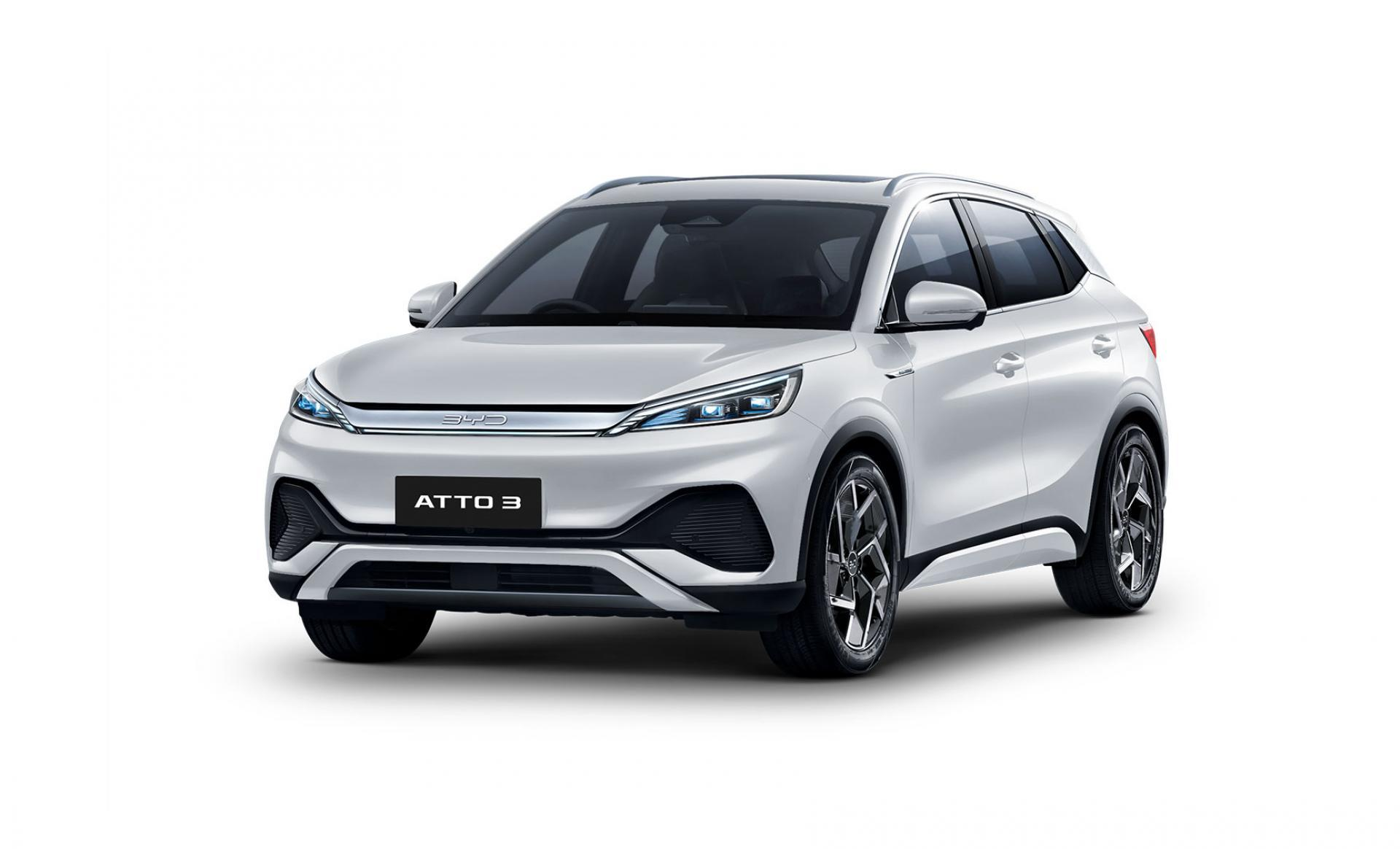
BYD Set to Surpass 2024 Sales Goals, Overtake Ford and Honda

China’s leading electric vehicle (EV) maker, BYD, is poised to exceed its 2024 global sales target of 4 million vehicles, positioning it to surpass Ford and Honda in the process. The company’s growth has been bolstered by its significant market share gains in China, as well as strong sales driven by its competitive lineup of plug-in hybrid models. In the first 11 months of 2024, BYD delivered 3.76 million vehicles, including 506,804 units in November alone. This robust performance comes as China’s car sales grew at their fastest pace in 2024, supported by government-subsidized auto trade-ins.


Expansion and Market Share Gains

BYD’s impressive growth trajectory is largely fueled by an expansion in production capacity and an aggressive hiring strategy. The company added nearly 200,000 units in production capacity between August and October and hired 200,000 new employees. Its workforce now totals nearly 1 million, a sharp increase from 703,500 at the end of 2023. BYD’s market share in China stood at 17.1% as of November, a significant jump from 12.5% in 2023, according to the China Passenger Car Association.


Competitive Edge in the Price War

The company’s success is also attributed to its ability to thrive in a price war that has challenged foreign automakers. BYD has managed to maintain competitive pricing by requesting price cuts from suppliers and benefiting from its extensive scale. This strategic move has helped BYD reduce costs, outperform its rivals, and capitalize on the growing demand for electric vehicles in China.


Outpacing Rivals

BYD’s rapid growth in 2024 has allowed it to outpace traditional automakers like Ford and Honda. If current sales momentum continues, the company is on track to sell over 6 million units in the next 12 months, putting it in the same league as industry giants such as General Motors and Stellantis. The Chinese EV maker is targeting sales of 5 to 6 million vehicles in 2025, according to Citi analysts.
Stellantis and CATL to Build $4.33 Billion EV Battery Factory in Spain

Stellantis and Chinese battery manufacturer CATL have announced a joint investment of €4.1 billion ($4.33 billion) to establish a new electric vehicle (EV) battery factory in Zaragoza, Spain. The two companies will form a 50-50 joint venture and aim to start production by the end of 2026. The plant could have a production capacity of up to 50 gigawatt hours, depending on market growth and regulatory support.


Boost to European EV Battery Production

The collaboration between Stellantis and CATL is part of Europe’s efforts to reduce its reliance on Asia for EV batteries and increase its competitiveness against the United States in the race for green subsidies. The move comes as the region continues to attract battery manufacturers despite challenges such as regulatory delays, production issues, and slower-than-expected demand for electric vehicles.

In recent months, European battery makers have faced significant setbacks, with Sweden’s Northvolt filing for Chapter 11 bankruptcy after losing a major customer. However, the new Zaragoza plant represents a step forward for both companies, leveraging the region’s clean energy initiatives.


CATL’s Expansion in Europe

The Zaragoza factory will be CATL’s third European plant, following its existing facilities in Germany and Hungary. The German plant, established six years ago, has an investment of €1.8 billion, with a planned capacity of 14 gigawatt hours. The Hungarian plant, under construction, will see a €7.3 billion investment and target a much larger capacity of 100 gigawatt hours.


Stellantis’ Broader EV Strategy

Alongside its partnership with CATL, Stellantis is a major investor in the ACC battery joint venture, which also includes Mercedes and TotalEnergies. ACC has begun production in France, although the development of additional plants in Italy and Germany has faced delays due to a dip in EV demand.

Lithium Supply Glut to Persist, Benefiting Battery Makers

Despite a significant drop in lithium prices, many mines, particularly those operated by Chinese companies, continue to produce the raw material essential for electric vehicle (EV) batteries. This ongoing production, despite weak prices, is leading to a prolonged oversupply of lithium, which is expected to keep prices low for years. Battery makers, some of which own or invest in lithium operations, are benefiting from this surplus.


Continued Production Amid Price Weakness

The lithium market has experienced significant volatility, with prices for lithium hydroxide plunging nearly 90% since December 2022. However, many producers are maintaining operations despite price declines. Some of these mines are operating at a loss, but producers are reluctant to halt production due to concerns over losing market share and the complexities of restarting mines.

The global lithium supply is projected to increase by 25% this year and another 15% in 2025, contributing to the glut. Analysts estimate that around 10% of lithium production is currently unprofitable. However, mines in regions such as China, Australia, and Zimbabwe remain open, with some producers absorbing losses due to their integration into global supply chains or strategic interests.


China’s Strategic Investment and Zimbabwe’s Role

China has significantly invested in lithium projects globally, including in Zimbabwe, which has quickly risen to become the world’s fourth-largest supplier. Despite high production costs, Chinese-owned mines in Zimbabwe continue operations, often at a loss, due to the strategic importance of securing lithium supplies. Chinese companies also absorb some of these costs through downstream activities, including battery production, which helps maintain a steady flow of raw materials for the EV and battery sectors.


Australian Mines and Battery Maker Support

In Australia, where lithium extraction costs are also high, some companies have maintained production with support from battery manufacturers. Australian miner Mineral Resources, for instance, has kept its higher-cost mines running, partially offsetting losses with other profitable mineral production. Similarly, Liontown Resources has kept its Kathleen Valley mine operational, bolstered by a $250 million investment from South Korean battery maker LG Energy Solution.