
Former OpenAI Researcher Raises $40 Million for Empathetic Audio AI Startup

WaveForms AI, a startup co-founded by former OpenAI researcher Alexis Conneau, has secured $40 million in funding to create artificial intelligence models that foster emotional connections with humans through voice. The company, backed by Andreessen Horowitz, is valued at $200 million, according to CEO Conneau.


Background and Vision

Conneau, known for co-creating the voice mode capability in OpenAI’s GPT-4o, aims to advance AI’s conversational abilities by making interactions feel more human-like. GPT-4o, launched earlier this year, introduced real-time responses and the ability to handle interruptions—two features that marked a significant improvement in AI’s conversational realism. However, the release generated controversy, especially after actress Scarlett Johansson accused OpenAI of copying her voice for the model, a claim the company denied, stating a different voice actress was used.

Conneau and WaveForms AI cofounder Coralie Lemaitre plan to use the new funding to build audio AI models that will make interactions with AI feel emotionally authentic. The key to this development is voice, which Conneau believes is essential for conveying and responding to emotions in a deeply human way.


Future Plans

WaveForms AI intends to create consumer software that centers on enhancing the emotional bond between users and AI. While details about the product remain sparse, Conneau shared that the goal is to offer more immersive and enjoyable AI experiences, differentiating from other companies focused on superintelligence rather than improving the quality of human-computer interactions.
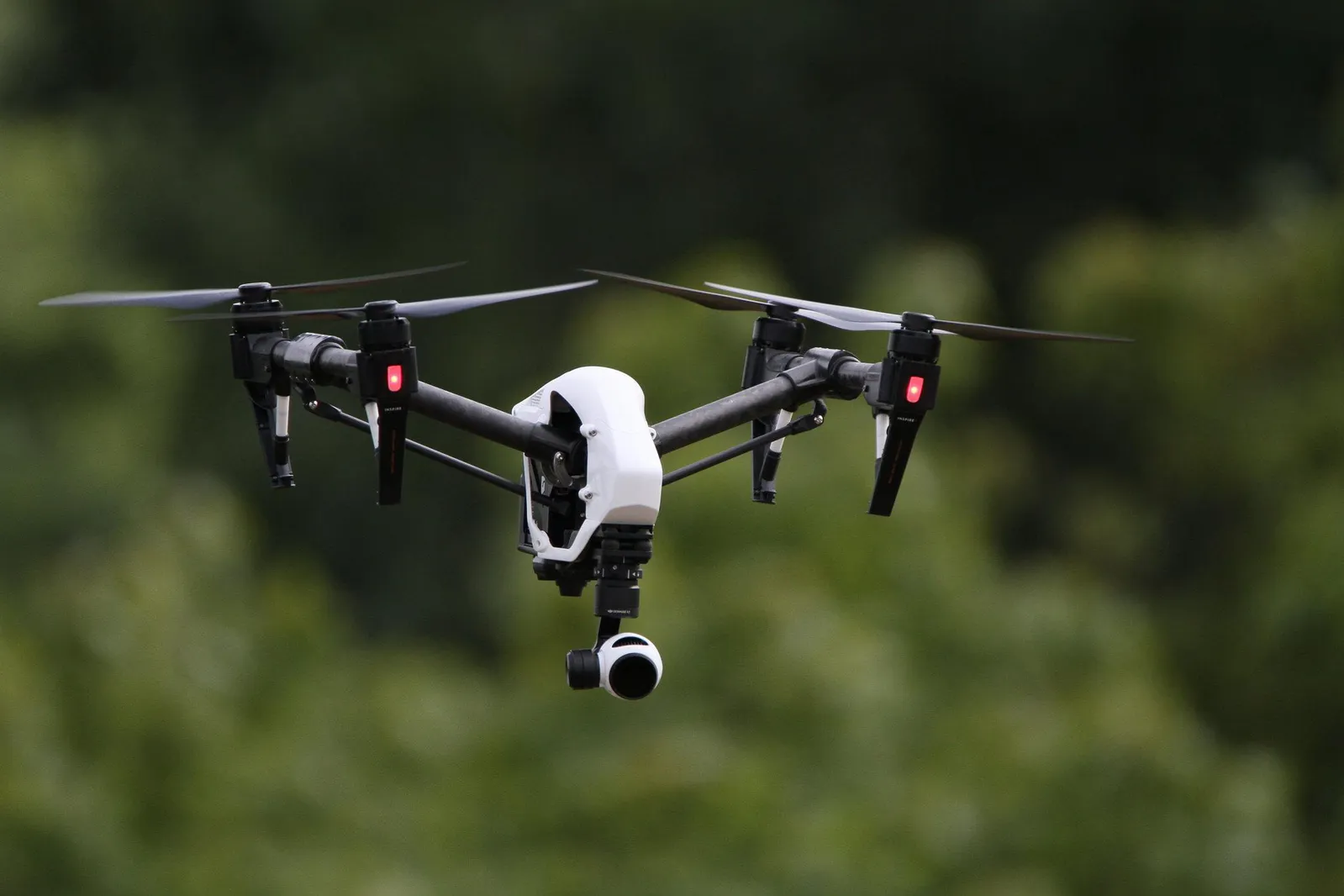

Congress Considers Drone Ban for Chinese Manufacturers DJI and Autel

Under a proposed annual military bill, China-based drone manufacturers DJI and Autel Robotics could face a ban on selling new drones in the U.S. market. The 1,800-page bill, set to be voted on by the U.S. House of Representatives later this week, mandates that a national security agency assess within one year whether drones from these companies pose an unacceptable risk to national security.


Potential Impact on DJI and Autel

If no agency conducts the required study, DJI would automatically be added to the Federal Communications Commission’s “Covered List.” This would prevent DJI from launching new products in the U.S. market, even if the company has not been found guilty of any wrongdoing. DJI expressed concerns that its products were being unfairly targeted, stating that it has voluntarily submitted its drones to regular independent security audits and enhanced privacy features.

Autel Robotics, which also faces scrutiny, has not commented on the situation. Last year, a group of bipartisan lawmakers urged the Biden administration to investigate Autel for potential national security risks.


Past Congressional Actions and Legal Challenges

In September, the U.S. House voted to block new DJI drones from operating in the U.S., and the U.S. Commerce Department is reviewing whether to impose similar restrictions on Chinese drones. DJI has also faced legal battles, including a lawsuit against the Department of Defense after being added to a list of companies allegedly linked to Beijing’s military.

In addition, Customs and Border Protection has been halting some DJI drone imports, citing the Uyghur Forced Labor Prevention Act, a measure DJI denies applying to its operations.


Ongoing Concerns Over Security Risks

U.S. lawmakers have repeatedly voiced concerns that DJI drones could be used for data transmission and surveillance, presenting a national security threat. DJI has denied these accusations, asserting that its drones do not compromise the security of U.S. users.

MongoDB Raises Annual Forecasts Amid Increased Service Usage

MongoDB (MDB.O) announced on Monday that it is raising its annual revenue and profit forecasts for the second time this year, driven by strong growth in the usage of Atlas, its cloud-based database management service. The news prompted a 10.6% rise in the company’s shares in after-hours trading.

Unlike traditional subscription models, MongoDB operates a pay-as-you-use pricing model, where customers are charged based on their service usage. This model has proven successful, particularly as demand for services involving artificial intelligence (AI) deployments has surged.


Strong Growth Across the Board

MongoDB’s updated financial outlook reflects robust demand for its offerings, especially the Atlas service. The company now expects adjusted profit per share for the fiscal year ending on January 31 to range between $3.01 and $3.03, up from its prior forecast of $2.33 to $2.47.

Additionally, MongoDB revised its revenue forecast for the fiscal year, now projecting between $1.97 billion and $1.98 billion, an increase from the previous projection of $1.92 billion to $1.93 billion. The company’s third-quarter revenue rose by 22% year-over-year to $529.4 million, exceeding the analyst consensus of $502 million, according to data from LSEG.

On an adjusted basis, MongoDB earned $1.16 per share in Q3, significantly outperforming the expected profit of $0.69 per share.


Leadership Transition

In another development, MongoDB announced that its Chief Financial Officer (CFO), Michael Gordon, will step down at the end of the fiscal year. Serge Tanjga, the company’s Senior Vice President of Finance, will take over as interim CFO starting February 1, while MongoDB searches for a permanent successor.


Industry Trends

MongoDB’s performance comes at a time when other companies in the cloud database sector, such as Snowflake, are also revising their forecasts upward due to increased service usage. Snowflake recently raised its full-year product revenue forecast, bolstered by strong consumption and bookings, alongside its AI-focused partnership with Amazon-backed Anthropic.