
US Agencies to Brief House on Chinese “Salt Typhoon” Telecom Hacking

U.S. government agencies are set to hold a classified briefing on Tuesday for the House of Representatives regarding China’s alleged cyber espionage campaign, known as “Salt Typhoon.” The operation reportedly targeted American telecommunications companies, attempting to steal sensitive data, including metadata about U.S. calls.

The briefing, scheduled for 2:15 p.m. ET, will involve key agencies such as the FBI, the Office of the Director of National Intelligence, the Federal Communications Commission (FCC), the National Security Council, and the Cybersecurity and Infrastructure Security Agency (CISA). This session follows a similar briefing last week for senators.


Details on the Breach

The White House recently revealed that at least eight U.S. telecommunications companies and telecom infrastructure firms had been impacted by the Salt Typhoon campaign. A significant amount of metadata related to U.S. communications was reportedly stolen.

While Chinese officials have denied the allegations, calling them disinformation, there is growing concern within the U.S. government over the scale of the breach and its implications for national security and privacy.


Legislative and Regulatory Responses

Senator Ron Wyden has indicated he is working on draft legislation in response to the breach, while Senator Bob Casey expressed concerns about the timing of Congressional action, noting that a resolution might not come until next year.

Additionally, a Senate Commerce subcommittee will hold a hearing on Wednesday to examine how security threats, like Salt Typhoon, pose risks to communication networks and review industry best practices. Tim Donovan, CEO of the Competitive Carriers Association, is scheduled to participate in the hearing.


Security Concerns and Industry Impact

Senator Richard Blumenthal emphasized the alarming scope of Chinese hacking into U.S. telecom networks, describing it as “mind-boggling” and expressing deep concern about the lack of assurances for the public. The hacking campaign reportedly targeted major telecom companies, including Verizon, AT&T, and Lumen, extracting sensitive data like telephone audio intercepts and call records.


Looking Ahead

The Salt Typhoon breach has sparked debates about cybersecurity readiness and the need for stronger protections against foreign cyber espionage. U.S. lawmakers and regulators are under pressure to address vulnerabilities in the telecommunications infrastructure and reassure the public on the measures being taken to secure their communications.

Tesla Plans Robotaxi Launch Backed by Human Teleoperators, Says Deutsche Bank

Tesla Inc. (TSLA.O) is planning to debut its robotaxi service in California and Texas next year, supported by human teleoperators for added safety and redundancy, according to a report by Deutsche Bank. The update followed a meeting with Tesla’s head of investor relations, Travis Axelrod, and was published in a note on Friday.


Key Highlights

  • Robotaxi Service: Tesla intends to use a company-owned fleet for the initial phase of its robotaxi operations. The vehicles will be monitored by human teleoperators to ensure safety during the early rollout phase.
  • Ride-Hailing Platform: The service will rely on Tesla’s proprietary ride-hail app, currently under development.
  • Launch Timeline: Tesla continues to target the first half of 2024 for the launch of its highly anticipated lower-cost vehicle, with additional models expected later in the year.

Deutsche Bank’s Analysis

Deutsche Bank noted that Tesla is focusing on maintaining safety during the early stages of the service. “Management believes it would be reasonable to assume some type of teleoperator would be needed at least initially,” the bank stated.

The automaker’s robotaxi service goal for 2024 aligns with its broader strategy to expand its autonomous vehicle capabilities and disrupt the ride-hailing market.


Stock Market Impact

Deutsche Bank raised its price target for Tesla shares from $295 to $370, reflecting optimism over the company’s advancements in autonomous technology and forthcoming product launches. Despite this, Tesla’s shares were trading down nearly 1% at $386.04 on Monday.


Looking Ahead

With its focus on safety and redundancy, Tesla’s planned robotaxi service could reshape the ride-hailing industry if successfully implemented. However, challenges related to regulatory approvals, technology reliability, and market competition may impact its rollout and adoption.

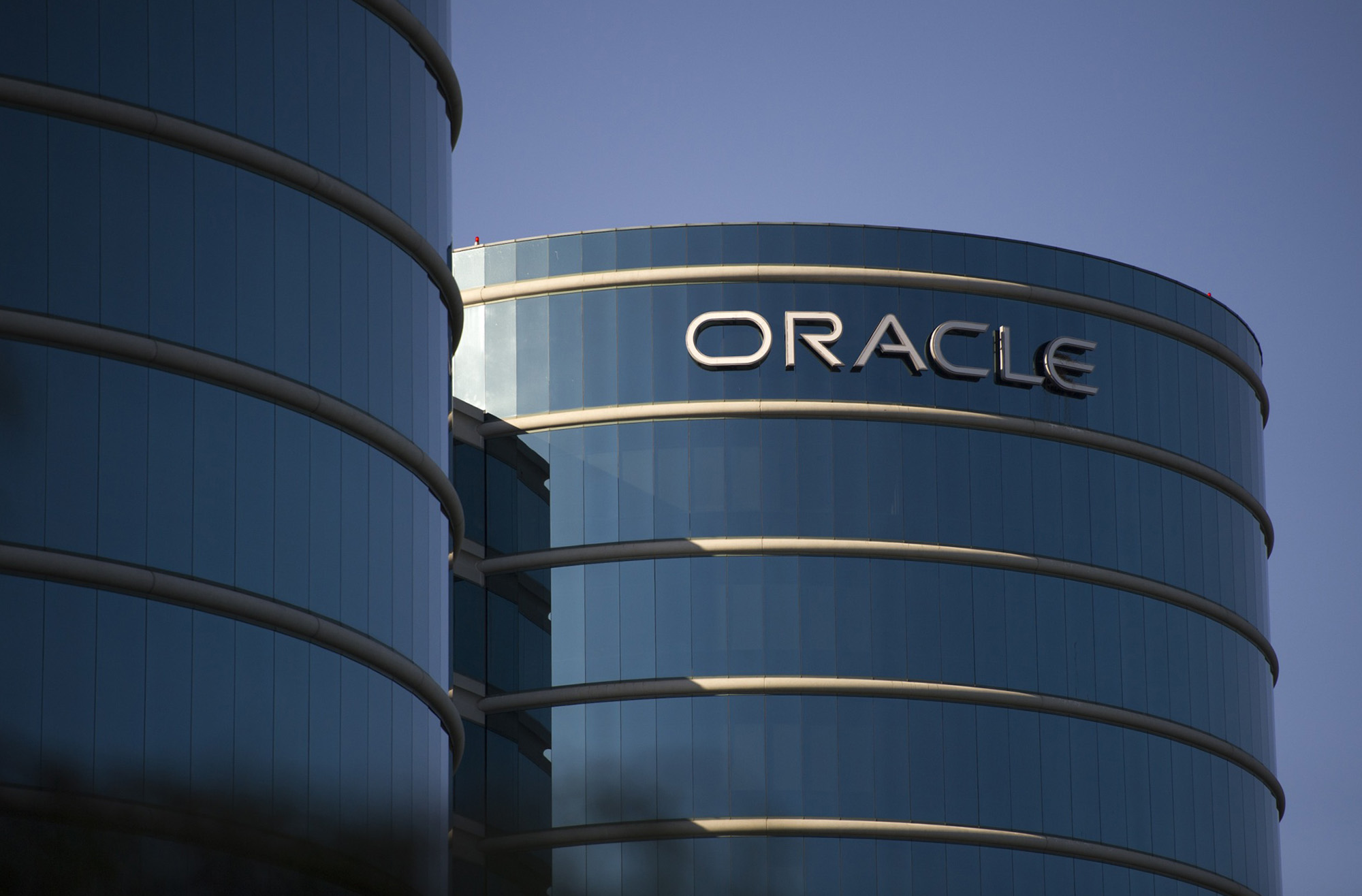
Oracle Misses Quarterly Revenue Estimates Amid Intense Cloud Competition

Oracle Corporation (ORCL.N) reported weaker-than-expected revenue growth for its fiscal second quarter, signaling increasing pressure in the competitive cloud services market. Shares of the company dropped over 7% in extended trading following the announcement.


Key Financial Metrics

  • Quarterly Revenue: Oracle posted $14.06 billion, a 9% year-over-year increase but slightly below analysts’ expectations of $14.11 billion, as per LSEG data.
  • Adjusted Earnings per Share (EPS): The company reported $1.47 per share, narrowly missing Wall Street’s forecast of $1.48.
  • Third-Quarter EPS Outlook: Oracle predicts adjusted EPS of $1.50 to $1.54, lower than the market expectation of $1.57.

Cloud Growth and Competitive Landscape

Oracle’s cloud segment continues to grow but faces tough competition from established players such as Microsoft and Amazon, often referred to as “cloud hyperscalers.” Despite this, Oracle has strategically partnered with these rivals by embedding its database architecture into Microsoft Azure and Amazon Web Services (AWS), enabling seamless data integration for customers.

Chief Executive Safra Catz expressed confidence in Oracle’s long-term growth, projecting total cloud revenue to exceed $25 billion in fiscal 2025. However, the company’s significant investment in cloud infrastructure—particularly through partnerships with Nvidia and the expansion of data centers—has led to increased capital expenditures and margin pressure.


Industry Insights

The tech industry’s high expectations for artificial intelligence (AI) have fueled Oracle’s 80% stock surge this year. However, analysts, including Rebecca Wettemann of Valoir, caution that these expectations are “overheated.”

Gil Luria, an analyst at DA Davidson, noted that Oracle remains a “distant fourth hyperscaler” in the cloud market despite its aggressive investments.


Challenges Ahead

Oracle’s need for substantial capital investment to keep up with competitors underscores the challenging nature of the cloud industry. While its partnerships and infrastructure upgrades may help close the gap, concerns over profitability and sustained growth in the face of rivals like Microsoft, Amazon, and Google remain significant hurdles.