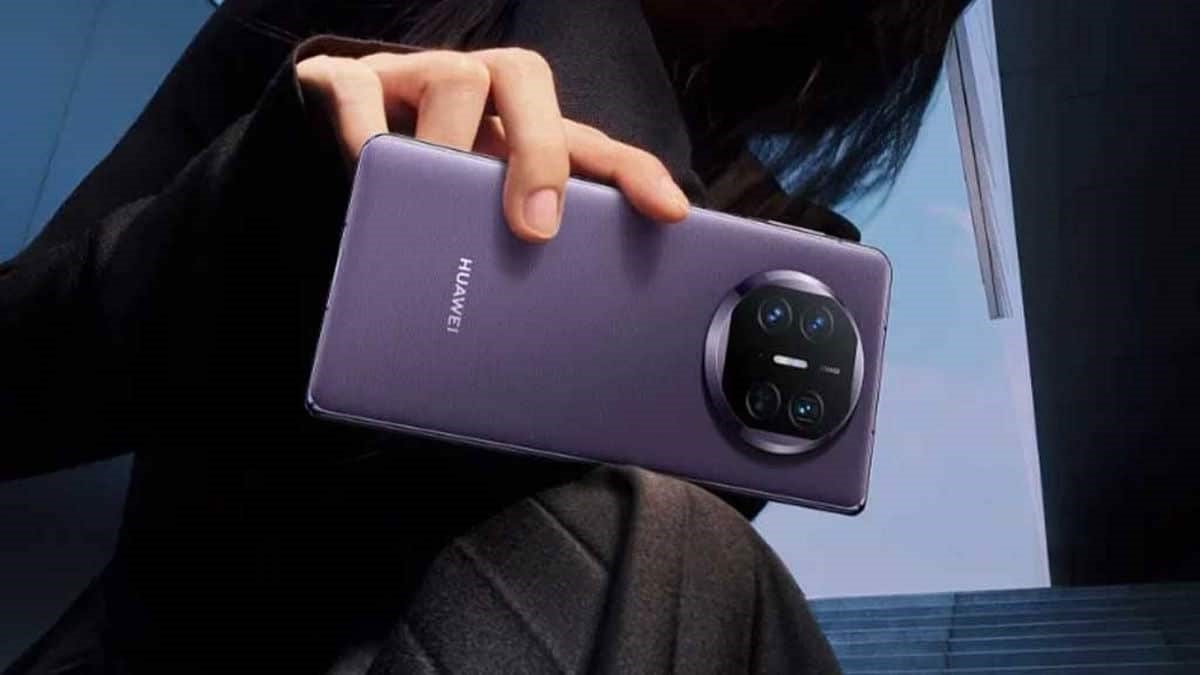
Huawei Mate X6 Debuts With 7.93-Inch Display, IPX8 Water Resistance: Specs and Pricing

Huawei has launched its latest foldable smartphone, the Mate X6, in China. This book-style foldable device comes equipped with a 7.93-inch main display and a 6.45-inch outer display, offering users a seamless blend of compact and expansive screen experiences. Designed for durability, the Mate X6 boasts an IPX8 rating for dust and water resistance, making it one of the most rugged foldable phones on the market. Although Huawei has not officially confirmed the chipset, reports suggest that the phone is powered by the Kirin 9100 SoC. Adding to its appeal, the Mate X6 comes in two variants: the standard version and a premium Collector’s Edition, which features triple-network satellite support and an extended battery capacity.

Premium Design and Vibrant Colors

The Huawei Mate X6 is not just a technological marvel but also a style statement. It is available in five stunning color options: Cosmic Red, Deep Sea Blue, Nebula White, Nebula Gray, and Obsidian Black. The device’s camera system, housed in a sleek circular module, features three outward-facing lenses for versatile photography. This combination of functionality and aesthetics ensures the Mate X6 appeals to users who demand both performance and elegance in their smartphones.

Competitive Pricing Across Variants

Pricing for the Huawei Mate X6 starts at CNY 12,999 (approximately ₹1,50,000) for the base variant with 12GB RAM and 256GB of internal storage. For those needing more space, the 512GB variant is priced at CNY 13,999 (roughly ₹1,64,000). The Collector’s Edition, tailored for enthusiasts, offers higher specifications, including 16GB RAM and up to 1TB storage, with prices ranging from CNY 14,999 to CNY 15,999 (around ₹1,75,000 to ₹1,85,000).

A Feature-Packed Foldable

With its cutting-edge display technology, robust build, and innovative features, the Huawei Mate X6 sets a new standard for foldable smartphones. The Collector’s Edition adds exclusive functionalities, such as triple-network satellite support, which enhances connectivity in remote areas. Combined with a powerful battery and ample storage options, the Mate X6 is designed to cater to professionals and tech enthusiasts alike. This launch further cements Huawei’s position as a pioneer in the foldable phone market.
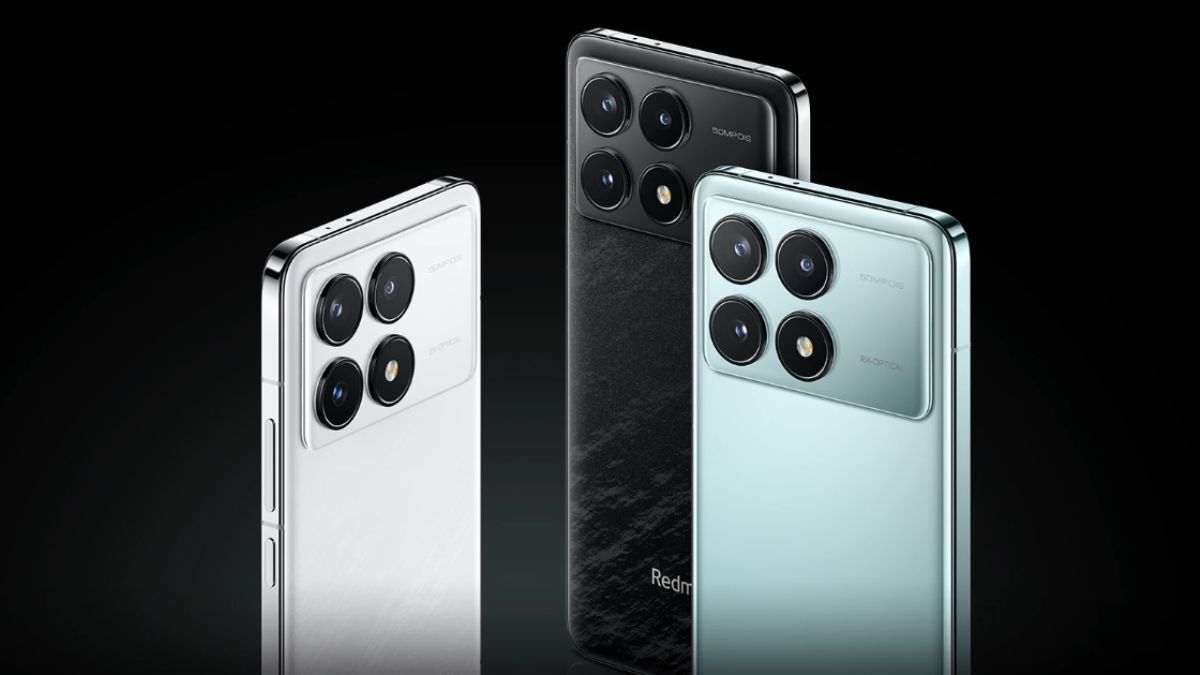

Redmi K80 Display and Build Details Unveiled; Features Ultrasonic Fingerprint Sensor

Redmi is gearing up for the highly anticipated launch of its K80 series in China on November 27. Alongside the Redmi K80, the lineup will include the more powerful Redmi K80 Pro, both boasting cutting-edge technology and impressive specifications. The Pro variant is confirmed to feature Qualcomm’s Snapdragon 8 Elite SoC, Redmi’s proprietary Rage Engine 4.0, and a dedicated D1 graphics chipset for enhanced performance. Additionally, both models will support 5G connectivity and sport high-resolution 2K displays. Accompanying the smartphone launch, Redmi will also unveil the Redmi Watch 5 and Buds 6 Pro, broadening its ecosystem of smart devices.

Sleek Design and New Color Option

Redmi has confirmed that the base K80 model will be available in an eye-catching “Xiyue Blue” color. The phone will feature a “2.5D vertical edge design” that enhances its premium aesthetic, complemented by a matte-finish metal frame. The design improvements also extend to weight reduction, making it lighter than its predecessor, the Redmi K70, which weighs 209 grams. These refinements ensure the Redmi K80 delivers a sleek, modern look while maintaining durability.

Competitive Pricing and Advanced Technology

The Redmi K80 is expected to attract buyers with its competitive pricing, starting below CNY 3,000 (approximately ₹34,900). It will include several high-end features typically reserved for flagship models. The smartphone incorporates a dual-loop 3D ice-cooling system for optimal thermal management during heavy usage, a 2K display for stunning visuals, and an in-display ultrasonic fingerprint sensor for fast and secure unlocking. These features position the K80 as a formidable contender in the premium mid-range segment.

Durability Meets Style

In addition to its premium build and performance capabilities, the Redmi K80 is designed to withstand tough conditions. It comes with IP68 and IP69 certifications for water and dust resistance, making it suitable for various environments. This feature, coupled with its advanced internals, reinforces Redmi’s commitment to delivering a robust and stylish device for tech enthusiasts.

The Redmi K80 series launch promises to be a significant event, showcasing innovations that blend performance, aesthetics, and affordability. Fans can look forward to exploring the entire ecosystem, including the Redmi Watch 5 and Buds 6 Pro, alongside these smartphones.

Anthropic Introduces Open-Source Protocol for Integrating AI Chatbots with Data

Anthropic has introduced the Model Context Protocol (MCP), an open-source initiative aimed at improving how artificial intelligence (AI) systems interact with external data hubs. Announced recently, MCP seeks to address challenges related to data integration, including the persistent issue of data silos and inconsistencies in how external data is accessed by AI models. Alongside this, Anthropic has provided support for MCP within its Claude Desktop apps and has released an open-source repository containing ready-to-use MCP servers for platforms like Google Drive, Slack, GitHub, Git, and Puppeteer.

Large language models (LLMs), while powerful and trained on extensive datasets, often fall short when tasked with context-specific or specialized interactions. For AI chatbots and tools, the ability to process and respond to information from external datasets, such as user-uploaded files or live data sources, is increasingly essential. MCP directly addresses this need, offering a standardized approach to connect AI systems with various external data hubs seamlessly.

One of the core challenges in enabling AI systems to interface with external data lies in the variability of how data sources present and structure their information. Each platform or repository may require unique integration processes, creating inefficiencies for AI developers. MCP offers a unified protocol that eliminates these discrepancies, allowing developers to establish consistent interactions between AI systems and external data without needing platform-specific workarounds.

Anthropic’s move to open-source MCP is a significant step forward in democratizing AI integration capabilities. By providing pre-built MCP servers for popular platforms, developers can quickly adopt this protocol to enhance their AI tools’ functionality. This initiative not only simplifies the process of connecting AI systems to external data but also opens up opportunities for more collaborative and innovative applications across industries. With MCP, Anthropic is laying the groundwork for a more interconnected and efficient AI ecosystem.