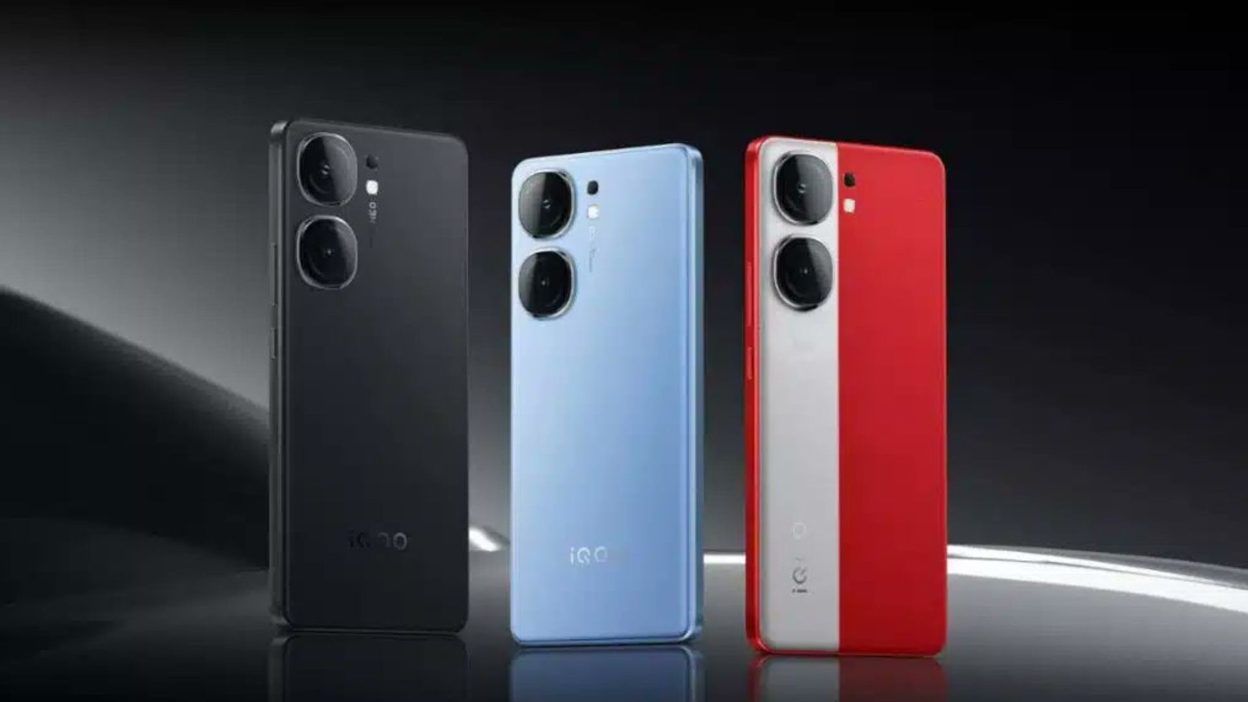
iQOO Neo 10 Series: Key Features and Design Unveiled Ahead of Launch

iQOO is preparing to launch its much-awaited Neo 10 series, including both the base and Pro variants, on November 29 in China. The upcoming smartphones are set to succeed the iQOO Neo 9 and Neo 9 Pro, boasting significant improvements in performance and design. The Neo 10 Pro, in particular, will be powered by the MediaTek Dimensity 9400 SoC, paired with LPDDR5X RAM and cutting-edge AI features. The Neo 10 series will also be equipped with Q2 chips developed in-house by iQOO, further enhancing performance and user experience.

The design of the Neo 10 series has already been revealed by iQOO through a post on Weibo. The handsets feature a distinct rear camera setup, consisting of two squircle-shaped camera units neatly arranged within a slightly raised vertical module. The design is complemented by an elliptical LED flash unit placed beside the camera system. On the right edge of the devices, users will find the volume rocker and power button for easy accessibility. This design is expected to offer a sleek and premium feel while maintaining practical functionality.

As for the color options, the iQOO Neo 10 series will be available in three attractive shades: Rally Orange, Shadow Black, and Shining White. These color choices are designed to appeal to a wide range of preferences, from bold and vibrant to sleek and minimalist. The phone’s glossy finish is sure to add to its premium look, making it a visually appealing option for users who value both aesthetics and performance.

The iQOO Neo 10 series will also be available for pre-booking in China, allowing eager customers to secure their devices ahead of the official launch. With a combination of powerful hardware, stylish design, and customizable color options, the Neo 10 series is poised to be a major contender in the competitive smartphone market, offering great value for users seeking a high-performance device at an affordable price.

Apple Faces Scrutiny Over Investment in Indonesia Amid Rivalry with Xiaomi and Samsung

Black Forest Labs Unveils Advanced Image Editing Tools for Flux.1 AI

Black Forest Labs has introduced four innovative artificial intelligence (AI) tools designed for its Flux.1 text-to-image model, aiming to provide users with more refined control over image editing. These tools cater to various specific image manipulation tasks, offering the flexibility to adjust images while maintaining the integrity of key elements. The new features were launched as part of an initiative to expand the capabilities of the Flux.1 AI, making it easier for both developers and users to achieve desired results when generating or altering images.

The newly released tools are available in two different versions: an open-access developer model and a more robust pro model available through the Black Forest Labs API. These tools allow developers to experiment and integrate image editing capabilities into their own applications, while the full pro version offers enhanced features for professional users. According to Black Forest Labs, the tools offer unparalleled precision, enabling users to make detailed adjustments to images based on custom text prompts, making them especially useful for creative professionals working with complex visual designs.

Among the newly released tools, the Flux.1 Fill tool stands out as a key feature. This inpainting and outpainting tool allows users to edit specific details within an image or even extend the boundaries of an image with text descriptions and binary masks. The tool’s ability to maintain visual coherence while expanding or modifying images is expected to significantly improve workflows for artists and content creators. Black Forest Labs has reported that its pro version outperforms competing tools, such as Ideogram 2.0, based on internal comparisons.

Developers interested in accessing the new image editing tools can find the open-access versions of these models available on platforms like Hugging Face and GitHub under the Flux Dev License. Meanwhile, users seeking the full-featured pro versions can access them via the Black Forest Labs API, with the company promising even more enhancements as the toolset continues to evolve. With these new releases, Black Forest Labs is positioning itself as a leader in the evolving AI-driven image editing space, combining advanced technology with user-friendly access for a broad range of use cases.

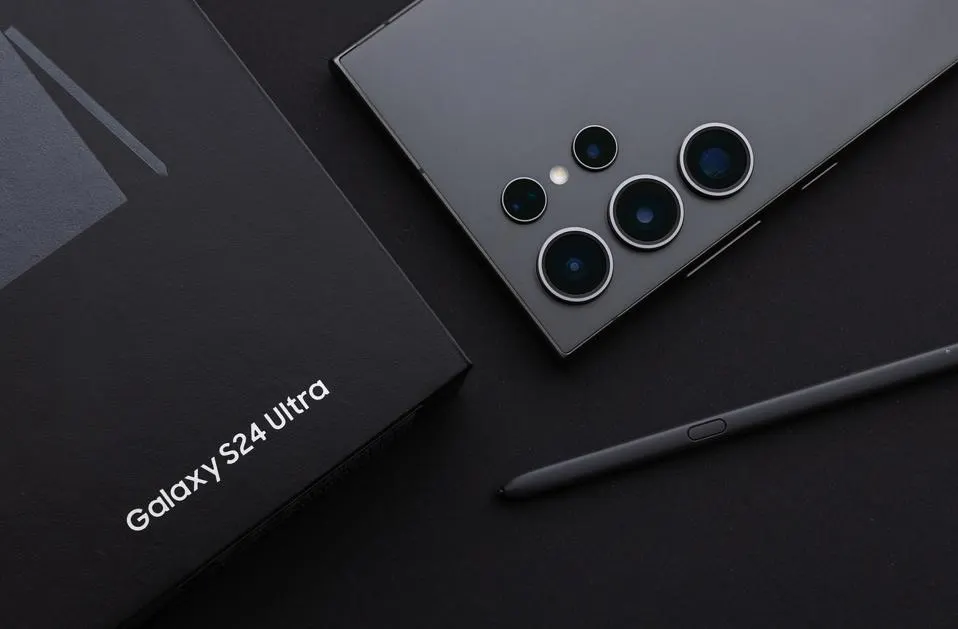
Samsung Black Friday Sale: Incredible Discounts on Galaxy S24 Ultra, S24, and S24 Plus

Apple’s recent proposal to invest $100 million in Indonesia has been met with disappointment from the country’s government. According to Industry Minister Agus Gumiwang Kartasasmita, the proposed amount does not align with the fairness principles that Jakarta expects in terms of investment size and commitment. The official pointed out that while Apple’s investment in Indonesia is relatively modest, the company has made significantly larger investments in other countries, particularly in Vietnam.

For context, Apple’s investment in Vietnam stands at a substantial IDR 244 trillion (roughly $15 billion), which has helped establish large manufacturing facilities in the country. Despite this, Apple’s sales in Vietnam remain relatively low, with only about 1.5 million units sold. This stark contrast to its performance in Indonesia, where Apple sells around 2.5 million units, has raised concerns within the Indonesian government about the disparity in investment.

The Indonesian government has made it clear that it expects Apple to reconsider its investment levels to ensure a more equitable contribution to the local economy. Currently, Apple’s investment in Indonesia has primarily been directed towards the establishment of developer academies, which amounts to around IDR 1.5 trillion. This is seen as insufficient compared to its broader manufacturing investments in other regions, especially when considering the volume of sales in the country.

Given these concerns, Indonesia has signaled that further negotiations are necessary before it will consider lifting the ban on domestic sales of the iPhone 16. The government is seeking a more substantial and balanced approach that not only aligns with Apple’s market presence in the country but also provides long-term benefits for the Indonesian economy.